
As a civil engineer, your expertise in technical drawing, construction know-how, and attention to detail make you a perfect fit for transitioning into interior design. Your knowledge of building materials and strong client interaction skills will be a valuable asset. Consider taking courses in interior design principles, honing your software proficiency, and collaborating with industry professionals to reach new heights. Your architectural background provides a unique advantage, bringing fresh perspectives to spatial planning and project execution. With the increasing demand for interior designers, your combination of technical skills and creativity will help you stand out. Embrace this exciting journey; success in interior design is within reach with your distinctive touch.
Key Takeaways
- Transferable skills in technical drawing and construction aid in transitioning to interior design.
- Educational options like short courses and diplomas can enhance interior design expertise.
- Architectural background provides a strong foundation for interior design projects.
- Developing design skills and software proficiency is crucial for success in interior design.
- Collaboration with industry professionals ensures seamless integration of expertise in interior design projects.
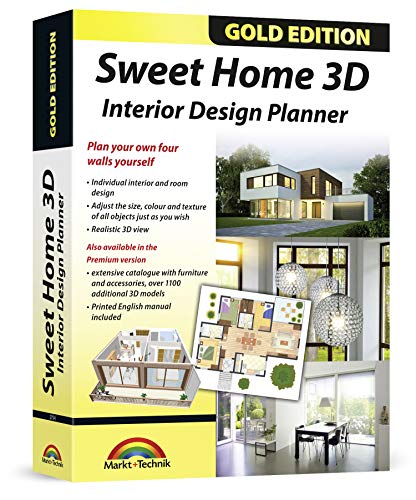
Sweet Home 3D – Interior Design Planner with an additional 1100 3D models and a printed manual, ideal for architects and planners – for Windows 11-10-8-7-Vista-XP & MAC
Individual interiors and room designs for house planners, architects and designing an apartment, rooms or house
As an affiliate, we earn on qualifying purchases.
As an affiliate, we earn on qualifying purchases.
Transferable Skills and Knowledge
Leverage your technical drawing and construction expertise as a civil engineer to excel in interior design. As civil engineers, you already possess valuable skills that are highly applicable to the world of interior design. Your understanding of building materials and how weather impacts them can aid you in selecting durable interior design materials that will stand the test of time. Additionally, the client interaction skills you've honed in civil engineering can be seamlessly applied to assess and fulfill the needs of your interior design clients effectively.
Furthermore, the attention to detail that's intrinsic to your work in construction will enhance the precision of your interior design practice. Your expertise in renovation from civil engineering projects will also complement your understanding of interior design, leading to successful and innovative projects. By leveraging these transferable skills, you can seamlessly move into the world of interior design and make a significant impact with your unique perspective as a civil engineer.
Civil Engineer DR Sign – Rustic Metal Street Style Decor, 16×4 Inch Engineering Graduation Gift, Vintage Office Wall Art
**Perfect Graduation Gift for Engineers**: Celebrate the achievements of your loved ones with our Civil Engineer DR Sign….
As an affiliate, we earn on qualifying purchases.
As an affiliate, we earn on qualifying purchases.
Educational Requirements and Options
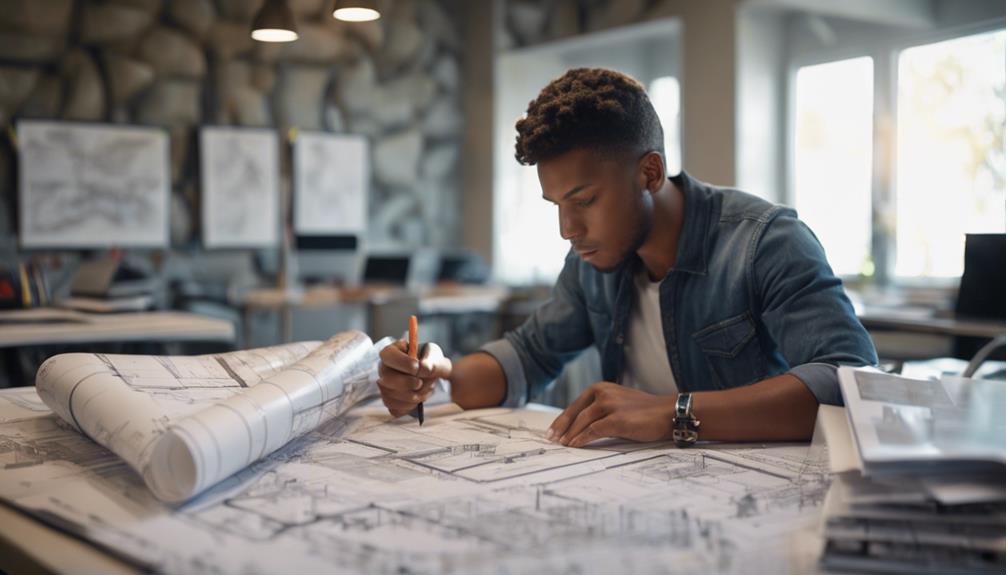
Considering your background in civil engineering, exploring educational requirements and options in interior design can be a strategic step towards shifting your career successfully. Pursuing interior design courses after graduating from civil engineering can enhance your skills and knowledge in the field.
You might want to explore studying computer engineering or taking short interior design courses to expand your expertise gradually. Completing a one-year diploma course in interior design could greatly boost your career prospects in the industry.
Balancing your civil engineering work while delving into interior design can be a creative approach to gain experience and insight into the world of design. Moving from civil engineering to interior design can be fulfilling, especially if you have a passion for design and creativity.
Keep in mind that the next time you contemplate your educational path, look for programs that align with your career goals and interests to make a smooth shift into the interior design field.

Sketching for Architecture + Interior Design: A practical guide on sketching for architecture and interior design students
As an affiliate, we earn on qualifying purchases.
As an affiliate, we earn on qualifying purchases.
Leveraging Architectural Background
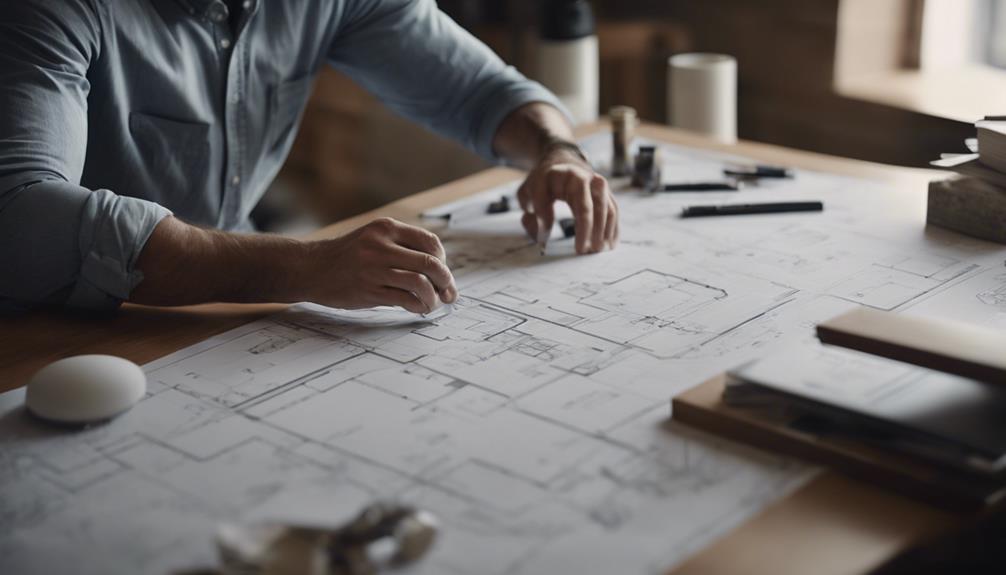
Drawing from your architectural background can greatly enhance your move into the field of interior design. As a civil engineer, your knowledge of architectural principles and design concepts can serve as a strong foundation for your shift. Leveraging this background allows you to excel in creating aesthetically pleasing interiors by applying your understanding of spatial planning and architectural detailing. Your experience in architecture aids in visualizing and executing interior design projects effectively, giving you a unique perspective that sets you apart in the industry.
| Benefits of Leveraging Architectural Background |
|---|
| 1. Solid foundation for interior design move |
| 2. Enhanced spatial planning skills |
| 3. Unique perspective on interior design projects |

Dickno Car Interior Dust Brush, Soft Scratch Free Auto Detailing Brushes, Universal Vehicle Interior Cleaning Tool for Automotive Dashboard, Air Vents, Leather(Brown & Black)
Sweep Dust: The anti-dust brush can help you sweep away dust and dirt on your car. If the…
As an affiliate, we earn on qualifying purchases.
As an affiliate, we earn on qualifying purchases.
Developing Design Skills and Software Proficiency

To further advance your journey into interior design as a civil engineer, focus on developing your design skills and proficiency in essential software. Start by taking courses in interior design principles and techniques to enhance your understanding of design concepts.
Practice using design software like AutoCAD, SketchUp, and Revit to familiarize yourself with tools commonly used in the industry. Learning about color theory, space planning, and furniture design will help broaden your design capabilities and creativity.
Creating interior design projects and building a strong portfolio will showcase your skills and demonstrate your ability to translate your civil engineering background into successful interior design endeavors. Remember to pay attention to material selection, textures, and finishes as these elements play a vital role in the overall aesthetic and functionality of a space.
Collaborating With Industry Professionals
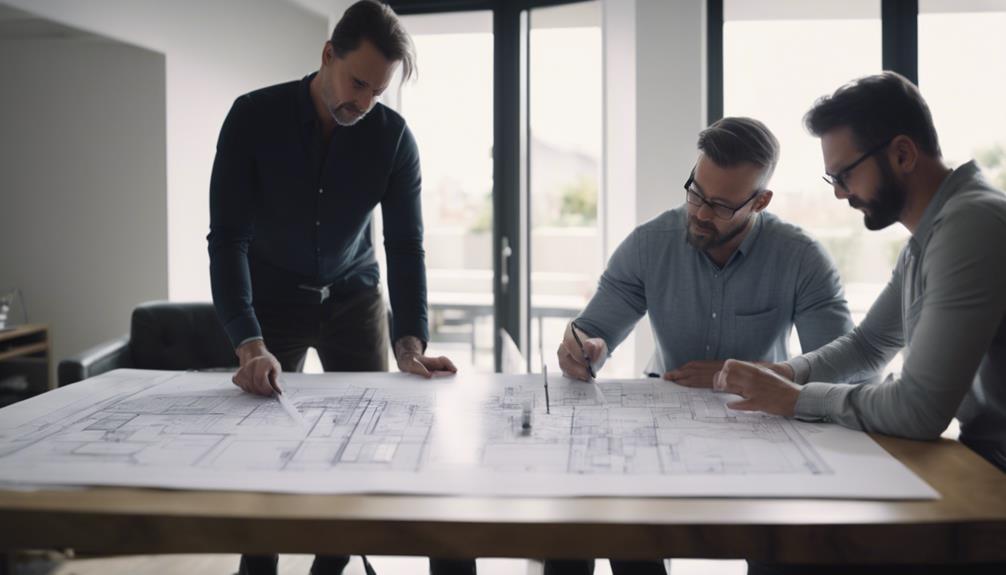
When collaborating with industry professionals in interior design projects, you get to experience the synergy of different design processes coming together. Teamwork is essential for success, as architects, contractors, craftsmen, engineers, and interior designers work hand in hand to create innovative and well-rounded design solutions.
Design Process Synergy
Partnering with industry professionals in interior design projects guarantees a seamless integration of expertise for a holistic and well-executed design process. By collaborating with experts like electricians, plumbers, architects, and contractors, civil engineers can enhance both functionality and aesthetics in their projects. Synergy in the design process involves coordinating with professionals in lighting, HVAC systems, and structural modifications to guarantee a thorough approach. Integrating civil engineering expertise also safeguards compliance with building codes and regulations, providing a solid foundation for creative design solutions. This collaboration with professionals from various disciplines leads to innovative and well-rounded interior design outcomes that meet both technical requirements and aesthetic goals.
| Industry Professionals | Benefits |
|---|---|
| Electricians | Enhanced functionality through proper lighting solutions |
| Plumbers | Improved functionality with efficient plumbing design |
| Architects | Thorough design approach and spatial planning |
| Contractors | Seamless execution of design plans and construction processes |
Teamwork for Success
Working closely with industry professionals is crucial for achieving success in interior design projects. Collaboration with architects, contractors, and craftsmen is key to bringing design visions to life.
Networking with industry insiders can open doors to valuable partnerships and project opportunities. Interior designers often team up with engineers, electricians, and plumbers to guarantee projects run smoothly.
Effective teamwork with suppliers and vendors guarantees timely delivery of materials and furnishings, essential for project completion. Engaging with interior decorators and stylists can elevate the overall design aesthetic and quality of projects.
Professional Networking Benefits
To succeed in interior design, establishing professional networks with industry experts is imperative. Collaborating with architects, contractors, and suppliers enhances the overall design process, ensuring a seamless project execution.
Networking with fellow interior designers allows for valuable knowledge exchange and sparks creative inspiration for your designs. Building relationships with furniture manufacturers is key to selecting high-quality materials that elevate your projects. Partnering with artists and craftsmen opens doors to unique and customized design solutions that set your work apart.
Joining industry organizations and attending events not only fosters professional growth but also increases your visibility in the field, paving the way for exciting opportunities and collaborations. Embrace the power of networking to excel in the dynamic world of interior design!
Exploring Career Opportunities in Interior Design
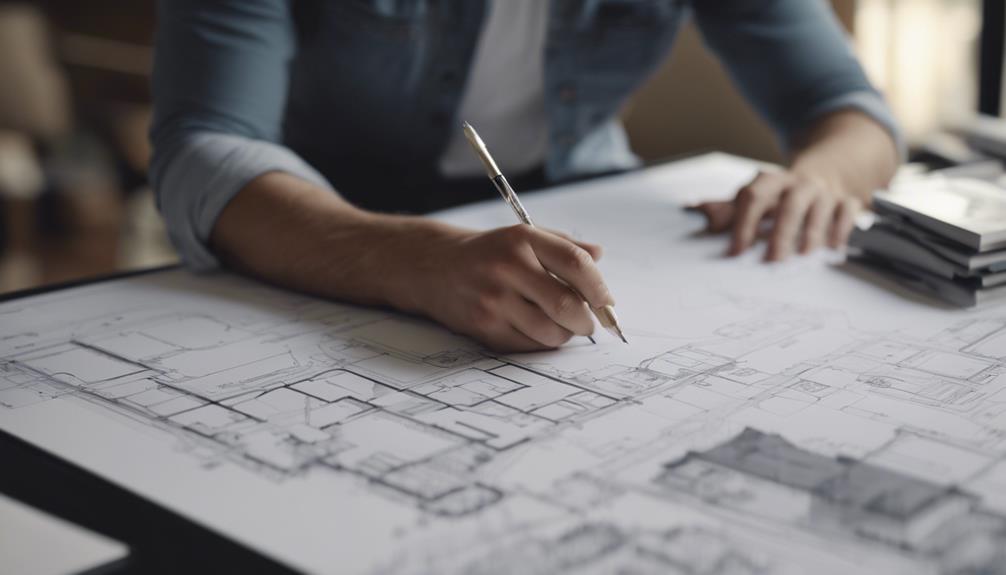
When considering a career in interior design, you'll find a diverse range of pathways to explore, from residential design to commercial projects.
To succeed in this field, strong communication skills are key, enabling you to effectively collaborate with clients and industry professionals.
Specializing in areas like furniture design can help you carve a unique niche and stand out in the competitive industry.
Career Pathways in Design
Exploring career opportunities in interior design reveals a diverse and dynamic industry awaiting your creativity and skills. Interior designers can work on various projects, from residential to commercial spaces, showcasing their unique talents.
The demand for interior designers in India is increasing, offering plentiful career prospects. Strong communication skills are essential as designers often collaborate with architects and other professionals. Specializing in niche areas like furniture design allows for a distinctive career path.
Additionally, focusing on specific aspects of interior design, such as color theory, lighting design, and 3D modeling, is crucial to excelling in this field. By honing your skills and exploring different pathways, you can carve out a successful career in the vibrant world of interior design.
Skills Needed for Success
Developing proficiency in design software like AutoCAD and SketchUp is essential for interior designers seeking success in their careers. Strong drawing and rendering skills are critical for creating detailed design concepts, while effective communication and interpersonal skills are necessary for client interactions and project collaborations.
Understanding color theory, lighting design principles, and spatial planning is key for successful interior design projects. Additionally, creative thinking and problem-solving abilities play an important role in developing innovative and functional design solutions.
Advantages of a Civil Engineer in Interior Design
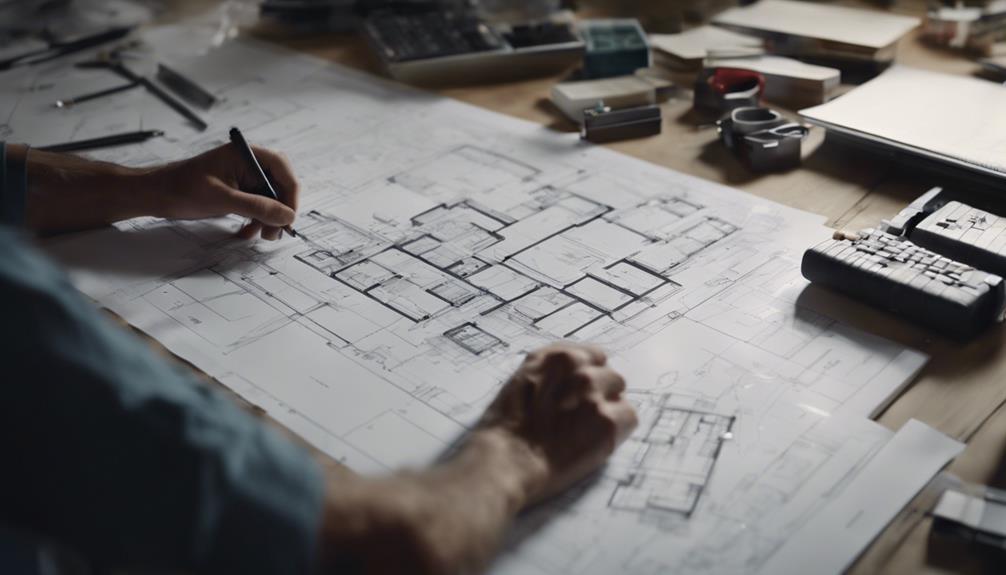
Bringing technical drawing, construction, and graphics expertise, civil engineers offer unique advantages in the field of interior design. Their background in building renovation equips them with a deep understanding of structural elements, allowing for innovative and practical design solutions. Attention to detail and perfectionism honed through civil engineering work seamlessly translate into creating well-executed interior spaces. Moreover, civil engineers excel in client interaction and needs assessment, ensuring that the design process is tailored to meet individual preferences effectively.
One key advantage of a civil engineer in interior design is their expertise in material durability and weather impact. This knowledge guarantees that design choices not only look good but also stand the test of time. By leveraging their technical skills and problem-solving abilities, civil engineers can create interior spaces that aren't just aesthetically pleasing but also functional and sustainable. The blend of technical know-how and creative flair sets civil engineers apart in the world of interior design, making them a valuable addition to any design team.
Frequently Asked Questions
Is Interior Designing Related to Civil Engineering?
Yes, interior designing is related to civil engineering. Both fields focus on creating functional and visually appealing spaces within built environments. Civil engineers guarantee structural integrity, while interior designers prioritize aesthetics and user experience. Understanding building codes and regulations is vital for both professions.
Civil engineers can seamlessly integrate interior design skills into their practice, leading to thorough project outcomes. The combination of these expertise areas can result in successful and well-rounded design projects.
Can a Civil Engineer Become a Designer?
Yes, a civil engineer can absolutely become a designer! Designing isn't limited to one field; your engineering background can be a strong foundation for exploring new creative paths. By honing your design skills and pursuing relevant courses, you can shift smoothly.
Leverage your technical knowledge and embrace the artistic side of interior design. With dedication and training, you can excel as a designer and bring a unique perspective to the field.
Can an Engineer Be an Interior Designer?
You absolutely can be an engineer and immerse yourself in the exciting world of interior design! By honing your creativity and learning new design concepts, you can bring a fresh perspective to spaces.
Embrace your artistic side and blend your technical expertise with design skills. Shifting from engineering to interior design opens up a world of possibilities.
Can a Civil Engineer Design a House?
Yes, a civil engineer can design a house by focusing on structural elements, foundation systems, and building materials. They play a vital role in ensuring the house meets safety standards, local building codes, and regulations.
Considering factors like soil conditions, topography, and environmental impact, civil engineers play an essential role in efficient house design.
Collaborating with architects and interior designers enhances the overall aesthetics and functionality of the house.
Conclusion
To sum up, although it may appear as a shift from civil engineering to interior design, your background in problem-solving, technical knowledge, and creative thinking can be valuable assets in this new field.
By leveraging your transferable skills, pursuing the right education, and developing your design abilities, you can successfully shift into a career as an interior designer.
With dedication and passion, you can create beautiful spaces that blend functionality and aesthetics, showcasing your unique vision and talent.