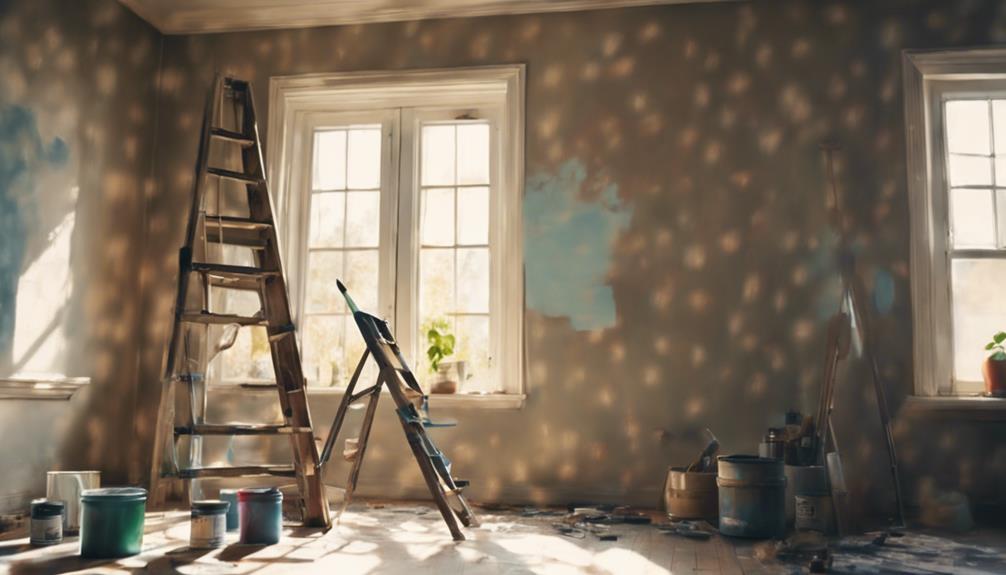

You should repaint your interior house based on usage and room type. Living rooms and dining rooms typically need a fresh coat every 5-7 years, while kitchens and bathrooms may require repainting every 3-4 years. Areas with high traffic like children's bedrooms might benefit from a touch-up every 2-3 years. Factors like kids, pets, and daily activities influence repainting needs. Regular cleaning, maintaining humidity levels, and addressing scuffs promptly can extend the lifespan of your paint. By understanding these factors, you can plan a suitable maintenance schedule for your home.
Key Takeaways
- Consider room usage and high-traffic areas for repainting frequency.
- Quality paint and proper maintenance extend paint lifespan.
- Repaint living rooms every 5-7 years, kitchens every 3-4 years.
- Regular touch-ups in high-traffic areas maintain appearance.
- Environmental factors and paint quality impact longevity.

Zinsser 02774 PERMA-WHITE Mold & Mildew Proof Interior Paint, Quart, Eggshell White
- Self-Priming Formula: No sanding required
- Mold & Mildew Proof: Guaranteed 5-year protection
- Resists Dirt and Moisture: On the paint film
As an affiliate, we earn on qualifying purchases.
As an affiliate, we earn on qualifying purchases.
Factors Influencing Interior Painting Frequency
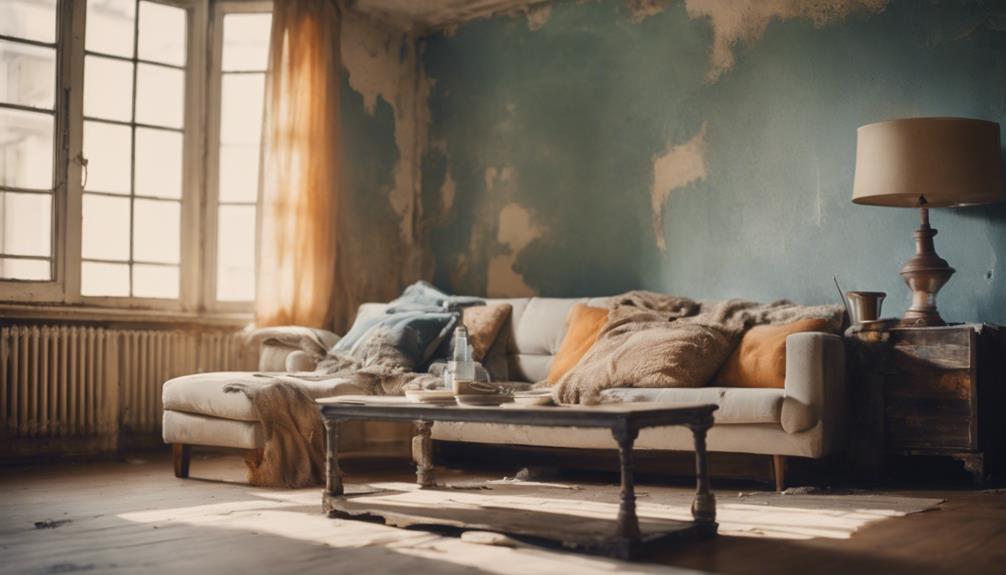
Wondering what determines how often you should repaint the interior of your house? Factors influencing the frequency of repainting include room usage, high-traffic areas, and the quality of paint used.
High-traffic areas like living rooms, which endure more wear and tear, may require repainting every 5 years. Spaces such as kitchens and bathrooms, being high-use areas, might need more frequent touch-ups due to moisture and heavy usage patterns. Repainting intervals vary depending on the activities that take place in different rooms.
The quality of the paint applied, along with proper preparation work, also impacts how often you'll need to refresh your interior walls. By considering these factors, you can determine a suitable repainting schedule that keeps your home looking fresh and well-maintained.
Recommended Repainting Intervals for Different Rooms
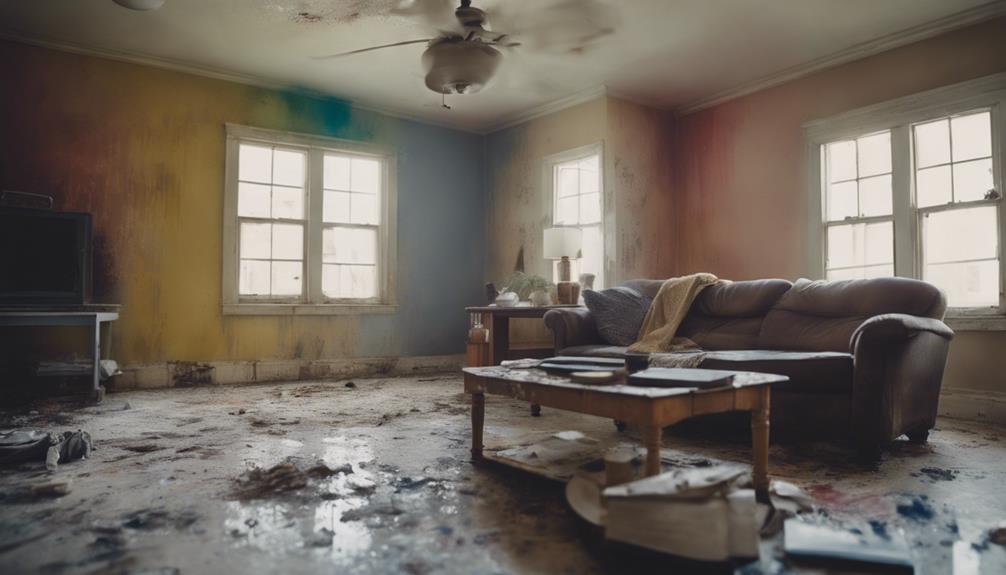
Living rooms should be repainted every 5-7 years due to high traffic and frequent use.
Dining rooms also benefit from repainting every 5-7 years to maintain a fresh and inviting atmosphere.
Consider the recommended repainting intervals for different rooms to keep your home looking its best.
Living Room Repainting Frequency
For best maintenance, consider repainting your living room every 5-7 years due to its high traffic and usage. Living rooms are central spaces where family gatherings, TV watching, and daily activities take place. Repainting regularly helps maintain a fresh and welcoming atmosphere for your family and guests. Experts recommend repainting living rooms to enhance aesthetics and keep the space looking inviting. With the frequent use that living rooms endure, a fresh coat of paint can truly transform the space, improving the overall look and feel of your home.
| Living Room Repainting Frequency |
|---|
| Repainted every 5-7 years |
| High traffic and usage |
| Experts recommend |
Kitchen and Bathrooms
To maintain the fresh and inviting atmosphere in your home, consider repainting your kitchen and bathrooms at recommended intervals due to high traffic, grease, and moisture levels.
Recommended Repainting Intervals:
- Kitchen Walls: Repaint every 3-4 years to combat grease splatters and stains from high traffic.
- Bathroom Paint: Refresh every 3-4 years using wipeable paint suitable for high moisture levels.
- Durable Paint: Choose durable paint for bathroom walls to withstand heat, steam, and water exposure effectively.
Regularly repainting these areas not only helps in upkeep but also guarantees a clean and welcoming environment. Remember, quality ventilation in bathrooms can also extend the life of the paint and maintain a fresh look.
Bedrooms and Home Offices
Consider repainting bedrooms and home offices following specific intervals to maintain a fresh and inspiring atmosphere in these spaces. When it comes to repainting adult bedrooms, a timeframe of 7-10 years is generally recommended, especially with changing decor preferences. Children's bedrooms, on the other hand, may need a fresh coat every 2-3 years due to evolving tastes and activities. Kids' rooms often show wear and tear quicker, requiring more frequent repainting to keep them looking vibrant. Teen bedrooms typically benefit from a new paint job every 5-7 years to match their changing preferences. Home offices usually follow the same repainting intervals as adult bedrooms, around every 7-10 years, to guarantee a productive and invigorating workspace.
| Room Type | Repainting Intervals |
|---|---|
| Adult bedrooms | 7-10 years |
| Children's bedrooms | 2-3 years |
| Kids' rooms | Frequent touch-ups |
| Teen bedrooms | 5-7 years |
| Home offices | 7-10 years |
Impact of Room Usage on Repainting
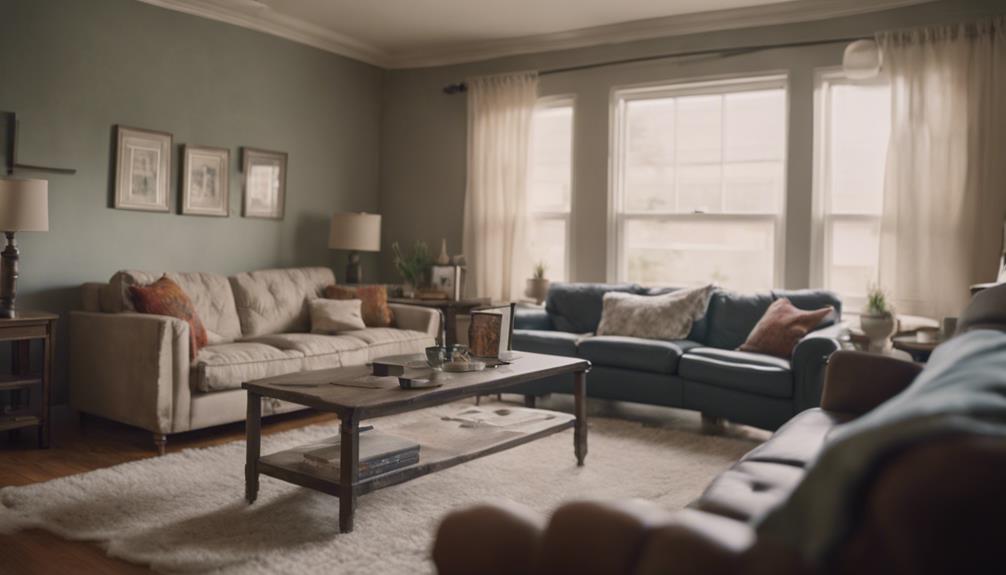
The frequency of repainting in various rooms is greatly influenced by their specific patterns of use.
- Living rooms, as high-traffic areas, often require repainting every 5 years due to frequent use and wear on the walls.
- Kitchens and bathrooms, being high-usage spaces, may need repainting more frequently to maintain a fresh appearance despite the interior paint quality.
- Children's bedrooms, with changing tastes and activities, typically need repainting every 2-3 years to keep up with evolving room decor.
Factors such as kids, pets, and daily activities play a significant role in determining how often you may need to repaint different rooms in your house. Understanding the impact of room usage on repainting can help you plan for the maintenance of your interior paint and make sure that your walls stay looking fresh and vibrant.
Extending Lifespan of Interior Paint
Extending the lifespan of your interior paint involves implementing regular cleaning practices and maintaining appropriate humidity levels within your home. Address scuffs and marks promptly to prevent premature wear on painted surfaces. Protect walls from direct sunlight exposure for durable finishes. Quality paint jobs and proper preparation greatly impact paint longevity. Maintenance and care, like choosing suitable finishes, maximize interior paint lifespan.
| Regular Maintenance | Extending Durability |
|---|---|
| Clean frequently | Prevent premature wear |
| Maintain humidity levels | Protect from sunlight |
| Address scuffs promptly | Quality paint matters |
Understanding Paint Longevity Factors
Factors such as room usage, paint quality, and environmental conditions greatly influence the longevity of interior paint. To understand how long your paint job might last, consider the following:
- Room Usage: Different rooms have varying levels of activity. High-traffic areas like living rooms tend to wear out faster and may need repainting every 5 years. Bedrooms, on the other hand, typically require repainting every 7-10 years for adults and more frequently for children.
- Paint Quality: Investing in high-quality paint can markedly extend the lifespan of your interior paint job. A well-done paint job using quality materials and techniques can last up to 10 years with proper maintenance.
- Environmental Conditions: Factors like humidity and temperature can impact how long your paint lasts. For areas like kitchens and bathrooms that experience more moisture and usage, repainting every 3-4 years may be necessary to keep the space looking fresh.
Maintaining High-Traffic Areas
Regular touch-ups in high-traffic areas help maintain the integrity and appearance of your home. Living rooms, often bustling with activity, may need to be repainted every 5 years.
Kitchens and bathrooms, prone to grease and moisture, should be repainted every 3-4 years to keep them looking fresh. These high-traffic areas require extra attention due to the wear and tear they endure daily.
Children's bedrooms, constantly evolving with changing tastes, typically need repainting every 2-3 years. To make sure your interior stays vibrant and well-maintained, consider consulting professional painters for personalized advice on maintaining high-traffic areas with frequent repainting needs.
Weather Effects on Interior Paint
Weather conditions, particularly in coastal regions, can have a substantial impact on the durability and longevity of interior paint. When it comes to painting your home near the coast, consider the following:
- Salt Exposure: Proximity to the bay or ocean can expose your interior paint to salt in the air, leading to gradual dulling of the paint over time.
- Quality Paint Matters: Opting for high-quality paint can greatly enhance the resilience of your interior surfaces to environmental factors like salt exposure. Quality paints are formulated to withstand such challenges better than cheaper alternatives.
- Longevity Concerns: Cheaper paints may initially save you money, but they're more likely to peel and degrade when exposed to weather conditions, especially in coastal areas. Choosing a quality paint can help maintain the longevity and appearance of your interior paint despite challenging environmental factors.
Practical Tips for Painting Maintenance
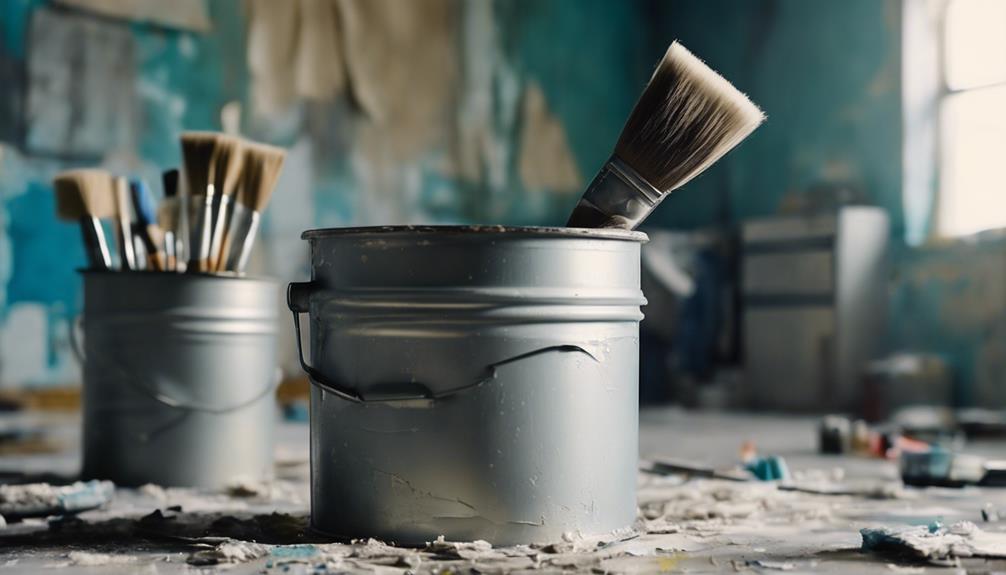
When it comes to maintaining your interior paint, remember to touch up any color inconsistencies and guarantee proper surface preparation.
Regular touch-ups can help maintain a fresh look and prevent small imperfections from becoming more significant issues.
Color Touch-Ups
Considering color touch-ups every 1-2 years helps maintain the fresh appearance of your interior walls by addressing minor scuffs and marks effectively. To keep your walls looking their best, remember these tips:
- Regular Maintenance: Schedule touch-ups to prevent small imperfections from becoming more noticeable over time.
- Color Consistency: Keep leftover paint for touch-ups to guarantee a seamless color match and professional finish.
- Cost-Effective: Quick touch-ups are a budget-friendly and efficient way to maintain your walls without the need for a full repaint.
Surface Preparation
Properly preparing the surfaces before painting is essential for achieving a professional and long-lasting finish. Begin by cleaning the walls to remove dirt and grease. Sand any rough areas and repair imperfections like cracks or holes.
Priming the surface will help the paint adhere better. Use painter's tape to protect areas you don't want to paint. This step is vital during the painting process to avoid accidental splatters.
Adequate surface preparation not only guarantees a smooth finish but also helps extend the lifespan of the paint job. By taking the time to prep your interior walls correctly, you can maintain their integrity and enjoy a fresh look for longer.
Frequently Asked Questions
How Often Should a House Interior Be Painted?
You should repaint the interior of your house every few years to maintain a fresh and inviting look. Living rooms benefit from a new coat of paint every 5-7 years, while adult bedrooms can go longer, about 10 years, unless you're changing decor.
Children's bedrooms need more frequent touch-ups, every 2-3 years, due to playtime wear and evolving tastes. Kitchens should be repainted every 3-4 years to keep them looking clean, while bathroom walls need a refresh every 3-4 years due to high moisture levels.
How Long Does Interior Paint Last on the Wall?
Interior paint can last up to 10 years with proper care. Factors like paint quality, sunlight exposure, and wall preparation impact longevity.
For high-traffic areas, repainting every 5 years may be necessary. Regular cleaning and quick scuff repairs can extend paint life.
Consider these factors to maintain your walls' appearance.
How Long Should a Good Interior Paint Job Last?
A good interior paint job should last up to 10 years with proper care. Factors like room usage, paint quality, and preparation work impact longevity.
Regular cleaning, humidity control, and prompt scuff fixes can extend paint life. In bedrooms, quality paint can endure 7-10 years for adults and 3-5 years for kids.
High-traffic areas like living rooms may need repainting every 5 years due to accelerated wear.
How Often Do Ceilings Need to Be Painted?
Ceilings typically need repainting every 5-10 years, depending on wear and tear. Factors like sunlight exposure can affect paint longevity. Repainting ceilings every other time you paint walls can help maintain a fresh appearance.
Unlike walls, ceilings have less contact with surfaces and can last longer. To get personalized advice on when to repaint, consider consulting professionals for tailored recommendations on ceiling maintenance.
Conclusion
In summary, maintaining the interior paint of your house is essential for its overall appearance and longevity.
Just like how regular exercise keeps your body healthy, repainting your walls at recommended intervals keeps your home looking fresh and vibrant.
By understanding the factors influencing paint longevity and following practical tips for maintenance, you can guarantee that your home remains a welcoming and aesthetically pleasing space for years to come.