Low voltage LED lighting operates at 12-24 volts, with LED drivers reducing higher voltage for efficiency. Precise current management, crucial at 10-700mA, prevents overheating and maintains consistency. Optimizing current flow maximizes energy efficiency and cost-effectiveness, essential for LED longevity. Current regulation and lighting controls enhance efficiency and lifespan, alongside wattage determination through voltage multiplied by current values. Smart dimming controls, strategic placement, and energy-saving fixtures optimize LED systems. Understanding voltage, current, and efficiency relationships reveal key practices. Enhanced performance and durability result from proper current regulation. The intricacies of LED lighting efficiency and design optimization await exploration further.
Key Takeaways
- LED lighting operates on 12-24 volts for efficiency.
- LED drivers convert high voltage to low for optimal operation.
- Precise current measurements (10-700mA) prevent overheating.
- Current regulation maximizes energy efficiency and lifespan.
- Smart controls and task-specific placement enhance LED efficiency.

LED Driver 60 Watts Waterproof IP67 Power Supply Transformer Adapter 100V-260V AC to 12V DC Low Voltage Output for LED Light, Computer Project, Outdoor Light and Any 12V DC led Lights
- Input Voltage: 100-260V AC
- Output Power: 60W 12V DC 5A
- Protection Features: Short circuit, overload, over voltage, over current, over temperature protection
As an affiliate, we earn on qualifying purchases.
As an affiliate, we earn on qualifying purchases.
Understanding Voltage in LED Lighting
Understanding the voltage requirements in LED lighting is essential for efficient and safe operation. LED lighting typically functions on low voltage systems, usually around 12-24 volts. This critical voltage characteristic not only promotes energy efficiency but also guarantees safety by reducing the risk of electric shock. Additionally, low voltage in LED lighting systems facilitates easier installation in various settings, making them more versatile.
One vital aspect of comprehending voltage in LED lighting is selecting the appropriate driver to regulate power to the LEDs. LED drivers play a pivotal role in converting the higher voltage from the power source into the lower voltage required for efficient LED operation. Proper voltage regulation within LED lighting systems is paramount as it directly impacts performance, longevity, and the consistency of light output.
Exploring Current Measurements in LEDs

LED lighting systems rely on precise current measurements, typically ranging from 10mA to 700mA, to maintain peak efficiency and longevity. Monitoring current levels is vital to prevent overheating and sustain consistent light output, safeguarding the LED components from damage.
Understanding the impact of current on LEDs is essential for maximizing performance and minimizing the risk of premature failure.
Current and LEDs
When measuring current in LEDs, the typical unit used is milliamperes (mA), with values ranging from 10 mA to 700 mA depending on the LED type. LEDs are known for their low current requirements compared to traditional lighting sources, which contributes to their energy efficiency.
It's vital to understand current for proper LED operation since exceeding the rated current can result in decreased lifespan and potential damage. High-quality LEDs are designed to maintain consistent current flow to guarantee excellent performance and longevity.
Current regulation plays a significant role in maximizing the efficiency and lifespan of LED lighting systems, highlighting the importance of proper current management in LED applications.
Efficiency in Lighting
Efficient LED lighting designs prioritize optimizing current flow to ensure long-term reliability and cost-effectiveness.
Current measurements play a vital role in evaluating energy efficiency and determining the appropriate power supply requirements for LEDs. The brightness and overall performance of an LED are directly impacted by the current drawn.
By understanding current measurements, designers can create systems that maximize energy savings and minimize operational costs. Incorporating lighting controls into LED setups allows for further customization and efficiency improvements.
These controls enable users to adjust brightness levels, set timers, and implement motion sensors, enhancing the overall energy efficiency of LED lighting systems. By focusing on efficient current flow and utilizing lighting controls, LED setups can achieve peak performance while reducing long-term costs.
Impact on Longevity
Optimizing current flow in LED lighting designs directly impacts the longevity of the LEDs by controlling heat generation and overall efficiency. LEDs in low-voltage systems typically operate at currents ranging from 10-30 milliamps to maximize their lifespan.
Excessive currents can lead to increased heat generation, diminishing efficiency, and shortening the LEDs' lifespan. Proper regulation of current is vital in LED lighting systems to guarantee peak performance and durability.
Understanding and managing current levels in LEDs play a significant role in enhancing energy efficiency and prolonging the lifespan of the lighting system. By maintaining appropriate current levels, users can effectively mitigate heat issues, enhance efficiency, and enjoy long-lasting illumination in their low-voltage LED setups.
Power Calculations for Low Voltage LEDs

Calculating power requirements for low voltage LEDs involves determining the wattage by multiplying the voltage and current values. This essential step guarantees that the LED lighting system functions efficiently and effectively.
To explore further into power calculations for low voltage LEDs, consider the following:
- Wattage directly correlates with voltage and current, influencing the overall power consumption of the LED.
- Understanding power requirements aids in selecting the appropriate transformers to support the low voltage LED system.
- Accurate power calculations are vital for achieving peak performance and longevity in low voltage LED lighting setups.
Overcoming Resistance in LED Systems

Resistance in LED systems poses a challenge that can impact light output and overall performance. When resistance increases in an LED system, it can lead to voltage drops, resulting in diminished illumination.
To overcome this issue, choosing the correct wire gauge is essential to minimize voltage loss. Calculating voltage drops is vital during the design phase of LED systems to guarantee consistent levels of brightness throughout the setup. Understanding Ohm's Law is advantageous as it aids in determining the voltage drop across various components within the LED system.
Voltage Fluctuations in Outdoor Lighting

Voltage fluctuations in outdoor lighting systems can impact the consistency of brightness levels and potentially cause damage to LED fixtures. Factors such as long wire runs, resistance in the wiring, and varying loads contribute to these fluctuations.
To address this issue effectively, here are some essential considerations:
- Proper Wire Gauge: Using the correct wire gauge helps minimize voltage drop and guarantees a stable power supply to the LED fixtures.
- Minimizing Voltage Drop: Implementing strategies to reduce voltage drop along wire runs can help maintain consistent brightness levels in outdoor lighting setups.
- Quality Transformers: Selecting high-quality transformers is important for regulating voltage and protecting LED fixtures from potential damage.
Understanding the impact of voltage fluctuations and implementing appropriate measures through lighting control systems is crucial for optimizing the performance and longevity of low voltage LED outdoor lighting systems. By focusing on these key aspects, users can ensure a more reliable and durable outdoor lighting setup.
Importance of Proper System Design

Efficient system design plays an important role in guaranteeing top performance and energy efficiency in low voltage LED lighting setups. Proper system design not only optimizes the functionality of the lighting system but also minimizes energy consumption and reduces operating costs.
Scalability is a critical aspect of system design, allowing for easy expansion as needed without compromising performance. Safety features integrated into well-designed systems help prevent hazards and ensure the longevity of the lighting setup.
Additionally, the seamless integration of components in low voltage LED lighting systems enhances overall functionality and user experience. By prioritizing system design, users can enjoy the benefits of reliable, energy-efficient lighting that meets their specific needs while offering flexibility for future modifications.
Ultimately, a well-thought-out system design is fundamental in maximizing the advantages of low voltage LED lighting technology.
Field Testing for LED Installations
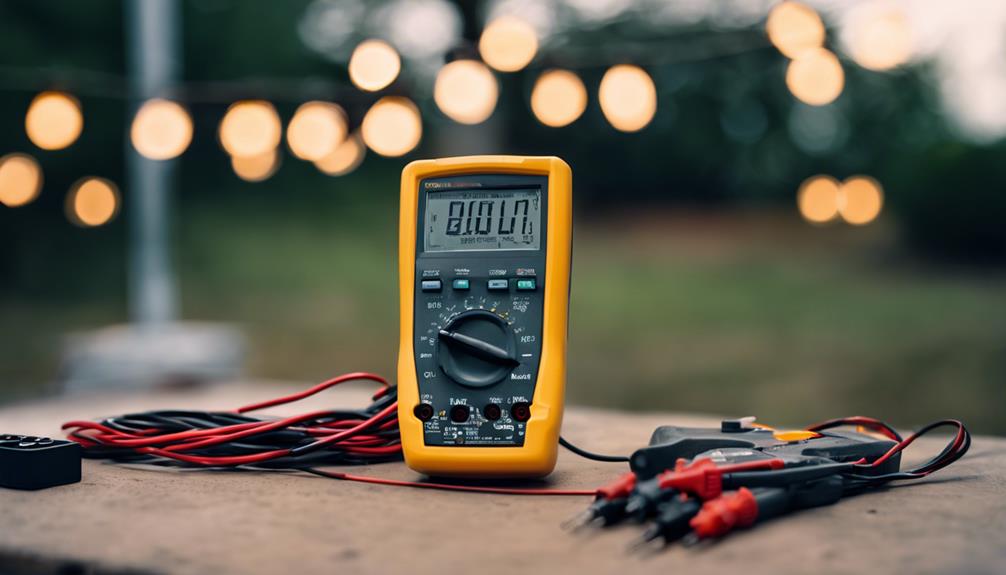
Proper field testing for LED installations involves verifying voltage levels at each fixture and current at the transformer to guarantee peak system performance. To make sure accurate field testing results, consider the following:
- Check the specified voltage input from manufacturers against actual measurements during field testing to prevent potential issues.
- LED systems pose challenges with variable VA numbers affected by resistance and voltage, underscoring the importance of thorough field testing for safety.
- Understanding the interplay between specified voltage, current, and watt values is essential for precise LED system planning during field testing.
Optimizing Efficiency in Lighting Design

Low voltage LED lighting systems offer energy-saving LED fixtures that operate at 12 or 24 volts, reducing energy consumption to a large extent.
Smart dimming controls allow for precise control and dimming capabilities, enhancing lighting design flexibility.
Task-specific lighting placement further optimizes efficiency in lighting design, ensuring the right amount of light is used in specific areas.
Energy-Saving LED Fixtures
Optimizing lighting design with energy-saving LED fixtures greatly reduces energy consumption and enhances efficiency in modern lighting systems. Energy-saving LED fixtures consume up to 80% less energy than traditional options, leading to reduced energy costs and environmental impact.
Additionally, LED fixtures have a longer lifespan, lasting up to 25 times longer than incandescent bulbs. Despite their energy efficiency, LED lighting can provide the same level of brightness as traditional options while using markedly less power.
LED fixtures are highly efficient, converting a higher percentage of energy into visible light compared to traditional bulbs. This makes them a sustainable and cost-effective choice for anyone looking to enhance their lighting design while reducing energy consumption.
Smart Dimming Controls
Enhancing lighting efficiency can be achieved through the implementation of smart dimming controls in a low voltage LED lighting system. These controls optimize energy consumption by adjusting light output in real-time, utilizing advanced sensors and algorithms to dim or brighten fixtures as needed.
By integrating with building automation systems, customized lighting schedules and scenes can be created for increased efficiency. Dimming LED lights by just 25% can result in energy savings of up to 20%, while also extending the lifespan of fixtures and reducing maintenance costs.
Advanced dimming controls offer seamless compatibility with various lighting fixtures and can be remotely managed for added convenience in a lighting system.
Task-Specific Lighting Placement
Task-specific lighting placement directs light precisely where it's most beneficial, optimizing efficiency in lighting design. By strategically positioning lights for specific tasks, energy waste is reduced, and visual comfort is enhanced. This approach minimizes glare, boosts productivity, and fosters a welcoming atmosphere.
Additionally, regarding safety, task-specific lighting guarantees that areas requiring focused illumination are well-lit, enhancing overall visibility and reducing eye strain. In lighting design, the placement of lights plays a vital role in achieving these benefits effectively.
- Proper lighting placement reduces energy waste and enhances visual comfort.
- Strategic positioning minimizes glare, boosts productivity, and creates a welcoming environment.
- Task-specific lighting enhances safety by providing adequate illumination for specific activities.
Frequently Asked Questions
How Far Can You Run Low Voltage LED Lighting?
Low voltage LED lighting can typically be run around 20-30 feet before voltage drop affects performance. Beyond this range, brightness and efficiency may decrease. Using larger wire gauges can help counter voltage drop issues over longer distances.
Factors like wire quality, temperature, and load also impact the effective range. Referring to manufacturer guidelines is essential for peak performance when extending the distance of low voltage LED lighting.
What Are Three Disadvantages of Low Voltage Lighting?
Three disadvantages of low voltage lighting include:
- The need for more fixtures to achieve the same brightness
- Susceptibility to voltage drop over long cable runs affecting light output
- Higher initial costs for some fixtures compared to line voltage systems
Additionally, specialized transformers are often required for proper operation and voltage conversion, while dimming options may be more limited than in line voltage systems.
Are Low Voltage LED Lights AC or Dc?
Essential voltage LED lights primarily operate on DC power, ensuring stable performance and efficiency. This conversion from AC to DC is vital for their functionality and longevity. By using DC power, these lights can avoid flickering, enhance energy efficiency, and prolong their lifespan.
Understanding this AC to DC conversion process is important for the proper installation and operation of low voltage LED lighting systems.
Can LED Lights Run on Low Voltage?
LED lights can indeed run on low voltage systems, typically operating below 50 volts. They're commonly used in residential, commercial, and outdoor settings due to their energy efficiency and long lifespan.
In fact, low voltage LED lighting systems offer up to 80% energy savings compared to traditional lighting sources. This makes them a popular choice for those looking to reduce energy costs while still maintaining high-quality lighting.
Conclusion
To sum up, exploring the world of low voltage LED lighting may seem complex, but with a solid understanding of voltage, current, power calculations, and system design, it becomes much more manageable.
Remember, just like a well-designed LED system, knowledge is power. So, shed light on your projects with confidence and watch them shine like a beacon in the night.