
LED lighting provides numerous advantages, such as impressive energy efficiency, long lifespan, and lower maintenance costs. Furthermore, its environmentally friendly characteristics, low heat output, customizable color options, and instant lighting make it a desirable choice. LED lights are up to 80% more energy efficient than incandescent bulbs, leading to substantial savings on electricity bills. With lifespans of up to 100,000 hours, they require fewer replacements, reducing maintenance expenses. The environmental benefits of LED lighting, including reduced energy consumption and carbon footprint, make it a sustainable option. Explore further the various benefits that LED lighting offers!
Key Takeaways
- Energy-efficient: LED lighting saves up to 80% energy compared to incandescent bulbs.
- Long lifespan: LED bulbs can last up to 100,000 hours, reducing replacement needs.
- Low maintenance: LED lights minimize maintenance costs with infrequent replacements.
- Environmentally friendly: LED lights promote sustainability by reducing waste and energy consumption.
- Instant lighting: LEDs provide immediate illumination without warm-up time for enhanced convenience.
LED light bulbs energy efficient
As an affiliate, we earn on qualifying purchases.
As an affiliate, we earn on qualifying purchases.
Energy Efficiency
LED lighting outperforms traditional incandescent bulbs in energy efficiency by up to 80%, resulting in significant savings on electricity bills. This efficiency is due to the way LED lights consume 5-8 times less energy than incandescent bulbs while providing the same level of brightness.
By using most of the energy they consume to generate light rather than heat, LED lights prove to be a cost-effective choice for consumers looking to reduce energy consumption. The substantial savings from lower energy consumption make LED lighting an attractive option for both homes and businesses alike.
Not only are LED lights energy-efficient, but they also have a longer lifespan compared to traditional bulbs, making them a durable and sustainable lighting solution. Overall, the energy efficiency of LED lights plays a key role in reducing electricity bills and environmental impact, making them a smart choice for those looking to save money and energy in the long run.
Long Lifespan
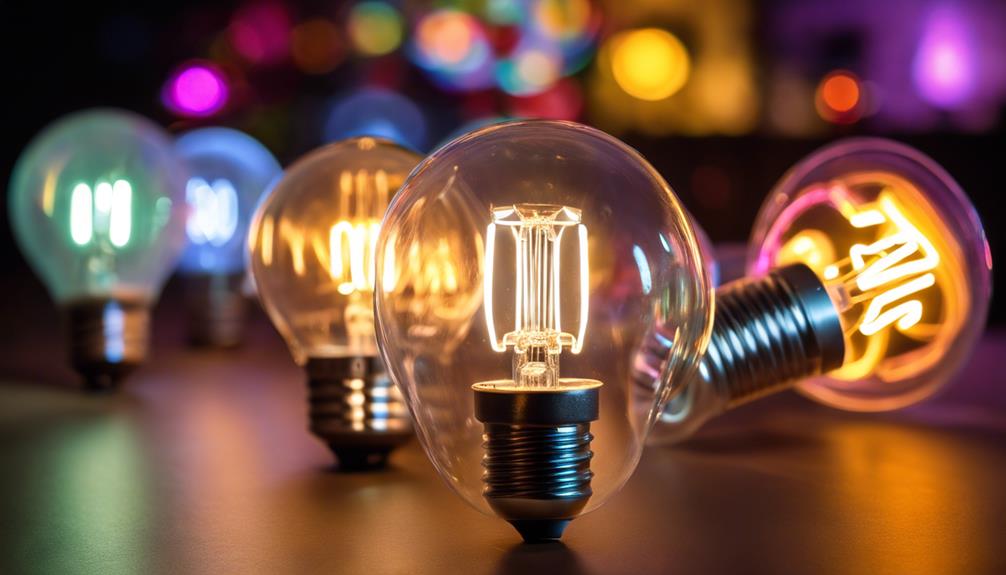
LED lighting boasts an impressive long lifespan, with bulbs lasting up to 100,000 hours, far surpassing traditional incandescent bulbs' 2,000 hours. This longevity not only reduces the need for frequent replacements but also lowers maintenance costs over time.
Additionally, the environmental benefits of fewer discarded bulbs contribute to LED lighting's sustainability.
Energy-Efficient Technology
With a lifespan of at least 50,000 hours, LED bulbs outlast traditional incandescent options, showcasing their durability and energy-saving benefits. LED bulbs are highly energy-efficient, consuming 80% less power than incandescent bulbs, making them an environmentally friendly choice in the lighting industry.
Their long lifespan not only reduces the frequency of replacements but also minimizes the disposal of mercury-containing bulbs. LED bulbs reach full brightness instantly upon being switched on, providing immediate illumination without any warm-up time.
Additionally, LED lights emit a notably higher percentage of light compared to heat, ensuring they operate more efficiently and safely. This efficiency not only saves energy but also contributes to lower electricity bills for consumers.
Reduced Maintenance Costs
Enjoying a lifespan of up to 100,000 hours, LED lights greatly reduce maintenance costs by minimizing the need for frequent bulb replacements. LED light bulbs last considerably longer than traditional incandescent bulbs, leading to lower maintenance expenses over time. The durability and longevity of LED fixtures mean they require minimal upkeep, decreasing overall maintenance costs for homeowners and businesses. Investing in LED lighting can result in long-term savings on maintenance and replacement expenses.
| Reduced Maintenance Costs |
|---|
| Long Lifespan |
| Lower Replacement Needs |
| Cost-Effective Solution |
Environmental Sustainability
The prolonged lifespan of LED lights greatly contributes to environmental sustainability by reducing the frequency of replacements and promoting energy efficiency. LED lights have a lifespan of at least 50,000 hours, with some lasting up to 100,000 hours, making them a durable and energy-efficient lighting choice.
This longevity not only decreases the need for frequent bulb changes but also minimizes waste, aiding in environmental conservation efforts. LED lights consume less power over their extended lifespan, further enhancing their eco-friendly profile.
Environmental Friendliness
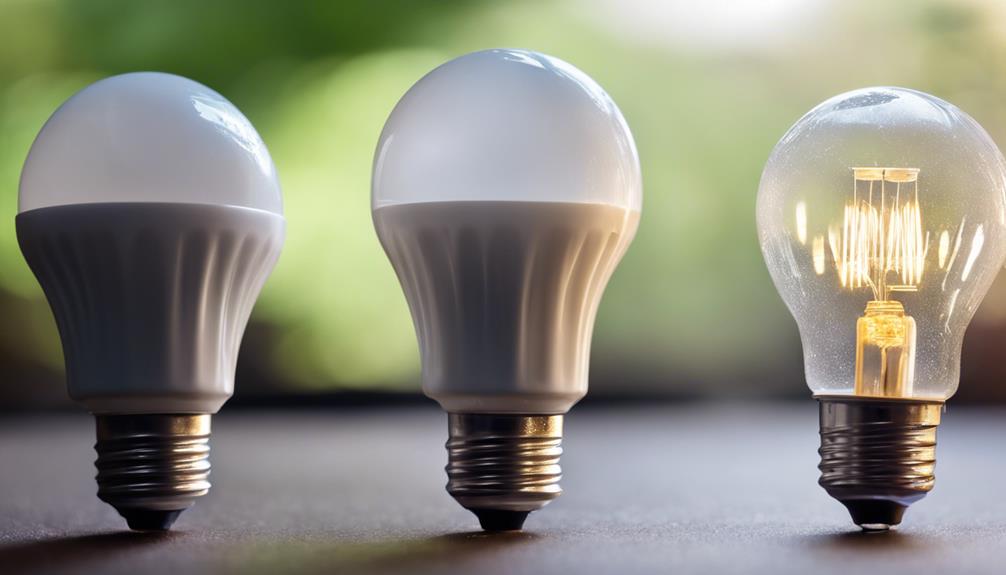
LED lighting stands out as an environmentally friendly choice due to its lack of toxic elements and energy-efficient features. Unlike CFL bulbs, LED bulbs contain no mercury, making them safer for the environment. This not only reduces the risk of hazardous waste but also minimizes the environmental impact when disposing of these bulbs.
In addition, LEDs have a longer lifespan, which means fewer bulbs end up in landfills, contributing to less waste production. The energy-efficient nature of LED lights is another factor that enhances their environmental friendliness. By consuming much less power than traditional lighting sources, LED fixtures help reduce overall energy consumption and carbon footprint.
Moreover, LED fixtures are recyclable, making them a sustainable choice for environmentally conscious consumers. Making the switch to LED lighting can have a positive impact on the environment by lowering greenhouse gas emissions and promoting a greener planet.
Low Heat Emission
LED lighting offers the benefit of low heat emission, making them an energy-efficient lighting option.
This reduced heat output not only lowers the risk of fire hazards but also contributes to a comfortable ambient temperature in living and working spaces.
With LED technology efficiently converting energy into light rather than heat, users can enjoy a safer and more pleasant lighting experience.
Energy-Efficient Lighting Option
In addition, choosing energy-efficient lighting with low heat emission can greatly decrease electricity costs and improve safety in residential and commercial spaces. LED lights are 90% more energy-efficient than incandescent and halogen bulbs, leading to significant savings. Their minimal heat emission reduces the risk of fire hazards, enhancing safety measures.
Additionally, LED bulbs have an impressive lifespan of up to 100,000 hours, providing long-term cost savings through reduced replacement needs. Furthermore, opting for energy-efficient LED lighting options not only benefits cost-effectiveness but also contributes to environmental sustainability by reducing energy consumption.
LED lights offer instant illumination and come in various multicolored options, allowing for versatile lighting effects to suit different preferences and settings.
Reduced Fire Risk
Reducing the risk of fire hazards in indoor spaces can be effectively achieved by opting for lighting options like LED bulbs with their noticeably low heat emission. LED lights emit minimal heat, making them safer than halogen and incandescent bulbs.
The heat emission from LEDs is only about 20% of the energy consumed, enhancing safety in various settings. LED technology's efficient energy conversion into light significantly reduces heat output, contributing to a safer environment.
This lower heat emission not only enhances safety but also helps in maintaining a cooler ambiance, especially in enclosed spaces. By choosing LED lighting, individuals can greatly decrease the risk of accidental fires, thanks to the minimal heat generation and improved safety features.
Comfortable Ambient Temperature
Maintaining a comfortable ambient temperature is effortlessly achieved with the low heat emission of LED lights, providing a pleasant living environment. LED lights emit minimal heat, ensuring that rooms stay cool while being well-illuminated. This characteristic makes them perfect for controlling the ambient temperature in living spaces.
Additionally, the reduced heat output of LED lights contributes to their long lifespan, making them a reliable lighting choice for any home. LED lights not only create a comfortable environment but also enhance safety by lowering the risk of fire hazards due to their low heat emission.
Enjoy the benefits of energy-efficient lighting while keeping your living spaces at a consistently comfortable temperature with LED lights.
Color Options
LED lighting provides a diverse selection of color options, catering to various preferences and needs. With choices like warm white, cool white, daylight, and RGB color-changing options, LED lights offer versatility for different settings. Color temperature customization is a significant feature of LED lighting, allowing users to create varying moods and atmospheres.
For example, adjusting the color temperature can enhance productivity in workspaces or promote relaxation in living areas. LED lights with adjustable color options are beneficial for establishing the right ambiance for different activities. Additionally, some LED fixtures allow color tuning, giving users the flexibility to modify the color temperature and brightness according to specific preferences.
The precise color rendering capability of LED technology guarantees that colors appear true to life and vibrant under the lighting, enhancing the overall visual experience. Whether it's for mood lighting, productivity enhancement, or precise color accuracy, LED lighting offers a wide array of color options to meet diverse lighting needs.
Instant Lighting

Instant lighting is an important aspect of LED lights, providing immediate illumination upon activation without the need for any warm-up time. This characteristic sets LED lights apart from traditional bulbs, as they don't require any time to reach full brightness, making them ideal for various applications.
Here are some key points to keep in mind about instant lighting with LED lights:
- LED lights provide instant illumination as soon as they're switched on.
- Unlike traditional bulbs, there's no warm-up time required for LED lights to reach full brightness.
- Instant lighting is beneficial for areas where immediate lighting is necessary, such as in emergency situations.
The instant lighting feature of LED lights not only enhances safety but also offers convenience in situations where quick and reliable lighting is essential. Whether in hospitals, security lighting, or other spaces where immediate lighting is important, LED lights prove to be a practical choice for ensuring well-lit environments promptly and efficiently.
Frequently Asked Questions
What Are the Downsides of LED Lights?
LED lights have some downsides to take into account. Compatibility issues with dimmer switches can arise, requiring specific ones for best use. Certain LED bulbs emit a cooler, blue-tinted light that may not suit all settings.
Some fixtures can create sharp shadows, affecting the overall ambiance. Not all LED bulbs are dimmable, potentially causing issues with existing dimmer switches. Enclosed fixtures may also limit LED bulb application in certain spaces.
When Should You Not Use LED Lights?
When considering where not to use LED lights, one should avoid enclosed fixtures that are incompatible to prevent reduced lifespan. Areas with high ambient temperatures can also be problematic, leading to premature failure.
Compatibility with dimmers is essential to prevent issues. LED lights emitting blue light may not be suitable for bedrooms due to potential sleep disruption.
In places where upfront cost is a concern, exploring alternative lighting options before selecting LEDs is advisable.
What Are 3 Advantages of LED Lighting?
LED lighting offers numerous advantages.
To begin with, LEDs are highly energy-efficient, consuming 90% less energy than incandescent bulbs.
In addition, they boast an impressive lifespan of up to 100,000 hours, ensuring long-term cost savings.
Lastly, LED lights are eco-friendly, containing no toxic elements like mercury.
These benefits make LED lighting a smart choice for both energy conservation and environmental sustainability.
What Are the Pros and Cons of LED Vs. Incandescent?
LED lighting offers numerous benefits over incandescent bulbs. They're highly energy-efficient, lasting up to 50,000 hours compared to incandescent's 2,000 hours. LED bulbs emit more light and less heat, enhancing safety.
However, they may not be compatible with dimmers, requiring specific switches. While LED bulbs have a higher upfront cost, they're considered a long-term investment due to their durability and efficiency.
Conclusion
To sum up, LED lighting offers numerous benefits such as energy efficiency, long lifespan, and environmental friendliness.
However, it also comes with drawbacks like higher initial cost and limited color options.
The choice to switch to LED lighting ultimately depends on individual needs and preferences.
As the saying goes, 'every rose has its thorn,' so it's important to weigh the pros and cons before making a decision.
LED lighting may not be perfect, but it certainly has its shining moments.