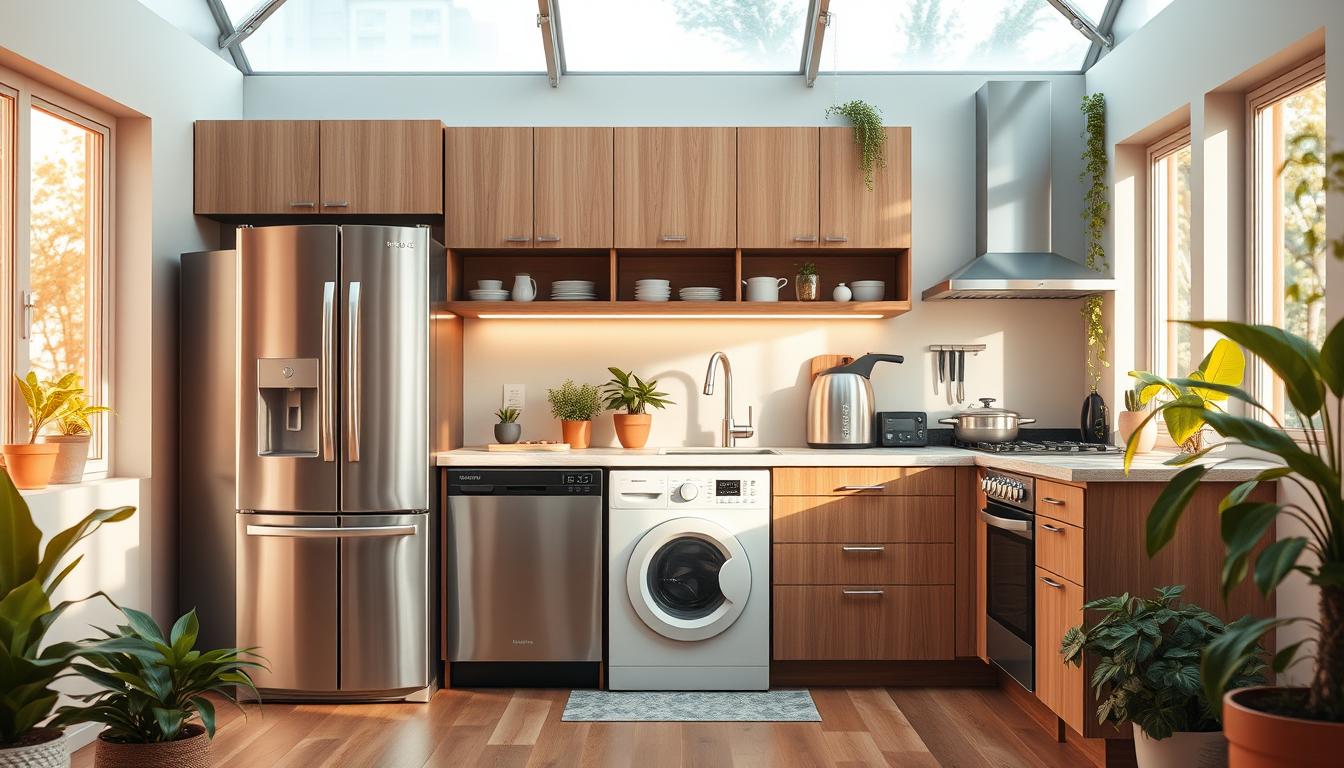
Our world is changing because of climate change. The choices you make at home are important. Have you thought about how your appliances affect your environmental footprint? Imagine this: every time you use an energy-efficient appliance, you cut down on your energy bills. But you also help our planet. This 2025 appliance buying guide is for you. It will help you choose the best eco-friendly appliances. By making smart choices, we can live more sustainably and save energy.
Key Takeaways
- Understand the significance of selecting energy-efficient appliances for your home.
- Discover eco-friendly options that enhance your sustainable living efforts.
- Learn how energy efficiency can lead to substantial financial savings.
- Explore available rebates and incentives for upgrading to energy-efficient models.
- Make informed buying decisions by understanding appliance ratings and certifications.
Understanding the Importance of Energy Efficiency
Energy efficiency is very important today. It helps us save money and take care of our planet. When you choose new appliances, knowing about energy efficiency is key. This knowledge helps us plan our budget better. It also helps us live in a way that’s better for the Earth.
What Makes Appliances Energy Efficient?
Energy-efficient appliances use advanced technology and better materials. This means they use less energy than older models. Here are some key features:
- Improved insulation that reduces heat loss.
- Efficient motors that consume less electricity.
- Smart energy management systems that optimize performance.
Research shows that new energy-efficient appliances use a lot less energy. They use only one-third of the energy used by appliances from 1973. This big drop in energy use means these appliances are great for the planet. They also work very well.
The Environmental and Financial Benefits
Going green has many perks. Energy-efficient appliances save a lot of money. On average, they can save up to $450 a year in the U.S. For example, Energy Star appliances, like heat pumps, can cut $160 a year from your energy bills. This means more money in your pocket now and lower bills in the future.
Being eco-friendly also helps fight climate change. Homes and offices are big sources of greenhouse gases. About 13% of these gases in the U.S. come from them. By choosing efficient appliances, you help reduce harmful emissions. The Energy Star program has already stopped about 4 billion metric tons of emissions. This shows that being energy efficient is good for our wallets and our planet.
| Appliance Type | Annual Savings ($) | Energy Consumption (kWh/year) |
|---|---|---|
| Energy-Efficient Refrigerator | 150 | 300 |
| Energy-Efficient Washing Machine | 70 | 150 |
| Energy-Efficient HVAC System | 160+ | 600 |
Choosing energy-efficient appliances does more than save money. It makes you part of a bigger effort. This effort aims to use less energy and reduce harm to our environment.
As an affiliate, we earn on qualifying purchases.
Overview of Energy-Efficient Appliances
Energy-efficient appliances are now key for homeowners wanting to cut energy use and bills. Knowing the different energy-efficient appliances helps in making wise home additions. These advanced appliances perform well and save energy and money, unlike traditional ones.
Common Types of Energy-Efficient Appliances
- Refrigerators
- Dishwashers
- Washing machines
- HVAC systems
Many energy-efficient appliances have ENERGY STAR ratings. These ratings mean they follow strict U.S. EPA energy guidelines. Look for this label when you shop.
How They Compare to Traditional Appliances
Energy-efficient versus traditional appliances show clear differences. They use 10-50% less energy. An ENERGY STAR fridge can save hundreds of dollars, making it a smart choice. Traditional appliances may look cheaper at first but cost more in energy bills, reducing their value over time.

Understanding EnergyGuide Labels
When you’re buying appliances, look for the EnergyGuide label. It’s key for knowing how much energy an appliance needs. It shows the yearly energy use and the estimated yearly cost. This helps you choose appliances wisely.
Interpreting the EnergyGuide Label
An EnergyGuide label has a yellow background and shows how much energy the appliance uses. It lists average yearly energy use and cost. This helps you compare it to other appliances. Not all items have this label, but many do, like fridges and dishwashers. This info helps you understand cost before you buy.
How to Use the EnergyGuide Label in Your Shopping
Use EnergyGuide labels to make smart shopping decisions. Look at your budget and the label’s operating cost estimate. This way, you find appliances that are energy-efficient and budget-friendly. If you don’t see the label, check the manufacturer’s website for info.

| Appliance Type | Typical Energy Consumption (kWh/year) | Estimated Annual Operating Cost ($) |
|---|---|---|
| Refrigerator | 400 – 700 | $45 – $80 |
| Dishwasher | 300 – 500 | $34 – $57 |
| Washing Machine | 480 – 900 | $53 – $100 |
| Clothes Dryer | 180 – 500 | $20 – $57 |
| Television | 100 – 300 | $11 – $34 |
EnergyGuide labels let you compare the energy use and costs of appliances. Making informed choices saves money and is good for the environment.
Benefits of ENERGY STAR Certification
The ENERGY STAR program is led by the U.S. Environmental Protection Agency. It encourages us to choose energy-efficient products. By doing so, we can save energy and protect our environment.
What is the ENERGY STAR Program?
This program highlights energy-efficient products and practices. If a product has the ENERGY STAR certification, it means it uses less energy. You can find thousands of products that are good for your home and the planet.
Advantages of Choosing ENERGY STAR Certified Products
Choosing ENERGY STAR certified products comes with benefits:
- Energy Savings: They use less energy, saving you money on bills.
- Environmental Impact: You help reduce greenhouse gas emissions by buying these products.
- Enhanced Home Value: Energy-efficient appliances can boost your home’s resale value.
- Government Incentives: There are federal and local incentives that can help you save even more money.

ENERGY STAR products might cost more at first, but they save money in the long run. Choosing them helps us live more sustainably. This choice benefits not only you but also your community and our planet.
Financial Incentives for Energy-Efficient Appliances
Buying energy-efficient appliances helps the planet and saves you money. There are many incentives available. They make upgrading your home with energy-saving products more affordable.
Tax Credits Available Through 2032
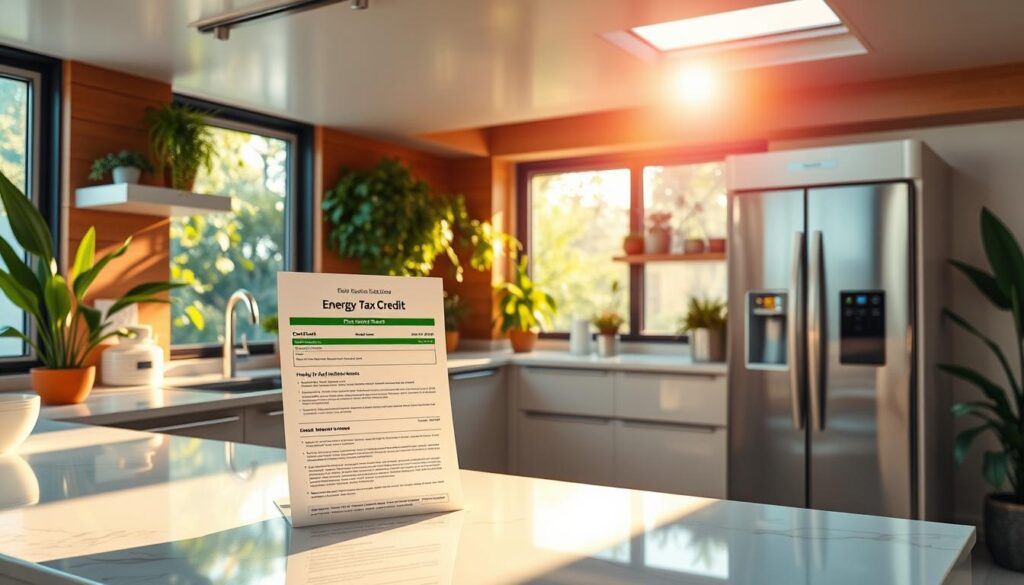
The Inflation Reduction Act of 2022 brought new tax credits for energy-efficient buys. Homeowners can get a 30% tax credit for making their homes more energy efficient. They can get up to $1,200 a year from this.
For certain items like heat pumps or biomass stoves, the credit can go up to $2,000 each. All in all, you could get up to $3,200 back if you’re eligible.
State and Local Rebates
Beyond federal tax breaks, states and local areas also offer rebates to encourage energy efficiency. These rebates can lower the initial cost of buying green appliances. For instance:
- Rebates up to $8,000 for retrofit projects that save more energy.
- And up to $14,000 for new electric appliances, helping those with lower incomes.
Think about looking into loans, like home equity or personal ones, for more savings. Using these tax credits and rebates, you can choose sustainable, cost-effective options.
| Incentive | Details |
|---|---|
| Federal Tax Credit | 30% credit up to $1,200 annually; up to $3,200 for specific appliances. |
| Heat Pumps and Biomass Stoves | Up to $2,000 credit for qualified purchases. |
| State Rebates | Up to $8,000 for retrofit projects; up to $14,000 for new electric appliances. |
Home Electrification and Appliance Rebates (HEAR)
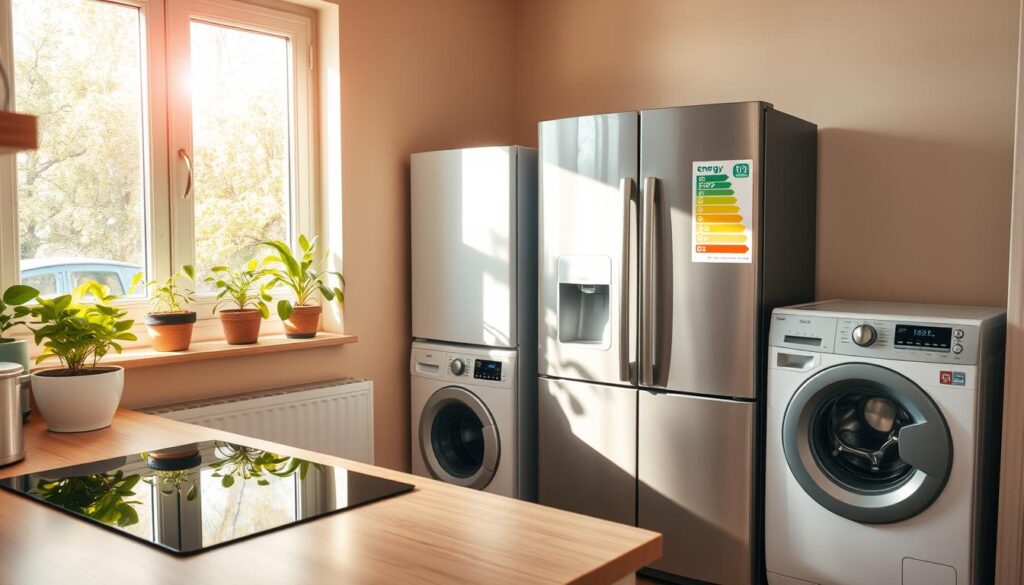
The Home Electrification and Appliance Rebates (HEAR) initiative makes electric appliances more affordable for homeowners. By 2025, these rebates will support the move to electric solutions like heat pumps and electric stoves. This shift can lower energy bills and improve home efficiency.
Understanding Electrification Rebates
HEAR programs are part of a push towards cleaner energy. They will start offering state-level rebates after 2025. Homeowners will get incentives for electric appliances, helping both their wallets and the state’s energy-efficiency goals.
Eligibility for Electrification Rebates After 2025
To get these rebates, stay updated on state program criteria. Eligibility depends on your income and household size. The focus is on assisting lower-income families, enabling wide participation in saving energy. Here’s an overview:
| Eligibility Criteria | Description |
|---|---|
| Income Threshold | Less than 80% to 150% of Area Median Income (AMI) |
| Types of Housing | Applicable to owners and renters of single-family and multi-family homes |
| Rebate Range | Typically $2,000 to $16,000, depending on various factors |
| Installer Requirement | Rebates must utilize a qualified contractor |
| Integration with Existing Programs | Eligible for coordination with programs like LIEAP and WAP |
Home Efficiency Rebates (HER)
Home Efficiency Rebates (HER) help homeowners who upgrade to save energy. These rebates encourage less energy use. They will start in various states in 2025.
How HER Programs Work
HER rewards you for making your home more efficient than a set standard. To get these rebates, your upgrades must cut down on energy significantly. For instance, projects need at least a 20% energy savings to qualify. Those that save 35% or more get even bigger rebates.
- The IRA sets aside $8.8 billion for energy efficiency efforts in 2025.
- Households earning 80% or less of the area median income (AMI) get more help.
- Eligible upgrades include better insulation, efficient HVAC systems, and ENERGY STAR windows.
Expected Launch of HER in Various States
Many states are getting ready for HER programs. For example, Connecticut will receive about $49.8 million for HER. They’re also getting $49.7 million for electrification projects. The Department of Energy is reviewing applications for a smooth start in 2025.
Prepare to show how your upgrades reduce energy. These rebates not only reward savings but also help our planet.

Key Considerations When Buying Appliances
When you decide to buy energy-efficient appliances, you have a lot to think about. It’s not just about paying for them. You need to know how much space you have and what others think about these products. This makes your choice much easier.
Measuring Space for Your New Appliances
Before you buy anything, you must measure where you’ll put your new appliances. This ensures they will fit just right. And you won’t have to deal with the stress of returning them or facing installation issues. Keep these tips in mind:
- Measure height, width, and depth of your designated appliance space.
- Account for doorways and hallways to ensure smooth transport.
- Leave space for proper ventilation, especially for refrigerators and ovens.
Reading Product Reviews and Ratings
Looking at reviews gives you important info that goes beyond just the star rating. Focus on comments about how the appliance works, its energy use, and if people liked the service they got. When checking reviews, remember these points:
- Seek opinions on energy use and operational costs.
- Discover any recurring issues or common praises among users.
- Consult expert reviews for in-depth assessments of product reliability.
Using different sources to find reviews helps you get a full picture of the appliance’s pros and cons. This strategy helps you make better choices when picking energy-saving appliances for your home.

| Appliance | Key Features | Energy Efficiency |
|---|---|---|
| CHEF iQ Smart Pressure Cooker | Step-by-step video instructions | Promotes efficient cooking times |
| Vitamix Explorian Blender | Ten variable speeds for texture | Less energy consumption in operation |
| Cosori Air Fryer TurboBlaze | Uses up to 95% less oil | Healthier cooking method |
| KitchenAid Artisan Stand Mixer | Available in over 20 colors | Energy-efficient mixing functionality |
| Ultenic Cordless Vacuum Cleaner U12 | Tangle-free roller brush | Efficient for pet owners |
Energy-Efficient Appliances: Complete Buying Guide for 2025
Choosing energy-efficient appliances wisely can save you money and support sustainability. This guide offers insights to help you sort through your options. Knowing about energy efficiency standards and product certifications is crucial. It ensures smart buying decisions, focusing on long-term savings.
How to Make a Smart Purchase
Begin by looking into ENERGY STAR certifications. This mark means the appliance saves energy and works well. Think about the total cost, including purchase price and future operating expenses. Features like programmable settings and smart technology are important, too.
- Programmable settings for optimal energy use
- Smart technology for monitoring and managing consumption
- Reputable certifications
These features can make your shopping smarter and give long-term benefits.
What to Look for in Quality and Efficiency
Quality and efficiency are key in choosing appliances. Go for brands known for lasting and performing well. Durable materials and new technology make appliances more efficient and easier to use.
As the market evolves, so do appliances, with brands introducing features that improve your experience. Selecting top brands usually means better performance and longer life. This leads to savings and satisfaction with your purchase.

| Feature | Benefits |
|---|---|
| Programmable Settings | Optimizes energy use based on your schedule |
| Smart Technology | Allows monitoring of usage patterns for better management |
| ENERGY STAR Certification | Assures quality and energy savings |
| Durable Materials | Ensures longevity and reliable performance |
Concentrate on these factors for smart and energy-efficient home appliance choices. This aligns with your budget and lifestyle while enhancing energy efficiency.
Installation and Maintenance of Energy-Efficient Appliances
Investing in energy-efficient appliances means proper installation and maintenance are key. It’s important to know if you should hire a pro or do it yourself. Taking care of your appliances the right way boosts their lifespan and saves energy.
Professional Installation vs. DIY
Deciding on professional installation or DIY depends on how skilled you are and the appliance’s complexity. Pros guarantee the best setup and maintain warranties. They offer appliance installation tips specific to your model, improving its efficiency and function.
Regular Maintenance Tips to Ensure Efficiency
Keeping your energy-efficient appliances in top shape requires regular care. Here are some key habits to adopt:
- Keep appliances clean to prevent dust buildup and ensure efficient operation.
- Check seals and fittings regularly to avoid energy loss.
- Follow the manufacturer’s maintenance schedule for optimal performance.
- Adjust settings according to usage to enhance energy savings.

Sticking to these tips helps your appliances run better, saves you money, and helps the planet. It’s the smart way to manage your energy usage.
Conclusion
Making the switch to energy-efficient appliances does a lot of good. It helps our planet and saves you money too. Homes waste about 30% of their energy, making efficient appliances a smart choice. By choosing these, you can cut down on energy use and enjoy lower bills. For instance, smart thermostats could save you up to $180 a year. Also, LED bulbs are up to 90% more efficient than old ones.
There are also plenty of financial perks to help you switch. The government offers up to $1,200 for home upgrades, and states might give you more savings. This all shows how committed we are to a green future. The Inflation Reduction Act of 2022 put $370 billion towards this cause. So, keeping up with these benefits is key to getting the most out of them.
To really live sustainably, it’s about the choices we make and how we use our appliances. Things like air-drying clothes and turning off gadgets when not in use make a difference. Along with energy-saving appliances, these habits lower energy use. By adopting this lifestyle, we’re working towards a greener future. It’s all about being mindful of our energy habits.
FAQ
What are energy-efficient appliances?
Energy-efficient appliances are made to use less electricity but work as well as traditional ones. They use new technology and materials to cut down on energy use. This helps lower your electricity bills.
Why should I choose energy-efficient appliances?
Choosing these appliances cuts your energy bills and helps the planet. They use 10-50% less energy than old-fashioned appliances. This reduces harmful emissions and lessens strain on power supplies.
How do I interpret EnergyGuide labels?
EnergyGuide labels show how much energy an appliance uses and its yearly operating cost. By comparing labels, you can pick products that fit your budget. It shows you how much energy it uses each year and the cost.
What is the ENERGY STAR program?
The ENERGY STAR program, started by the U.S. Environmental Protection Agency, promotes efficient products. Products with the ENERGY STAR label use less energy. This saves money and is better for the environment.
What financial incentives are available for purchasing energy-efficient appliances?
You can get tax credits and rebates for buying energy-efficient appliances. Tax credits can be as high as ,200 thanks to the Inflation Reduction Act. State and local rebates can also save you money upfront.
What are HEAR initiatives and how do they benefit me?
HEAR initiatives make eco-friendly appliances more affordable with rebates and incentives. By choosing appliances like heat pumps and electric stoves, you can significantly lower your energy costs. These initiatives promote the use of clean energy.
How do Home Efficiency Rebates (HER) programs work?
HER programs reward you for making your home more energy-efficient. Starting in 2025, these programs will be available in various states. You’ll need to show how you’ve improved your home to get benefits.
What should I consider when measuring space for new appliances?
Make sure to measure your space accurately before buying new appliances. It ensures they will fit well and work right. Avoiding return issues or problems after you’ve bought them.
How can I ensure I’m making a smart appliance purchase?
Look into energy efficiency, check ENERGY STAR certifications, and consider total costs. Opt for appliances that offer better efficiency, reliability, and come from reputable brands. This ensures quality and longevity.
What maintenance tips should I follow to keep my energy-efficient appliances running well?
Regular care keeps appliances efficient. Clean them and check settings often. Seasonal checks of seals and fittings are important, too. Following the maker’s upkeep advice makes them last longer and work better.