Many homeowners overlook essential maintenance that can extend appliance life and boost efficiency, like cleaning refrigerator coils, inspecting dryer vents, replacing air filters, and descaling coffee makers. Tightening loose connections, calibrating oven temperatures, and examining seals prevent leaks and save energy. Running regular dishwasher cycles and monitoring power use also make a difference. Staying on top of these tasks can save money and avoid costly repairs—if you keep up, you’ll uncover even more helpful tips.

Get furniture and decor delivered free with Prime
- Fast, free delivery on millions of items
- Prime Video, Amazon Music and more included
- Member-only deals all year
Key Takeaways
- Regularly clean refrigerator coils to prevent dust buildup, improve efficiency, and extend appliance lifespan.
- Inspect and clear dryer vents annually to reduce fire risk and ensure optimal drying performance.
- Check and replace air filters monthly or seasonally to maintain indoor air quality and appliance efficiency.
- Examine gaskets and seals for cracks or damage to prevent leaks and energy loss.
- Descale coffee makers and kettles regularly to prevent mineral buildup and maintain their efficiency.
refrigerator coil cleaning brush
As an affiliate, we earn on qualifying purchases.
As an affiliate, we earn on qualifying purchases.
Cleaning Refrigerator Coils
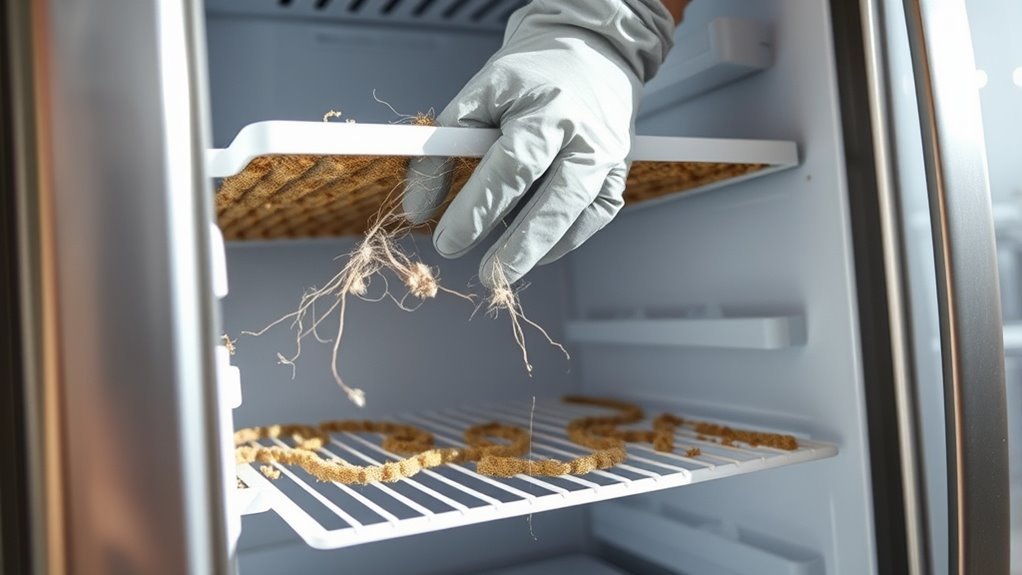
Cleaning your refrigerator coils is an essential step to guarantee your appliance runs efficiently. Over time, dust buildup can accumulate on the coils, reducing their ability to release heat effectively. This causes the compressor to work harder, increasing energy consumption and wear. Additionally, if dust isn’t removed regularly, it can lead to coil corrosion, which damages the metal and shortens the coil’s lifespan. To clean them, unplug your fridge, locate the coils (usually at the back or underneath), and gently remove dust with a brush or vacuum attachment. Regular cleaning prevents dust buildup and coil corrosion, helping your refrigerator operate smoothly and saving you money on energy bills. Keep in mind that lifestyle habits like regular maintenance can greatly extend the life of your appliances. Don’t overlook this simple but crucial maintenance task for your appliance’s longevity.
Checking and Replacing Air Filters
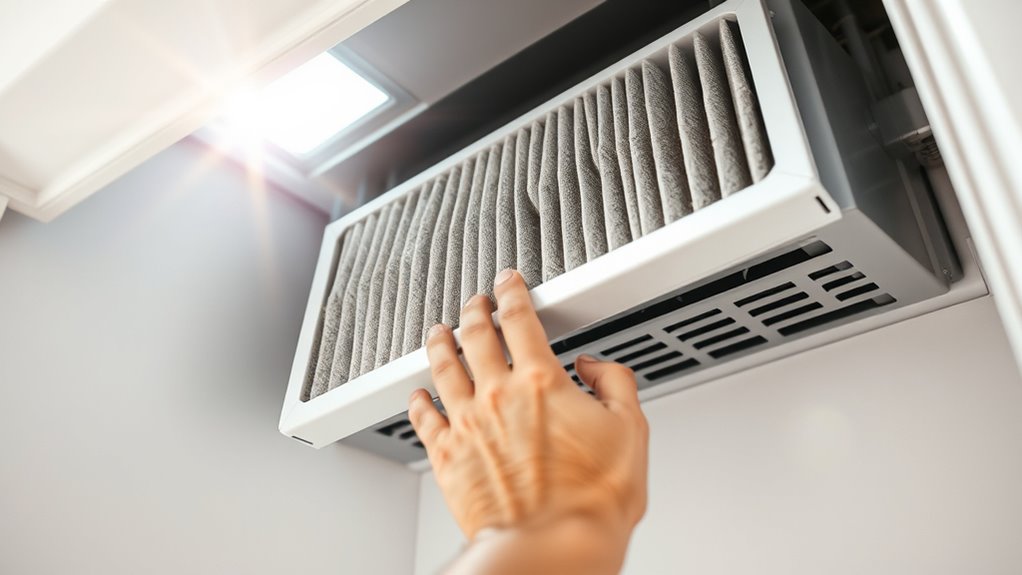
Have you checked your air filters lately? Regularly inspecting and replacing them keeps your home’s air clean and your appliances running efficiently. There are different air filter types, such as fiberglass, pleated, and electrostatic, each with varying filter replacement frequency. For example:
| Air Filter Type | Recommended Replacement Frequency | Benefits |
|---|---|---|
| Fiberglass | Every 30 days | Budget-friendly, basic filtering |
| Pleated | Every 90 days | Better filtration, longer life |
| Electrostatic | Every 60-90 days | Removes smaller particles |
Knowing your filter type helps you avoid neglect. Check filters monthly, especially during peak seasons, and replace them as recommended to maintain ideal airflow and indoor air quality. Regular filter maintenance is essential for air purifier effectiveness.
Inspecting and Clearing Dryer Vents
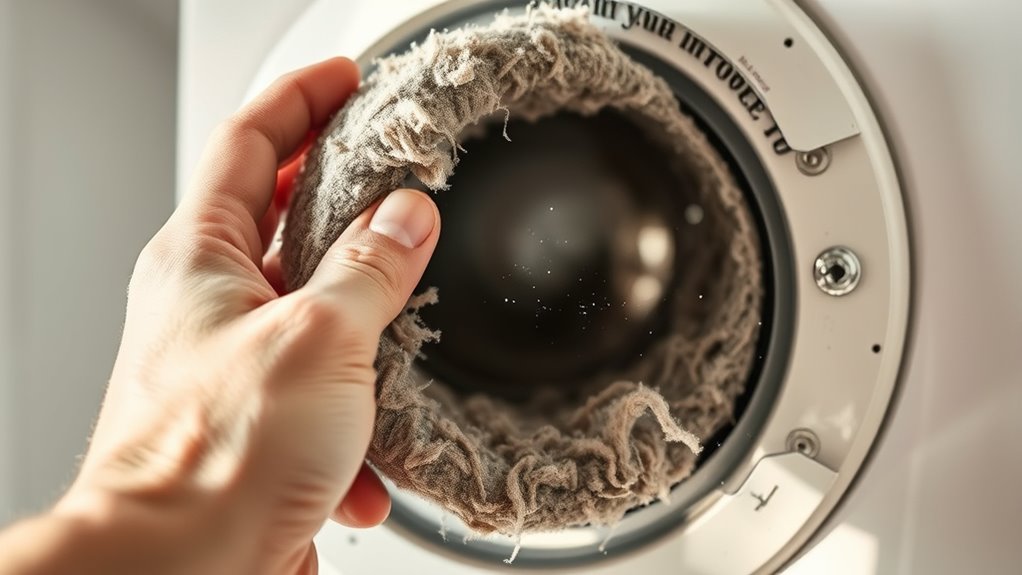
Regularly inspecting and clearing your dryer vent is essential to prevent fire hazards, improve dryer efficiency, and reduce energy costs. Over time, lint buildup accumulates inside the vent, restricting airflow and increasing the risk of a fire. To keep your dryer running safely, detach the vent hose and check for lint clogging. Use a vacuum or a vent brush to remove debris thoroughly. Guarantee the vent outside your home is clear of obstructions like leaves or bird nests. Regular maintenance prevents longer drying times, lowers energy bills, and keeps your appliance operating safely. Making proper vent care part of your routine can significantly extend the lifespan of your dryer. Make it a routine to inspect and clean your dryer vent at least once a year, especially if you notice longer drying cycles or musty odors. Proper vent care is a simple step to extend your dryer’s lifespan.
Descaling Coffee Makers and Kettles
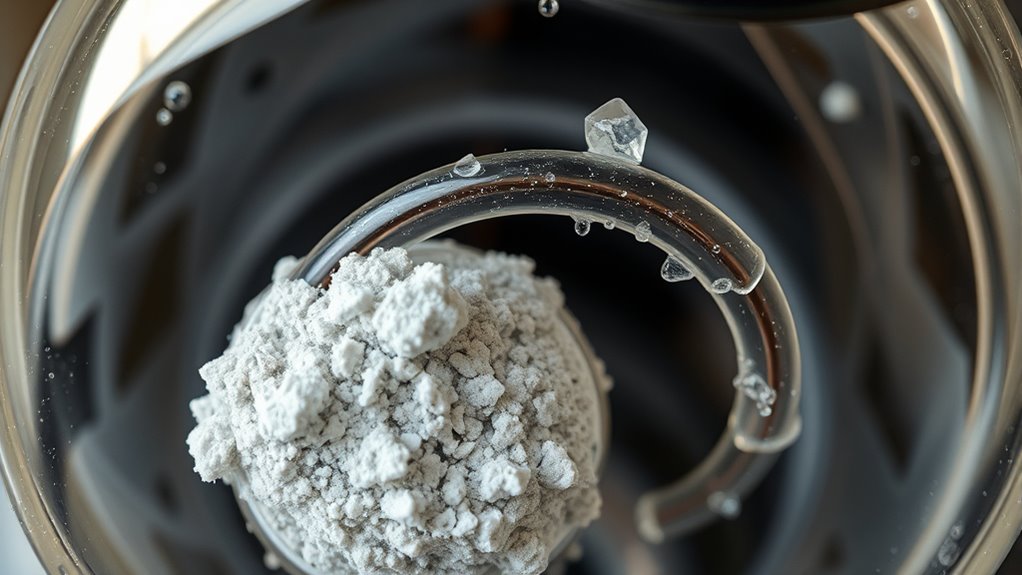
Ever wondered why your coffee tastes off or your kettle takes longer to boil? That’s likely due to water hardness causing mineral buildup inside your appliances. Over time, minerals like calcium and magnesium accumulate on heating elements and inside tubes, reducing efficiency. Descaling your coffee maker and kettle regularly removes this buildup, ensuring better taste and faster boiling. Use a descaling solution or a mixture of equal parts white vinegar and water. Run the solution through your appliance, then rinse thoroughly with fresh water. Regular descaling prevents clogs, prolongs appliance life, and maintains ideal performance. In addition, maintaining proper color accuracy in your appliances can help monitor their condition and performance more precisely. Don’t skip this step—your coffee will taste fresher, and your kettle will heat more quickly, saving you energy and money in the long run.
Tightening Loose Appliance Connections
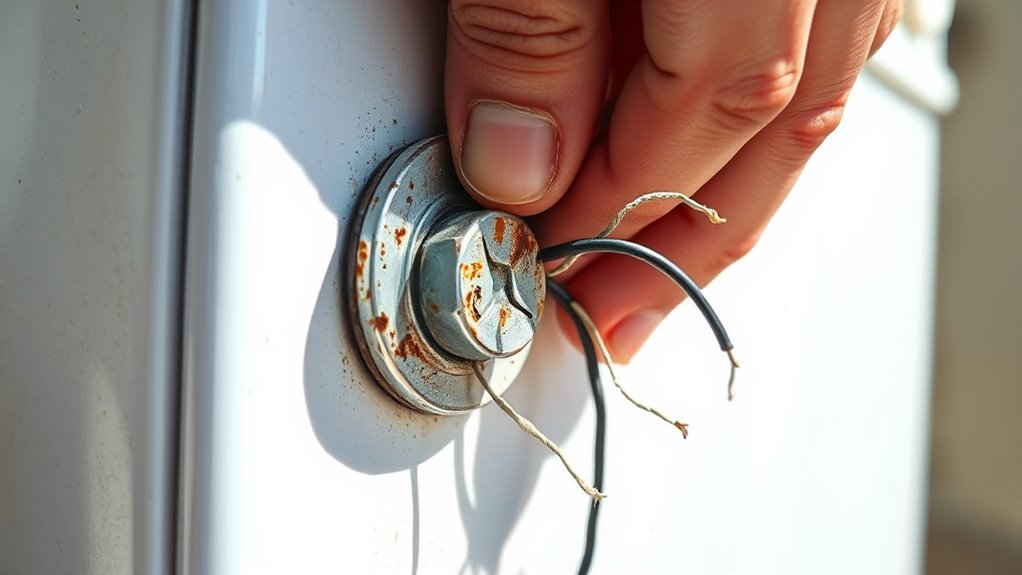
You might notice appliances making strange noises or not working properly—that’s often a sign of loose fittings. To fix this, you’ll need basic tools like screwdrivers or pliers to tighten connections securely. Ensuring these fittings are tight helps keep your appliances running smoothly and safely. Regular maintenance of appliance connections can prevent more serious issues down the line.
Signs of Loose Fittings
Loose fittings in appliances often reveal themselves through noticeable signs that shouldn’t be ignored. You might notice water leaks around hose fittings or pipe joints, which indicate they’re not secure. Dripping sounds or moisture buildup near connections are clear warnings. Additionally, inconsistent water pressure or sudden drops can signal loose fittings causing leaks or blockages. If you see corrosion or mineral deposits around fittings, it’s a sign that they’re not tight enough and need attention. Sometimes, fittings may feel loose to the touch or turn easily when checked. Addressing these signs early saves you from bigger problems like water damage or appliance failure. Regularly inspecting hose fittings and pipe joints helps catch loose connections before they cause costly damage.
Tools for Tightening
To effectively tighten loose appliance connections, having the right tools on hand is essential. Hand tightening tools, like adjustable wrenches or pliers, allow you to secure fittings without over-tightening. For more precise control, especially on delicate or sensitive parts, torque wrenches are invaluable—they help you apply the correct amount of torque, preventing damage. Using these tools ensures connections are snug and secure, reducing leaks and malfunctions. Keep a set of basic hand tightening tools in your toolbox for quick fixes, and invest in a torque wrench for tasks that require accuracy. Properly tightened connections not only improve appliance performance but also extend their lifespan. Being aware of proper tightening techniques can further enhance your maintenance skills and prevent common issues. With the right tools, you can confidently maintain your appliances and avoid future issues.
Calibrating Oven and Thermostat Settings
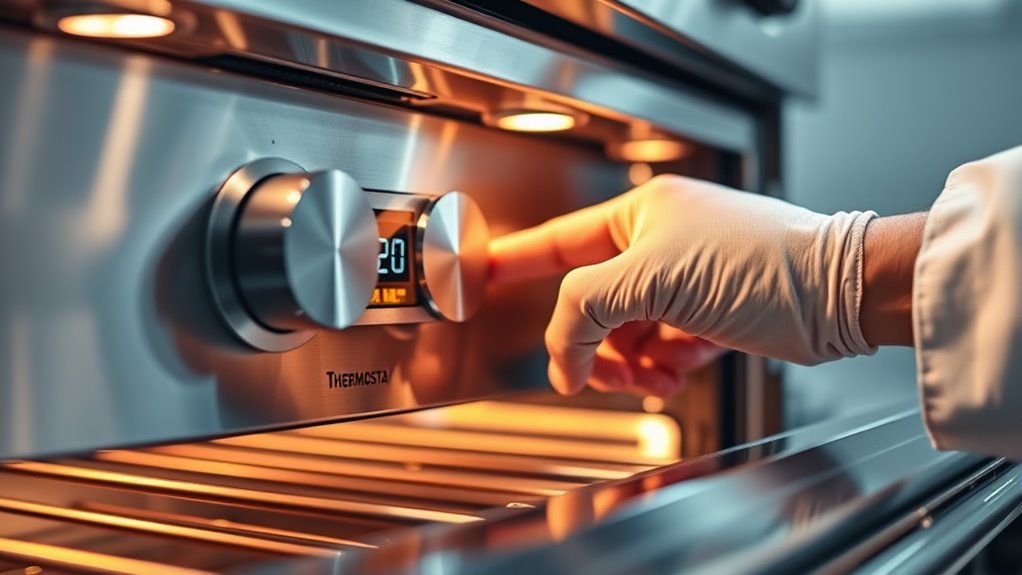
To guarantee your oven heats accurately, you should start by checking its temperature with a reliable thermometer. If the readings are off, you can adjust the oven settings or use calibration tools to fine-tune the temperature. Proper calibration helps your appliance perform at its best and prevents uneven cooking. Additionally, understanding the importance of vetted appliances can ensure you choose the most reliable tools for maintenance and calibration.
Checking Temperature Accuracy
Ensuring your oven and thermostat are accurately calibrated is essential for consistent cooking results. To check temperature accuracy, use an oven thermometer placed in the center of the oven. Set your oven to a specific temperature, like 350°F, and compare the thermometer reading to the set temperature. If there’s a discrepancy, it indicates a need for proper temperature calibration. Regularly verifying thermostat accuracy helps prevent undercooked or burnt dishes. Additionally, understanding best appliance maintenance practices can prolong the lifespan of your oven and ensure optimal performance.
Adjusting Oven Settings
Adjusting your oven’s calibration is a straightforward way to guarantee it cooks food accurately. Proper calibration enhances baking performance and ensures your dishes turn out just right every time. Before making adjustments, ensure oven safety by unplugging the appliance or turning off the power. Many ovens have calibration options in their control settings, allowing you to fine-tune the temperature. If your oven runs consistently hot or cold, use a reliable oven thermometer to identify discrepancies. Once calibrated, your oven will heat more precisely, reducing undercooked or burnt results. This simple step helps maintain oven safety by preventing overheating and improves baking performance, so your baked goods come out perfect. Regular calibration keeps your appliance functioning at its best and extends its lifespan. Understanding oven calibration can help you troubleshoot common issues effectively.
Using Calibration Tools
Using calibration tools is essential for accurately setting your oven and thermostat. They help guarantee appliance accuracy, preventing undercooked or burnt meals. To calibrate, you’ll need a reliable thermometer, a screwdriver, and your oven’s calibration instructions. Here’s a simple visual:
| Tool | Purpose | Usage Tip |
|---|---|---|
| Oven thermometer | Checks actual oven temperature | Place in center for best results |
| Calibration chart | Guides adjustments | Follow manufacturer’s steps |
| Screwdriver | Adjusts thermostat settings | Turn slowly to avoid overcorrection |
Using these calibration tools, you’ll maintain your appliance’s precision, saving energy and extending its lifespan. Regular calibration guarantees your oven heats accurately, making cooking safer and more predictable. Properly calibrating your oven can improve cooking results and energy efficiency. Don’t skip this step for peak appliance performance.
Examining Seals and Gaskets for Wear
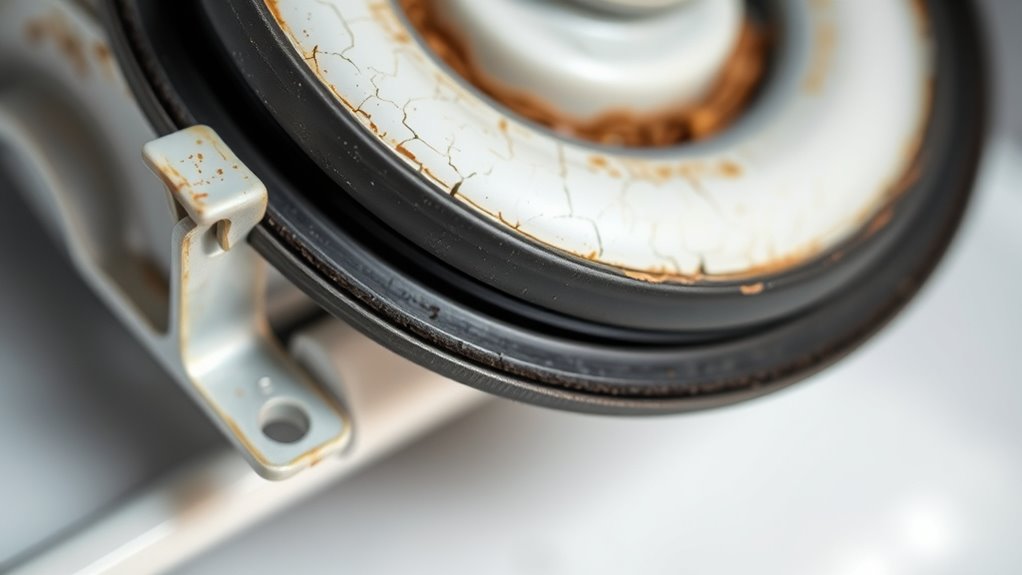
Have you ever noticed leaks or reduced efficiency in your appliance? Check the door seals and gaskets regularly. Over time, door seals can develop cracks or become brittle, leading to leaks. Gasket corrosion is another common issue, especially in humid environments or if you use harsh cleaning chemicals. Inspect the seals for visible damage, tears, or gaps. If you see any cracks or the gasket feels loose or warped, it’s time to replace it. Properly sealing gaskets prevent water or air leaks, saving energy and preventing damage to your appliance. Keep an eye on the condition of these parts, and don’t ignore signs of wear—they’re essential for your appliance’s performance and longevity. Regular inspection can save you money and hassle in the long run.
Running Maintenance Cycles on Dishwashers
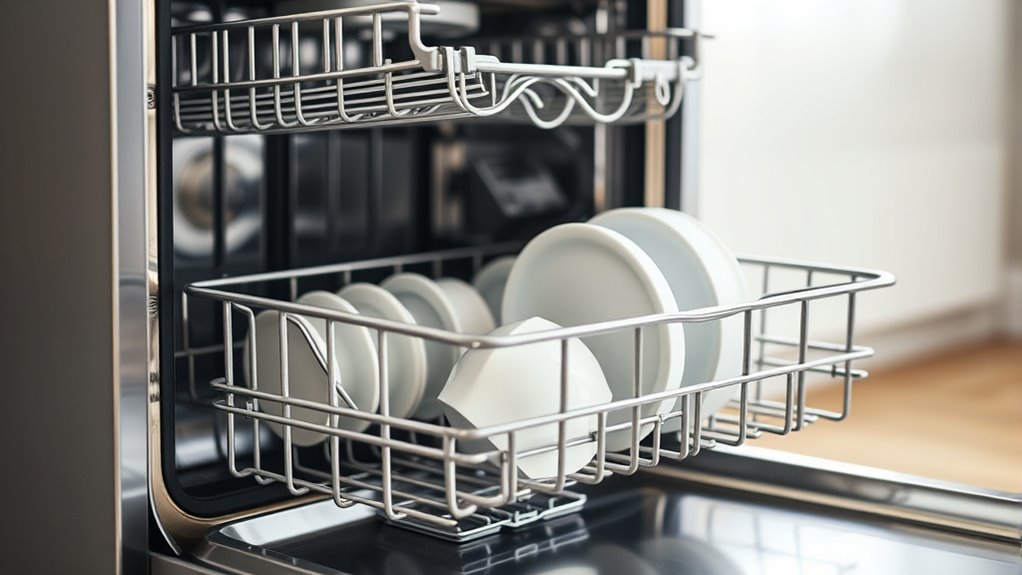
Regularly running maintenance cycles on your dishwasher helps keep it clean and functioning efficiently. To do this, start by running an empty cycle with dishwasher detergent to remove grease, soap scum, and mineral buildup. Choose a hot water setting for thorough cleaning. Afterward, run a rinse cycle with just water to flush out any remaining debris. This rinse cycle helps clear out residue and ensures your dishwasher stays fresh. You can also add a dishwasher cleaner or vinegar during the maintenance cycle for extra deodorizing and cleaning power. Performing these cycles every month or so prevents clogs, keeps the spray arms working properly, and extends the appliance’s lifespan. Regular maintenance cycles are a simple yet effective way to maintain ideal performance.
Monitoring and Managing Appliance Power Usage
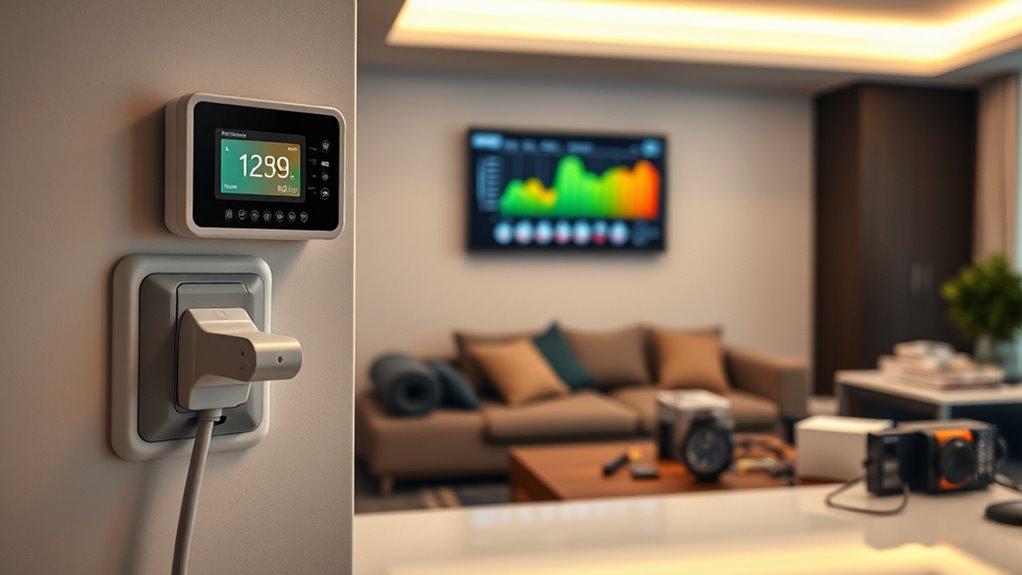
Keeping your appliance running smoothly isn’t just about maintenance cycles; it’s also about understanding and controlling how much power they use. Monitoring your appliance’s energy consumption helps you identify devices that drain excessive power, saving you money and reducing your environmental impact. Power monitoring tools, like smart plugs or energy meters, give real-time data on usage, allowing you to adjust habits or settings for efficiency. Regularly reviewing this data helps prevent overheating, overuse, and unnecessary wear. By managing appliance power usage proactively, you extend their lifespan and keep energy bills in check. Incorporate power monitoring into your routine to stay informed and make smarter choices about your appliances’ energy consumption. It’s a simple step that yields significant benefits.
Frequently Asked Questions
How Often Should I Perform These Appliance Maintenance Tasks?
You should perform appliance maintenance tasks every few months to keep them running smoothly. Regular DIY tips, like cleaning filters and checking for leaks, help prevent costly repairs and boost efficiency. For example, cleaning your dryer vent quarterly can save you money on energy bills and extend its lifespan. Staying consistent with these tasks guarantees your appliances stay reliable, saving you money in the long run and avoiding unnecessary replacements.
Are There Specific Tools Needed for Each Maintenance Step?
You’ll want to check tool compatibility before starting maintenance, guaranteeing your tools suit each appliance. Many maintenance kits come with the right tools for specific jobs, simplifying the process. For example, a screwdriver set with various heads works for most appliances. Keep a basic toolkit handy, and use the recommended tools from your appliance’s manual or maintenance kits to avoid damage and ensure a smooth, effective upkeep.
What Signs Indicate My Appliance Needs Professional Repair Instead?
Your appliance is signaling for professional repair when it acts like a stubborn mule—refusing to run smoothly or making strange noises. If DIY fixes don’t solve the problem or if it’s still under warranty, it’s best to call in experts. Ignoring these signs can lead to bigger issues, voiding your warranty coverage and costing more in the long run. Trust your instincts and get professional help when needed.
Can Regular Maintenance Prevent Complete Appliance Breakdowns?
Regular maintenance can definitely prevent complete appliance breakdowns. By following preventative tips like cleaning filters, checking hoses, and scheduling professional inspections, you avoid costly repairs later. This proactive approach not only keeps your appliances running smoothly but also results in significant cost savings over time. You’ll reduce unexpected breakdowns, extend your appliances’ lifespan, and enjoy peace of mind knowing you’re taking care of your home efficiently.
Are There Safety Precautions to Consider During Maintenance Routines?
Think of yourself as a modern-day hero, and safety gear as your armor. Always wear gloves and eye protection during maintenance, and disconnect appliances from power sources first. Familiarize yourself with emergency procedures in case something goes wrong, like a fire or electrical shock. These precautions keep you safe and prevent accidents, ensuring you’re prepared to handle surprises just like a hero ready for any challenge.
Conclusion
Neglecting these small maintenance tasks is like letting dust settle on a treasured sculpture—gradually dulling its shine and risking costly damage. By giving your appliances a little regular attention, you’re fundamentally tuning each one like a finely crafted instrument, ensuring smooth operation and longevity. Think of it as tending a garden; with care and vigilance, your appliances will continue to serve you seamlessly, shining brightly in your daily life long after the initial effort.
Fall Picks
fall essentials
As an affiliate, we earn on qualifying purchases.