AIThis post was created with the assistance of artificial intelligence (AI).
When it comes to the safety of our little ones, every parent wants to ensure they are in a secure and nurturing environment. But have you ever wondered if something as innocent as yarn could pose potential risks for babies? In this article, we will delve into the question of whether yarn is bad for babies and provide you with essential safety tips to help you create a baby-friendly environment. Let’s uncover the truth and ensure the well-being of our little explorers.
Key Takeaways:
- Understand the composition of yarn and its implications for babies’ safety.
- Become aware of the potential risks associated with yarn, including choking hazards and entanglement accidents.
- Take precautions when using yarn around babies to minimize the risks.
- Explore baby-friendly yarn options such as organic and hypoallergenic yarn.
- Follow expert recommendations and safety guidelines to ensure the safe use of yarn around babies.
Understanding Yarn and Its Composition
When it comes to choosing yarn for babies, it’s crucial to understand its composition and materials used. Yarn is typically made from various materials, including acrylic, cotton, wool, or blends of different fibers. Each type of yarn composition has its own characteristics, which can impact its suitability for infants. Acrylic yarn, for example, is a popular choice due to its affordability, durability, and ease of care. It’s synthetic and made from polymers, offering a range of colors and textures. Cotton yarn, on the other hand, is a natural fiber that is soft, breathable, and hypoallergenic, making it a great option for sensitive baby skin. Wool yarn is known for its warmth and softness, often used in baby blankets and clothing. However, it can also cause allergic reactions in some babies due to lanolin or other natural compounds. Blends of fibers, such as cotton-polyester blends, offer a balance of properties, combining the softness of natural fibers with the durability of synthetics. When selecting yarn for baby projects, it’s important to consider the specific needs and sensitivities of the child. Baby-safe yarn options prioritize softness, hypoallergenic properties, and ease of maintenance. Choosing the right yarn composition can help create a comfortable and safe environment for babies. Here is a comparison of common yarn materials:| Yarn Material | Characteristics |
|---|---|
| Acrylic | Affordable, durable, easy to care for, available in a wide range of colors and textures |
| Cotton | Soft, breathable, hypoallergenic, suitable for sensitive baby skin |
| Wool | Warm, soft, may cause allergies in some babies due to lanolin or natural compounds |
| Blends | Combine properties of different fibers, offering a balance of softness and durability |
Choosing the Right Yarn Composition for Babies
When selecting yarn for babies, consider the following factors:- Softness: Opt for yarn with a soft texture to ensure comfort and prevent any irritation on delicate baby skin.
- Hypoallergenic: Choose hypoallergenic yarn options to minimize the risk of allergic reactions and skin sensitivities.
- Breathability: Look for yarn that allows air circulation to keep babies cool and prevent overheating.
- Ease of Care: Consider yarn that is easy to clean and maintain, as babies can be messy.
Amazon
As an affiliate, we earn on qualifying purchases.
Potential Risks of Yarn for Babies
While yarn can be a fun and creative material, we need to be aware of the potential risks it can pose to babies. It’s important to prioritize the safety of our little ones and take necessary precautions to prevent any harm. Let’s delve into the potential hazards associated with yarn for babies:Choking Hazards
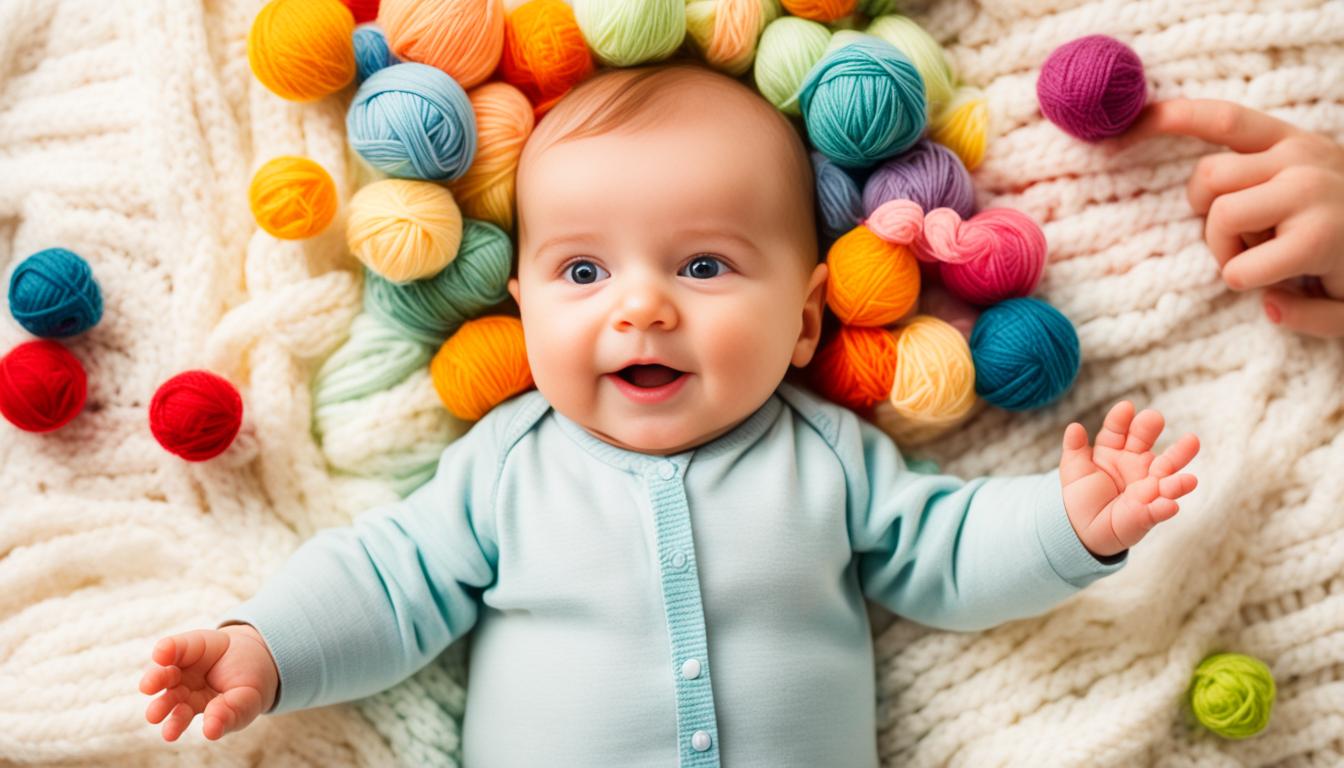
The small size of yarn balls or loose strands can present choking hazards if babies put them in their mouths. As babies explore their surroundings by grabbing objects and putting them in their mouths, it’s crucial to ensure that yarn is kept out of their reach. Vigilance and awareness are key in preventing choking accidents.Ingestion Risks
Ingesting yarn can lead to blockages in the digestive system, which can be extremely dangerous for babies. We must ensure that yarn is kept far away from their reach, reducing the risk of accidental ingestion. By taking simple measures, such as keeping yarn properly stored and away from play areas, we can help protect our babies from ingestion risks.Yarn Entanglement
In addition to choking hazards and ingestion risks, babies may get entangled in yarn. This can potentially lead to accidents and injuries. Always supervise your baby when they are around yarn and make sure it is used in a safe and controlled environment to minimize the risk of entanglement. It’s crucial for parents and caregivers to understand the potential risks associated with yarn for babies. By being proactive and implementing appropriate safety measures, we can create a secure environment for our little ones to explore their creativity while keeping them safe.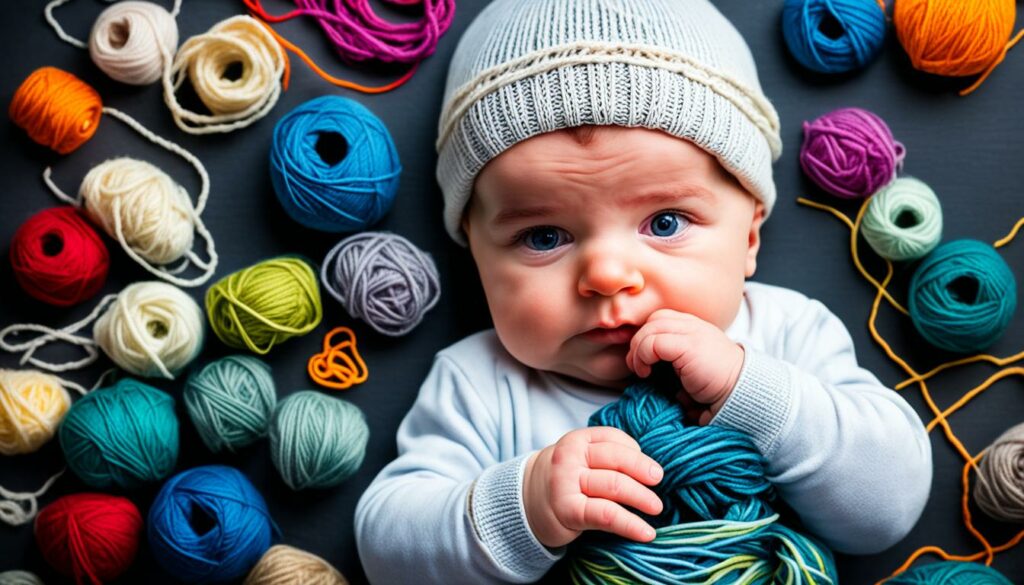
Precautions When Using Yarn Around Babies
To ensure the safety of our little ones, it’s crucial to take necessary precautions when using yarn around babies. By following these yarn safety precautions, we can minimize potential risks and create a secure environment for our infants.Keeping Yarn Out of Reach
One of the most important precautions is to keep yarn out of the reach of babies. This helps prevent any instances of choking or ingestion. Babies are naturally curious and tend to explore things by putting them in their mouths. By keeping yarn safely stored away, we eliminate the risk of accidental ingestion and choking hazards.Supervised Play with Yarn
Supervision is key when babies are playing with yarn. While yarn can be an enjoyable sensory experience for babies, it’s essential to closely monitor their interaction with it. By supervising babies during play, we can prevent any entanglement accidents that may occur. Babies may inadvertently wrap yarn around their bodies or limbs, leading to potential injuries. By being present and actively engaged, we can ensure their safety and provide immediate assistance if necessary. Remember: Babies are in a stage of rapid development and exploration, and their safety is our utmost priority. By implementing these precautions, we can create a safe environment that allows babies to enjoy yarn play while minimizing potential risks.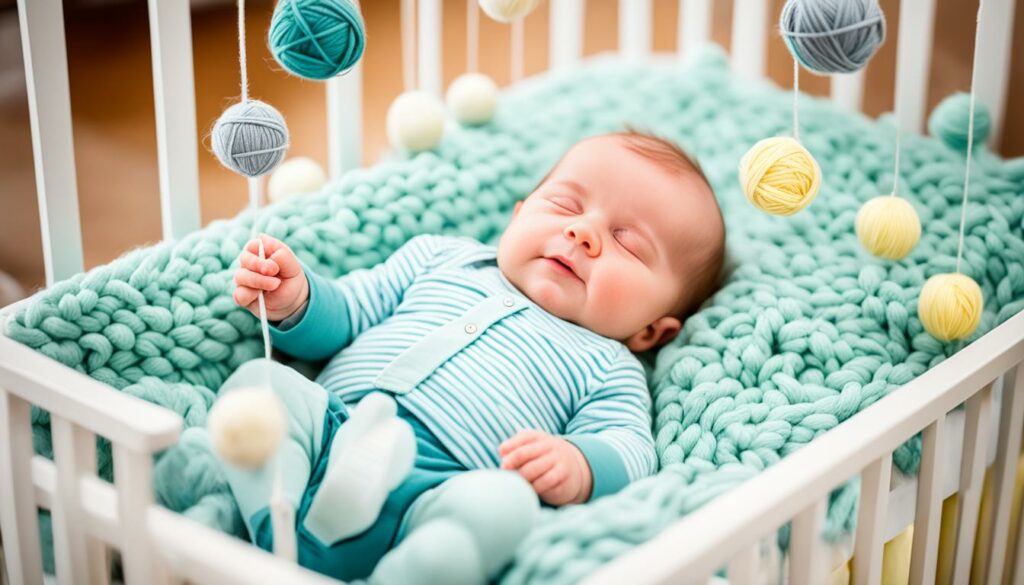
| Yarn Safety Precautions | Benefits |
|---|---|
| Keep yarn out of reach | Prevents choking and ingestion hazards |
| Supervise play with yarn | Minimizes the risk of entanglement accidents |
Baby-Friendly Yarn Options
When it comes to choosing yarn for baby-related projects, it’s crucial to prioritize the safety and comfort of little ones. Opting for baby-friendly yarn options can help reduce potential risks and provide peace of mind to parents. Two popular choices that offer excellent baby-safe properties are organic yarn and hypoallergenic yarn.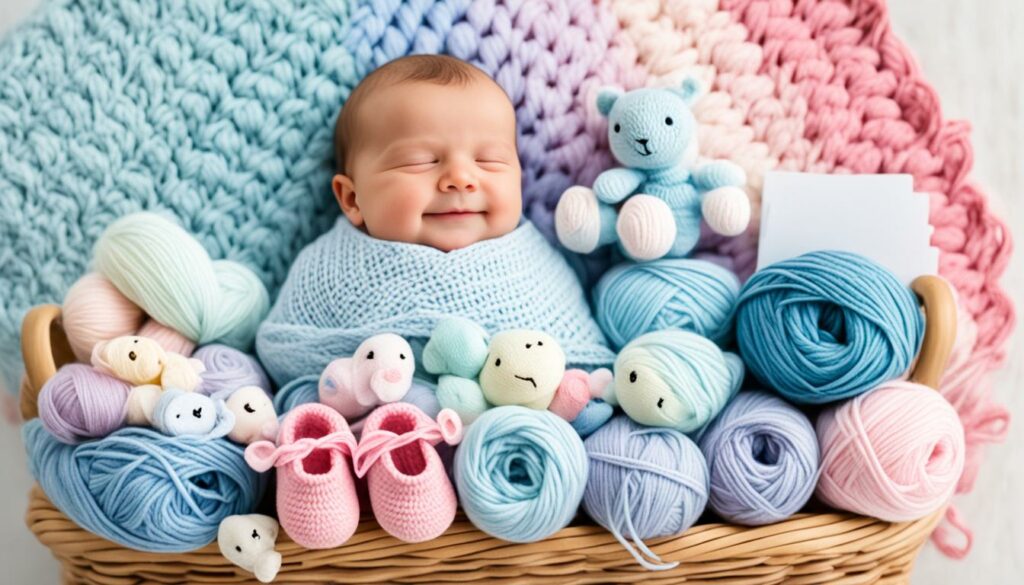
Organic Yarn
Organic yarn is made from natural fibers without the use of harmful chemicals. It’s an excellent choice for babies as it reduces the risk of skin irritation or allergic reactions. The organic fibers used in this type of yarn are typically grown without the use of synthetic pesticides or fertilizers, making them gentle and safe for delicate baby skin. Choosing organic yarn ensures that your little one can enjoy their cozy blankets, hats, or clothing without exposure to potentially irritating substances.Hypoallergenic Yarn
Hypoallergenic yarn is another fantastic option for babies, particularly those with sensitive skin or allergies. This type of yarn is designed to minimize the risk of allergic reactions as it is made from fibers that are less likely to cause irritation. With hypoallergenic yarn, you can create beautiful handmade items for your baby while keeping their skin comfortable and free from itching or rashes. When selecting baby-friendly yarn, you can consider certified organic yarn brands like Cascade Yarns or Bernat Baby which offer a wide range of colors and fiber choices. Additionally, Red Heart Soft Baby Steps and Lion Brand Baby Soft Yarn are popular brands that provide hypoallergenic options suitable for little ones.Comparing Baby-Friendly Yarn Options
| Property | Organic Yarn | Hypoallergenic Yarn |
|---|---|---|
| Composition | 100% natural fibers | Fibers with low allergy potential |
| Skin Sensitivity | Suitable for babies with sensitive skin | Suitable for babies with allergies or skin sensitivities |
| Allergenic Potential | Reduced risk of allergies | Minimizes allergic reactions |
| Availability | Widely available from various brands | Multiple brands offer hypoallergenic options |
“Organic yarn and hypoallergenic yarn are excellent choices for baby-related projects, providing peace of mind to parents while keeping babies safe and comfortable.” – Pediatrician Dr. Emily Rodriguez
Importance of Washing New Yarn
When it comes to ensuring the safety of babies, every precaution must be taken, including washing new yarn before using it. This simple step is vital in maintaining yarn cleanliness and eliminating any potential dirt, dust, or residue that may be present on the yarn. The manufacturing process and storage conditions of yarn may expose it to various contaminants, making it crucial to wash it thoroughly before incorporating it into baby-related projects. Some yarn factories may not adhere to stringent cleanliness standards, and factors like transportation and storage can further contribute to the presence of undesirable particles on the yarn. Washing new yarn helps reduce the risk of babies coming into contact with these substances and ensures a cleaner and safer environment for their delicate skin and overall well-being. By washing new yarn, you minimize the potential exposure of babies to harmful foreign matter that may cause allergies, irritation, or any other adverse reactions. This simple act of precaution can help prevent unwanted consequences and provide peace of mind to parents.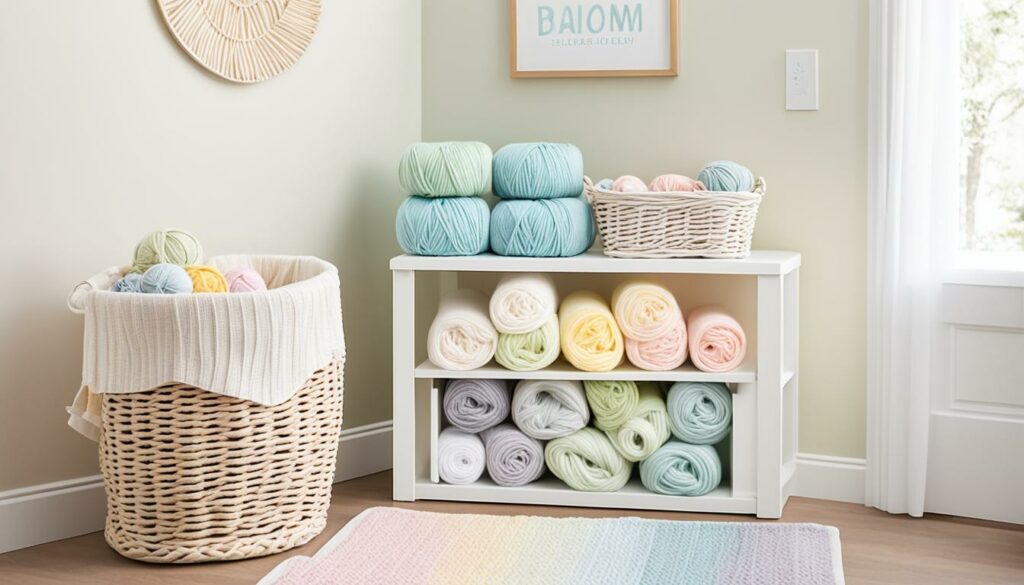
Safety Guidelines for Using Yarn With Babies
When it comes to using yarn with babies, safety should always be our top priority. By following a few simple guidelines, we can create a secure environment for our little ones to enjoy yarn play safely. Let’s explore some essential safety practices and precautions to consider:- Supervise babies at all times: It’s crucial to supervise babies closely whenever they are near yarn. Keep a watchful eye to ensure they don’t put small yarn strands or balls in their mouths, reducing the risk of choking or ingestion.
- Keep yarn out of their reach: To prevent accidents or entanglement, store yarn in a secure location that babies cannot access. Consider using yarn storage containers or keeping it in a high place where little hands can’t reach.
- Avoid leaving loose strands or yarn balls unattended: Loose strands and yarn balls left unattended can become hazards for babies. Always clean up after yarn play and store any unused materials properly to eliminate potential entanglement risks.
“By adhering to safety guidelines and staying vigilant during yarn play, we can create a secure environment for babies to explore their creativity and develop fine motor skills.” – Dr. Emily Johnson, PediatricianIt’s important to educate caregivers about these safe yarn practices. By sharing this information, we can promote a culture of safety and awareness around yarn and infants. Remember, when it comes to our babies, their well-being is always our top priority.
Yarn Safety Tips Summary
| Guidelines | Importance |
|---|---|
| Supervision | To prevent choking or ingestion risks |
| Storage | To avoid accidents and entanglement |
| Clean-Up | To eliminate potential hazards |
Benefits of Yarn for Babies
Playing with yarn can be a delightful and enriching experience for babies, offering not only a source of entertainment but also contributing to their sensory development and fine motor skills. When yarn is used under proper supervision and safety measures, it can become a valuable tool for babies’ play and exploration. Yarn sensory development: Engaging with different textures and sensations is essential for babies’ sensory development. Yarn comes in various materials and textures, allowing babies to explore and experience a range of tactile sensations. They can feel the softness of cotton yarn, the fluffiness of wool, or the smoothness of acrylic yarn. This interaction with different textures helps babies develop their sense of touch and enhances their sensory awareness. Stimulating fine motor skills: Playing with yarn also aids in the development of babies’ fine motor skills. As they grasp, manipulate, and pull on the yarn, their hand-eye coordination is put to the test. This activity strengthens the muscles in their hands and fingers, helping them refine their motor skills and dexterity. It’s fascinating to watch as babies learn to control their movements and gradually gain more control over the yarn. Through imaginative play with yarn, babies can broaden their creativity and problem-solving skills. They can pretend the yarn is a snake or a ribbon, or use it to create simple crafts like braids or knots. Experimentation and exploration with yarn can stimulate their cognitive abilities and foster their imagination.“Playing with yarn can be a delightful and enriching experience for babies, offering not only a source of entertainment but also contributing to their sensory development and fine motor skills.”Remember to always supervise babies during play with yarn and ensure that it is used in a safe environment. By striking a balance between fun and safety, babies can reap the benefits of yarn while enjoying a playful and engaging experience.
Considerations for Handmade Baby Items
When it comes to choosing baby items, many parents opt for the charm and uniqueness of handmade products. The love and care that go into crafting these items make them special for both babies and parents. However, when it comes to handmade baby items, it’s crucial to consider the safety of the materials used, especially the yarn. When making or purchasing handmade baby items, it’s important to ensure that the yarn used meets safety standards. By confirming that the yarn and the finished product adhere to necessary safety guidelines, you can provide babies with accessories or clothing that are not only beautiful but also safe and comfortable. For handmade baby items, organic yarn is often a preferred choice. Organic yarn is made from natural fibers that are free from harmful chemicals, making it a safer option for babies. It reduces the risk of skin irritation or allergies, providing a gentle and soothing touch to their delicate skin.Table 9.1: Comparison of Popular Baby-Friendly Yarn Options
| Yarn Type | Composition | Safety Features |
|---|---|---|
| Organic cotton yarn | 100% cotton | Hypoallergenic, chemical-free |
| Bamboo yarn | 100% bamboo fiber | Antibacterial, hypoallergenic |
| Merino wool yarn | Pure merino wool | Soft, breathable, temperature-regulating |
Expert Recommendations for Yarn Safety
When it comes to keeping our babies safe, it’s always helpful to seek advice from experts in the field. Pediatricians and child safety organizations can provide valuable insights on yarn safety for babies, ensuring that we make informed decisions regarding the use of yarn around our little ones. Consulting with these experts allows us to tap into their knowledge and experience, gaining a deeper understanding of the potential risks and precautions to take when it comes to yarn safety. Their expert opinions on yarn safety are based on years of research and expertise in child development and safety. By using yarn that has been endorsed by trusted professionals, we can have peace of mind knowing that we are providing our babies with a safe and secure environment. Expert recommendations for yarn safety go beyond specific brands and touch upon various aspects such as the materials used, manufacturing processes, and adherence to safety guidelines. By incorporating these recommendations into our decision-making process, we can ensure that the yarn we choose for our babies aligns with the highest safety standards. Remember, the safety of our babies is our utmost priority. By seeking expert opinions on yarn safety, we can make informed choices that prioritize the well-being of our little ones. Let’s continue to explore more strategies and tips to create a safe and baby-friendly environment when it comes to using yarn.
Conclusion
In conclusion, it’s important to recognize that yarn can potentially pose risks for babies, including choking hazards, ingestion risks, and entanglement accidents. However, by taking proper safety precautions and choosing baby-friendly yarn options, we can create a secure environment for our little ones. Remember to always supervise babies when they are near yarn, keeping it out of their reach to prevent any accidents. It’s also essential to consult with experts like pediatricians or child safety organizations for specific recommendations regarding yarn safety. By following these guidelines, we can ensure the safety of our babies while still enjoying the creative and sensory benefits that yarn can provide. So, let’s continue to use yarn responsibly and provide our little ones with a safe and nurturing environment.Are the Risks of Yarn in Hair Similar to the Risks for Babies?
When it comes to yarn and hair risks, it’s important to distinguish between adults and babies. While adults may experience tangling or discomfort if yarn gets caught in their hair, babies face a higher risk. Yarn can pose a choking hazard or cause injury if wrapped tightly around a baby’s fingers, toes, or neck. It’s crucial to be cautious and keep all yarn away from infants to ensure their safety.
FAQ
Is yarn bad for babies?
Yarn can pose potential risks for babies, including choking hazards, ingestion risks, and entanglement accidents. However, by following proper safety precautions, yarn can be used safely around babies.
What are the potential risks of yarn for babies?
The small size of yarn balls or loose strands can pose choking hazards if babies put them in their mouths. Ingestion of yarn can also lead to blockages in the digestive system. Babies may also get entangled in yarn, which can cause accidents or injuries.
What precautions should I take when using yarn around babies?
Keep yarn out of their reach to prevent choking or ingestion. Supervise babies during play with yarn to prevent entanglement accidents. Implementing these safety measures can go a long way in protecting babies from potential harm.
What are the best yarn choices for infants?
Opt for baby-friendly options such as organic yarn made from natural fibers without harmful chemicals. Hypoallergenic yarn is also recommended to reduce the risk of allergic reactions in sensitive infants.
Should I wash new yarn before using it with babies?
Yes, washing new yarn is vital to eliminate any dirt, dust, or residue that may be present on the yarn due to the manufacturing process or storage conditions. This step helps ensure the safety of babies around yarn.
What are the safety guidelines for using yarn with babies?
Always supervise babies when they are near yarn, keep yarn out of their reach, and avoid leaving loose strands or yarn balls unattended. Educating caregivers about safe yarn practices can help create a secure environment for babies.
What are the benefits of yarn for babies?
Playing with yarn can contribute to babies’ sensory development and stimulate their fine motor skills. When used under proper supervision and safety measures, yarn can be a valuable tool for babies’ play and exploration.
What should I consider when choosing handmade baby items?
When making or purchasing handmade baby items, ensure the yarn used meets safety standards. Confirm that the yarn and the finished product adhere to necessary safety guidelines to provide babies with safe and comfortable accessories or clothing.
What do experts recommend for yarn safety with babies?
It’s recommended to consult with experts, including pediatricians and child safety organizations, who can provide specific advice based on their expertise. These professionals can offer valuable insights on yarn safety for babies.