
To upgrade your home security, start by changing default passwords and using strong, unique ones for each device. Enable WPA3 encryption on your Wi-Fi and keep firmware updated regularly. Create a separate network for your smart devices to limit access and install security gateways or firewalls to monitor traffic. Stay aware of emerging threats and adopt ongoing practices like updating devices and using automatic security features. Keep these steps in mind to better protect your connected home as you explore more advanced security strategies.
Key Takeaways
- Implement network segmentation by creating a dedicated Wi-Fi network for smart devices.
- Regularly update device firmware and enable automatic security patches.
- Change default passwords to complex, unique ones and use a password manager.
- Enable encryption protocols like WPA3 and end-to-end encryption for data protection.
- Monitor network traffic with security gateways or firewalls to detect suspicious activity.
As your home becomes more connected with smart devices and IoT technology, guaranteeing your security keeps pace is essential. The convenience of smart device integration enhances your daily life, but it also opens new vulnerabilities if not properly secured. To protect your digital sanctuary, start by understanding how these devices communicate. Many rely on Wi-Fi, Bluetooth, or Zigbee protocols to connect, so it’s important to guarantee these channels are secure. Implementing strong encryption protocols is a critical step in safeguarding your network. Look for devices that support WPA3 for Wi-Fi connections, as it offers improved security over previous standards. Additionally, guarantee that your smart devices use end-to-end encryption whenever possible, preventing hackers from intercepting sensitive data.
Secure your smart home with strong encryption, unique passwords, and regular updates to protect against cyber vulnerabilities.
Once your devices are connected, change default passwords immediately. Manufacturers often set simple, generic passwords that are widely known, making devices easy targets for cyberattacks. Create unique, complex passwords for each device or, better yet, use a reputable password manager to keep track of them. This prevents unauthorized access and helps you maintain control over your network. Regularly updating device firmware is another essential step. Manufacturers release security patches to fix vulnerabilities that could be exploited by attackers. Set up automatic updates if available, or check periodically to guarantee your devices run the latest software.
Segmenting your network adds an extra layer of protection. Create a separate Wi-Fi network dedicated solely to your smart devices, isolating them from your main network used for personal computers and sensitive data. This way, even if a device gets compromised, the attacker’s access remains limited. Consider installing a robust firewall or security gateway that monitors incoming and outgoing traffic, identifying suspicious activity early. Many modern routers include built-in security features; enable these to enhance your defense. Furthermore, understanding encryption protocols and how they protect your data can help you make better security decisions. Staying informed about emerging cybersecurity threats is equally important to adapt your defenses proactively. Being aware of potential network vulnerabilities can help you better defend against potential breaches.
Finally, stay informed about emerging threats and best practices. Cybersecurity is an ongoing process, and attackers continually develop new methods to breach connected homes. Educate yourself on common scams and phishing tactics that target smart home users. By maintaining good security habits, updating devices regularly, and understanding how smart device integration and encryption protocols work, you can create a safer environment for your connected home. Your proactive approach guarantees that as your home becomes smarter, it also remains secure and protected from potential cyber threats.
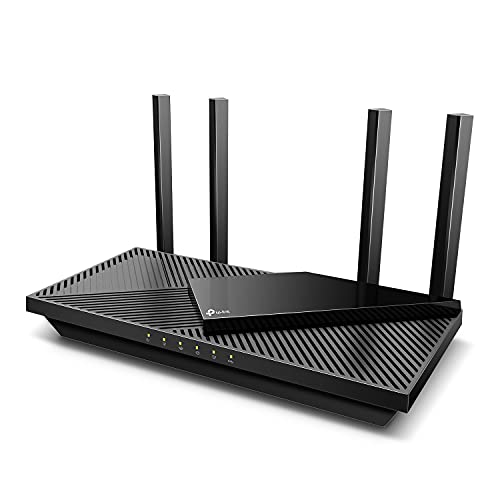
TP-Link Dual-Band AX3000 Wi-Fi 6 Router Archer AX55 | Wireless Gigabit Internet Router for Home | EasyMesh Compatible | VPN Clients & Server | HomeShield, OFDMA, MU-MIMO | USB 3.0 | Secure by Design
- Wi-Fi 6 Speeds: Up to 2402 Mbps on 5 GHz, 574 Mbps on 2.4 GHz
- Enhanced Responsiveness: Supports gaming, streaming, and live feeds
- OFDMA Technology: Reduces latency and improves multi-device performance
As an affiliate, we earn on qualifying purchases.
As an affiliate, we earn on qualifying purchases.
Frequently Asked Questions
How Often Should I Update My Connected Home Devices’ Firmware?
You should update your connected home devices’ firmware as soon as updates are available, ideally monthly, to keep device encryption strong and protect against vulnerabilities. Regular updates guarantee you can quickly perform a firmware rollback if needed, which helps restore security if an update causes issues. Staying proactive with firmware updates keeps your smart home safer, reducing risks from cyber threats and improving device performance over time.
What Are the Best Practices for Managing Multiple Smart Home Passwords?
Think of managing your smart home passwords like a modern-day Robin Hood with a quiver full of arrows. Use a password manager to keep track of your passwords securely, avoiding reuse across devices. Implement strong authentication protocols, like two-factor authentication, for added protection. Regularly update your passwords, especially if you suspect any breach. This way, you guarantee your connected devices stay safe and your digital kingdom remains secure.
How Can I Ensure My Smart Devices Are GDPR Compliant?
To guarantee your smart devices are GDPR compliant, you need to prioritize data encryption and user authentication. Regularly update device firmware to patch security vulnerabilities, and use strong, unique passwords. Limit data collection to what’s necessary, and enable two-factor authentication where possible. Keep detailed records of data processing activities, and inform users transparently about how their data is used. These steps help protect user privacy and meet GDPR requirements.
What Are the Risks of Using Third-Party Integrations?
Using third-party integrations can expose you to third-party vulnerabilities, risking your smart device security. These integrations might not have robust security measures, making your connected home susceptible to hacking or data breaches. Always prioritize integration security by choosing reputable providers, regularly updating software, and limiting permissions. Be cautious about which third-party tools you connect, as weak points in their security can compromise your entire smart home ecosystem.
How Do I Detect and Respond to Smart Home Security Breaches?
You’re wise to stay vigilant when it comes to smart home security breaches. Think of intrusion detection as your first line of defense; monitor unusual activity and set up alerts. If you notice a breach, respond swiftly with incident response measures like disconnecting affected devices and changing passwords. Regularly update firmware and security settings to plug vulnerabilities, ensuring your home stays safe and your peace of mind intact.
Conclusion
As you follow the security upgrade path, imagine your smart home waking up to a new level of safety, like a well-orchestrated symphony in perfect harmony. Every device, from locks to cameras, aligns seamlessly, creating an invisible shield that whispers protection. With each step, you’re not just upgrading technology—you’re weaving a cozy, secure haven where peace of mind blooms quietly, like dawn breaking softly over a protected, connected sanctuary.