
TL;DR

Get furniture and decor delivered free with Prime
- Fast, free delivery on millions of items
- Prime Video, Amazon Music and more included
- Member-only deals all year
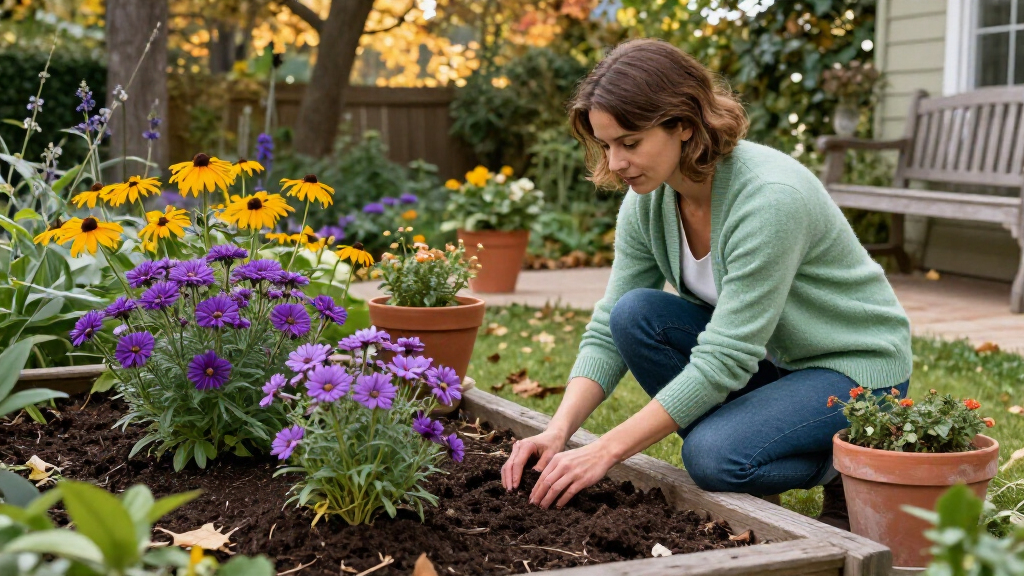
House Beautiful reports that gardeners may still plant five established, autumn-flowering perennials: heleniums, heliopsis, penstemons, crocosmias and Japanese anemones. Plant only when the ground is workable—not frozen or waterlogged—and water new plants while they establish.
Gardeners can still add autumn color by planting established heleniums, heliopsis, penstemons, crocosmias and Japanese anemones, according to a House Beautiful report featuring advice from Charlotte McGrattan, a hardy nursery stock buyer at Hillier Garden Centers. The recommendation is conditional: the ground must not be frozen or waterlogged, and newly planted perennials need watering as they settle in.
The five plants offer different forms of seasonal interest. Heleniums produce warm yellow, red and orange flowers from midsummer into autumn, McGrattan said. Heliopsis, also called false sunflower, can add color to borders and beds, attract pollinators and provide cut flowers. Its flowering period lasts about six to eight weeks; McGrattan recommends removing spent flowers to encourage further buds.
Penstemons are generally best planted in spring, but the report says they can still be planted in pots in autumn. Their flowers come in shades including purple, pink, white and blue, sometimes in two-tone combinations. McGrattan described them as suited to well-drained soil and tolerant of drought. For crocosmias, the advice is to choose established, rooted plants rather than trying to grow them from corms at this time. They need fertile, moist but well-drained soil and can add height to borders.
The fifth option, Japanese anemones, can be planted as potted plants in late autumn if the soil is neither frozen nor waterlogged. Their pink or white, cup-shaped flowers grow on tall stems. McGrattan said they can spread rapidly and fill border space. The report advises sheltering pots from strong winds if soil conditions prevent planting directly in the ground.
Late Planting Depends on Soil
The advice offers gardeners a way to fill bare areas and extend color as summer-flowering plants fade, but it is not a blanket recommendation to plant in any autumn weather. Soil condition is the deciding factor: planting into saturated ground can deprive roots of air, while frozen ground cannot be worked. Waiting or using a well-drained container in a sheltered position may be more suitable when conditions are poor.
Establishment also takes attention after planting. McGrattan said new perennials need thorough watering while their roots settle. Rain may contribute, but gardeners should check the soil rather than assume it has supplied enough moisture; containers can dry out even during wet weather. The practical takeaway is that a late planting can add seasonal interest, but plant choice and aftercare need to match the site and conditions.
Products Worth Considering

Dyson W1 PencilWash Cordless Wet and Dry Floor Cleaner with Dock

Shark Pet Cordless Stick Vacuum, 40-Minute Runtime, Grey, IX141

Philips Hue Essential Starter Kit with Bridge and 4 E26 Smart Bulbs
As an affiliate, we earn on qualifying purchases.
Five Plants for Autumn Borders
The report frames these choices as established autumn-flowering perennials that can be planted now, rather than seeds or dormant plant material that needs a longer growing period. It distinguishes between plants suited to particular methods: penstemons can go into pots at this time, crocosmias should be established rooted plants rather than newly planted corms, and Japanese anemones should be potted plants if planted late in autumn.
Conditions can vary from garden to garden, even within the same area. The source does not give a specific planting deadline or a climate zone for the advice. Instead, it recommends checking whether the soil is workable and well drained. Where it is too wet, containers with drainage and shelter from strong winds are offered as an alternative.
“Heleniums add an abundance of color, bursting from mid-summer through into autumn.”
— Charlotte McGrattan, hardy nursery stock buyer at Hillier Garden Centers
Local Conditions Still Matter
The report does not specify a region, hardiness zone, planting deadline or forecast, so it does not establish that all five perennials will succeed in every garden at the same point in autumn. Local temperatures, drainage and soil condition remain relevant. It also does not offer a guarantee of flowering this season for plants installed now; its guidance is about planting established perennials for autumn color and seasonal interest.
Readers should check individual plant labels and local growing guidance, particularly where winters are severe or the soil stays wet. The report’s core cautions are clear, but the best choice between a border and a container depends on conditions at the planting site.
Check the Ground Before Planting
Before buying or planting, gardeners should check whether the soil is workable and drains well. Avoid planting directly into frozen or waterlogged ground. If the soil is too wet, the report suggests using pots with good drainage and keeping them in a sheltered place away from strong winds.
After planting, water thoroughly and keep checking soil moisture as roots establish, including in containers. Gardeners can then monitor the plants through the season and adjust care to local weather and the requirements on each plant’s label.
Key Questions
Which five perennials does the report recommend?
It names heleniums, heliopsis, penstemons, crocosmias and Japanese anemones as options for adding autumn interest.
Can I plant these perennials in waterlogged or frozen soil?
No. The report advises against planting directly into waterlogged or frozen ground. If soil is too wet to work, it suggests a well-drained pot in a sheltered spot.
Do newly planted perennials need watering in rainy weather?
Yes. McGrattan says new plants need watering while they establish. Check the soil rather than relying on rain alone, and pay particular attention to containers.
Can I plant crocosmias from corms now?
The report recommends planting established crocosmias with roots rather than growing them from corms at this time.
Source: housebeautiful.com