
To avoid ragged edges when using fabric cutting machines, verify your blades are sharp and well-maintained, and use a stable surface with proper accessories like rulers and cutting mats. Choose the right machine based on fabric type and size, and focus on proper technique—cut in smooth, steady motions while keeping fabric taut. Regular maintenance and correct tool selection make a big difference. Stick with these tips, and you’ll cut cleaner edges every time. Keep going to learn more secrets for perfect results.
Key Takeaways
- Use machines with sharp, well-maintained blades and adjustable settings for cleaner cuts.
- Ensure proper fabric alignment and flat laying on a stable cutting mat to prevent shifting.
- Regularly calibrate machine guides and replace dull blades to maintain cutting precision.
- Avoid excessive force; cut with steady, smooth motions to prevent jagged edges.
- Keep accessories like rulers and mats clean and properly positioned to support accurate, straight cuts.
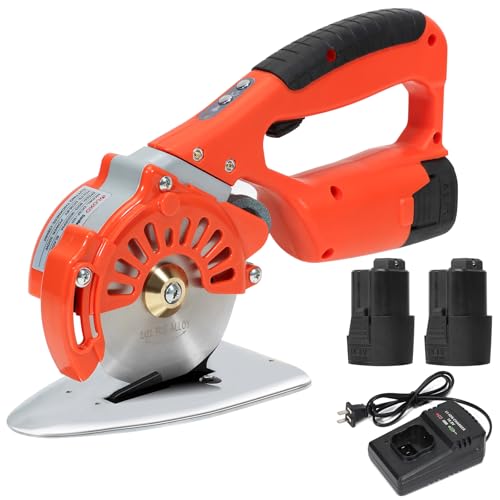
VLOXO Cordless Electric Rotary Scissors Power Fabric Cutter Rechargeable Rotary Cloth Scissors Adjustable Speed Electric Cutter with 2 Battery for Cutting Fabric Carpet Leather Multi-Layer Cloth
Strong Fabric Cutting: The cordless electric rotary scissors have a powerful electric drive and can complete the cutting…
As an affiliate, we earn on qualifying purchases.
As an affiliate, we earn on qualifying purchases.
How Do Ragged Edges Happen When Cutting Fabric With Machines?
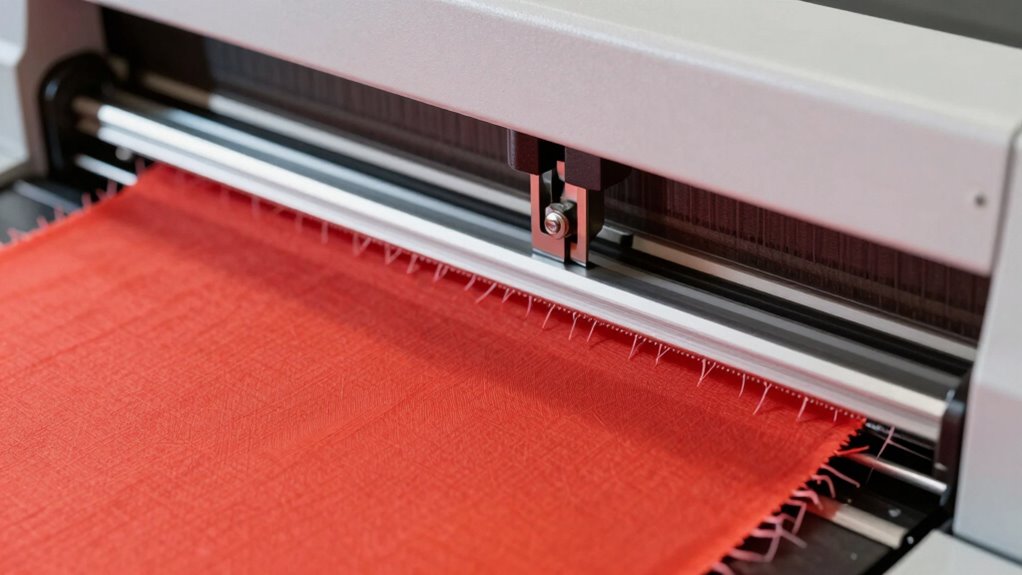
Ragged edges often occur when cutting fabric with machines because the blades or cutting tools can tear or fray the fibers instead of slicing cleanly through them. This fabric fraying results in uneven, jagged edges that can compromise your project. When the cut isn’t smooth, you notice cut unevenness, which makes sewing or finishing more difficult. Several factors contribute to this issue, including dull blades, improper tension, or using the wrong cutting technique. If the blade is dull, it tears fibers rather than slicing them, creating fraying. Poor machine calibration can also cause uneven cuts, leading to ragged edges. Understanding how these elements affect your cut helps you prevent ragged edges and achieve cleaner, more professional results. Additionally, using sharp blades designed for your specific fabric type can significantly reduce fraying and improve cut quality. Regularly inspecting and maintaining your equipment ensures optimal performance and minimizes the risk of ragged edges. Being aware of cutting techniques and properly maintaining your equipment can further enhance your results. Moreover, employing correct tension settings can help ensure smooth, consistent cuts and prevent fibers from tearing.

Fiskars 45mm Rotary Cutter for Fabric with Ergonomic Loop Grip, Premium Steel Rotary Fabric Cutter Blade for Precise Cuts, Arts and Crafts, Sewing Supplies and Quilting Tools
SEWING, ARTS, AND CRAFTS STAPLE: This Fiskars Quick Change Rotary Cutter can cut multiple layers of fabric, felt,…
As an affiliate, we earn on qualifying purchases.
As an affiliate, we earn on qualifying purchases.
How to Choose the Best Cutting Machine for Clean, Precise Edges
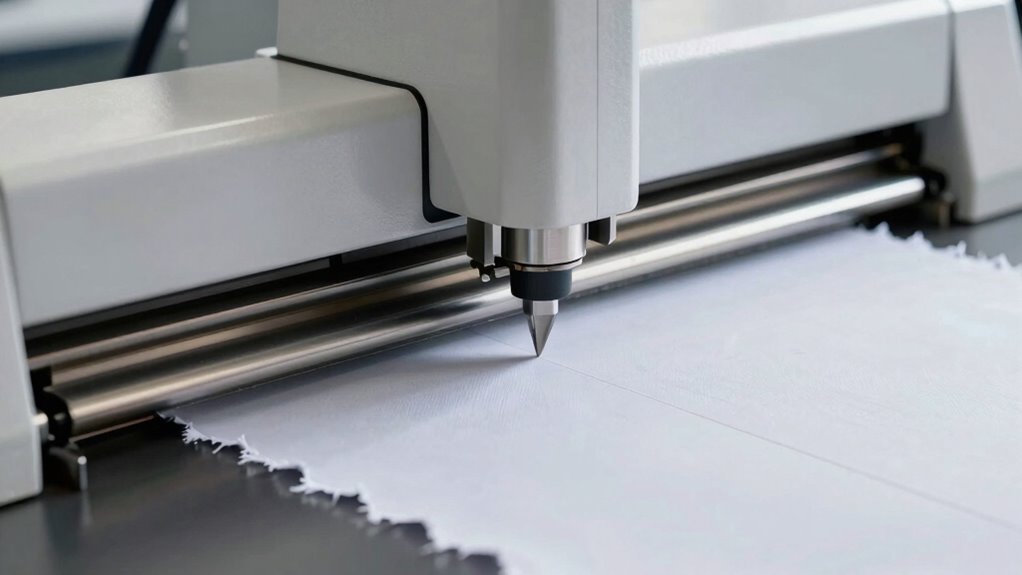
Choosing the right cutting machine is essential for achieving clean, precise edges on your fabric projects. First, consider the type of fabric you work with and how it’s stored; using fabric storage correctly prevents slipping and shifting during cutting. Look for a machine that offers sharp blades and adjustable settings to match different fabric thicknesses. Good cutting etiquette involves maintaining a steady hand and consistent pressure, so select a machine with stability features. For intricate cuts, a rotary cutter or electronic cutting machine might be best. Ensure the machine’s platform is large enough for your projects and easy to clean. Additionally, understanding cutting machine maintenance can help prolong the sharpness of blades and ensure consistently clean cuts. Regular blade replacement techniques also contribute to optimal performance. Being aware of cutting techniques can further improve your precision and reduce ragged edges. Proper fabric handling and choosing a machine suited to your fabric storage habits and cutting etiquette will minimize ragged edges and improve your overall results. Maintaining proper blade alignment can also significantly impact cut quality and edge cleanliness.

anezus Self Healing Sewing Mat, 12inch x 18inch Rotary Cutting Mat Double Sided 5-Ply Craft Cutting Board for Sewing Crafts Hobby Fabric Precision Scrapbooking Project
【SEWING CUTTING MAT】Aneuzs self-healing cutting mat protects your work surface. Compatible with rotary cutters and straight blades, won't…
As an affiliate, we earn on qualifying purchases.
As an affiliate, we earn on qualifying purchases.
How to Prepare Your Fabric and Cutting Area for Perfect Results
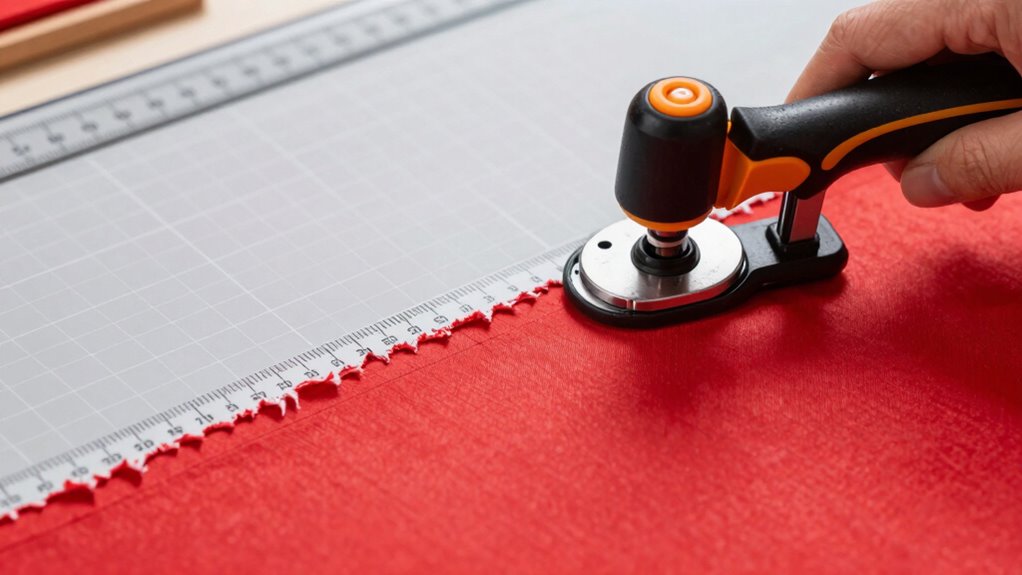
Preparing your fabric and cutting area properly sets the stage for precise, clean results. First, check the fabric grain to ensure it’s aligned correctly, as cutting along the grain maintains fabric stability and prevents distortion. Lay your fabric flat on a sturdy cutting mat, smoothing out wrinkles and folds with your hands or a roller. Use the mat’s gridlines to align the fabric edges accurately, helping you cut straight and true. Clear the area of any clutter or debris that could interfere with your work. Make sure your cutting tools are sharp and ready to go. Taking these steps guarantees your fabric stays aligned, your edges are smooth, and your cuts are precise, leading to professional-looking finished projects.

Mr. Pen- Sewing Ruler, 3 x17 Inch, Acrylic Quilting & Cutting Ruler, Non-Slip, Sewing Supplies
Package includes 1 quilting ruler, made especially for quilting, sewing, and crafting projects.
As an affiliate, we earn on qualifying purchases.
As an affiliate, we earn on qualifying purchases.
What Techniques Help Achieve Crisp, Even Fabric Edges?
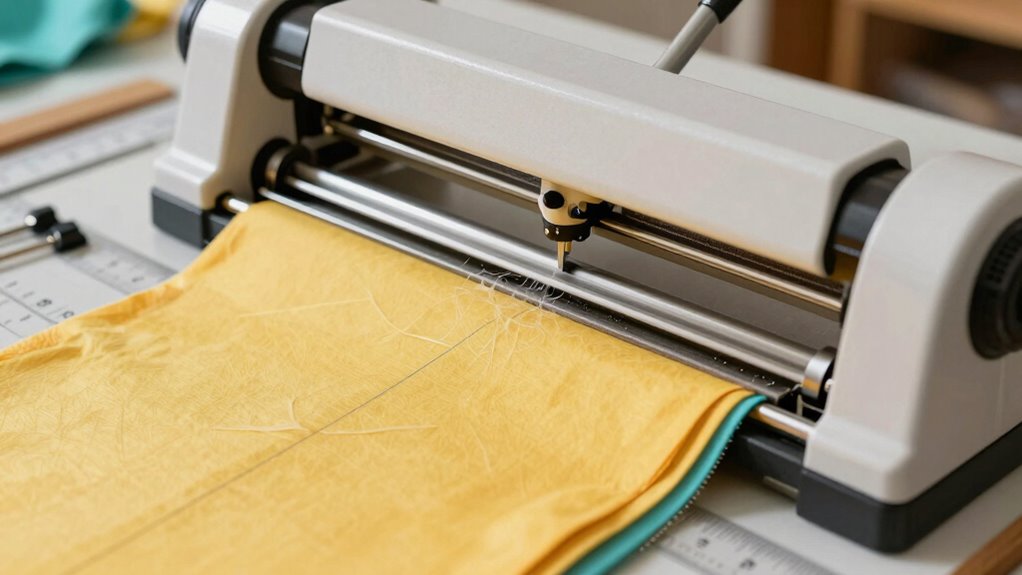
To achieve crisp, even fabric edges, it’s essential to use precise cutting techniques combined with proper tool handling. Always align your fabric grain parallel to the cutting mat’s grid to ensure straight cuts. Use a sharp rotary cutter or scissors, applying consistent pressure to avoid jagged edges. Keep the fabric taut but not stretched, preventing distortion. Rely on a cutting mat with clear measurement lines to guide your cuts accurately. For best results, cut in smooth, steady motions, avoiding sawing or jagged movements. Maintaining proper technique ensures clean edges that won’t fray or rag.
| Technique | Benefit |
|---|---|
| Align fabric grain | Keeps edges straight |
| Use a sharp rotary cutter | Ensures smooth cuts |
| Cut on a proper cutting mat | Guides for accuracy |
| Maintain steady pressure | Prevents jagged edges |
| Keep fabric taut | Avoids distortion |
How Can I Adjust and Maintain My Fabric Cutting Machine for Accuracy?
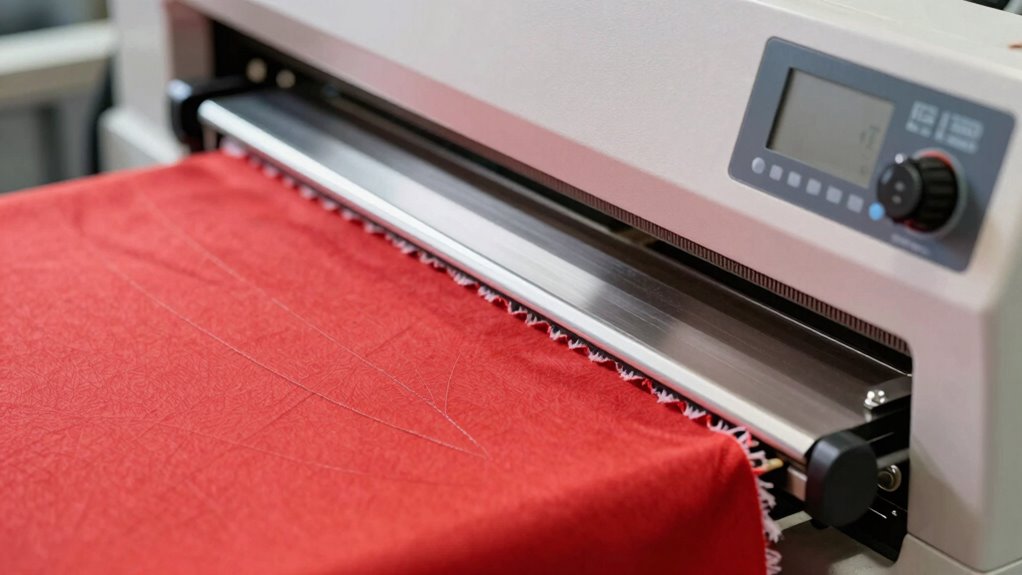
Regularly adjusting and maintaining your fabric cutting machine is key to ensuring accurate cuts. Start by checking and performing machine calibration to keep the blade aligned and cutting precisely. Proper calibration involves adjusting guides and settings according to the manufacturer’s instructions, ensuring the fabric moves smoothly and consistently. Regular blade maintenance is equally important: sharpen dull blades or replace them when necessary to prevent ragged edges. Clean the blade and surrounding parts to remove lint, dust, and fabric debris that can affect accuracy. Lubricate moving parts as recommended to reduce wear and ensure smooth operation. Staying informed about media literacy and understanding how to interpret online information can help you troubleshoot issues and find reliable maintenance tips. Additionally, consulting manufacturer guidelines can provide specific instructions tailored to your machine model. Being aware of essential oil properties can also inspire creative approaches to maintenance, such as using natural cleaners. Incorporating routine inspections into your maintenance schedule can help catch issues early and maintain optimal performance. By staying proactive with calibration and blade maintenance, you’ll maintain consistent, precise cuts and extend the life of your machine.
Troubleshooting Ragged Edges: Fixes and When to Seek Help
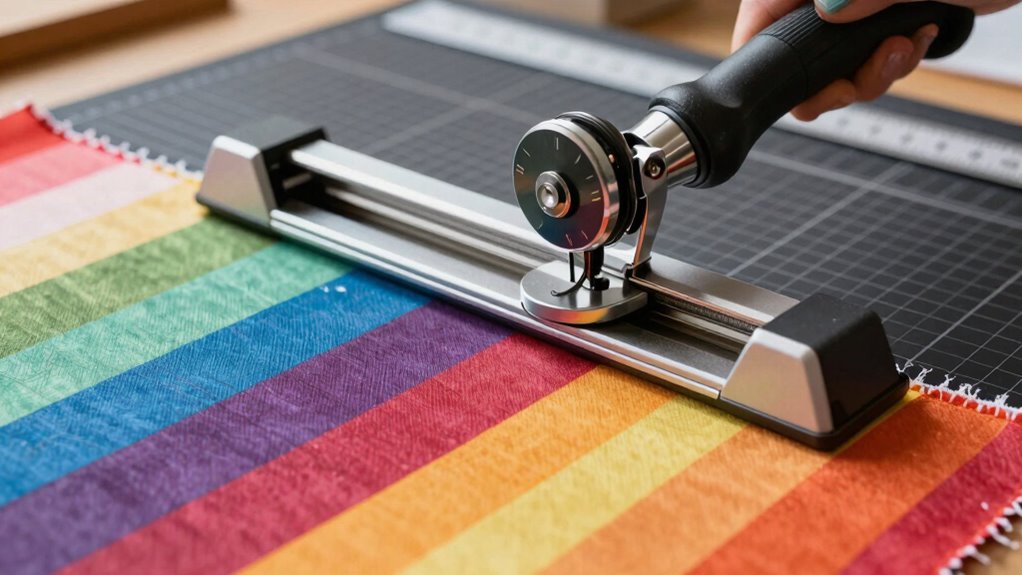
Ragged edges on your fabric can be frustrating, but understanding the common causes and quick fixes can save you time and material. If your fabric starts fraying easily, check if your blade is dull or misaligned, as this can cause uneven cuts. Machine malfunctions, like inconsistent speed or tension issues, often lead to ragged edges. Make sure your machine is properly maintained and adjusted. If you notice persistent fabric fraying despite these fixes, it might be time to seek professional help or consult the manufacturer. Sometimes, worn parts or internal issues require expert inspection to prevent further damage. Addressing these problems early can keep your cuts clean and your workflow smooth, saving you frustration and wasted fabric. Regular machine maintenance can help identify issues before they cause fabric fraying, ensuring cleaner cuts and longer equipment lifespan. Additionally, understanding exposure to wear and tear can help in planning timely repairs and replacements. Being aware of proper tension settings is also essential to prevent uneven cuts that lead to ragged edges. Proper blade sharpness and correct alignment are crucial to achieving smooth, professional results in your fabric cuts.
Tools and Accessories That Improve Fabric Cutting Precision
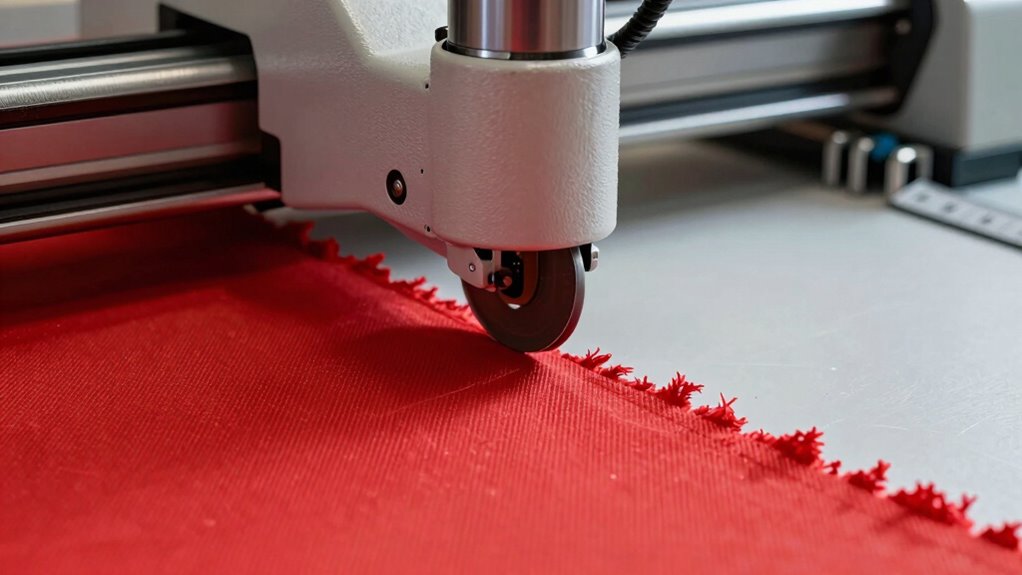
Using the right tools and accessories can considerably enhance your fabric cutting accuracy. High-quality tools help you achieve clean, straight edges every time. For precision, consider these essentials:
- Fabric scissors – Sharp, well-maintained scissors ensure smooth cuts without fraying or jagged edges.
- Rotary cutters – Ideal for straight, even cuts, especially when paired with a self-healing cutting mat.
- Cutting mats and rulers – Provide stability and accurate measurements, preventing slips and uneven edges.
- Proper technique and foraging tools also play a crucial role in achieving precise cuts, ensuring consistent results and reducing material waste.
Choosing the right combination of fabric scissors and rotary cutters, along with proper mats and rulers, helps you avoid ragged edges and improves your overall cutting precision. These accessories make your work more efficient and professional-looking.
Frequently Asked Questions
What Are the Common Signs Indicating My Cutting Machine Needs Servicing?
If your cutting machine needs servicing, you’ll notice inconsistent cuts or ragged edges, which often indicate issues with machine calibration or blade alignment. You might also hear unusual noises or experience difficulty in cutting through fabric smoothly. These signs suggest it’s time to check and adjust the calibration, realign the blade, or seek professional servicing to guarantee precise cuts and prevent damage to your materials.
Can Different Types of Fabric Affect the Quality of Cut Edges?
Did you know that fabric weave and fiber composition influence cut edge quality? Different types of fabric can markedly affect your cuts; for example, tightly woven fabrics typically produce cleaner edges, while loosely woven or stretchy materials may cause fraying. You should adjust your machine settings accordingly and choose the right blade for each fabric type. This guarantees sharp, smooth edges, reducing the risk of ragged cuts and fabric waste.
How Does Blade Sharpness Impact the Precision of Fabric Cuts?
Blade sharpness directly impacts the precision of your fabric cuts. When you maintain your blade regularly, it stays sharp, ensuring clean, accurate edges. Conduct sharpness testing often to catch dullness early, and perform blade maintenance like cleaning and honing. A sharp blade slices smoothly through fabric, reducing ragged edges and fraying. Proper upkeep guarantees your cutting machine delivers precise results every time, saving you time and material.
Are There Specific Safety Precautions for Operating Fabric Cutting Machines?
You need to prioritize safety when operating fabric cutting machines. Always wear safety gear, like gloves and goggles, to shield yourself from accidental cuts or debris. Keep the machine well-maintained, checking blades and moving parts regularly to prevent malfunctions. Stay focused, avoid distractions, and follow manufacturer instructions carefully. Proper safety precautions ensure your work is precise and injury-free, turning a potentially hazardous task into a safe and efficient process.
What Environmental Factors Can Influence Cutting Accuracy and Edge Quality?
Environmental factors like humidity fluctuations and ambient temperature can impact your cutting accuracy and edge quality. When humidity rises, fabric may become more elastic or swell, causing uneven cuts. High or low temperatures can affect machine performance and fabric stability. To maintain ideal results, keep your workspace climate-controlled, monitor humidity levels, and guarantee consistent ambient temperature. This helps your cutting machine operate smoothly and produces clean, precise edges every time.
Conclusion
By paying close attention to your tools and techniques, you can transform your fabric cutting experience into a smooth, satisfying journey. With patience and care, those pesky ragged edges will become a thing of the past, revealing the crisp, professional finish you desire. Embrace the process, and you’ll find every cut brings you closer to your creative vision. Remember, perfection is a gentle art, and every step takes you closer to mastery.