When choosing eco-friendly fabrics, you can opt for organic cotton, which avoids harmful chemicals and conserves water, or sustainable fibers like hemp and linen that are durable and biodegradable. Cellulose-based options such as Tencel and Lyocell are produced with eco-friendly processes, and recycled polyester helps reduce plastic waste. Innovative materials like bamboo fabric and emerging options like algae or mushroom fibers offer even more sustainable choices. Keep exploring to discover the best eco fabrics for your needs.
Key Takeaways
- Organic fibers like organic cotton, hemp, linen, and bamboo are sustainable, biodegradable, and require fewer chemicals and water during cultivation.
- Cellulose-based fibers such as Tencel and Lyocell are eco-friendly, biodegradable, and produced using water- and energy-efficient closed-loop processes.
- Recycled fibers from plastic bottles, like recycled polyester, reduce waste, conserve resources, and lower carbon emissions in textile production.
- Eco-conscious fabrics prioritize minimal chemical use, low water and energy consumption, and support sustainable farming and manufacturing practices.
- Innovations include plant-dyed, bio-based, and dye-free fabrics that enhance durability and further reduce environmental impact.

Organic Cotton Muslin Fabric by Yard – 2 Yards, 60" Wide, Unbleached Dress Fabric for Blouses, Liners, Aprons and Bags – Lightweight Cotton Material in Plain Weave (2 Yards)
Organic Cotton Muslin Dress-Making Fabric – This 100% cotton muslin fabric is 60 inches wide and 2 yards…
As an affiliate, we earn on qualifying purchases.
As an affiliate, we earn on qualifying purchases.
Organic Cotton and Its Benefits

Organic cotton is a sustainable alternative to conventional cotton because it’s grown without synthetic pesticides or fertilizers. This method of organic cotton cultivation supports healthier soil, reduces water usage, and minimizes environmental pollution. By choosing organic cotton, you’re endorsing the benefits of organic farming, which promotes biodiversity and avoids harmful chemicals that can harm farmers and ecosystems. Organic farming practices also encourage crop rotation and soil enrichment, making the land more resilient over time. These benefits translate into softer, high-quality fabrics that are free from toxic residues, making them safer for your skin. Supporting organic cotton cultivation helps reduce your carbon footprint and promotes eco-friendly practices in the fashion industry. It’s a conscious choice that aligns with a more sustainable, healthier future. Additionally, choosing organic cotton often involves sustainable harvesting methods that further protect the environment.

Homiest 100% Rayon Derived from Bamboo Fabric by The Yard, 1 Yard x 60 Inch Wide Light Gray Cloth Fabric, Soft & Cooling Lining Fabric for Dress, Clothing Making, DIY Crafts (Pre-Cut)
COOLING SILKY FABRIC – Made from 100% rayon derived from bamboo, cooling and shinny finish classic looking, super…
As an affiliate, we earn on qualifying purchases.
As an affiliate, we earn on qualifying purchases.
Tencel and Lyocell: Sustainable Cellulose Fibers

Tencel and Lyocell are great options if you’re looking for eco-friendly fabrics. They’re produced using processes that save water and energy, making them more sustainable. Plus, they’re biodegradable and compostable, helping reduce waste in the long run. Eco-conscious manufacturing methods further minimize environmental impact during production.
Eco-Friendly Production Processes
Because sustainable production methods are essential for eco-friendly fabrics, Tencel and Lyocell stand out as innovative options. Their manufacturing processes use a closed-loop system that recycles water and solvents, minimizing pollution. This approach reduces the need for harmful chemicals often used in textile dyeing, making the entire process more eco-friendly. Additionally, these fibers are produced with eco friendly packaging, which further decreases environmental impact. The production process is energy-efficient and reduces waste, contributing to a smaller carbon footprint. By choosing Tencel and Lyocell, you support sustainable practices that prioritize environmental health. Their eco-friendly production methods demonstrate how AI Safety can lead to fabrics that are better for the planet without sacrificing quality or style.
Biodegradable and Compostable
Are you aware that Tencel and Lyocell fibers are not only eco-friendly but also biodegradable and compostable? These sustainable cellulose fibers break down naturally through specific composting methods, returning nutrients to the soil without leaving harmful residues. When you choose fabrics made from Tencel or Lyocell, you support responsible disposal, especially if they’re dyed with biodegradable dyes, which further reduce environmental impact. Proper composting accelerates the decomposition process, making it easier to dispose of these fabrics sustainably. Unlike synthetic fibers, which can persist for hundreds of years, Tencel and Lyocell decompose within a few months under the right conditions. This natural biodegradability helps minimize landfill waste and promotes a circular approach to fashion, aligning your choices with eco-conscious principles. Incorporating these fibers into your farmhouse kitchen textiles can enhance sustainability without compromising style or durability.
Reduced Water and Energy Use
Choosing fabrics like Tencel and Lyocell supports sustainability not only through biodegradability but also by reducing water and energy consumption during production. These fibers are made using processes that prioritize water conservation, cutting down on the vast amounts typically needed for traditional textiles. Their manufacturing also emphasizes energy efficiency, using closed-loop systems that recycle water and solvents, minimizing waste. As a result, Tencel and Lyocell require less energy compared to conventional fabrics, lowering your environmental footprint. Additionally, these fibers are produced using eco-friendly manufacturing processes, which further reduce their environmental impact. By choosing these fibers, you help promote responsible resource use and support eco-friendly practices. Overall, their production methods demonstrate that sustainable fabric choices can be both environmentally conscious and high-quality, making them an excellent option for eco-minded consumers.

CRZ YOGA Mesh Workout Shirts for Men – Lightweight Breathable T-Shirts Running Athletic Training Short Sleeve Tops Forest Green X-Large
Designed for training
As an affiliate, we earn on qualifying purchases.
As an affiliate, we earn on qualifying purchases.
Recycled Polyester and Plastic Bottles

Recycled polyester made from plastic bottles offers significant sustainability benefits by reducing waste and conserving resources. The manufacturing process transforms these bottles into durable fibers, maintaining textile performance while lowering environmental impact. This innovative process also involves proper storage techniques to ensure the fibers retain their quality over time, further enhancing their eco-friendly appeal. This makes recycled polyester a smart choice for eco-conscious consumers seeking quality fabrics.
Sustainability Benefits
By transforming plastic bottles into fiber, recycled polyester offers a significant environmental advantage. It supports recycling initiatives by repurposing waste that would otherwise pollute landfills or waterways. This process contributes to a reduced carbon footprint in three key ways:
- Decreases reliance on virgin petroleum, conserving natural resources.
- Lowers greenhouse gas emissions compared to traditional polyester production.
- Promotes circular economy practices by reusing existing materials.
Choosing fabrics made from recycled polyester helps you actively contribute to sustainability efforts and minimizes environmental harm. It’s a practical way to reduce waste and emissions while still enjoying high-quality, durable textiles. Overall, this approach aligns with eco-conscious values and encourages a more sustainable fashion industry.
Manufacturing Processes
Have you ever wondered how plastic bottles transform into the fabrics we wear? The process begins by collecting and cleaning bottles, then melting them down into pellets. These pellets are spun into fibers through a process called fiber blending, where recycled polyester is created. Manufacturers often use dyeing techniques that are more eco-friendly, such as digital dyeing or low-water methods, reducing environmental impact. Once the fibers are produced, they’re woven or knitted into fabric, ready for garment manufacturing. This process minimizes waste and conserves resources compared to traditional textile production. By recycling plastic bottles, you contribute to reducing landfill waste and plastic pollution. The manufacturing process emphasizes sustainable practices, ensuring that recycled polyester fabrics are not only eco-friendly but also durable and versatile for your wardrobe. Understanding supply chain can help consumers make more environmentally conscious choices when selecting fabrics.
Textile Performance
Because recycled polyester is derived from plastic bottles, it offers impressive durability and resilience, making it suitable for a variety of fabric applications. Its textile performance can be enhanced through effective dye fixation, ensuring vibrant, long-lasting colors without extra chemicals. Additionally, recycled polyester provides excellent fabric stretch, which boosts comfort and flexibility in activewear or everyday clothing. To optimize performance, consider these aspects:
- Proper dye fixation techniques improve color vibrancy and reduce fading over time.
- Fabric stretch depends on fiber blending and knitting methods, affecting fit and comfort.
- The sustainability benefits are amplified when performance features like dye fixation and stretch are achieved efficiently.
- Understanding the chemical properties of recycled polyester can help in selecting the most suitable finishing processes to enhance both durability and comfort.
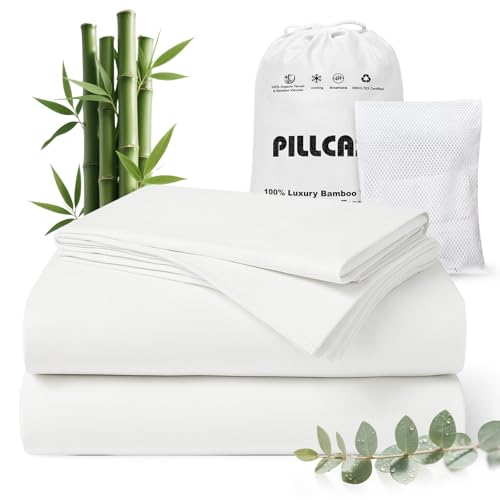
Luxury Organic Tencel & Viscose from Bamboo Cooling Sheet Set,Silky Soft Lyocell Sheets with Deep Pocket, Hypoallergenic & Breathable Bedding with Pillowcases (White, King)
【Selected high-quality materials】 Viscose from bamboo & organic tencel sheet set. Softer than silk, more breathable than cotton,…
As an affiliate, we earn on qualifying purchases.
As an affiliate, we earn on qualifying purchases.
Hemp: A Durable and Eco-Friendly Fiber
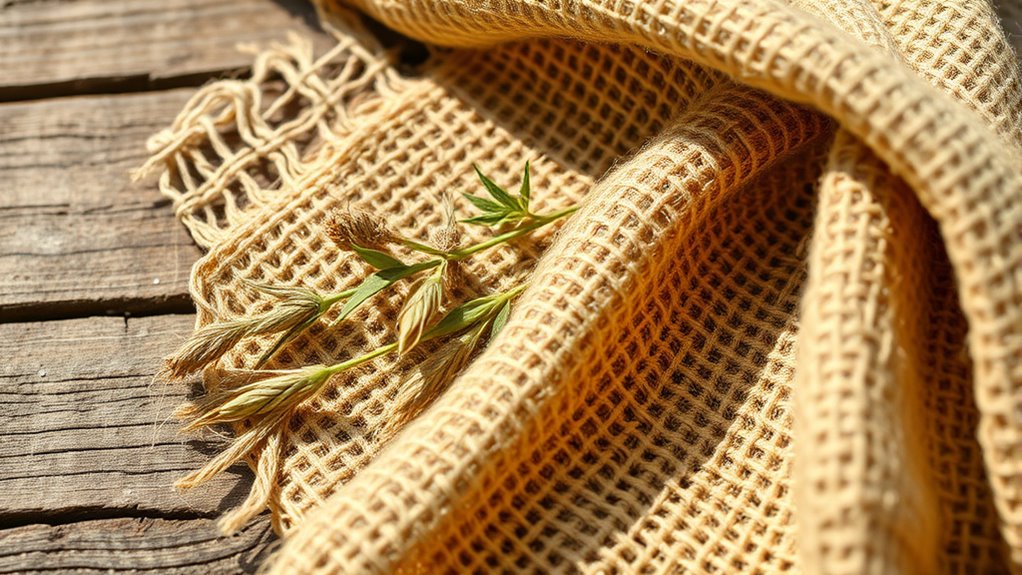
Hemp stands out as a highly durable and eco-friendly fiber that’s gaining popularity in sustainable fashion. Its fiber cultivation requires minimal water, pesticides, or fertilizers, reducing the environmental impact. Hemp grows quickly, densely, and enriches the soil, making it an excellent crop for eco-conscious producers. Its fibers produce strong, long-lasting textiles perfect for everyday wear. Additionally, contrast ratio plays a crucial role in the visual quality of displays used to showcase sustainable fashion products.
Bamboo Fabric: Softness With a Low Environmental Impact

Bamboo fabric has become a popular choice for eco-conscious consumers due to its remarkable softness and low environmental impact. It offers a sustainable alternative to traditional textiles, providing significant sustainability benefits. When choosing bamboo fabric, you benefit from:
- Rapid growth cycle, which requires minimal water and pesticides.
- Biodegradability, ensuring it decomposes naturally without polluting.
- Low energy manufacturing processes that reduce carbon footprint.
- Understanding state tax implications can help consumers make more informed choices when investing in sustainable fabrics and products.
These features make bamboo fabric an excellent eco-friendly option, combining comfort with sustainability benefits. Its softness rivals that of silk, making it suitable for sensitive skin. By selecting bamboo, you support eco-friendly practices and reduce environmental damage, all while enjoying a luxurious, sustainable fabric.
Linen and Flax: Natural and Biodegradable Options

Linen and flax stand out as natural, biodegradable fabrics that are both sustainable and durable. Linen, made from flax fibers, boasts impressive linen longevity, making it a favorite for long-lasting clothing and home textiles. Flax cultivation requires minimal pesticides and water, which reduces environmental impact. As you choose linen and flax products, you benefit from their eco-friendly nature and strength. These fabrics break down naturally, leaving no harmful residues behind. Their cultivation supports sustainable farming practices, conserving resources and reducing pollution. Linen’s resilience ensures your garments stay intact over time, emphasizing quality over disposable fashion. By opting for linen and flax, you embrace materials that are gentle on the planet while providing durability and style.
Innovative Eco-Friendly Fabrics on the Horizon

As researchers and designers push the boundaries of sustainable fashion, innovative eco-friendly fabrics are emerging that could revolutionize the industry. New materials are being developed using organic farming methods, reducing reliance on harmful chemicals. These fabrics often avoid synthetic dyes, opting instead for natural colorants that lessen environmental impact. For example:
- Bio-based fibers derived from algae or mushrooms offer renewable, biodegradable options.
- Hemp and organic cotton blends utilize organic farming practices, lowering chemical use.
- Dye-free fabrics or those dyed with plant-based colors minimize pollution and energy consumption.
These innovations aim to create textiles that are both eco-friendly and durable, paving the way for a more sustainable fashion future. You’ll soon see these fabrics becoming mainstream, transforming how you choose environmentally conscious clothing.
Frequently Asked Questions
How Do Eco-Friendly Fabrics Compare in Durability to Traditional Textiles?
Eco-friendly fabrics often match traditional textiles in durability, thanks to improved fiber longevity and wear resistance. You’ll find that many sustainable materials, like organic cotton or hemp, hold up well over time with proper care. While some might wonder about their strength, these fabrics are designed to be resilient, offering you a long-lasting option that’s gentle on the environment without sacrificing durability.
Are Eco-Friendly Fabrics Suitable for All Clothing Types and Seasons?
Did you know that nearly 70% of consumers prefer eco-friendly clothing? Eco-friendly fabrics are versatile and suitable for most clothing types, including activewear and even formalwear. They adapt well across seasons, offering breathability in summer and insulation in winter. While some may question their durability, many eco-friendly options hold up well over time. So, you can confidently incorporate them into your wardrobe for all occasions and weather conditions.
What Is the Environmental Impact of Processing Eco-Friendly Fabrics?
Processing eco-friendly fabrics can still impact the environment by increasing your carbon footprint and water usage. You might think they’re completely sustainable, but manufacturing often involves energy-intensive steps and water consumption, especially for organic cotton or bamboo. To reduce your impact, look for brands that prioritize low-impact processing methods, such as natural dyes and water recycling. Being aware helps you make more eco-conscious choices, even with sustainable fabrics.
Can Eco-Friendly Fabrics Be Recycled or Composted at End-Of-Life?
Did you know that only 9% of plastics are recycled worldwide? Eco-friendly fabrics can often be recycled or composted, but biodegradability challenges and recycling infrastructure limitations make it tough. Many eco-fabrics, like bamboo or hemp, are biodegradable, but others require specific conditions to break down. You should check labels and local facilities, because proper composting or recycling depends on the fabric type and available infrastructure.
How Do the Costs of Eco-Friendly Fabrics Compare to Conventional Options?
You’ll find that eco-friendly fabrics often have a higher cost comparison than conventional options, mainly due to price factors like sustainable sourcing and eco-conscious manufacturing processes. While they may seem pricier upfront, you’ll benefit from their durability and environmental impact. Keep in mind, prices vary depending on fiber type, production methods, and market demand, so it’s worth researching specific fabrics to get a clear picture of the total value.
Conclusion
So, next time you’re shopping, remember that choosing eco-friendly fabrics might actually be the easiest way to save the planet—who would’ve thought? With all these sustainable options, you can look good and feel good about doing your part. Ironically, it’s often the simplest choices that make the biggest difference. So go ahead, pick that hemp or bamboo—your wardrobe and the Earth will thank you, even if it’s just a little.