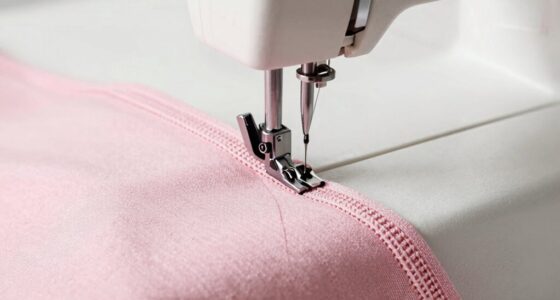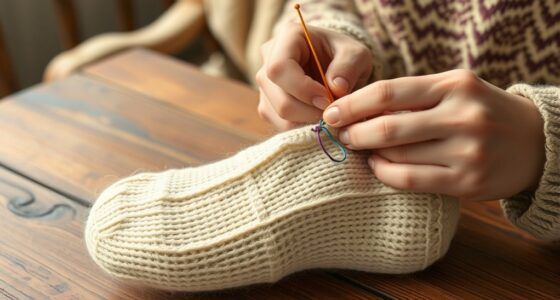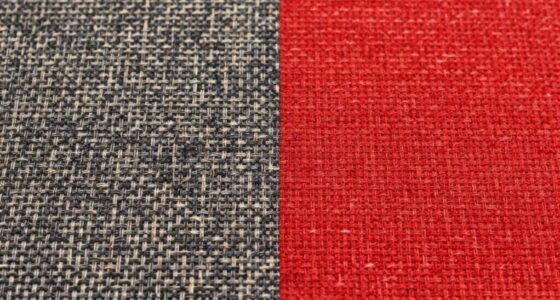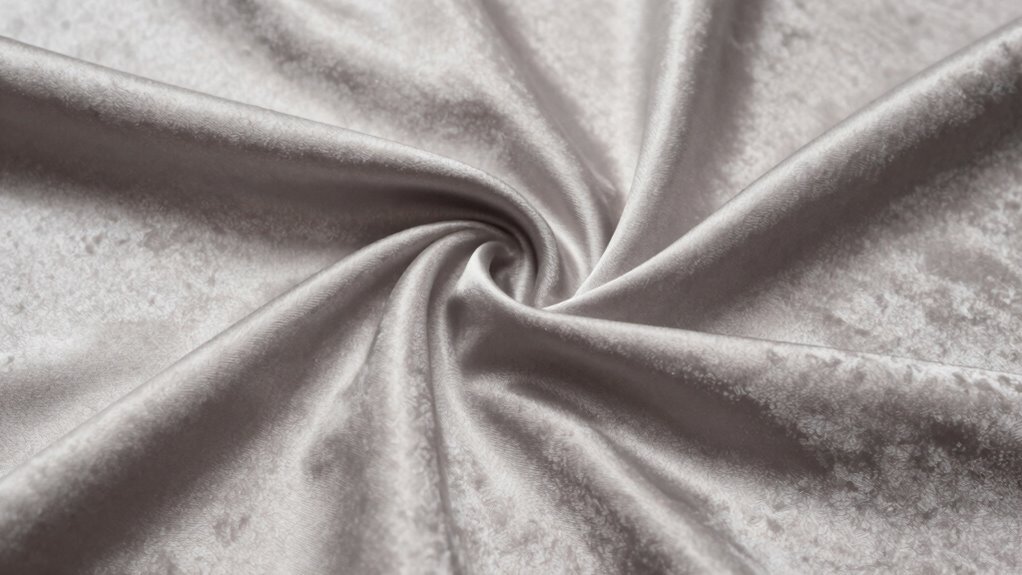

The fabric blend detail that impacts how home textiles wear is the mix of natural and synthetic fibers. Natural fibers like cotton and linen offer softness and breathability, while synthetics such as polyester and nylon provide strength and resistance to damage. Combining these fibers creates durable textiles that resist wear, tear, shrinking, and fading, even after frequent washing. To discover how choosing the right blend can boost your home’s comfort and longevity, keep exploring these essential fabric insights.
Key Takeaways
- The proportion of natural to synthetic fibers in a blend affects softness, resilience, and resistance to wear.
- Synthetic fibers like polyester enhance durability and reduce fading, impacting how textiles age over time.
- The specific fiber types and their treatment determine fabric stretch, shrinkage, and overall longevity.
- Well-balanced blends maintain appearance and feel despite frequent washing and daily use.
- Sustainable sourcing of fibers ensures eco-friendly durability and influences long-term textile performance.
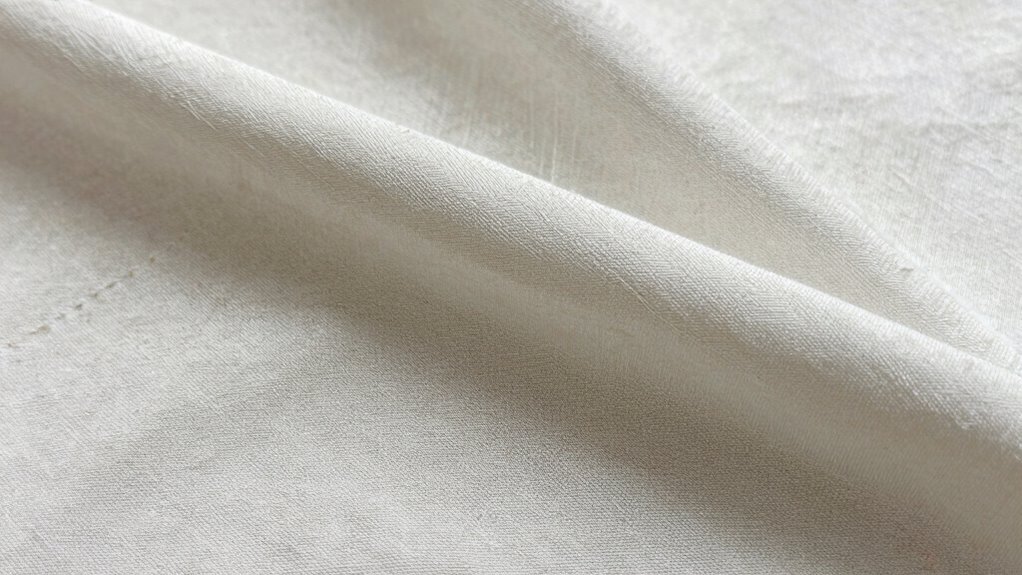
Have you ever wondered what makes a fabric feel just right or last longer? The secret often lies in the fabric blend, a careful combination of fibers that influences everything from texture to durability. When selecting home textiles, understanding the fabric blend can transform your experience, assuring your pieces stay beautiful and functional for years to come. One critical factor that impacts fabric quality is sustainable sourcing, which means choosing fibers that are environmentally friendly and ethically produced. This not only helps protect the planet but also affects the overall integrity of the textile. This is why sustainable sourcing is increasingly important in the textile industry, influencing both quality and environmental impact. When manufacturers prioritize sustainable sourcing, they often select fibers that are resilient and long-lasting, leading to textiles with enhanced textile durability. This focus on quality and responsibility guarantees that your home textiles aren’t just environmentally conscious but also more resistant to wear and tear.
The fabric blend directly influences textile durability, which is essential for items like curtains, upholstery, and bedding that see daily use. A well-balanced blend often combines natural fibers like cotton or linen with synthetic fibers such as polyester or nylon. Natural fibers lend softness and breathability, making your home textiles comfortable and inviting. Synthetic fibers, on the other hand, add strength and resistance to shrinking, stretching, or fading over time. When these fibers are combined thoughtfully, the resulting fabric is more resilient, maintaining its appearance and feel despite frequent washing and use. For example, a cotton-polyester blend might look and feel like pure cotton but will hold up better against the rigors of everyday life, saving you money and effort on replacements. Additionally, understanding the role of fabric blend details can help you select textiles that are better suited for your specific needs and lifestyle. Knowing how different fibers interact and perform together allows you to choose textiles that are tailored to your environment. Recognizing the impact of fiber interactions can also guide your decisions toward more sustainable and durable options.
Understanding the fabric blend also helps you make smarter choices for your home environment. If you want textiles that withstand high traffic or frequent cleaning, look for blends designed specifically for durability. These often incorporate synthetics to boost longevity without sacrificing comfort. Conversely, if your priority is eco-friendliness and softness, natural fiber blends with sustainable sourcing become more appealing. The key is recognizing that the right fabric blend isn’t just about aesthetics — it’s about creating textiles that perform well over time, reducing waste and the need for constant replacement. When you choose home textiles crafted from blends emphasizing textile durability and sustainable sourcing, you’re investing in pieces that genuinely enhance your living space, last longer, and align with your values. Ultimately, understanding the fabric blend details empowers you to select textiles that combine beauty, functionality, and responsibility seamlessly.
cotton polyester blend bed sheets
As an affiliate, we earn on qualifying purchases.
As an affiliate, we earn on qualifying purchases.
Frequently Asked Questions
How Does Fabric Blending Impact Allergy Sufferers?
Fabric blending can considerably impact allergy sufferers by reducing allergen retention and enhancing hypoallergenic benefits. When you choose textiles with specific blends, like natural fibers combined with hypoallergenic synthetics, you minimize dust mites and allergens trapped in the fabric. This helps improve indoor air quality, making your home safer and more comfortable. By selecting the right fabric blend, you actively reduce allergy triggers and enjoy a healthier living environment.
Are Blended Fabrics More Resistant to Stains?
Yes, blended fabrics are generally more resistant to stains. Their fabric durability improves because combining fibers creates a tighter, stronger weave that repels spills and dirt better. When you choose blended textiles for your home, you benefit from enhanced stain resistance, making maintenance easier. This increased durability means your textiles stay looking fresh longer, even with everyday use, helping you save time and effort on cleaning.
Can Fabric Blends Be Recycled or Are They Eco-Friendly?
In an era when sustainability’s as crucial as the printing press, fabric blends often aren’t eco-friendly because recycling challenges arise. You might find it tricky to recycle blended fabrics since their mixed fibers complicate separation. However, eco-friendly alternatives like organic cotton or Tencel exist, which are easier to recycle and better for the environment. Opting for these options helps reduce waste and supports sustainable textiles, making your home more eco-conscious.
Do Blend Types Vary for Different Climate Conditions?
Yes, blend types vary for different climate conditions to optimize comfort and durability. You’ll find fabrics designed with climate adaptation in mind, such as breathable cotton blends for hot weather or insulated wool blends for cold environments. The blend versatility allows textiles to perform well across various climates. By choosing the right fabric blend, you guarantee your home textiles are suited to your local conditions, enhancing longevity and comfort.
How Do Fabric Blends Affect the Feel and Texture of Textiles?
You might be surprised how fabric blends influence your textile experience. When you choose a blend, it brings textural diversity and fabric softness that can elevate your home’s comfort. The right mix enhances the feel against your skin, creating a luxurious touch that lasts. So, by understanding fabric blends, you can select textiles that feel just right, making your space more inviting with every cozy, soft detail.
Conclusion
Now that you understand how different fabric blends shape the longevity and feel of your home textiles, you’re like a seasoned chef choosing the perfect ingredients for a lasting dish. Remember, the right blend is your secret weapon for textiles that stand the test of time, wear, and tear. So, next time you pick out new linens or curtains, think of it as selecting the recipe that will keep your home looking fresh and fabulous—no matter how many times life’s fabric gets stretched.