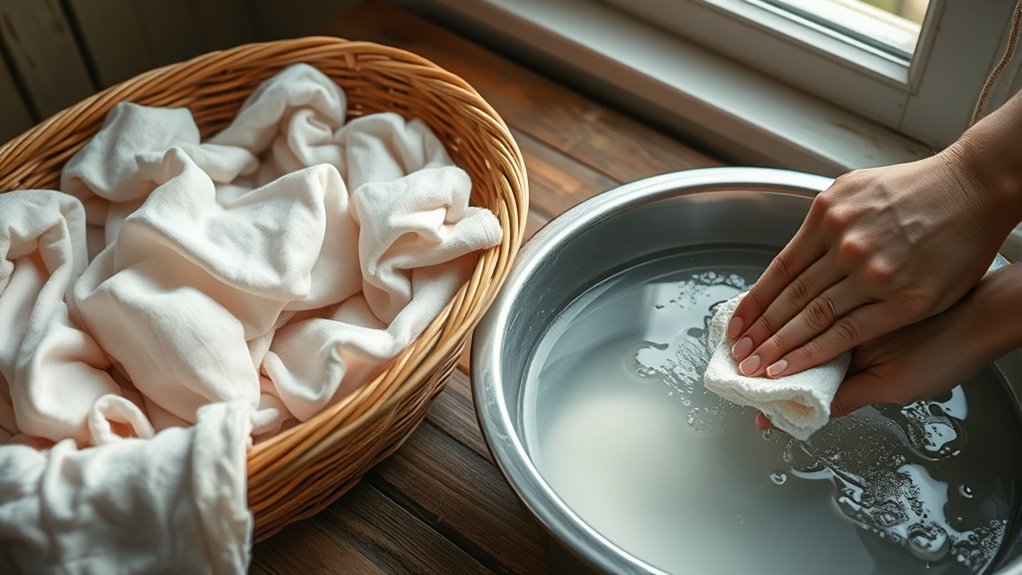

Prewashing fabrics is essential when you notice dye bleeding, or if you’re using new or unfamiliar textiles that might contain chemicals or allergens. To do it properly, sort your fabrics by color and type, then choose the right water temperature—cold for dark colors and delicate fabrics, hot for whites or heavily soiled items. Use suitable detergents and treatments, follow specific steps, and handle fabrics carefully. To master the entire prewashing process, keep exploring these tips in detail.
Key Takeaways
- Prewash new or unfamiliar fabrics to prevent dye bleeding and remove chemicals or allergens.
- Use cold water for colorful or delicate fabrics to preserve colors and prevent dye transfer.
- Check fabric care labels to determine appropriate water temperature and prewashing instructions.
- Sort laundry by color and fabric type to avoid dye transfer and fabric damage during prewashing.
- Select suitable detergents, such as enzyme-based or gentle hypoallergenic options, for effective and safe prewashing.
Recognizing When Prewashing Is Necessary
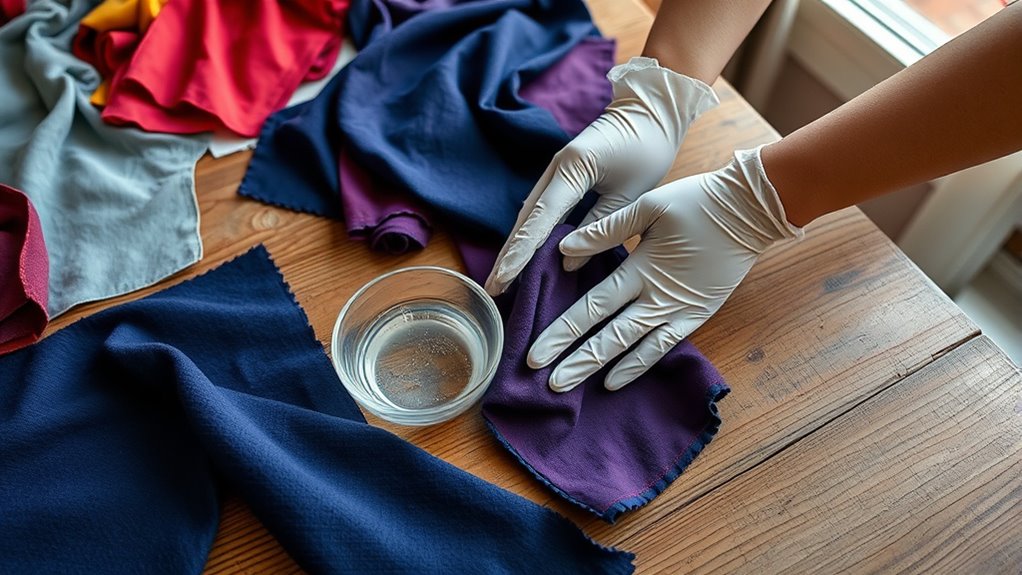
Sometimes, you can tell prewashing is necessary right from the start. If you notice fabric dye bleeding when you handle or wash the material, it’s a clear sign you should prewash before using or sewing it into other projects. Prewashing helps lock in colors and prevents dye from bleeding onto other fabrics later. Additionally, if you’re working with new or unfamiliar textiles, it’s essential for allergen removal. New fabrics may contain residues like dyes, chemicals, or allergens that can cause skin irritation or allergic reactions. Prewashing helps eliminate these irritants, making the fabric safer to use. Recognizing these signs early ensures your finished product stays vibrant and safe, saving you time and effort down the line.
Selecting the Right Water Temperature
Choosing the appropriate water temperature is crucial for effective prewashing, as it influences how well dirt, chemicals, and allergens are removed. For fabric care, selecting the right water temperature depends on the fabric type and level of soiling. Hot water is great for heavily soiled whites, disinfecting, and sanitizing, but it can damage delicate fabrics or cause colors to fade. Cold water is gentler and preserves colors and fiber integrity, making it ideal for delicate garments and lightly soiled fabrics. Warm water offers a balance, effectively cleaning while reducing the risk of damage. Always check fabric labels to determine the recommended water temperature for ideal fabric care. Proper temperature selection ensures thorough cleaning without compromising your fabrics’ longevity. Additionally, using the correct water temperature can help optimize the performance of AI-powered security systems, ensuring your laundry process remains efficient and safe.
Choosing the Appropriate Detergent and Additives
Selecting the right water temperature sets the foundation for effective cleaning, but pairing it with the appropriate detergent and additives guarantees your laundry comes out fresh and well-maintained. When choosing a detergent, consider formulations designed for specific fabrics and stains—liquids for quick dissolving or powders for heavy-duty cleaning. Pay attention to additive effects; enzymes break down proteins, while bleach brightens whites. If you’re dealing with odors or stubborn stains, select detergents with targeted formulas. For delicate fabrics, opt for gentle, hypoallergenic options. Remember, using too much detergent can cause residue, while too little may leave dirt behind. Combining the proper detergent with suitable additives ensures thorough cleaning, preserves fabric quality, and extends your clothes’ lifespan. Staying aware of AI vulnerabilities in cleaning technology can help you make safer, more effective choices.
Preparing Fabrics for Prewashing
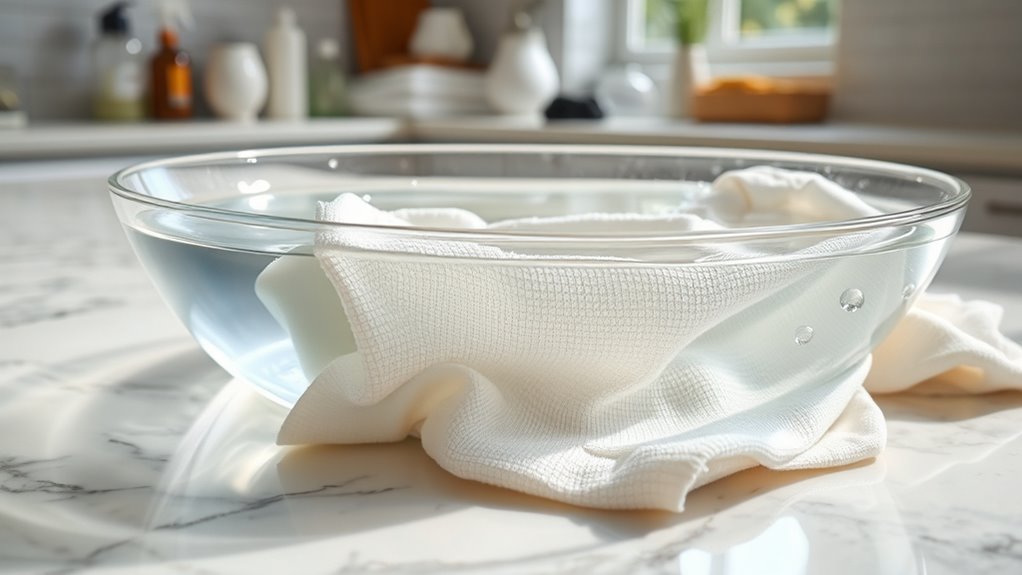
Before you start prewashing, make sure you choose the right detergent for your fabrics. Always check the care labels to see if there are any special instructions or restrictions. This way, you’ll protect your fabrics and make certain the prewash is effective. Considering the importance of fabric care guidelines, adhering to recommended practices ensures the longevity and appearance of your textiles.
Choose Appropriate Detergent
When preparing fabrics for prewashing, it’s vital to use the right detergent to guarantee thorough cleaning without damaging the material. Choose detergent types that suit your fabric’s needs, such as gentle formulas for delicate textiles or stronger options for heavily soiled items. Consider the stain removal capabilities of the detergent; some are specialized to target specific stains like grease or wine. Always opt for a detergent that balances cleaning power with fabric safety. If you’re unsure, a mild, enzyme-based detergent can handle most stains without harming the fibers. Using the appropriate detergent ensures your prewash effectively lifts dirt and stains, preparing the fabric for subsequent treatments or final wash. Incorporating Pimple Patch technology principles—such as targeted application and gentle, effective ingredients—can inspire more precise and effective cleaning methods. Picking the right product is key to achieving superior cleaning results.
Check Fabric Care Labels
Checking fabric care labels is an essential step to guarantee you prewash your textiles correctly. Labels provide crucial information on fabric dyes, helping you determine the appropriate temperature and washing method to prevent color bleeding or fading. If the label indicates the fabric is delicate or prone to bleeding, you might need to use cold water or a gentle cycle. This ensures effective stain removal without damaging the fabric or causing dye transfer. Pay attention to symbols indicating whether the fabric should be washed, dry cleaned, or hand washed. Properly reading care labels helps you avoid mistakes that could lead to color loss or fabric damage, making your prewashing process both safe and effective. Always follow the manufacturer’s instructions for best results. Additionally, understanding fabric care symbols can help you interpret label instructions more accurately and prevent accidental damage.
The Prewashing Process: Step-by-Step
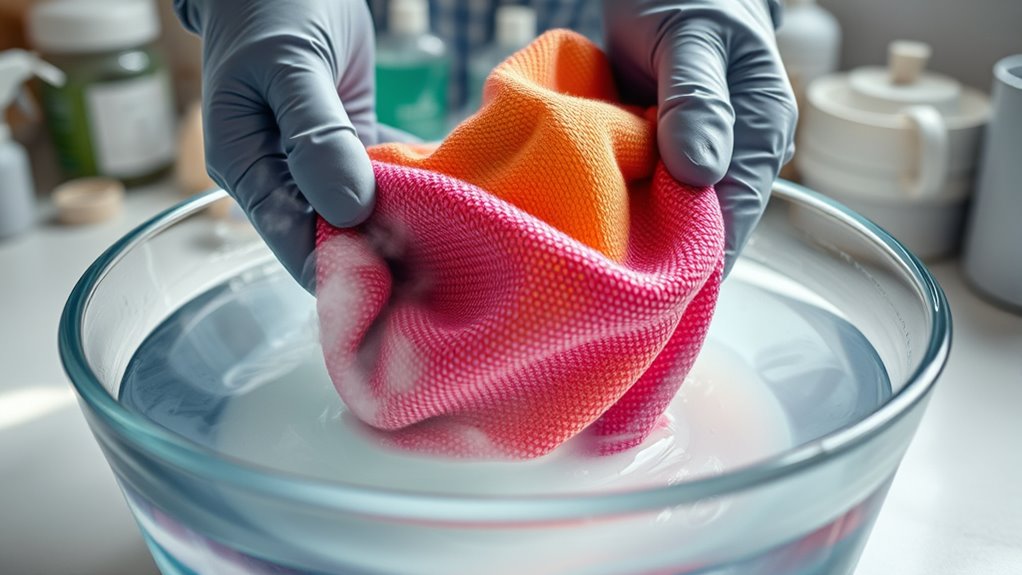
To guarantee your fabrics come out fresh and well-maintained, following a proper prewashing process is essential. Start by sorting your fabrics by color and fabric type to prevent issues like fabric dye bleeding. Use cold water for darker or brightly colored textiles to minimize dye transfer. Apply stain removal techniques to treat any spots before washing, ensuring stains don’t set during the process. Place your items in the washing machine without overcrowding to allow proper cleaning. Use a gentle cycle and the right amount of detergent. If necessary, add a color-preserving additive to prevent dye bleeding. Once the cycle finishes, promptly remove your fabrics to reduce wrinkles and set stains. This step-by-step approach ensures your fabrics stay vibrant, clean, and ready for the next steps. Additionally, selecting the appropriate waterproofing techniques can help protect your fabrics from future damage.
Drying and Ironing After Prewashing

Once you’ve prewashed your fabrics, it’s important to dry them properly to prevent wrinkles and shrinkage. Using the right drying techniques, like air drying or low heat, makes a big difference. After drying, follow some simple ironing tips to keep your fabrics looking crisp and fresh. Proper fabric care ensures your garments maintain their quality and appearance over time.
Proper Drying Techniques
After prewashing your fabrics, drying them properly is essential to prevent damage and set the shape. Use a gentle spin cycle to remove excess water, which helps with fabric softening and reduces wrinkles. Air drying is ideal; hang clothes in a well-ventilated area away from direct sunlight to prevent fading. If using a dryer, select a low heat setting to avoid shrinking and preserve fabric integrity. Proper drying also aids stain removal by preventing stains from setting further. Avoid over-drying, which can weaken fibers and cause wrinkles, making ironing more difficult later. Remember to shake out garments before hanging or folding to minimize creases. Additionally, following proper drying techniques ensures your fabrics stay soft, clean, and well-maintained.
Ironing Tips and Tricks
Proper drying sets the stage for effective ironing, helping to minimize wrinkles and make the process smoother. Confirm your fabrics are thoroughly dried, but avoid over-drying, which can make ironing harder. Using fabric softeners during the wash cycle can make fabrics more pliable, reducing wrinkles and making ironing easier. Before ironing, check for stains and treat them promptly with stain removal solutions to prevent setting. When ironing, set the right temperature for the fabric type, and iron while the fabric is slightly damp for best results. Use a pressing cloth for delicate fabrics to avoid shine or damage. Take your time, and smooth out wrinkles with steady, even strokes for a crisp, professional finish. Proper prep and technique make ironing quicker and more effective. Additionally, understanding automation technologies can help you choose the right methods and tools for more efficient and effective ironing.
Tips for Handling Different Types of Fabrics
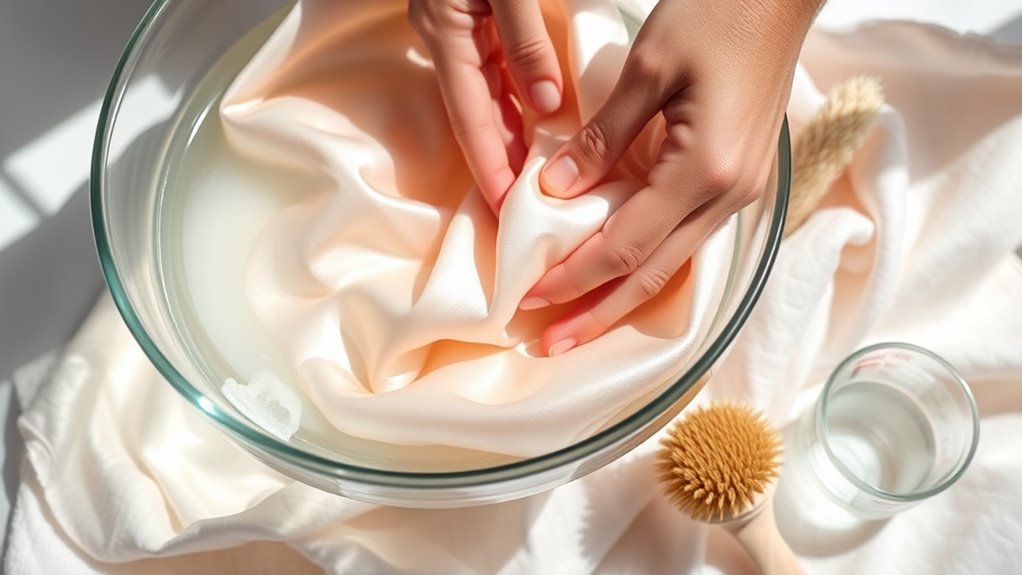
Handling different types of fabrics requires careful attention, as each material reacts differently to washing and prewashing processes. For delicate fabrics, use cold water to preserve fabric color and prevent fading. When dealing with stains, identify the fabric type first, since some materials need gentle stain removal techniques, while others can handle stronger treatments. For example, natural fibers like cotton absorb stain removers quickly, but synthetic fabrics may require milder solutions to avoid damage. Always check care labels before washing. Prewashing helps set fabric color and remove excess dye, reducing bleeding during subsequent washes. Be mindful of specific fabric needs to avoid shrinking or deforming. Additionally, understanding the contrast ratio of your washing setup can improve your ability to judge water temperature and detergent effectiveness. Proper handling ensures your clothes stay vibrant, stain-free, and in excellent condition longer.
Frequently Asked Questions
How Often Should I Prewash New Fabrics Before Use?
You should prewash new fabrics before use every time you buy them, especially if you plan to make clothing or bedding. Prewashing helps remove manufacturing odors and loose fibers, ensuring fabric softening and comfort. It also prevents color bleeding and shrinking later. Always use gentle detergent and consider adding a fabric softening agent to enhance softness. Doing this regularly keeps your fabrics fresh, clean, and ready for their best performance.
Can Prewashing Damage Delicate or Vintage Fabrics?
Prewashing delicate or vintage fabrics can sometimes cause damage due to fabric fiber sensitivity. You might weaken the fibers or cause fading if you’re not careful. For vintage fabric care, it’s best to handle these fabrics gently, using cold water and mild detergents. Always test a small, hidden area first. If unsure, consider consulting a professional to avoid risking damage to your precious pieces.
Is Prewashing Necessary for All Types of Clothing?
Prewashing isn’t necessary for all clothing types, but it’s a good idea for new or heavily soiled items. You should skip prewashing if your clothes are clean or delicate. Use eco-friendly detergents to protect fabrics and the environment, and avoid fabric softeners on delicate or vintage pieces to prevent damage. For best results, follow care labels, and prewash only when needed to maintain your clothes’ quality and longevity.
How Do I Prevent Color Bleeding During Prewashing?
Think of it like a cautious dance with your fabrics. To prevent color bleeding during prewashing, use colorfastness tips—wash new clothes separately the first few times. Conduct fabric dye tests by dampening a hidden fabric spot with water and pressing with a white cloth; if color transfers, wash separately. This way, you protect your wardrobe’s vibrant hues and keep your clothes looking fresh longer.
What Should I Do if My Fabric Shrinks After Prewashing?
If your fabric shrinks after prewashing, don’t worry—you can try resizing it. First, gently stretch the fabric back to its original dimensions while it’s damp. Use resizing techniques like pinning or laying it flat on a towel to reshape. For future prevention, wash fabrics in cold water and avoid high heat drying, which can cause fabric shrinkage. These steps help maintain your fabric’s size and shape.
Conclusion
Prewashing fabrics helps guarantee your clothes look their best and last longer, especially for new or delicate items. While it might seem time-consuming, following the right steps makes it straightforward and worthwhile. Keep in mind, some fabrics don’t need prewashing, so trust your judgment to avoid unnecessary effort. With a little practice, you’ll confidently know when and how to prewash, giving your wardrobe a fresh start without risking damage or color bleeding.