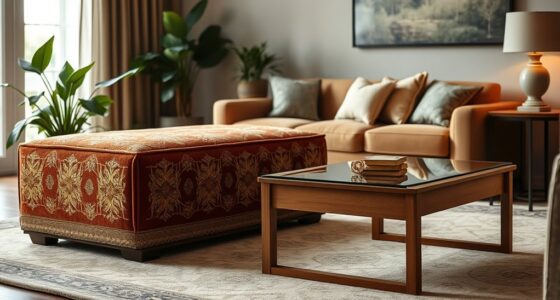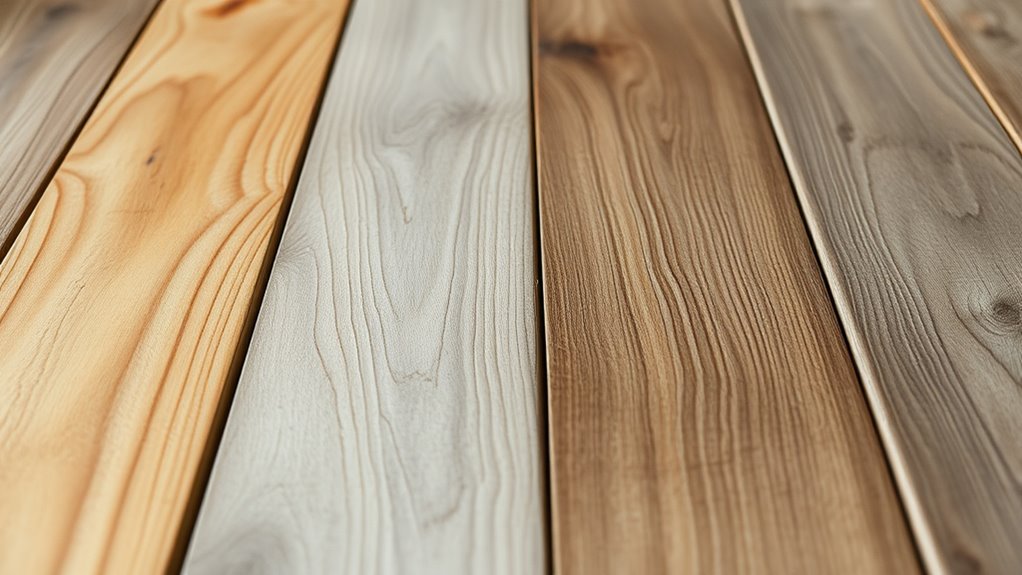

To mix wood tones without clashing, focus on understanding the underlying undertones, like red, yellow, or gray. Balance light and dark woods wisely, using neutral colors to create harmony and bridge different shades. Incorporate varied textures and grain patterns for visual interest, but keep the overall look cohesive. Limiting the number of finishes and thoughtfully integrating reclaimed or weathered wood can enhance unity. Exploring these tips further can help you craft a stylish, harmonious space.
Key Takeaways
- Balance light and dark wood elements evenly to prevent visual overload and create harmony.
- Use neutral colors like beige or taupe to seamlessly connect different wood tones.
- Match similar grain patterns and undertones for cohesive, unified decor.
- Incorporate textured finishes and varied grain patterns to add depth without clashing.
- Limit the number of different wood finishes to maintain a balanced, harmonious space.

Thboxes Furniture Repair Kit Wood Markers, 13 Pcs Marker Set and Wax Sticks with Sharpener, 6 Colors Furniture Markers Touch Up for Scratches Stains Holes Bedposts Floors Tables Cabinets Desks
13-PIECE FURNITURE REPAIR KIT–Includes 6 furniture repair markers, 6 wax filler sticks, and 1 sharpener. These wood markers…
As an affiliate, we earn on qualifying purchases.
As an affiliate, we earn on qualifying purchases.
Understanding Color Undertones and Warmth

Understanding color undertones and warmth is essential when mixing wood tones because these subtle differences can dramatically affect the overall look. Your perception of warmth depends on the underlying color undertone, such as red, yellow, or gray. Recognizing these undertones helps you create harmony or contrast intentionally. For example, warm undertones like honey or cherry add coziness, while cooler undertones such as ash or gray-brown offer a modern feel. When selecting woods, consider how their warmth perception interacts with other elements in the room. A mismatch in undertones can make a space feel disjointed or unbalanced. Incorporating natural elements can further enhance the sense of harmony in mixing wood tones. By understanding these nuances, you can confidently mix wood tones that complement each other, achieving a cohesive and appealing aesthetic.

Valenrug Washable Rugs 8×10 – Stain Resistant 8×10 Area Rugs for Living Room, Non Slip Backing Printed Large Area Rugs for Bedroom, Folable Machine Washable Area Rug (8'x10', Beige)
Lightweight Washable Rug – Our washable rugs are created to make maintenance a breeze. The area rug is…
As an affiliate, we earn on qualifying purchases.
As an affiliate, we earn on qualifying purchases.
Balancing Light and Dark Wood Elements
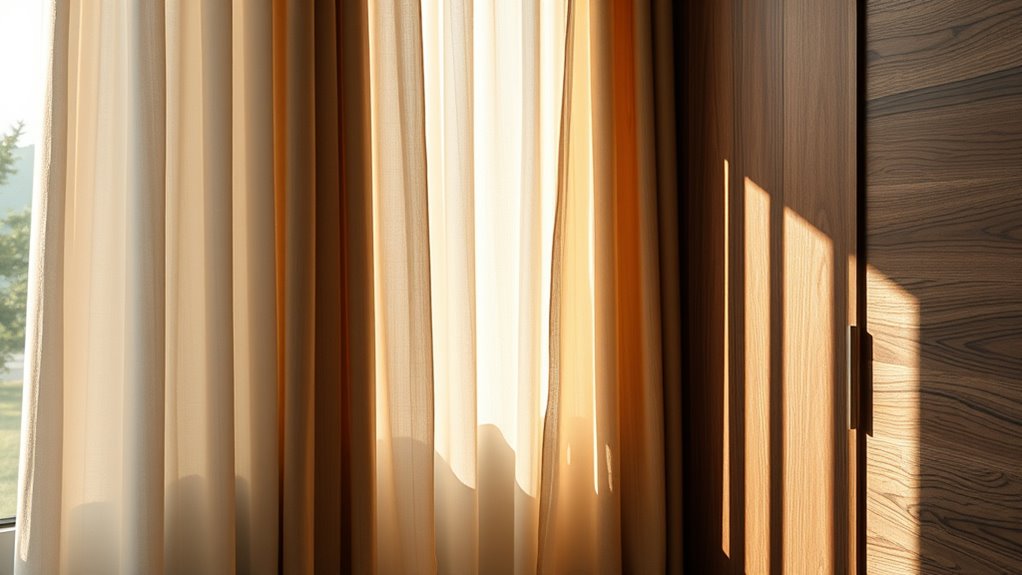
To create visual harmony in a space, balancing light and dark wood elements is key. Focus on how wood grain patterns interact—mixing smooth grains with more pronounced ones adds texture without overwhelming. When selecting furniture, consider proportions; large dark pieces can anchor a room, while lighter, smaller items soften the overall look. Avoid overwhelming the space by not clustering too many dark or light elements together. Instead, distribute them evenly to maintain balance. Use a combination of wood tones in different furniture pieces, ensuring their grain patterns complement each other. Incorporating varied wood grain patterns helps create visual interest and prevents monotony. This approach creates a cohesive, inviting environment where light and dark woods enhance each other rather than clash. Remember, thoughtful proportions and contrasting grain patterns are your tools for achieving a harmonious balance.

LUTQ Wood Grain Tool – Natural Woodgrain Maker for Decorative Painting Premium Wood Graining Tool Set Enhance Your DIY Projects with Wood Grain Patterns
Long-lasting performance: Enhance your DIY projects with the wood grain tool, a must-have for achieving authentic wood textures…
As an affiliate, we earn on qualifying purchases.
As an affiliate, we earn on qualifying purchases.
Using Neutral Colors to Bridge Different Tones
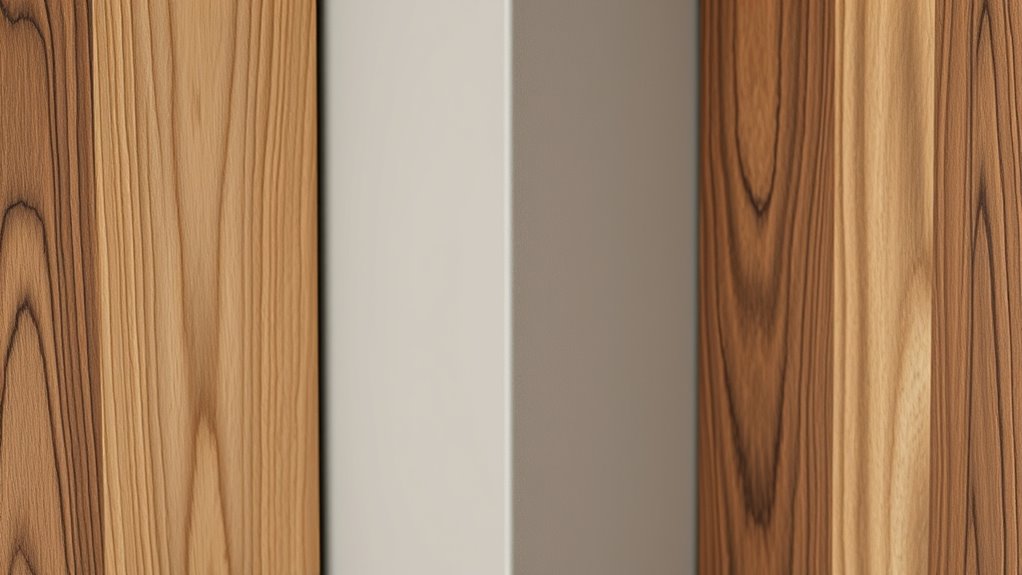
Neutral colors serve as a seamless bridge when mixing different wood tones, helping to create a unified look in your space. They soften the contrast between varying grain patterns and finish types, making progressions feel more cohesive. For example, a soft beige or taupe can harmonize lighter and darker woods, regardless of whether they have matte, gloss, or satin finishes. Using neutral tones on walls, rugs, or upholstery allows the natural beauty of each wood grain to stand out without clashing. This approach minimizes visual discord and emphasizes the complementary nature of diverse wood elements. When you select neutral colors thoughtfully, they act as a calming backdrop that ties together different wood tones and textures effortlessly. Additionally, understanding currency fluctuations can help you make smarter purchasing decisions if you’re sourcing materials internationally.

Rockin' Wood Real Wood Nail Up Application Rustic Reclaimed Naturally Weathered Barn Wood Accent Paneling Board Planks for Home Walls (46 Square feet)
RECLAIMED WOOD ACCENT: Real reclaimed and recycled wood, naturally-weathered wood paneling adds a beautiful, rustic accent to your…
As an affiliate, we earn on qualifying purchases.
As an affiliate, we earn on qualifying purchases.
Incorporating Texture and Material Variations

Incorporating texture and material variations adds depth and visual interest to your space, making different wood tones feel more intentional and cohesive. Pay attention to grain patterns; mixing subtle and bold grains creates contrast without clashing. Surface finishes also play a key role—matte, glossy, or hand-scraped finishes reflect light differently and add tactile richness. Combining smooth surfaces with textured or distressed finishes brings a layered effect that enhances visual complexity. You can balance shiny and matte surfaces or incorporate rougher textures alongside sleek woods to create harmony. By thoughtfully varying both grain patterns and surface finishes, you prevent the space from looking flat or mismatched, ensuring that each wood tone complements the others while adding character and depth. Additionally, understanding wood safety standards can help you select finishes and treatments that are both beautiful and safe for your living environment.
Practical Tips for Mixing Wood in Different Rooms
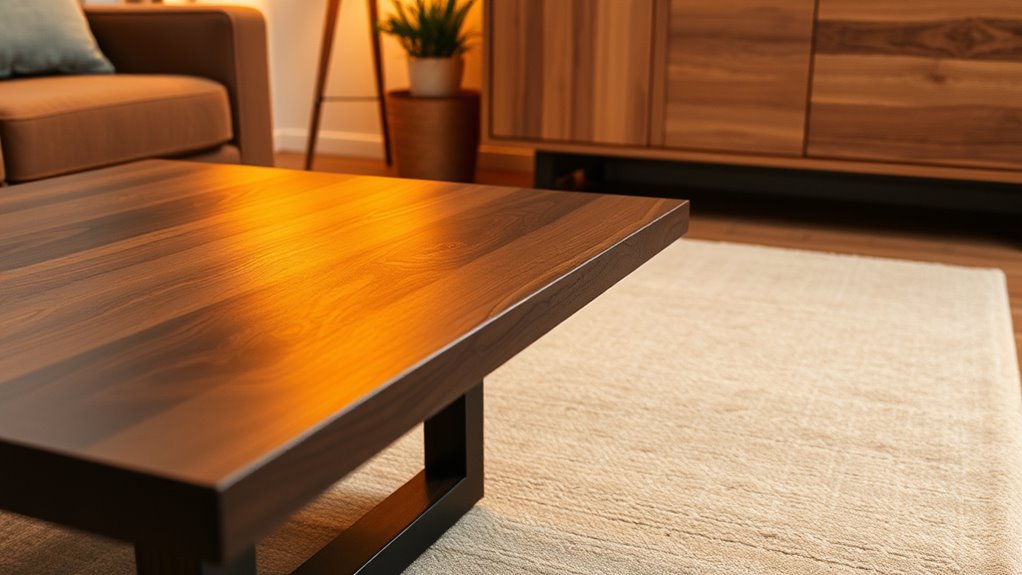
Mixing wood tones in different rooms requires practical strategies to guarantee your design feels cohesive and balanced. One key tip is to focus on matching wood grains; pairing similar grain patterns creates harmony even with contrasting shades. When mixing reclaimed wood, consider its weathered texture and unique variations—use it intentionally to add character without overwhelming the space. To keep things seamless, choose a consistent undertone or hue across rooms, such as warm or cool tones, to tie your decor together. Avoid clashing by limiting the number of different wood finishes and balancing bold pieces with more subdued ones. Remember, mixing reclaimed wood can introduce visual interest, but it’s best to do so thoughtfully, ensuring it complements other wood tones for a unified look throughout your home. Incorporating Remote Hackathons can also inspire innovative ideas for home design projects and collaborative decorating efforts.
Frequently Asked Questions
Can Mixing Wood Tones Make a Space Feel Smaller or Larger?
Mixing wood tones can make your space feel larger or smaller depending on how you create contrast. If you use high grain contrast and varied colors, your room appears more dynamic and spacious. For a cozier feel, stick to similar tones and color harmony, which creates a seamless look. Balancing contrast and harmony helps control the perception of space, making it feel open or intimate as desired.
How Do Natural Lighting Conditions Affect Wood Tone Pairing?
Natural light acts like a painter’s brush, transforming your space with lighting effects that influence how wood tones appear. Bright, direct sunlight highlights warm hues, making them glow and creating an inviting atmosphere. Soft, diffused natural light softens darker woods, adding depth and serenity. You’ll find that understanding these effects helps you choose and pair wood tones thoughtfully, ensuring your space feels harmonious and balanced under any lighting condition.
What Are Common Mistakes to Avoid When Combining Different Wood Finishes?
You should avoid mixing wood finishes with contrasting wood grain patterns and finish sheens, which can create visual discord. Don’t pair overly glossy finishes with matte ones, as it disrupts harmony. Also, steer clear of combining woods with vastly different tones or textures without a unifying element. Keep an eye on consistency in grain direction and sheen level to maintain a cohesive look that’s pleasing to the eye.
Are There Specific Wood Tones That Work Better in Certain Room Types?
In your space, choosing room-specific woods like light oak for kitchens and darker walnut for living rooms can enhance wood tone harmony. These tones complement each other well and suit the room’s purpose. Avoid mixing too many contrasting wood tones, which can create visual clutter. Instead, select woods that naturally work together or have similar undertones, making your room look cohesive and well-designed without clashing.
How Can I Update or Refresh Mixed Wood Interiors Over Time?
Think of your space as a garden that needs tending. To refresh mixed wood interiors, start with wood stain updates, which breathe new life into faded pieces. Consider furniture refinishing to unify or contrast tones creatively. Regularly cleaning and polishing also keeps everything looking fresh. Over time, these small tweaks help your interior stay harmonious and vibrant, ensuring your space remains inviting and stylish, no matter how many seasons pass.
Conclusion
By understanding the subtle dance of undertones and warmth, you can craft a harmonious symphony in your space. Think of mixing wood tones as weaving a rich tapestry, where each thread—light or dark, smooth or textured—intertwines seamlessly. With neutral hues as your gentle bridge, your design becomes a curated masterpiece. Trust your eye, embrace variety, and let your room tell a story of balanced elegance that feels both inviting and refined.