Plastic tableware, labeled with Resin Identification Codes, indicates its ability to be recycled based on the type of resin used. Keep an eye out for PETE (1) and HDPE (2) codes for options that are easily recyclable. While some curbside programs may not accept plastic tableware, reusing it is a great eco-friendly alternative. Proper sorting helps reduce environmental impact; #6 plastic can also be found in items like packing peanuts. Recyclable plastic tableware made of PETE and HDPE is both durable and sustainable, supporting environmental initiatives. Opt for these choices to convey a message that is eco-conscious. By embracing sustainable alternatives, you can make a positive impact on the planet. It’s important to understand Resin Identification Codes as the recyclability of plastic tableware can vary.
Key Takeaways
- Plastic tableware labeled with resin code #6 is recyclable.
- Many curbside recycling programs accept #6 plastic tableware.
- Reusing plastic tableware and recycling #6 plastics support sustainability efforts.
- Some recycling programs may not accept #6 plastics due to cost-effectiveness.
- Promoting recycling and reuse of #6 plastic tableware minimizes environmental impact.

FOCUSLINE Gold Plastic Plates Set of 60, Disposable Plates with Gold Rim 30 Dinner Plates 10" and 30 Salad Dessert Appetizer Plate 7", Elegant Fancy Heavy Duty Wedding Party Plates
The gold plastic plate set is safe for you and your guests! Made of durable high quality 100%…
As an affiliate, we earn on qualifying purchases.
As an affiliate, we earn on qualifying purchases.
Understanding Resin Identification Codes

Understanding Resin Identification Codes simplifies the process of categorizing plastics for recycling based on their resin type. These codes, ranging from 1 to 7, help identify the types of plastic used in products like plastic plates. For instance, PETE (1) and HDPE (2) are common codes that indicate easily recyclable plastics. On the other hand, code 7 encompasses less widely recycled plastics.
The presence of these Recycling Symbols, denoting the resin identification code, on plastic tableware aids in determining whether the plastic used is recyclable. This system was introduced by the US Society of the Plastics Industry in 1988 to create a national standard for recycling post-consumer plastics.
Educational programs, such as those by the American Chemistry Council, play an important role in informing consumers about the recyclability of different plastic products. Efforts are continuously made to enhance and update the resin identification code system for more effective recycling outcomes.

Disposable plates & cutlery Eco Friendly Tableware complete Party Set. Compostable Biodegradable Sugarcane dinnerware sets. 25 large and Small Paper Plates Forks Knives Spoons for Camping Picnic.125pc
NEW, BROUGHT TO YOUR BY A BRITISH BRAND – Sustainable and Biodegradable, crafted from sugar cane fibre (plates)…
As an affiliate, we earn on qualifying purchases.
As an affiliate, we earn on qualifying purchases.
Sorting and Recycling Plastic Tableware
Sorting and Recycling Plastic Tableware can be a straightforward process when you follow the resin identification codes. Plastic tableware, including plates, can often be recycled in curbside recycling programs if they're marked with resin identification code #6. To guarantee successful recycling, here are some key points to take into account:
- Check the resin identification code on the plastic tableware to see if it's marked with #6, indicating it's made of polystyrene (PS) and can be recycled.
- Some curbside recycling programs may not accept plastic tableware due to cost-effectiveness concerns, so it's important to verify your local recycling guidelines.
Reusing plastic tableware is another eco-friendly option to reduce waste and lessen the environmental impact of disposable items.
Properly sorting plastic tableware for recycling helps in minimizing its impact on the environment, contributing to a more sustainable waste management system.
Remember that resin code #6 plastic is also commonly used for items like packing peanuts, showing the versatility of this material for recycling purposes.
PETE and HDPE plastic tableware
As an affiliate, we earn on qualifying purchases.
As an affiliate, we earn on qualifying purchases.
Eco-Friendly Alternatives to Disposable Tableware

To explore more sustainable options beyond plastic tableware, consider switching to eco-friendly alternatives that are recyclable and durable.
Recyclable plastic tableware, such as items made from PETE and HDPE, provides a sturdy and reusable option that helps reduce the reliance on single-use plastic. By opting for these alternatives, you actively support sustainability efforts and contribute to minimizing plastic waste in landfills.
These eco-friendly choices come in a variety of styles, colors, and designs, catering to different preferences for events and everyday use. When you choose recyclable plastic tableware, you not only benefit from their practicality but also send a clear message to manufacturers about the importance of prioritizing environmentally friendly practices.
Make a positive impact by embracing these sustainable alternatives and making a conscious choice for the planet's future.

Gezond 250Pcs Disposable Paper Plates Set, Compostable Plate Sugarcane Utensils Eco Friendly Dinnerware Kit Includes 50 Biodegradable Plates, Forks, Knives and Spoons for Brithday Party Camping
Natural Material: The compostable plates are made entirely from sugarcane fibers and the cutlery is plant-based, made from…
As an affiliate, we earn on qualifying purchases.
As an affiliate, we earn on qualifying purchases.
Debunking Common Recycling Myths
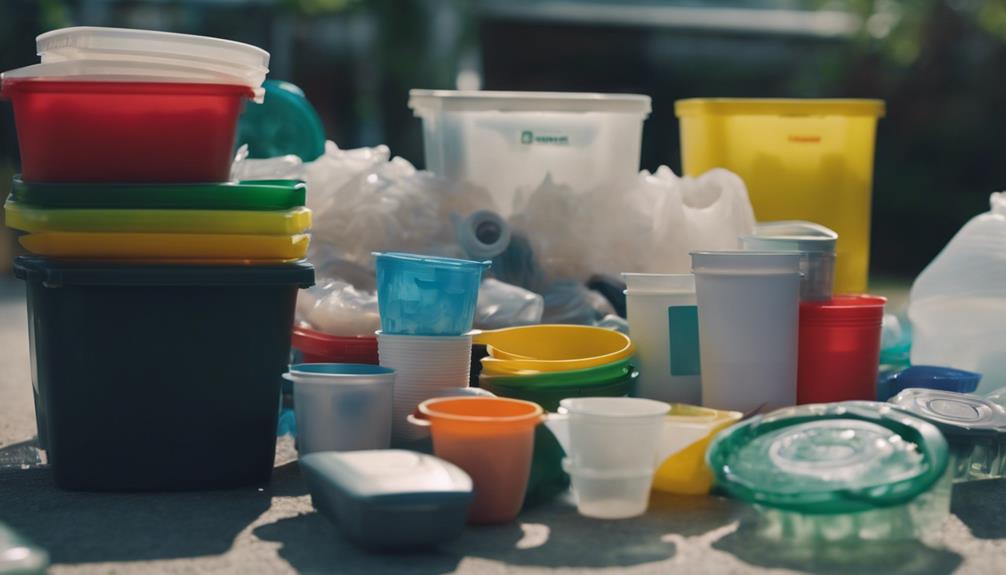
Let's clear up common recycling myths surrounding plastic tableware:
- Myth: All plastic tableware is non-recyclable; in reality, plastic tableware labeled with #6 resin identification code is recyclable.
- Myth: Recycling plastic tableware isn't economically viable; many curbside recycling programs accept #6 plastic tableware due to its recyclability.
- Myth: Recycling plastic tableware isn't environmentally friendly; reusing plastic tableware and recycling #6 plastics reduce waste and support sustainability efforts.
- Myth: #6 plastic used for tableware isn't commonly recycled; some recycling programs may not accept #6 plastics due to cost-effectiveness, but many do.
- Myth: Using single-use plastic tableware is the only option; promoting the recycling and reuse of #6 plastic tableware can help minimize environmental impact.
Promoting Sustainable Tableware Practices
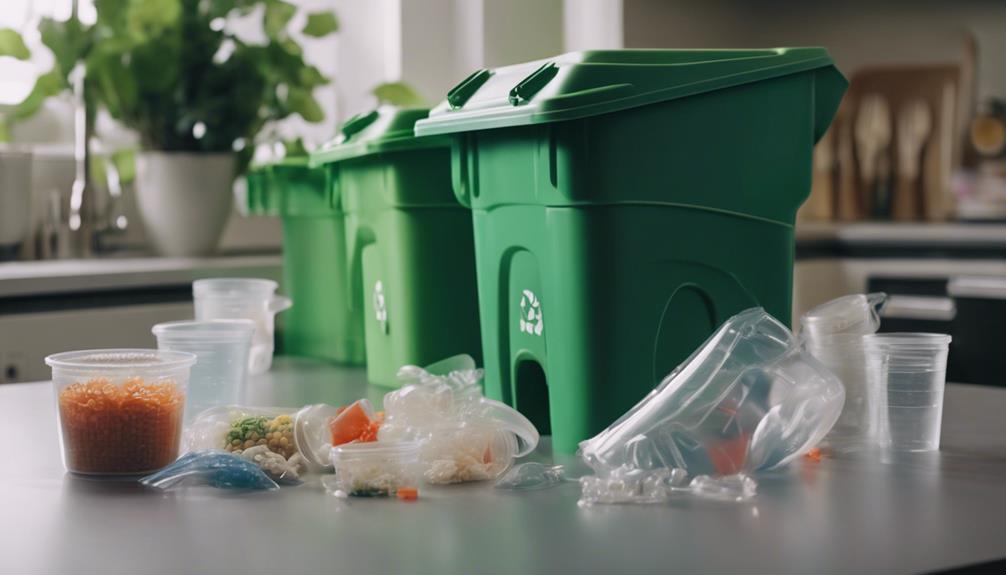
Promote sustainable tableware practices by choosing plastic tableware labeled with resin code #6 for its recyclability and eco-conscious benefits. While some curbside recycling programs accept plastic tableware, not all may do so due to cost-effectiveness.
Reusing plastic tableware is an excellent eco-conscious option that can greatly reduce waste. Proper disposal of plastic tableware is vital for contributing to sustainability efforts. Plastic tableware with resin code #6 isn't only recyclable but also commonly used for packing peanuts, making it a versatile and environmentally friendly choice.
Frequently Asked Questions
How Do You Dispose of Plastic Cutlery?
When disposing of plastic cutlery, consider recycling if your program accepts it.
If not, explore eco-friendly options like reusing for future events or donating for art projects.
Get creative with DIY projects, such as making a cutlery wind chime.
While reusing has limits, promoting sustainability and reducing single-use plastic can help cut down on waste.
Find ways to give your plastic cutlery a new purpose and help the environment.
Are Clear Plastic Cutlery Recyclable?
When you're sorting recyclables, clear plastic cutlery is worth noting. It often carries resin code 6, indicating recyclability. Many recycling programs accept this type of cutlery. However, some facilities mightn't process it due to various reasons.
Properly recycling clear plastic cutlery supports sustainability by reducing waste and creating new products. Remember, your efforts in recycling contribute to a cleaner environment and a greener future.
Which Plastic Product Cannot Be Recycled?
Plastic products that can't be recycled include:
- Styrofoam
- PVC
- Certain multilayered plastics
- Lightweight items like plastic bags and straws
- Black plastic packaging
These materials pose challenges in recycling due to issues like toxic chemicals, lack of demand for recycled materials, and difficulties in separating various components. When recycling, it's important to be aware of these non-recyclable plastics to make sustainable choices.
Can I Put a Plastic Washing up Bowl in the Recycling Bin?
You can put a plastic washing up bowl in the recycling bin if it's made from recyclable plastics like polypropylene or high-density polyethylene. Remember to clean it well before recycling to avoid contamination. Check with your local facility to make sure they accept these items.
Recycling plastic washing up bowls reduces waste and supports sustainable waste management practices. If not recyclable in your area, consider reusing it or donating it to extend its lifespan.
Conclusion
So next time you're hosting a gathering or enjoying a picnic, remember to choose recyclable plastic tableware with the appropriate Resin Identification Code.
By making small changes in your tableware choices, you can contribute to reducing plastic waste and protecting the environment.
Let's all do our part in promoting sustainability and protecting our planet for future generations.
Join the movement towards eco-friendly practices today!