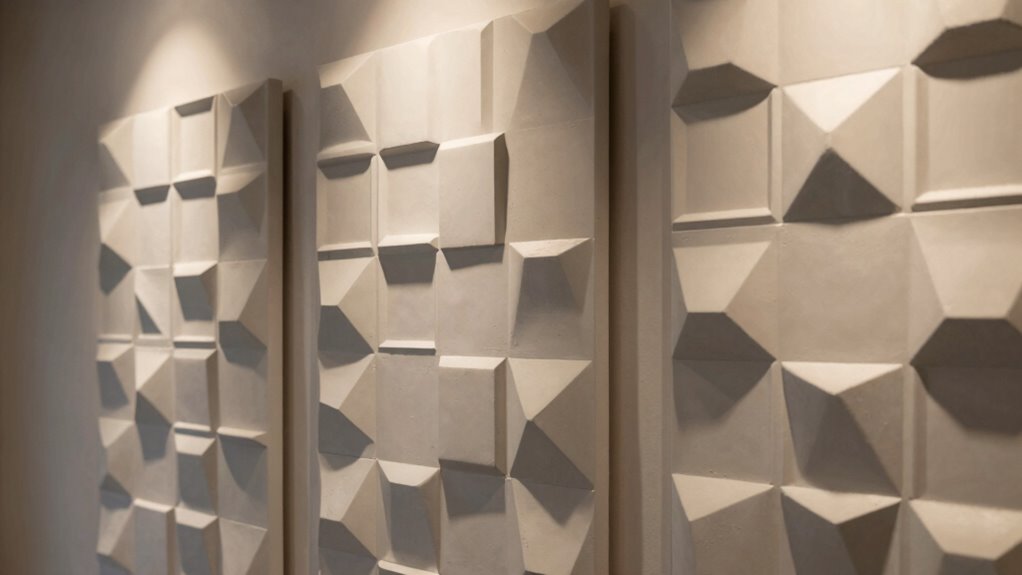

To make your 3D wall panels’ textures truly pop, focus on strategic lighting placement. Use angled, soft lighting such as wall-mounted fixtures or LED strips along panel edges to cast shadows that emphasize depth. Avoid direct overhead lights, which can flatten the effect. Adjusting light intensity and direction creates a dynamic play of shadows and highlights, enhancing your wall’s texture. Keep exploring for tips to master the perfect lighting setup and transform your space.
Key Takeaways
- Position adjustable lighting at oblique angles to cast shadows that enhance the panel’s 3D texture.
- Use warm or neutral tones in lighting to emphasize surface depth without flattening details.
- Incorporate layered lighting, like LED strips or wall-mounted fixtures, to create dynamic shadow play.
- Avoid direct, harsh lighting; opt for diffuse light to softly highlight textures and prevent glare.
- Ensure even light distribution to maximize shadow contrast and make the 3D features of the panels stand out.

Govee RGBIC LED Strip Lights, Smart LED Lights for Bedroom, Bluetooth LED Lights APP Control, DIY Multiple Colors on One Line, Color Changing LED Strip Lighting Music Sync, Home Decor, 16.4ft
Smart RGBIC Effects: RGBIC LED Strip lights for bedroom display multiple colors on one line at a time…
As an affiliate, we earn on qualifying purchases.
As an affiliate, we earn on qualifying purchases.
What Are 3D Wall Panels and How Can Lighting Make Them Pop?
3D wall panels are decorative wall coverings that add depth and texture to a room’s design. They come in various material choices, such as wood, PVC, or MDF, allowing you to select options that match your style and budget. To make these panels truly stand out, consider color contrast. Light-colored panels against dark walls, or vice versa, create visual interest and emphasize the panel’s texture. When choosing material options, think about durability and maintenance—some materials are more suited for high-traffic areas. The right combination of material choices and color contrast can transform a plain wall into a striking focal point. Additionally, color accuracy in lighting can significantly enhance the visual impact of your panels by highlighting their textures and shadows. Incorporating advanced lighting solutions, such as smart lighting systems, can further optimize the way your 3D panels are perceived by adjusting brightness and color tones for different moods. Paying attention to lighting placement can help achieve the most dramatic effects and bring out the full potential of your textured wall surfaces. Proper lighting techniques can also reduce glare and unwanted shadows, ensuring your panels look their best at all times. Utilizing ambient lighting can create a welcoming atmosphere that highlights the textured surfaces beautifully. By carefully selecting these elements, you ensure your 3D wall panels enhance your space’s aesthetic and give it a personalized touch.
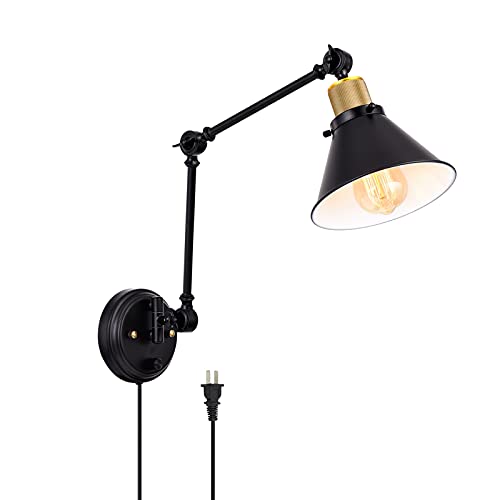
TRLIFE Wall Sconce Plug in, Dimmable Wall Sconce with Switch Swing Arm Wall Lights Plug in Wall Mounted Light Wall Sconces Lighting with 6FT Plug in Cord, E26 Base, UL Listed(Two Arms, 1 Pack)
Dimmer On/Off Switch: The wall sconce come with a dimmer knob switch on the backplate, just rotate it…
As an affiliate, we earn on qualifying purchases.
As an affiliate, we earn on qualifying purchases.
How to Choose the Best Lighting Techniques for Textured Walls

Lighting plays a pivotal role in highlighting the depth and texture of wall panels, and choosing the right techniques can dramatically enhance their visual impact. To do this, focus on ambient lighting that softly illuminates the textured surface, creating shadows that emphasize the design. Proper lighting placement is essential to ensure that shadows fall naturally and enhance the three-dimensional qualities of the panels. In addition, understanding lighting angles can help you position fixtures to maximize the visual effect of the texture. Color coordination is also key; selecting warm or neutral tones can complement the wall’s colors and make the texture stand out. Avoid overly harsh or direct lighting, which can flatten the surface. Instead, opt for fixtures that cast gentle, diffuse light across the wall, enhancing its three-dimensional qualities. Experiment with different light intensities and angles to find the perfect balance that showcases your textured wall panels beautifully. Incorporating smart lighting controls can also help you easily adjust brightness and color temperature to achieve the desired lighting effect, ensuring your textured walls look their best in any setting.

Nanoleaf Elements Wood Look Smart Wall Lights, Hexagon LED Wall Lights Work with Alexa Google Assistant, Home Wall Decor for Living Room with Music Sync, Ambient White 1500-4000K, Expansion 3 Panel
【REQUIRED】Nanoleaf Elements Smarter Kit required for use.
As an affiliate, we earn on qualifying purchases.
As an affiliate, we earn on qualifying purchases.
Where Should You Place Lights to Highlight Your 3D Wall Panels?

To effectively highlight your wall panels, you should carefully consider where to position your lights. Place lighting at an angle to cast shadows that emphasize the depth and texture of the panels. For a cohesive look, match your wall color with warm or cool lighting to enhance the 3D effect. Keep furniture placement in mind; avoid blocking key light sources that highlight the panels. Instead, position lamps or spotlights where they can cast light across the textured surface without interference. Use wall-mounted fixtures or track lighting to direct light precisely onto the panels, ensuring the texture pops and becomes a focal point. Thoughtful placement will create a dynamic, eye-catching feature that elevates your space. Additionally, understanding lighting placement techniques can help you achieve the desired dramatic or subtle effect, especially when considering lighting angles and how they influence shadow creation and texture enhancement. Mastering lighting balance is also crucial to avoid overpowering the textures or creating uneven lighting that diminishes the overall impact. Incorporating proper lighting design can further enhance the visual appeal by ensuring consistent and flattering illumination across your wall panels. Using small appliances like adjustable spotlights or LED track lights can give you more control over your lighting setup for optimal effect.
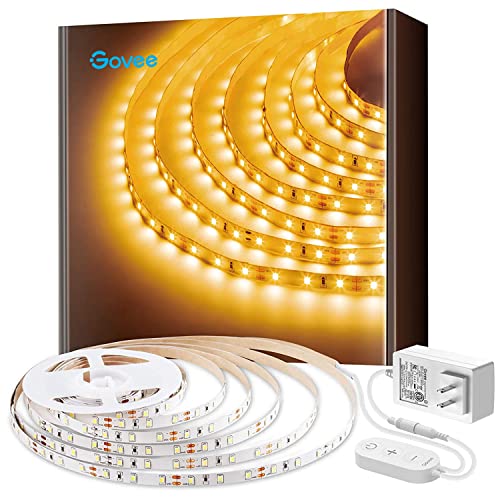
Govee Warm White LED Strip Lights, Bright 300 LEDs, 3000K Dimmable Light Strip 16.4ft with Control Box, LED Lights for Bedroom, Kitchen Cabinets, Living Room, ETL Listed Adapter Included
Warm White LED: With 300 LEDs and a 3000K color temperature, you'll enjoy an incredibly warm and bright…
As an affiliate, we earn on qualifying purchases.
As an affiliate, we earn on qualifying purchases.
Which Lighting Fixtures Work Best for Enhancing Wall Texture?
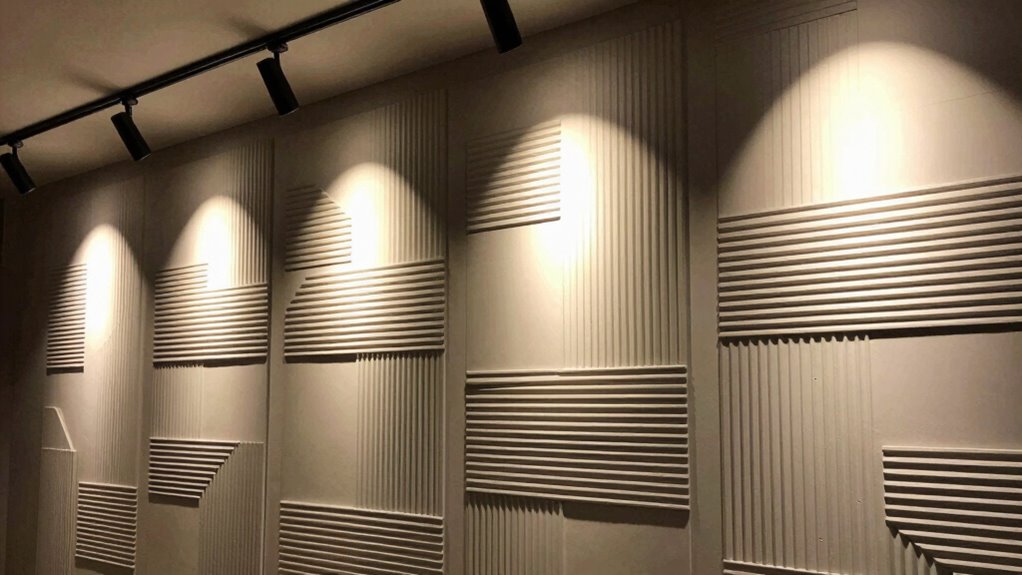
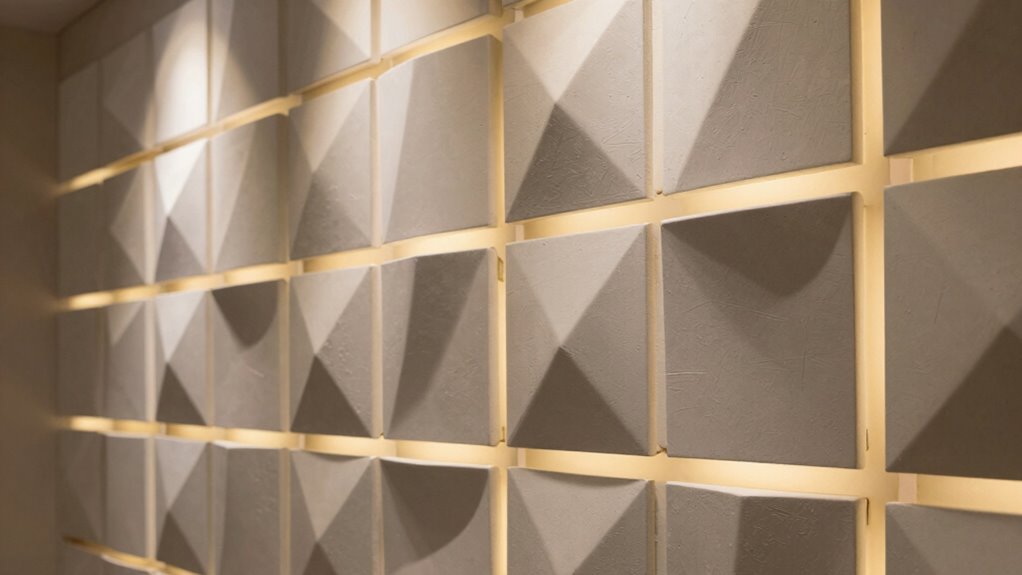
Wall-mounted fixtures and adjustable track lighting are among the best choices for highlighting textured wall panels because they allow you to direct light precisely where it’s needed. They provide versatile options to enhance the lighting effects and bring out the depth in your texture. They also offer the ability to adjust the light direction, ensuring you can customize the appearance based on the specific texture and ambiance you desire. LED strips are also effective, especially when installed along the edges of panels or behind them to create subtle shadows that enhance depth. Pendant lights, with their focused illumination, can add a dramatic effect if hung at the right height, drawing attention to specific areas of the texture. Avoid overly diffuse lighting, which can flatten the surface. Instead, opt for fixtures that offer adjustable angles and intensity, giving you control over how light interacts with the wall’s surface. Incorporating proper lighting techniques can significantly improve the visual impact of textured panels. Using light layering—combining different types of fixtures—ensures your textured panels truly stand out and add visual interest to your space.
A Step-by-Step Guide to Installing Accent Lights on 3D Panels

Installing accent lights on 3D panels can dramatically enhance their texture and visual appeal. Start by choosing LED strips that suit your space and desired brightness. Measure the length needed and cut the strips accordingly, making certain they have proper connectors. Next, plan your installation route, hiding wiring behind the panels for a clean look. Attach the LED strips securely along the edges or within grooves of the panels. Connect the strips to a power source, then install dimmer switches to control brightness and create the perfect ambiance. Test the lights to guarantee even illumination and adjust placement if needed. With these simple steps, you’ll highlight the 3D texture beautifully and create a striking focal point in any room.
Tips for Balancing Light and Shadows to Maximize Impact
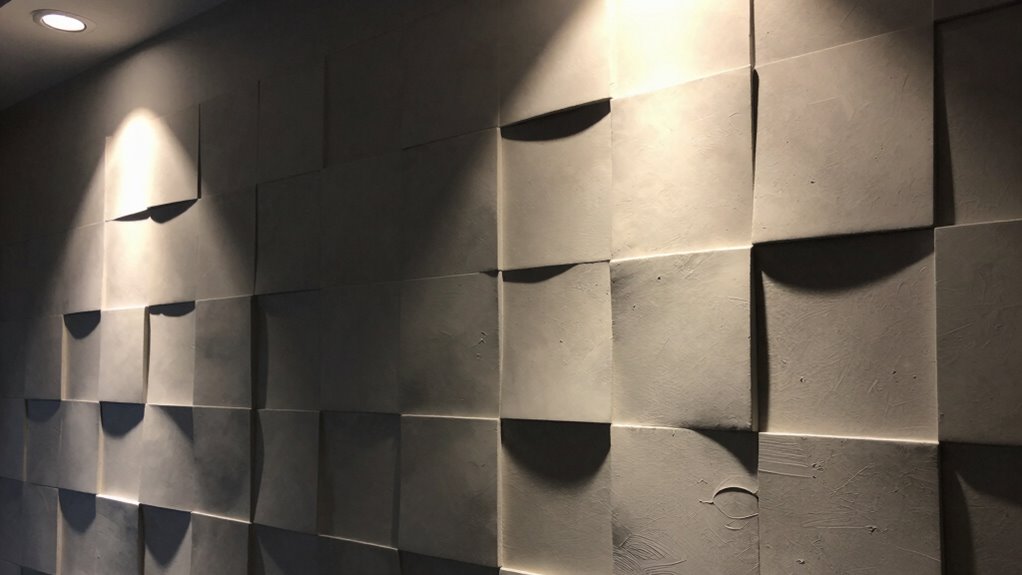
Achieving the right balance of light and shadows is essential to highlighting the depth and texture of your 3D wall panels. To do this, focus on creating strong ambient contrast, which enhances the visual interest without overwhelming the design. Adjust your lighting to emphasize shadow depth, ensuring shadows are pronounced enough to showcase the panel’s texture but not so harsh that they obscure details. Use directional lighting at an angle to cast natural-looking shadows that add dimension. Avoid overly bright or flat lighting that diminishes shadow play. Instead, aim for a harmonious interplay between light and dark areas, which draws attention to the panels’ features and makes their texture truly pop. This balance transforms your space with a dynamic and engaging visual impact.
Common Lighting Mistakes to Avoid With 3D Wall Panels
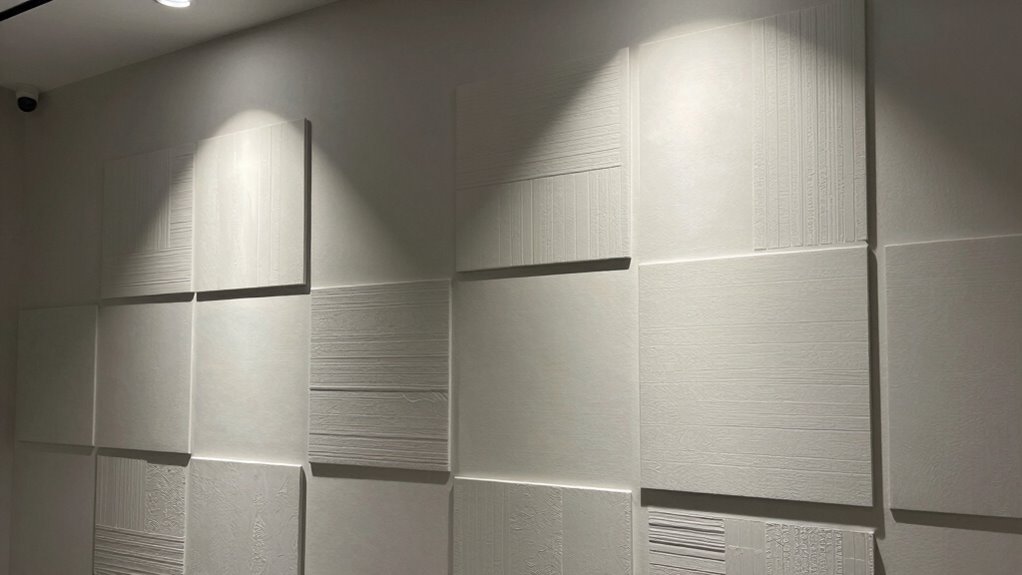
When lighting 3D wall panels, avoid placing lights incorrectly, as it can distort their texture and depth. Too bright settings can wash out the intricate details, diminishing their visual impact. Also, don’t overlook shadow effects, which are vital for enhancing the panels’ three-dimensional look. Proper lighting placement can highlight the texture effectively and create a more dynamic visual experience. Additionally, understanding light angles can help you achieve the most flattering and realistic appearance of the panels. Considering lighting consistency across the space ensures a harmonious look that emphasizes the panels’ features without creating harsh contrasts. Paying attention to proper lighting techniques can further optimize how the panels’ textures are perceived under different conditions. Incorporating innovative tech in lighting can also enhance the overall aesthetic and functionality of your lighting setup.
Incorrect Light Placement
Have you ever noticed how improper lighting can diminish the impact of 3D wall panels? Incorrect light placement can cause improper shadowing, making the texture less vibrant and reducing visual interest. To avoid this, keep these points in mind:
- Avoid placing lights directly overhead, which can flatten the depth of the panels.
- Don’t position lights too far away, causing uneven illumination and lost detail.
- Steer clear of straight-on lighting that can create harsh, unflattering shadows.
- Ensure lights are angled to highlight the panels’ textures without casting distracting shadows or glare.
- Understanding lighting techniques can help you choose the best placement to enhance your wall’s texture and overall ambiance.
Overly Bright Settings
While proper light placement is essential for showcasing the texture of 3D wall panels, setting your lights too brightly can also undermine their visual appeal. Overly bright settings can wash out the details, making the panels appear flat rather than textured. Pay attention to color temperature; too cool or too warm lighting can distort the panels’ natural tones. Instead, opt for a balanced color temperature that enhances the material’s richness. Light diffusion is equally important—harsh, direct beams create glare and diminish depth. Use diffusers or softboxes to soften the light, ensuring it highlights the texture without overwhelming it. Additionally, understanding lighting fundamentals can help you choose the right setup for optimal effect. Properly managing lighting contrast can further enhance the perception of depth and dimension. By controlling brightness and employing proper diffusion, you’ll achieve a subtle, sophisticated glow that truly makes your 3D wall panels pop.
Ignoring Shadow Effects
Ignoring shadow effects can substantially diminish the visual impact of your 3D wall panels. Shadows create depth and highlight textures, making panels pop. Without considering shadow effects, your wall can look flat and less dynamic. To improve your setup:
- Use ambient lighting to softly cast shadows that enhance texture.
- Position light sources at angles that emphasize panel depth.
- Avoid overly diffuse lighting, which reduces shadow definition.
- Experiment with different light placements to find the best shadow play.
Frequently Asked Questions
Can Different Colors of Lighting Affect the Texture’s Appearance?
Yes, different colors of lighting can markedly affect your wall panel’s texture. Warmer light color and lower color temperature make textures appear softer and more inviting, while cooler tones and higher color temperatures create a crisper, more dramatic effect. Experiment with various light colors and temperature settings to find the perfect look that enhances your wall panels’ depth and detail, making your space uniquely yours.
What Are the Energy Costs of Various Lighting Options for Textured Walls?
You’ll find that LED lights are the most energy-efficient, consuming markedly less power and offering long-term savings. Incandescent bulbs use more energy and have higher operating costs, while halogens fall somewhere in between. When comparing costs, LED options provide better energy efficiency and lower bills over time. So, choosing LEDs for textured walls not only enhances your decor but also keeps energy costs manageable and offers a clear cost comparison advantage.
How Long Does It Typically Take to Install Lighting on 3D Wall Panels?
Oh, the thrill of waiting! Installing lighting on 3D wall panels usually takes about a few hours to a day, depending on the installation timeline and lighting complexity. If you’re meticulous, plan for extra time to guarantee everything’s perfect. Simple setups might be quick, but intricate designs or custom wiring can extend the process. Either way, patience pays off when your textured walls transform with stunning illumination.
Are There Any Safety Concerns When Installing Accent Lighting?
Yes, there are safety concerns when installing accent lighting. You should prioritize electrical safety by turning off power before starting and using proper tools. Follow installation precautions, such as securing wiring properly and avoiding overloading circuits. If you’re unsure, it’s best to consult a professional. Taking these steps guarantees your lighting setup is safe, functional, and enhances your textured wall panels without risk.
How Do Seasonal Changes Impact the Lighting Setup for Textured Walls?
You’ll notice that during winter, shorter daylight hours mean you need to make lighting adjustments to keep textured walls looking vibrant. About 60% of homeowners change their lighting schemes seasonally to enhance texture and ambiance. As seasonal daylight shifts, you should increase or adjust your accent lighting to maintain depth and visual interest. Proper lighting adjustments guarantee your textured walls stay stunning year-round, regardless of the changing seasons.
Conclusion
By thoughtfully lighting your 3D wall panels, you turn your walls into a captivating work of art that dances with shadows and highlights. Think of lighting as the brushstroke that brings texture to life, making your space feel dynamic and inviting. With the right techniques, you’ll master the art of showcasing your panels’ depth and detail—transforming a simple wall into a stunning focal point that truly pops.