TL;DR
Three designers interviewed by Apartment Therapy identified five decorating choices they say can make rooms feel less considered: clusters of small art, limp throw pillows, exclusively mass-produced artwork, books displayed with their titles hidden, and shelves styled with the same trendy objects. Their suggestions favor scale, comfort and personal meaning over filling every surface or following a uniform formula.
Apartment Therapy has published a decorating guide in which three interior designers identify five styling choices they say can make a home feel less personal or visually balanced: displaying too many small artworks, using limp pillows, relying only on mass-produced art, turning book titles toward the wall, and repeating the same decor formula on every shelf. The designers also offer alternatives focused on comfort, scale and items that reflect the people who live there.

Get furniture and decor delivered free with Prime
- Fast, free delivery on millions of items
- Prime Video, Amazon Music and more included
- Member-only deals all year
The advice comes from designers Mariella Cruzado, founder of Splendor Style, Tiffany Skilling and Pallavi Kale, in an article by Apartment Therapy freelance writer Sarah Lyon. These are professional opinions and styling recommendations, not findings from a study or a formal set of design rules.
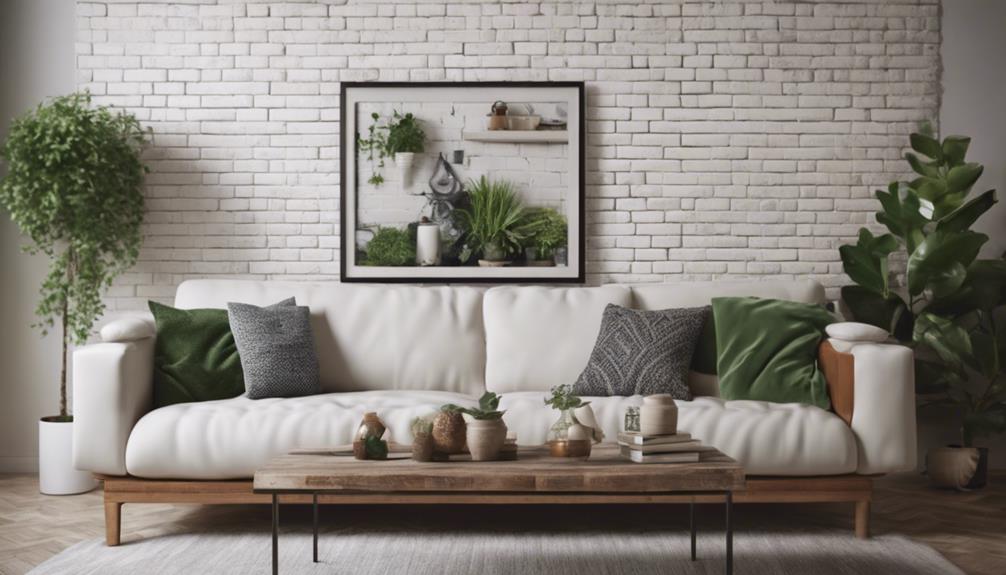
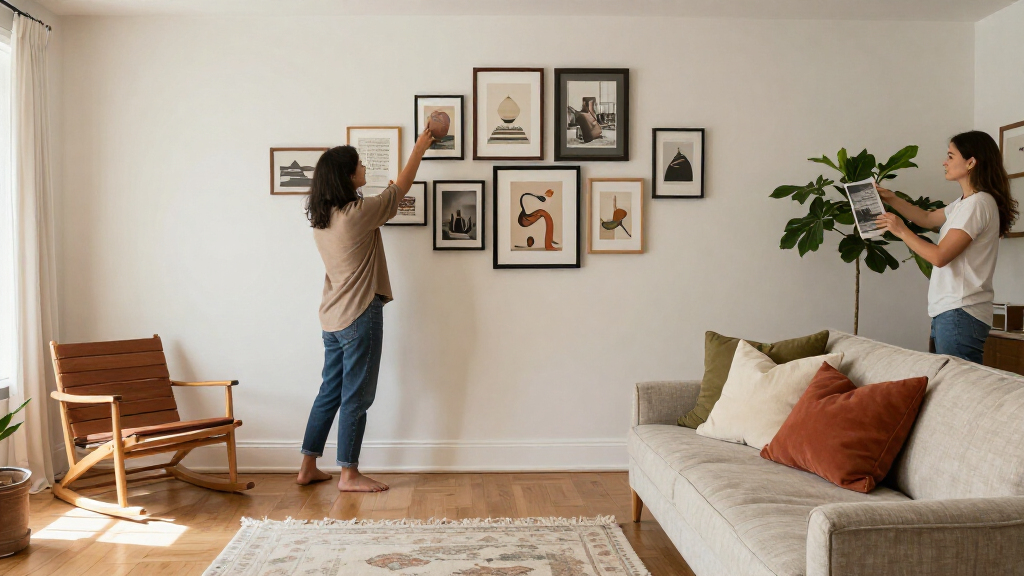
Cruzado says a wall covered in small, similarly sized artworks can lack a clear focal point, a consideration when choosing decor for a more personal space. She recommends considering a few larger pieces rather than scattering many small ones. If a room feels dull, she says, paint may make a more noticeable difference than adding more art; larger pieces can then work with the wall color.
Skilling says thin pillow fabric and underfilled inserts can make cushions look limp. Her preference is for fewer, fuller pillows that add texture while leaving enough room for people to sit comfortably. The article suggests trying a slightly larger insert than the pillow cover—for example, a 20-inch insert in an 18-inch cover—though the best fit depends on the materials and desired shape.
Skilling also advises against filling walls exclusively with generic, mass-produced prints. She suggests choosing art with personal meaning, such as a small original, a vintage drawing or a child’s artwork, and adding to a collection over time. Kale’s recommendations concern bookshelves: she says visible titles make books easier to find and can prompt conversation, while turning books around can make them look more like props.
For shelf objects, Kale cautions against repeating an identical arrangement of books and small decorative items on every shelf. Both she and Skilling favor objects tied to residents’ experiences or tastes, such as pottery collected while traveling or a child’s creation, rather than buying matching trendy pieces simply to fill space, echoing advice on clutter-light decorating.
5 decorating choices designers notice and how to rethink them
Three designers share ways to make rooms feel more personal and balanced. Their recommendations are professional opinions, not formal design rules.
Wall art and pillows
Consider scale and comfort before buying more decor.
Too many small pieces
A cluster of similar small artworks can lack a focal point. Consider a few larger pieces that work with the wall color.
Limp pillows
Thin fabric or underfilled inserts can look flat. Fuller pillows add texture while leaving room to sit.
Make the room feel personal
Meaning matters more than a high price or a showroom look.
- Walls filled only with mass-produced prints
- Books turned around with titles hidden
- Art with a story, such as a vintage drawing or a child’s artwork
- Visible book titles that are easy to find and can prompt conversation
Style shelves for real life
Repeated trendy arrangements can make shelves feel like a store display.
Avoid repeating the same mix of books and small decor on every shelf.
Try objects tied to residents’ experiences or tastes, such as collected pottery or a child’s creation.
A practical way to try the advice
Small edits can help you judge what suits your space and routines.
- Step back and assess the scale of wall art.
- Check whether pillows hold their shape and keep seating usable.
- Show book titles if that makes books easier to find.
- For a room that feels flat, consider the wall before buying more art.
Personal Details Over Showroom Styling
The designers’ shared point is that a room can look more considered without a large budget or a full redesign. Their suggestions ask homeowners to edit what is already on display: choose art that fits the wall, keep seating usable, leave book titles visible and mix shelf objects with items that carry personal meaning. This approach may help readers avoid spending on more decor when the underlying issue is scale, condition or repetition.
The recommendations also distinguish visual polish from strict rules. A home does not have to contain original art or expensive accessories to feel individual. As Skilling’s advice indicates, the meaningful detail may be an affordable drawing or a personal object. The practical test is whether an item serves the room and reflects its occupants, rather than whether it follows a current trend.
Products Worth Considering

Dyson V8 Cordless Vacuum

Ring Wired Doorbell Pro (3rd Gen) and Floodlight Cam Pro (2nd Gen) Bundle

Ring Wired Doorbell Plus (2nd Gen) & Chime Plus Bundle – Nickel Silver
As an affiliate, we earn on qualifying purchases.
Five Choices Designers Flag
The article frames its list as advice from three professionals asked to identify styling issues they notice quickly. It covers both the overall composition of a room—such as the amount and scale of wall art—and smaller decisions, including pillow fullness and how shelves are arranged. The source does not present the list as a ranking, and it gives no survey data showing how commonly homeowners make these choices.
Some recommendations respond to specific practical concerns. Cruzado links clusters of small art to homeowners trying to compensate for walls they do not want to paint. Kale notes that books may be turned around during professional photo shoots because of publisher cover-rights concerns, but says that practice is unnecessary in an ordinary home. The article’s broader theme is to decorate for everyday use and personal expression, not solely for a staged image.
“large focal points”
— Mariella Cruzado, founder of Splendor Style
Advice, Not a Design Standard
The article offers subjective professional judgments, not independently tested evidence that these choices will make every home look worse. It does not assess particular rooms, account for different design preferences or provide objective criteria for how many artworks, pillows or shelf objects are too many. A deliberately minimalist, collected or highly uniform interior may be an intentional choice for its residents.
The source also does not compare the cost or results of the suggested changes, and it does not establish that any single purchase or alteration will improve a room. Whether a larger artwork, fuller pillow or personal object works depends on the space and the homeowner’s preferences.
Try Changes One Room at a Time
The article sets out no planned follow-up, product test or formal design assessment. Readers can use the recommendations as a checklist: step back to assess the scale of wall art, check whether pillows retain their shape, display book titles if useful, and vary shelf arrangements with objects they already own. For a room that feels flat, Cruzado’s advice points to considering the wall itself before buying more art.
There is no need to replace everything at once. The designers’ suggestions favor editing and gradual collection-building, so homeowners can make small changes and judge whether those changes suit their space and daily routines.
Key Questions
What five decorating mistakes did the designers identify?
They flagged too many small artworks, underfilled or worn-looking pillows, relying only on mass-produced art, hiding book titles, and using the same trendy decor formula on every shelf.
Do the designers say home decor has to be expensive?
No. The article’s advice emphasizes personal meaning rather than price. Suggestions include a vintage sketch, a child’s drawing, or an object collected during a trip; it does not say every home needs costly or rare pieces.
Why does Pallavi Kale recommend showing book spines?
Kale says visible titles make books easier to identify and can give guests a sense of the owner’s interests. She describes books with hidden titles as more like props.
What pillow insert size does the article suggest?
As an example, it suggests a 20-inch insert for an 18-inch cover to create a fuller cushion. The appropriate fit can vary with the pillow’s fabric and the look a homeowner wants.
Are these decorating mistakes backed by a study?
The source presents them as opinions from three interior designers interviewed by Apartment Therapy. It does not cite a study, survey or formal design standard establishing that these choices are universally mistakes.
Source: apartmenttherapy.com