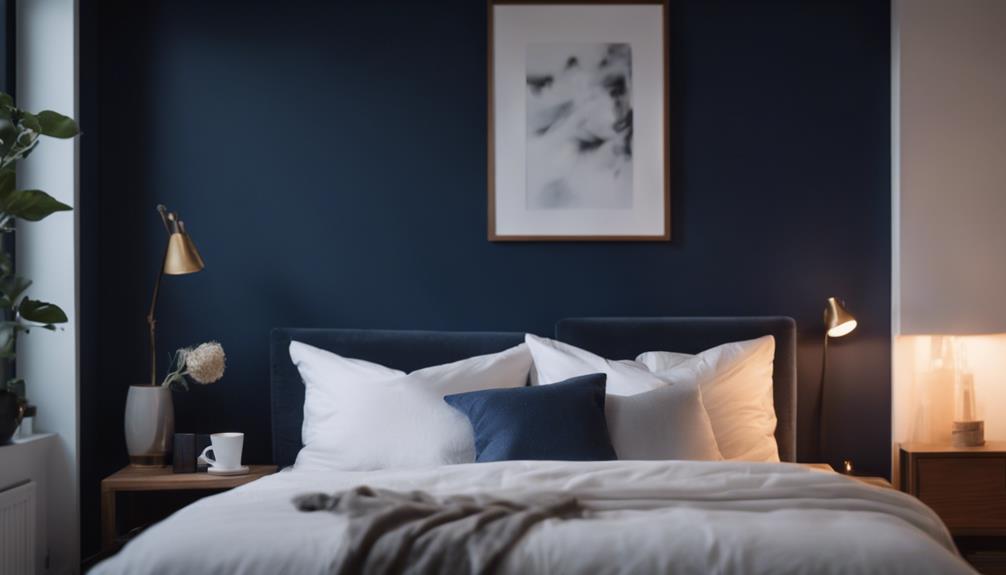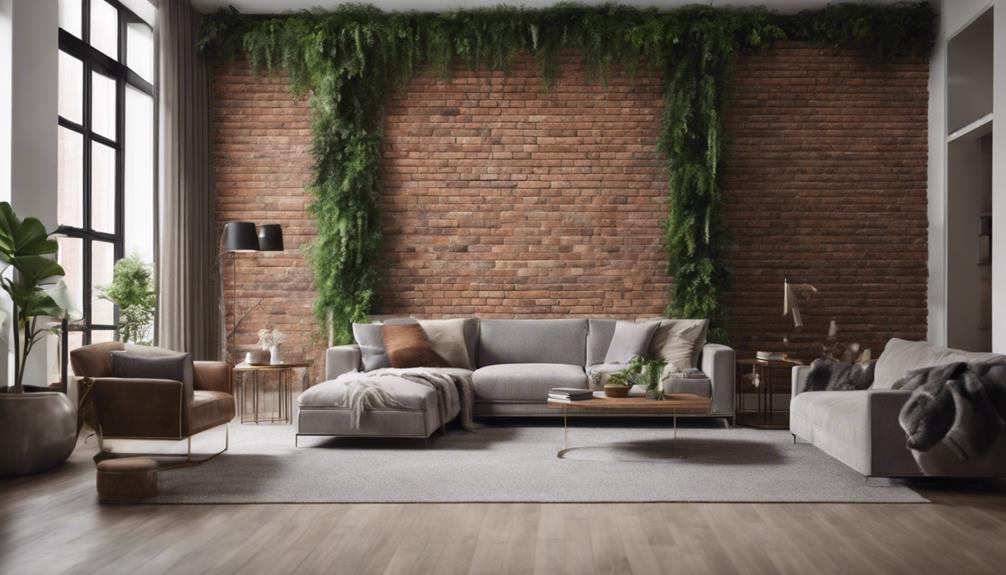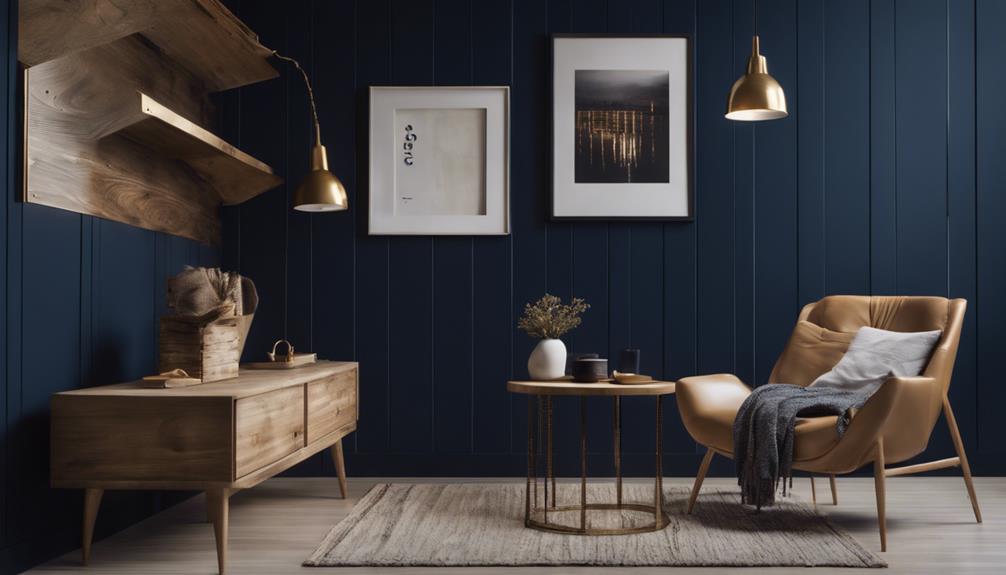

Understanding warm versus cool color temperatures helps you create the right mood in any space. Warm tones like reds and yellows evoke coziness and relaxation, while cool shades such as blues and greens promote calm and focus. Warm lighting makes environments inviting, while cool lighting energizes and highlights details. Your choice impacts ambiance, mood, and perception. Exploring these differences further shows how selecting the right temperature can transform your space perfectly.
Key Takeaways
- Warm color temperatures (2700K-3000K) emit yellowish light, creating cozy, inviting atmospheres; cool temperatures (4000K-5000K) produce bluish light for alertness.
- Warm lighting enhances comfort and intimacy, ideal for living spaces; cool lighting promotes focus and clarity, suited for work environments.
- Warm tones stimulate activity and relaxation; cool tones foster tranquility and concentration.
- Warm light emphasizes rich, vibrant colors with soft hues; cool light offers high contrast, vibrant, true-to-life visuals.
- Selecting the right temperature depends on desired mood, space function, and brand image, with adjustable options supporting flexibility.
Defining Warm and Cool Color Temperatures
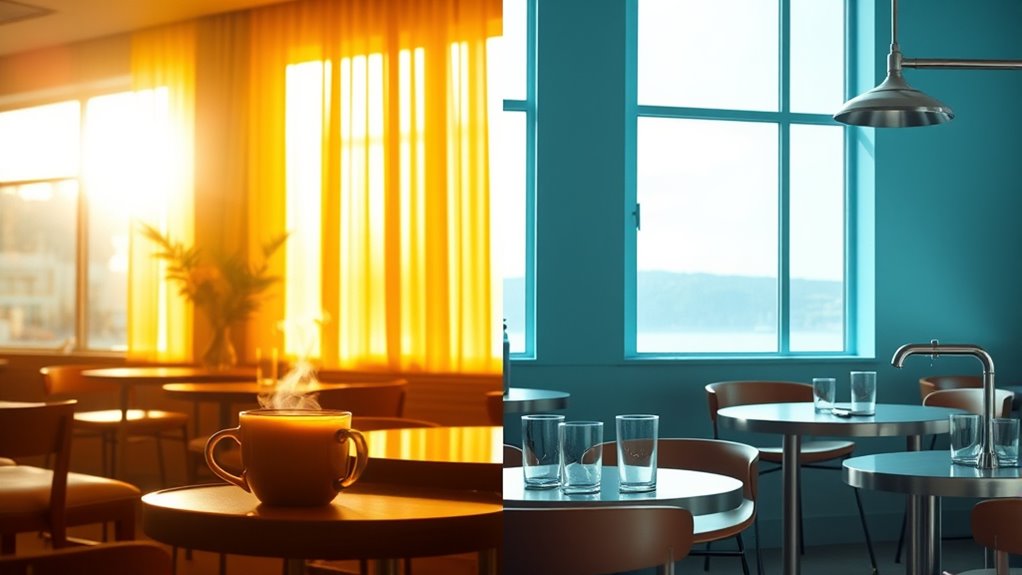
Understanding warm and cool color temperatures begins with recognizing their visual effects. Warm colors, like reds, oranges, and yellows, evoke energy, comfort, and intimacy, making them popular in cozy spaces. Cool colors, such as blues, greens, and purples, create a calm, soothing atmosphere, ideal for relaxation and focus. In lighting design, these temperatures influence how a room feels and how people experience it. Color psychology shows that warm tones can stimulate activity, while cool tones promote tranquility. Knowing these distinctions helps you choose the right color temperature to set the desired mood. Whether you’re designing a space for socializing or reflection, understanding the fundamental differences between warm and cool color temperatures is essential for achieving your intended ambiance. Additionally, color temperature can impact emotional responses and perceived temperature, affecting overall comfort and aesthetic appeal.
The Science Behind Color Temperature

Understanding the science behind color temperature starts with recognizing how light spectrum variations influence what you see. The Kelvin scale helps you measure these differences, revealing how warmer or cooler lights affect your environment. These variations can also impact your mood, making the science behind color temperature both fascinating and practical. Additionally, being aware of local tips can help you choose lighting that enhances your space and well-being.
Light Spectrum Variations
The light spectrum varies markedly with different color temperatures, affecting how you perceive and utilize light in various settings. Warm light, with its lower color temperature, emits a softer, red-orange spectrum that creates cozy atmospheres ideal for relaxation and lighting design. Cool light, characterized by higher color temperatures, produces a bluish, more energetic spectrum suited for task lighting and work environments. These spectrum differences influence not only ambiance but also energy efficiency, as certain wavelengths are more effective for specific tasks. Selecting the right color temperature ensures ideal light spectrum distribution, which enhances visual clarity while conserving energy. Understanding these light spectrum variations helps you make informed choices that improve both the functionality and aesthetic appeal of your spaces. Additionally, choosing appropriate lighting can impact mood and productivity, making the understanding of color temperature essential for optimizing environments.
Kelvin Scale Explanation
The Kelvin scale provides a standardized way to measure the color temperature of light, quantifying it in units called Kelvins (K). This scale helps you understand how the light’s color appears, ranging from warm to cool tones. Lower Kelvin values, around 2000K-3000K, produce warm, yellowish light similar to candlelight or sunset. Mid-range values, about 4000K-5000K, give off neutral white light, ideal for workspaces. Higher Kelvin numbers, from 6000K and above, emit cool, bluish light like daylight or overcast skies. The kelvin scale allows for precise color measurement, making it easier to select lighting that suits your mood or setting. Additionally, understanding the visual comfort provided by different color temperatures can help prevent eye strain and create inviting environments. By understanding this scale, you can better control the ambiance and visual comfort in any space.
Effects on Mood
Color temperature doesn’t just change how a space looks; it also influences your mood and emotions. Warm lighting, with its yellow and red hues, tends to create feelings of coziness, relaxation, and comfort. It encourages artistic expression by fostering intimacy and calmness, making it ideal for personal spaces. Cool lighting, on the other hand, with its blue tones, promotes alertness and focus, energizing your environment. Historically, design trends have shown how environmental factors shape atmosphere—think of the warm glow in vintage cafes versus the crisp, modern feel of office spaces. Your choice impacts not only aesthetic appeal but also your emotional state, influencing everything from productivity to relaxation. Understanding these effects helps you craft environments that support your mood and creative expression.
Visual Characteristics of Warm Light
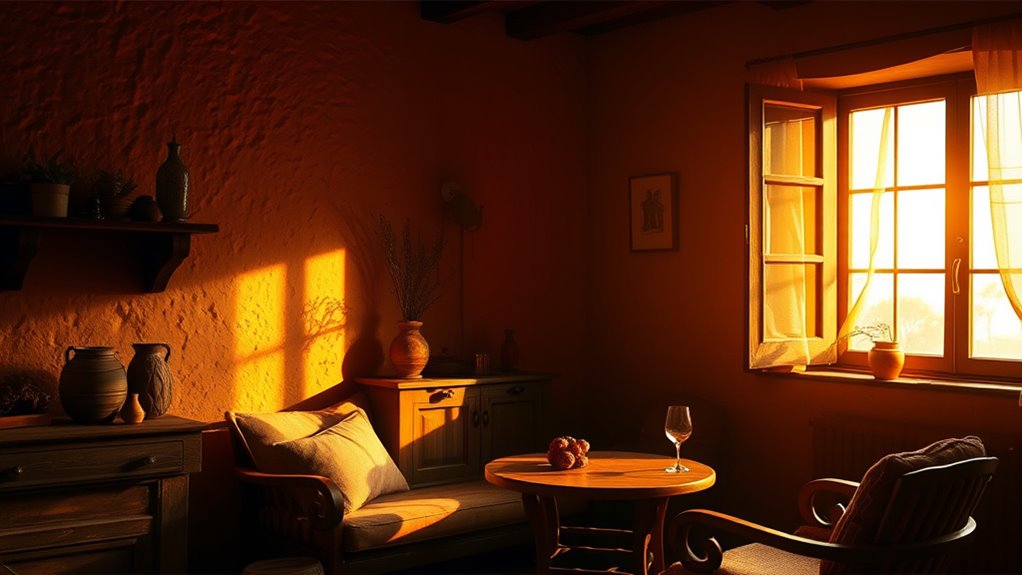
Warm light features soft, gentle hues that create a welcoming feel in any space. It naturally fosters a cozy atmosphere, making environments more inviting. Additionally, it enhances warm tones, making colors appear richer and more vibrant.
Soft, Gentle Hues
Soft, gentle hues create a calming atmosphere by bathing a space in subtle, warm light. This effect evokes feelings of relaxation and comfort, making it ideal for spaces where you want to promote tranquility. In lighting in photography, these hues help produce natural-looking images with a warm glow, enhancing skin tones and adding depth. Interior design trends often favor these soft, warm tones to create inviting environments that feel cozy and welcoming. When you use warm, gentle hues, you highlight textures and details without overwhelming the senses. The muted, soothing quality of this light encourages a peaceful ambiance, perfect for living rooms, bedrooms, or any area where serenity is your goal. These hues foster a gentle visual appeal that resonates with comfort and subtle elegance. To ensure your lighting choices effectively detect and correct passive voice, consider using specialized online tools to refine your writing style.
Creates Cozy Atmosphere
Gentle, warm hues naturally foster a cozy atmosphere by enveloping a space in inviting light. When you choose lighting fixtures that emit warm tones, you create an environment that feels comforting and intimate. These lights soften the room’s ambiance, making it ideal for relaxing evenings or gatherings. Warm light’s visual characteristics promote a sense of security and ease, encouraging you to unwind. Additionally, many warm lighting options are energy-efficient, helping you save on electricity while maintaining a welcoming glow. By selecting the right fixtures that emit soft, warm light, you enhance the overall comfort of your space. Understanding lighting options and how they impact atmosphere can help you make better choices for your home. This combination of inviting color and practical efficiency makes warm lighting an excellent choice for creating a cozy, inviting atmosphere.
Enhances Warm Tones
Warm light enhances the visual appeal of warm tones by making hues appear richer and more inviting. Many color temperature myths suggest that only cool lights can highlight vibrant colors, but warm light actually intensifies reds, oranges, and yellows, creating a cozy, welcoming atmosphere. Historically, lighting trends favored warmer tones for indoor spaces because they evoke comfort and intimacy. By using warm light, you emphasize these natural hues, making objects and surroundings seem more vibrant and appealing. This effect can be especially noticeable in art, food presentation, and interior design, where warm lighting adds depth and richness. Additionally, understanding color temperature helps in selecting lighting that complements and enhances specific hues effectively. So, instead of relying solely on cool tones, embracing warm lighting helps showcase warm tones authentically and beautifully, aligning with timeless lighting trends that prioritize comfort and visual warmth.
Visual Characteristics of Cool Light

Have you ever noticed how cool light gives a space a crisp, clinical feel? The cool light characteristics include a bluish tint that emphasizes clarity and sharpness. This type of lighting creates a high contrast and enhances details, making objects appear more defined. Its visual impact is often perceived as energizing and modern, which is ideal for workspaces or areas requiring focus. Cool light tends to reduce shadows and soften warmth, giving rooms a sterile, clean look. It also makes colors appear more vibrant and true to life, especially whites and blues. This lighting effect can improve alertness but might feel less cozy or inviting. Overall, the visual characteristics of cool light influence the perception of space, making environments feel more precise and contemporary. Additionally, the choice of lighting can impact your environmental experience and how you perceive comfort and productivity in a space.
Common Uses of Warm Lighting

Warm lighting is commonly used in environments where creating a cozy, inviting atmosphere is a priority. In interior design, it enhances comfort and makes spaces feel more intimate. For artistic photography, warm light adds richness and depth to images, highlighting textures and tones. Consider these key applications:
- Living rooms and bedrooms, where relaxation is essential
- Restaurants and cafes, to foster a welcoming vibe
- Art galleries, to accentuate warm tones in artwork
- Home offices, to create a soothing workspace
- Customer reviews often highlight how warm lighting contributes to a welcoming environment.
Using warm lighting strategically can influence mood and perception. It’s perfect for settings where you want to evoke feelings of comfort, intimacy, and warmth. Whether in interior design or artistic photography, warm light helps craft spaces that feel personal and inviting.
Common Applications for Cool Lighting
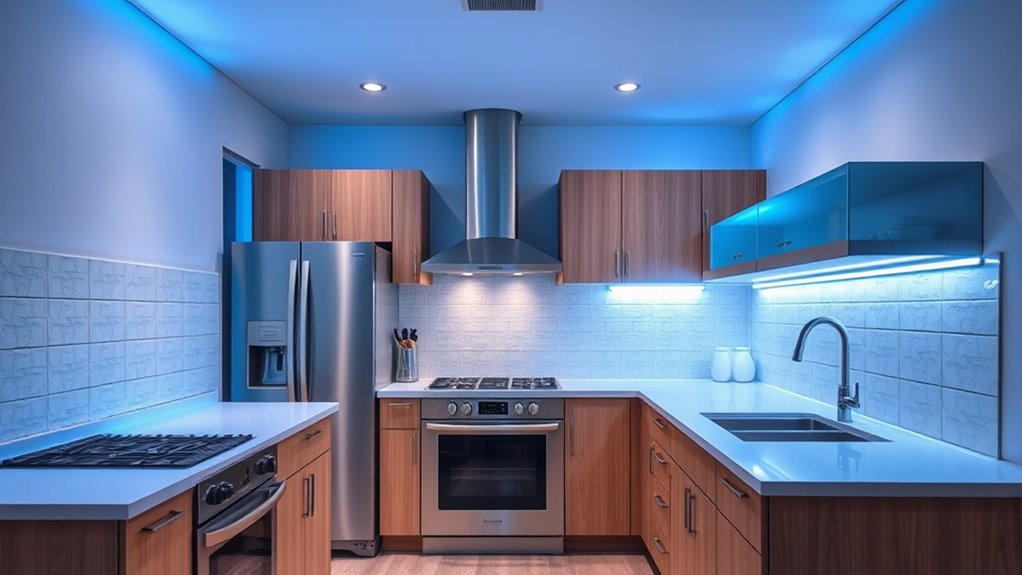
Cool lighting is often used in offices and workspaces because it helps keep you alert and focused. In retail and display settings, it highlights products clearly and makes colors pop. These applications benefit from the bright, crisp look that cool lighting provides.
Office and Workspace Use
In office and workspace environments, cool lighting is often chosen to enhance alertness and focus. It creates a bright, energetic atmosphere ideal for productivity. Using cool lighting for accent lighting highlights key areas or objects, drawing attention where needed. High color rendering improves the clarity of colors, making it easier to distinguish fine details on screens and documents. Consider these points:
- Cool lighting boosts concentration during long work hours.
- It accentuates artwork or branding elements with vibrant clarity.
- High color rendering ensures accurate color perception for tasks requiring precision.
- Properly chosen cool lighting minimizes eye strain and fatigue.
Retail and Display Lighting
Retail and display lighting often harness the brightness and vibrancy of cool lighting to attract customers and highlight products effectively. Cool lighting enhances the clarity and color accuracy of retail displays, making items appear more appealing and true to life. This type of lighting creates a crisp lighting ambiance that draws attention to specific products, encouraging browsing and purchasing. It’s especially effective in showcasing jewelry, electronics, and fashion accessories, where sharp contrast and vivid colors matter. By using cool tones, you can make your retail space look modern and energetic, helping customers feel more engaged. Proper application of cool lighting in retail displays not only boosts visual appeal but also guides shoppers seamlessly through your store, increasing the chances of making a sale.
How Color Temperature Influences Mood and Atmosphere
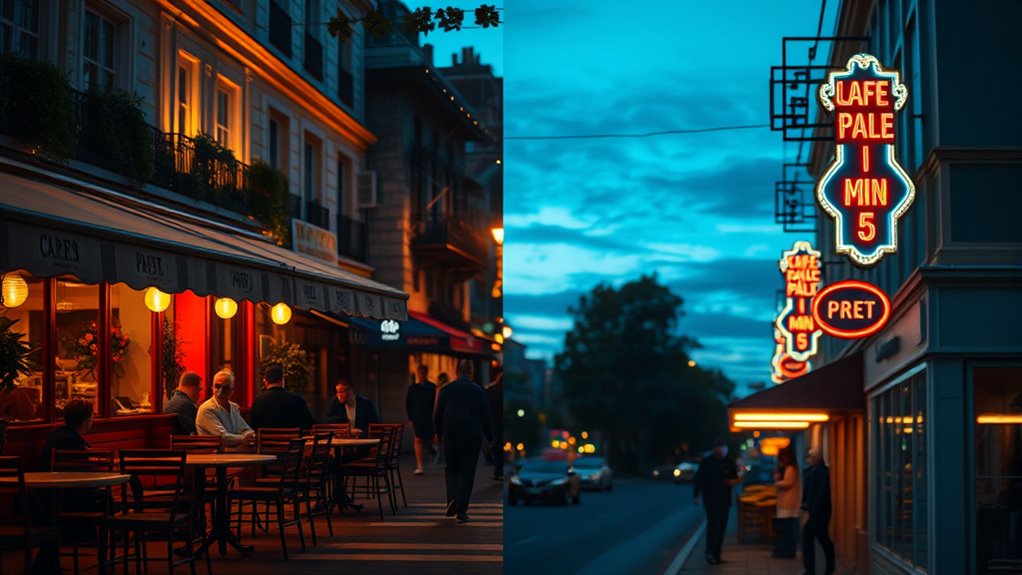
Color temperature plays a pivotal role in shaping the mood and atmosphere of a space, influencing how you feel and perceive your environment. Warm tones create coziness and intimacy, fostering relaxation or romance. Cool tones evoke freshness and clarity, promoting focus or calmness. This connection is rooted in color psychology, affecting your emotional responses. When using warm light, you can enhance artistic expression by highlighting textures and creating inviting settings. Conversely, cool lighting is ideal for environments that require alertness and efficiency. Consider these aspects:
- Warm lighting boosts comfort and emotional warmth.
- Cool lighting enhances alertness and productivity.
- The right balance influences your overall mood.
- Understanding color psychology helps craft desired atmospheres.
Choosing the Right Temperature for Different Spaces
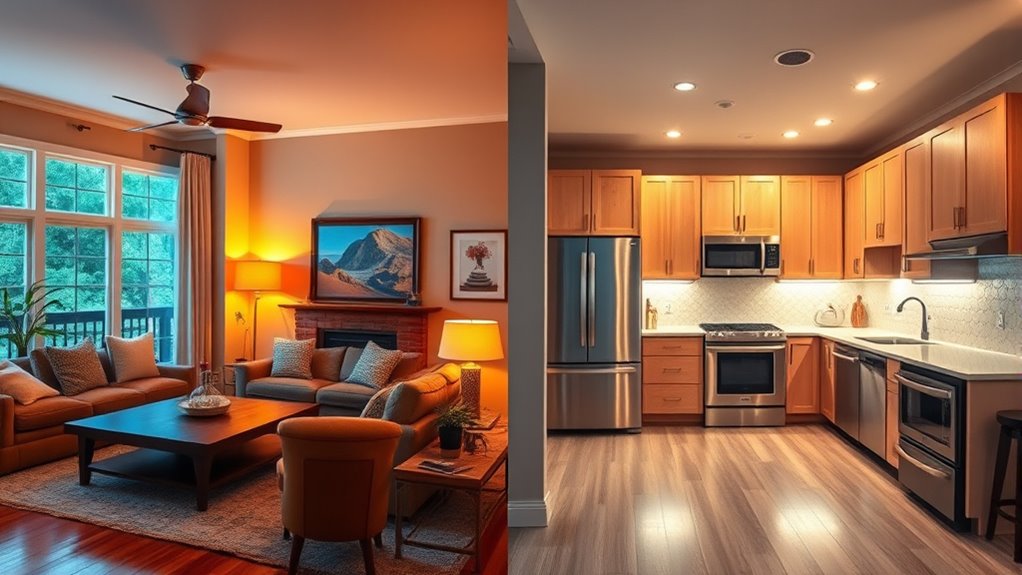
Choosing the right temperature for different spaces is essential to creating an environment that supports its intended purpose. For living areas, warm tones enhance relaxation and comfort, contributing to cozy lighting aesthetics. In workspaces, cooler temperatures promote alertness and focus, improving productivity. In kitchens and bathrooms, a neutral or slightly cool temperature provides clear visibility without harsh glare. Consider energy efficiency when selecting lighting temperatures; LED bulbs with adjustable warmth allow you to switch between warm and cool tones based on needs, reducing energy waste. For retail or hospitality spaces, matching the lighting temperature to the brand image enhances customer experience. Ultimately, understanding how different temperatures influence mood and functionality helps you choose the ideal lighting for each space, balancing aesthetics with efficiency.
Effects of Lighting on Color Perception
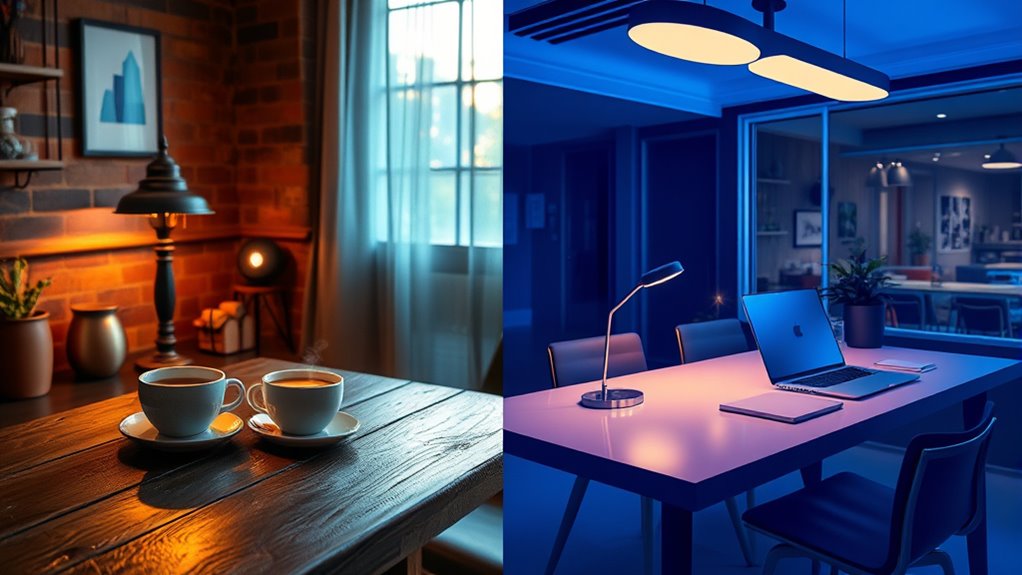
Lighting temperature markedly influences how colors appear in a space, affecting perception and overall ambiance. When you choose your lighting design, it can enhance or distort the true hues of your interior decor. For example:
- Warm lighting makes reds and yellows appear richer, creating a cozy atmosphere.
- Cool lighting enhances blues and greens, giving a fresh, modern feel.
- Poor lighting choices can make colors seem dull or off-tone, impacting your design’s effectiveness.
- Consistent lighting temperature helps maintain color harmony across different areas.
Understanding these effects helps you select lighting that aligns with your goals. By paying attention to how lighting impacts color perception, you ensure your interior decor looks vibrant and cohesive, elevating your space’s overall appeal.
Tips for Selecting the Ideal Color Temperature

Selecting the right color temperature for your space involves considering both the room’s purpose and the mood you want to create. When planning your lighting design, think about how warm or cool tones will complement your interior decor. For living areas and bedrooms, warmer light (around 2700K-3000K) creates a cozy, inviting atmosphere. In contrast, cooler tones (4000K-5000K) work well in workspaces or kitchens, promoting alertness and clarity. Keep in mind that the right temperature can enhance color accuracy and overall ambiance. Test different bulbs or fixtures before committing, and consider layers of lighting to balance warmth and coolness. By aligning your lighting choices with your decor style and functional needs, you’ll create a harmonious, well-lit environment.
Frequently Asked Questions
How Does Room Size Affect the Perception of Warm or Cool Lighting?
Room size substantially influences your perception of warm or cool lighting. In smaller spaces, warm lighting creates a cozy, inviting atmosphere, making the room feel more intimate. Conversely, cool lighting in small rooms can make them seem larger and more open. In larger rooms, warm lighting adds comfort and reduces starkness, while cool lighting enhances brightness and clarity. Your room size helps determine whether warm or cool lighting best suits your desired ambiance.
Can Color Temperature Impact Energy Efficiency in Lighting Choices?
Yes, color temperature can impact your lighting’s energy efficiency. Cooler temperatures often use LED bulbs with longer longevity and better color rendering, reducing the need for frequent replacements. Warm lights may consume slightly more energy if they aren’t optimized, but overall, choosing the right color temperature for your space can enhance efficiency by ensuring you use the most suitable, high-quality LEDs, saving energy and maintaining good lighting quality over time.
Are There Health Implications Associated With Prolonged Exposure to Warm or Cool Light?
Prolonged exposure to cool light can cause health effects like eye strain and circadian disruption, making it harder for your body to maintain a natural sleep cycle. Warm light is gentler and may support better sleep and reduced eye fatigue. To protect your health, try to limit exposure to cool light in the evening, especially before bed, and opt for warm lighting to promote relaxation and circadian harmony.
How Does Natural Daylight Influence the Effectiveness of Artificial Warm or Cool Lighting?
Natural daylight integration markedly boosts the effectiveness of artificial warm or cool lighting by enhancing your mood and creating a balanced environment. When natural light enters your space, it complements artificial lighting, reducing eye strain and improving alertness. This combination supports mood enhancement and overall well-being, making your space more inviting and comfortable. You’ll feel more energized and focused when natural daylight works harmoniously with your artificial lighting choices.
What Are the Best Color Temperatures for Task Lighting in Workspaces?
Think of your workspace as a stage; you want the right lighting to spotlight your skills. For task lighting, aim for a neutral to cool temperature, around 4000K to 5000K, to enhance focus and color rendering. These LED lights not only improve visibility but also have a longer lifespan. Proper color temperatures guarantee you see true colors, boosting productivity without sacrificing comfort or efficiency.
Conclusion
Understanding warm versus cool lighting helps you craft the perfect atmosphere in any space. Did you know that studies show 90% of people feel calmer under warm light, while cool light boosts alertness? By choosing the right color temperature, you can transform a room’s mood instantly—whether cozy and inviting or crisp and energizing. So, consider how each setting impacts your mood and perception, and select the lighting that best suits your needs.