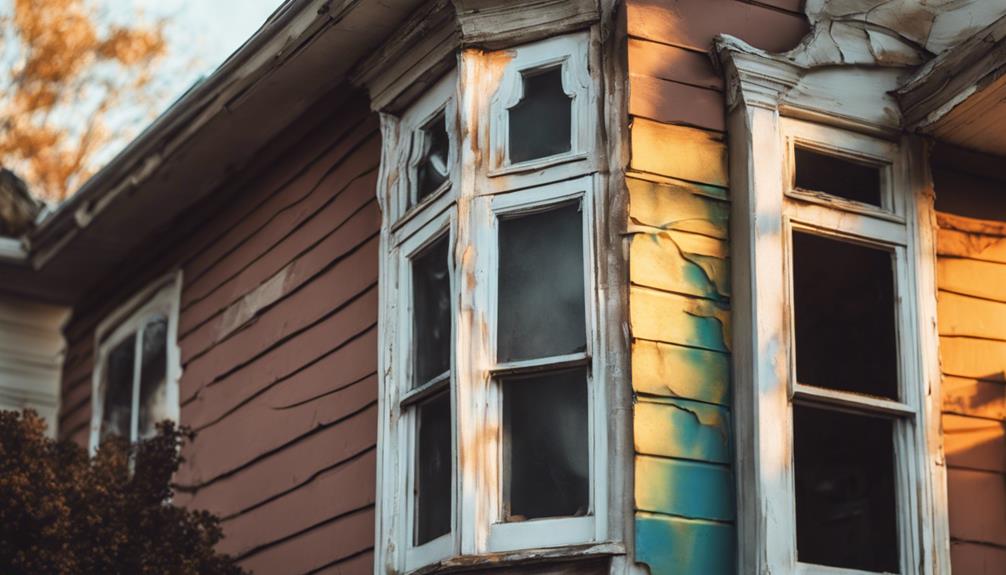
You should avoid using interior paint outside because it's not built to handle outdoor conditions. Interior paint lacks the durability and protection needed for exterior surfaces. Exposure to sunlight, moisture, and temperature changes can make it deteriorate quickly, causing peeling and color fading. To guarantee your outdoor paint job lasts, opt for exterior paint formulated with extra protection against the elements. This way, you'll have a finish that can stand up to the weather and look great for longer.
Key Takeaways
- Interior paint lacks UV protection, leading to quicker fading outdoors.
- Harsh elements can cause interior paint to deteriorate rapidly outside.
- Using interior paint outside can compromise the finish and lead to peeling.
- Interior paints may release harmful chemicals outdoors, posing health risks.
- Opting for outdoor paint ensures safety, durability, and satisfaction.

43.3in-59in Extendable Round Dining Table for 4-8,Modern Kitchen Oval Dining Table with Removable Leaves Space Saving,Wood Base with Storage Shelf for Kitchen Living Room (Walnut)
Retractable dining table for 4-8 people: Considering the use in different scenarios, the dining table adopts a retractable...
As an affiliate, we earn on qualifying purchases.
Differences Between Interior and Exterior Paint

When opting for interior or exterior paint, it's important to take into account the unique attributes of each type. Interior paints are formulated for use inside your home, where conditions are more controlled and stable. On the other hand, exterior paints contain more volatile organic compounds (VOCs) and are designed to withstand harsh outdoor elements.
One key difference between interior and exterior paints is their thickness. Exterior paints are thicker to provide better coverage and protection against weathering. Additionally, the binders in exterior paint are more durable, making them resistant to cracking and peeling when used outside. The pigment in exterior paint is also specifically formulated to resist fading from exposure to sunlight, ensuring your paint job maintains its vibrancy for longer periods.
Using interior paint outside can lead to poor longevity and durability. Interior paint isn't equipped to withstand the elements that exterior paint is designed to endure. So, when tackling an outdoor project, it's important to choose the right type of paint for the job to achieve the best results.
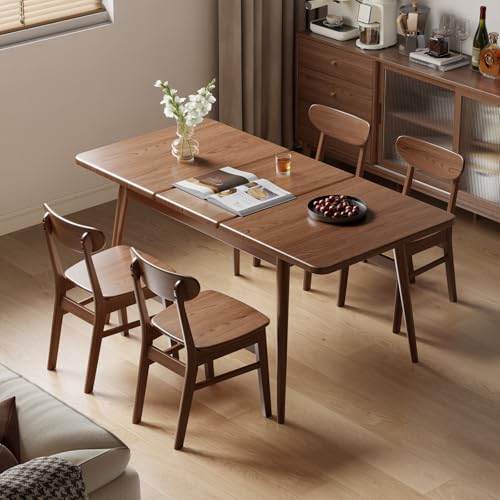
Muwuele Solid Wood Extendable Dining Table for 4-8 People with Seamless Extension from 47.2 to 63 Inches, Easy Assembly, Expandable Tables for Small Spaces, Dining Room, Kitchen, Living Room, Walnut
【TABLE ONLY & NO CHAIRS】This purchase includes the extendable dining room table only. Chairs shown are for display...
As an affiliate, we earn on qualifying purchases.
Risks of Using Interior Paint Outside

Using interior paint outside poses significant risks due to its lack of heavy-duty chemicals for outdoor protection. When you opt for interior paint on exterior surfaces, you're exposing your project to various dangers:
- Poor Adhesion: Interior paint may struggle to adhere properly to outdoor surfaces, leading to peeling and flaking.
- Weather Exposure: The harsh outdoor elements can cause interior paint to deteriorate quickly, resulting in cracking, fading, and blistering.
- UV Rays: Interior paint is less resistant to UV rays compared to exterior paint, making it more prone to color fading over time.
- Temperature Fluctuations: Interior paint may not withstand temperature changes as well as exterior paint, leading to potential cracking and damage.
- Sealing Needed: To protect interior paint used outside, consider sealing it with a weather-resistant product to improve durability and longevity.

41 in-78 in Extendable Dining Room Table for 4-8, Round Expandable Kitchen Table with Fluted Base, Modern Farmhouse Oval Dinner Tables for Dining Room Kitchen Living Room (Natural)
【Versatile Expandable Design】This expandable round oval dining table transforms from a cozy 41-inch round table for 4 into...
As an affiliate, we earn on qualifying purchases.
Factors to Consider Before Using Interior Paint Outside

Before applying interior paint to outdoor surfaces, carefully evaluate its suitability for prolonged exposure to weather conditions. Interior paint is not formulated to withstand the harsh outdoor elements like UV rays, temperature changes, and moisture. Here are some important factors to assess before using interior paint outside:
| Factor | Description | Risk |
|---|---|---|
| UV Protection | Interior paint lacks UV protection found in outdoor paint, leading to quicker fading and discoloration. | Faded and dull appearance over time. |
| Weather Resistance | Interior paint is not designed to resist water and temperature changes, causing cracking and peeling. | Poor adhesion, blistering, and flaking on outdoor surfaces. |
| Health Concerns | Interior paints may release harmful chemicals when exposed to outdoor conditions, posing health risks. | Breathing issues or allergies due to off-gassing of interior paint. |
Considering these factors, it's evident that using interior paint outside can result in a compromised finish and potential health hazards. For lasting results and durability, opting for outdoor paint is the safest choice when tackling exterior painting projects.

LUXOAK 60" Farmhouse Dining Table Set for 6, Solid Wood Kitchen Table with 4 Upholstered Chairs & Bench, 6-Piece Dining Room & Living Room Furniture, Cream White
Farmhouse Design: Crafted from solid Elm wood, this dining set features a natural wood grain tabletop in a...
As an affiliate, we earn on qualifying purchases.
Can Exterior Paint Be Used Inside?

Considering the risks associated with using interior paint outside, it's important to understand why exterior paint shouldn't be used inside. When it comes to the safety of your indoor space, using exterior paint can lead to health consequences and diminish air quality due to the high levels of VOCs present in these paints.
Here are some key points to take into account:
- VOC Levels: Exterior paints have higher VOC levels than interior paints, which can be harmful when used in enclosed indoor spaces.
- Health Consequences: Breathing in the fumes from exterior paint indoors can result in respiratory issues and discomfort.
- Formulation Differences: Interior and exterior paints are specifically designed for their respective uses and surfaces.
- Quality Results: Using the right paint for the right purpose ensures safety, durability, and overall satisfaction with the final outcome.
- Safety First: Always prioritize your health and the well-being of those around you by choosing the appropriate paint for each project.
How to Make Interior Paint Last Outside

To enhance the longevity of interior paint when used outside, applying a weather-resistant sealant is essential. This extra layer of protection helps shield the paint from the outdoor elements, such as rain, sun, and temperature fluctuations. While interior paint may lack the durability and UV resistance needed for outdoor applications, a weather-resistant sealant can make a significant difference in preventing issues like peeling, cracking, and color fading. For long-lasting results on outdoor surfaces, repainting with exterior paint is recommended as it is specifically formulated to withstand the harsh conditions outside. By taking these steps and ensuring proper maintenance, you can help make your interior paint last longer when used in outdoor settings. Check out the table below for a quick comparison between interior paint and exterior paint:
| Property | Interior Paint | Exterior Paint |
|---|---|---|
| UV Resistance | Low | High |
| Weather Durability | Poor | Excellent |
| Application Area | Indoor | Outdoor |
| Longevity | Short-lived | Long-lasting |
Frequently Asked Questions
What Will Happen if You Use Interior Paint Outside?
If you use interior paint outside, expect peeling, cracking, and color fading due to exposure to outdoor elements. Interior paint isn't meant for outdoor conditions like sunlight, moisture, or temperature changes. It lacks protective chemicals found in exterior paint, making it vulnerable to deterioration.
Adhesion to outdoor surfaces may be poor, reducing longevity. Repurposing it for outdoor projects may mean repainting within a year due to its unsuitability for exterior use.
How Long Does Interior Paint Last Outdoors?
When you use interior paint outside, its lifespan diminishes drastically due to exposure to harsh elements like sunlight, moisture, and temperature changes. Typically, interior paint lasts only 1-2 years outdoors before showing signs of deterioration, such as color fading, cracking, peeling, and chalking.
To extend its lifespan, consider regular maintenance and protective coatings. Remember, proper prep work and choosing exterior paint will offer better durability for outdoor projects.
Is There Really a Difference Between Interior and Exterior Paint?
Yes, there's a significant difference between interior and exterior paint. Interior paint isn't designed to withstand outdoor elements like UV rays, moisture, and temperature fluctuations.
Exterior paint contains added ingredients for durability and weather resistance. Using interior paint outside can lead to issues like peeling and fading.
To guarantee your project lasts, opt for exterior paint when painting outdoor surfaces for longevity and protection.
Can I Paint My Front Door With Interior Paint?
You shouldn't paint your front door with interior paint. The outdoor elements like rain and sunlight can cause peeling and fading. Exterior paint is specially made to endure these conditions, with additives for UV protection and moisture resistance.
It's best to opt for exterior paint designed for front doors, ensuring longevity and protection. Don't risk having to repaint sooner than necessary; go for the right paint for your outdoor surfaces!
Conclusion
In wrapping up, using interior paint outside is like wearing flip flops in a snowstorm – it's just not going to work out well!
Remember, interior paint isn't designed to withstand the elements and will quickly fade, crack, and peel when exposed to outdoor conditions.
So, save yourself the headache and invest in exterior paint for your outdoor projects to guarantee a long-lasting and beautiful finish. Your home will thank you!