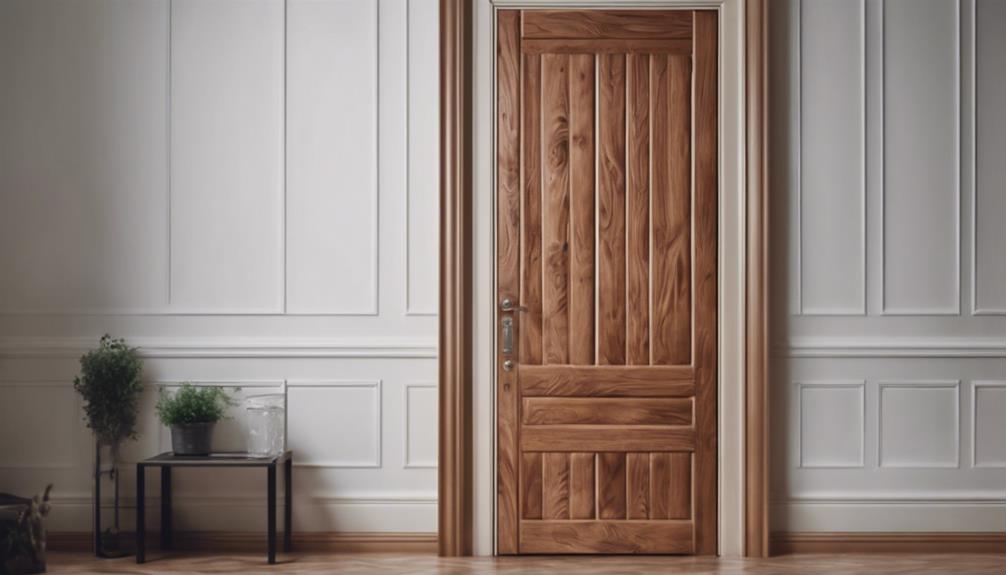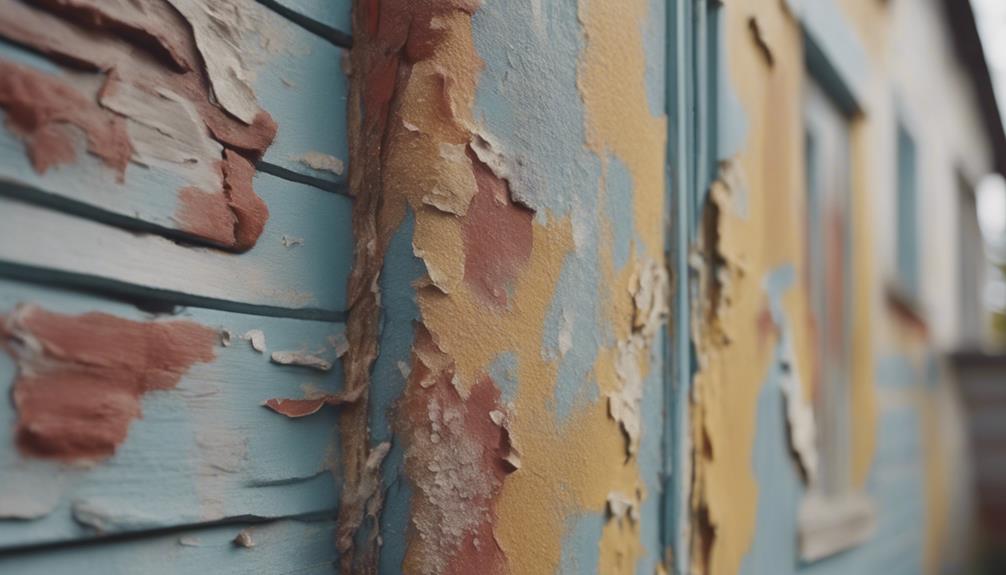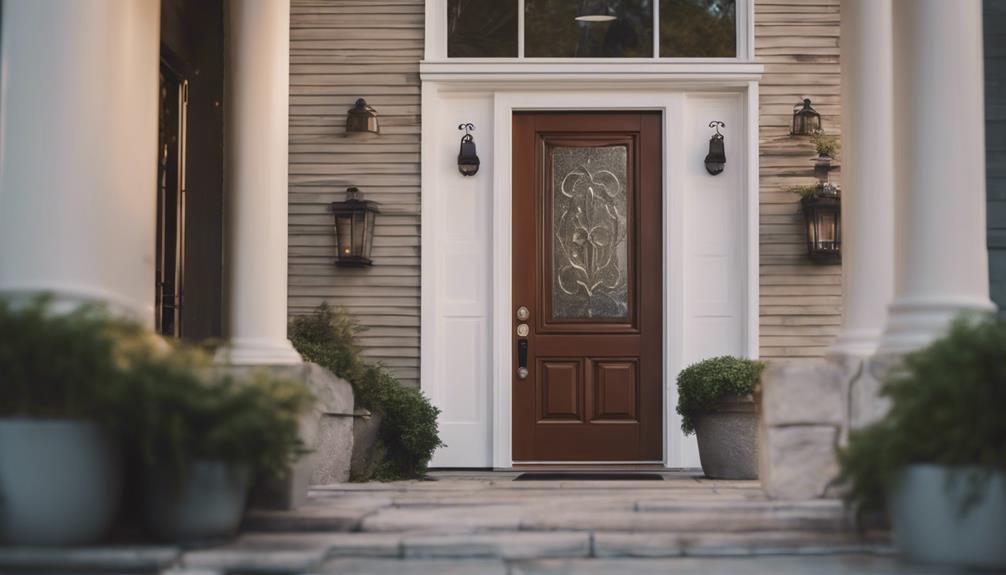

You should avoid using interior doors outside because they lack weather resistance and can weaken in outdoor conditions, risking damage and compromising home security. Exterior doors are designed to withstand elements and guarantee durability, unlike interior doors not meant for outdoor exposure. Moisture and sunlight can harm interior doors, leading to warping and other issues over time. To maintain safety and longevity, opt for outdoor-specific doors with weather-resistant features. Consider the impact of elements on doors and prioritize suitable options for exterior use. Secure your property's protection and aesthetics by choosing the right doors for outside areas.
Key Takeaways
- Interior doors lack weather resistance for outdoor use.
- Exterior doors are designed for structural integrity in outdoor conditions.
- Using interior doors outside poses risks of deterioration and compromised security.
- Weathering effects include warping, rotting, and moisture absorption.
- Selecting exterior doors ensures longevity, weather resistance, and security features.

Pluden 40FT Door Weather Stripping Door Seal – Kerf Front Exterior Door Weather Stripping for Door Frame Soundproofing Door Insulation Strip (with 4 Door Corner Seals)
5 Door Protections: 1. Windproof/2. Dustproof/3. Waterproof/4. Light resistant/5. Noise reduction. Fill the gaps between doors and windows…
As an affiliate, we earn on qualifying purchases.
As an affiliate, we earn on qualifying purchases.
Potential Risks of Using Interior Doors Outside
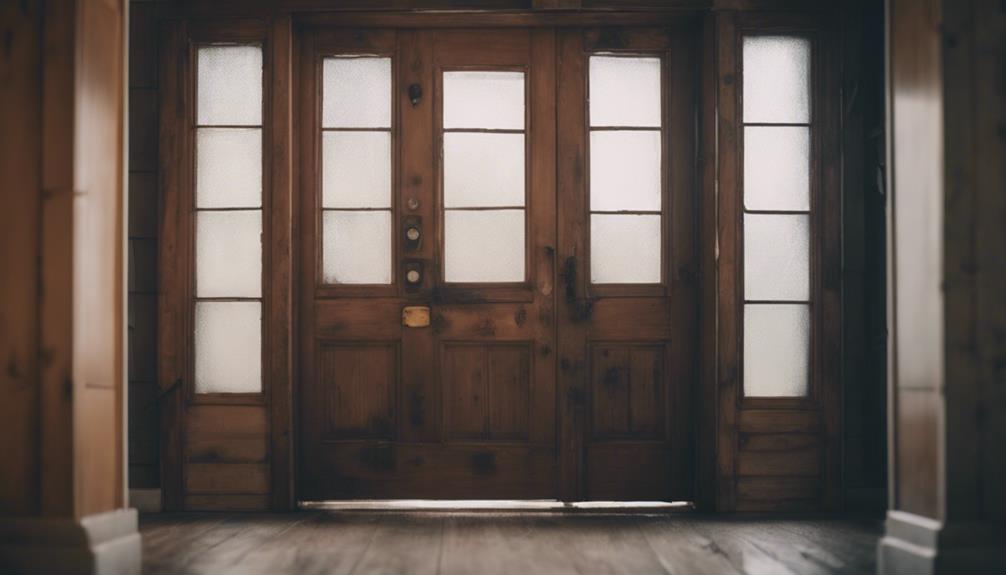
Using interior doors outdoors poses significant risks due to their lack of weather resistance and structural integrity for outdoor conditions. Interior doors need to be protected from weather elements like rain, sun, and snow, as they aren't designed to withstand these harsh conditions.
When exposed to outdoor elements, interior doors can quickly deteriorate, leading to issues such as warping, cracking, or swelling. These changes can affect the functionality and longevity of the doors due to moisture and temperature fluctuations.
As a result, using interior doors outside can compromise home security since they aren't as strong or durable as exterior doors. Exterior doors are specifically engineered to withstand the weather and provide better protection, making them the safer choice for outdoor use.
It's essential to recognize the potential risks associated with using interior doors outside to avoid costly repairs or replacements in the future.

VANROUG 7.5" Heavy Duty Security Slide Latch Lock,with Padlock Hole Adjustable Gate Latch for Wooden Fences Barn Doors, Interior and Outdoor Door Latch,etc.
【Heavy Duty Door Lock Bracket】The door latch is made of powder-coated forged steel, waterproof and rust-proof. Featuring durable…
As an affiliate, we earn on qualifying purchases.
As an affiliate, we earn on qualifying purchases.
Weathering Effects on Interior Doors Outdoors
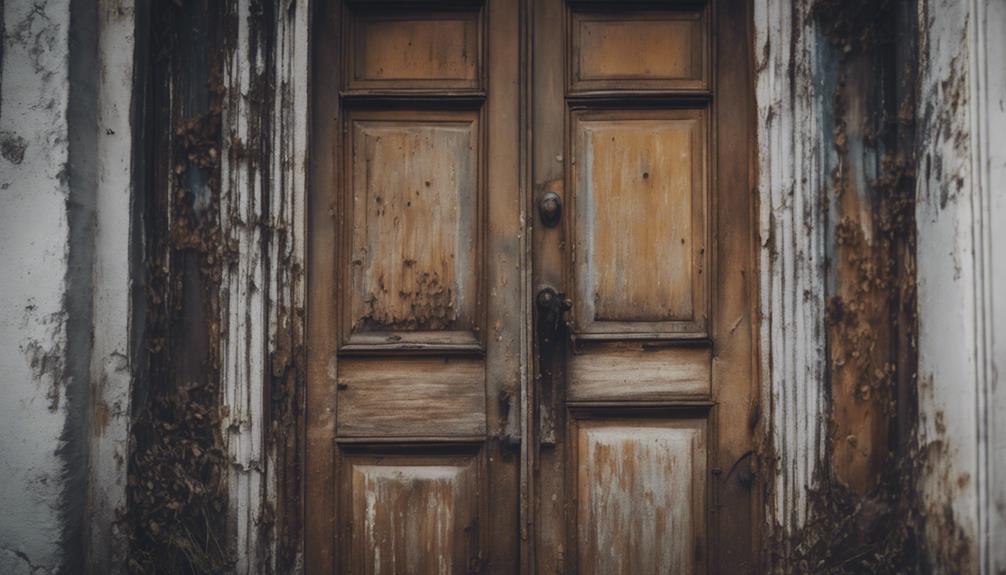
Exposed to outdoor elements, interior doors can quickly deteriorate due to their lack of weather resistance and structural integrity for outdoor conditions. When interior doors are used outside, they face a range of weathering effects that can impact their performance and longevity. Here are some key points to keep in mind:
- Not weather-resistant: Interior doors aren't designed to withstand outdoor elements like rain, wind, and sun exposure.
- Risk of warping and rotting: Weathering effects can cause warping, rotting, and deterioration in interior doors used outside.
- Moisture absorption: Wood interior doors can absorb moisture, leading to swelling and cracking when exposed to outdoor conditions.
- Structural compromise: Exterior doors are specifically engineered with weather-resistant materials to combat the effects of outdoor elements, unlike interior doors.

32" x 80" Dutch Door Slab with 9 Lite Tempered Clear Glass, 1.75" Solid Pine Front Entry Interior Door, Ideal for Porch, Backyard, and Exterior Use
PRODUCT SIZE: Engineered with 1.75-inch thick natural pine wood – 40% thicker than standard 1.38-inch interior doors –…
As an affiliate, we earn on qualifying purchases.
As an affiliate, we earn on qualifying purchases.
Impact on Durability and Longevity
When using interior doors outdoors, keep in mind that their lack of weather resistance and security features can impact their durability and longevity.
Exposure to external elements can lead to rapid wear and a shortened lifespan for these doors.
Opting for exterior doors designed specifically for outdoor use guarantees better performance and longer-lasting quality for your outdoor spaces.
Weather Resistance
Exterior doors are specifically crafted with weather-resistant materials to endure harsh outdoor conditions, guaranteeing their durability and longevity over time. When it comes to weather resistance, exterior doors provide:
- Protection against moisture, UV rays, and temperature fluctuations
- Enhanced durability and longevity in various climates
- Structural integrity to withstand outdoor elements
- Prolonged functionality and appearance compared to interior doors
Using interior doors outside can lead to premature damage and compromise their structural integrity due to the lack of weather-resistant properties. It's crucial to choose the right type of door for outdoor use to ensure it can withstand the elements and maintain its quality over time.
Maintenance Requirements
To maintain the durability and longevity of interior doors used outdoors, regular maintenance is essential to combat accelerated wear and tear caused by weather conditions and moisture.
Exterior exposure can quickly deteriorate interior doors if not properly cared for. Without adequate weatherproofing and sealing, these doors are prone to warping, rotting, and other damage.
Regular maintenance tasks like refinishing, repainting, and applying weatherproofing treatments are vital to extending the lifespan of interior doors in exterior settings.
Temperature fluctuations and sunlight exposure can also impact the integrity of these doors over time. Using marine-grade polyurethane or spar varnish, along with exterior-specific stains, can greatly enhance the durability of interior doors used outside.

PetSafe Original Replacement Flap – Doggie Door Vinyl Replacement Flap for Sliding Glass Pet Door – Durable & Made with Non-Toxic Materials – 16 7/8" H x 10 1/8" W – Large
Flexible Dog Flap: The PetSafe Original Replacement Flap fits a wide range of PetSafe doors including wall entry,…
As an affiliate, we earn on qualifying purchases.
As an affiliate, we earn on qualifying purchases.
Considerations for Outdoor Use
Consider the durability and weather resistance of interior doors before contemplating their use outdoors. Interior doors offer limited protection against the elements, making them unsuitable for outdoor use. When thinking about using interior doors outside, it's important to weigh the following factors:
- Durability: Interior doors lack the robust construction needed to withstand outdoor conditions, leading to quicker wear and potential damage.
- Weather Resistance: Designed for interior spaces, these doors aren't equipped to shield against rain, wind, or extreme temperatures, compromising their integrity.
- Safety Concerns: Using interior doors outside can compromise security and insulation, posing safety risks and reducing energy efficiency.
- Longevity: Exterior doors are specifically crafted with reinforced frames and materials to ensure longevity and provide adequate protection from various weather elements.
To guarantee the longevity and security of your outdoor spaces, it's vital to select doors that are specifically designed for exterior use.
Maintenance Challenges With Exterior Environment
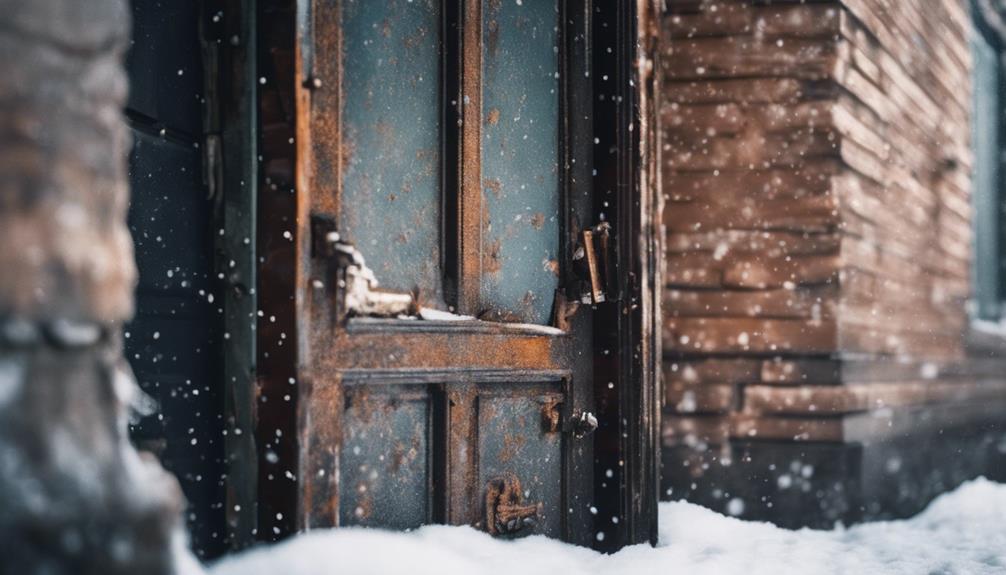
You may encounter maintenance challenges when using interior doors outdoors due to their exposure to harsh elements like rain, snow, and UV rays. These conditions can accelerate deterioration, leading to warping, swelling, and rotting of the doors.
To guarantee longevity and durability, regular maintenance such as painting, sealing, and repairs may be necessary to shield interior doors from the outdoor environment.
Weather Resistance Concerns
When using interior doors outdoors, the challenges of weather resistance in the exterior environment become evident as moisture, sunlight, and temperature fluctuations contribute to rapid deterioration.
- Interior doors lack the necessary weather-resistant finishes and materials to withstand outdoor elements effectively.
- Maintenance challenges increase when using interior doors outside, requiring frequent refinishing, sealing, and repairs.
- Exterior environments can cause warping, rotting, and paint peeling on interior doors, compromising their longevity and functionality.
- Structural issues like swelling, shrinking, and degradation over time may impact the performance and aesthetics of interior doors used outside.
Durability in Elements
Facing the elements outdoors presents a notable challenge for interior doors, as their design and materials aren't suited for withstanding the harsh outdoor environment. Exterior elements like sunlight, rain, and temperature changes can quickly damage interior doors used outside.
Exposure to moisture can lead to warping, swelling, and rotting, while harsh weather conditions may cause paint to peel, wood to split, and overall deterioration. Interior doors lack the necessary weatherproofing and sealing to endure outdoor elements over time.
Maintenance challenges markedly increase when using interior doors outside due to their vulnerability to weather-related wear and tear. To guarantee durability in elements, opt for exterior doors specifically designed to withstand the rigors of the outdoor environment and provide the needed privacy.
Alternatives to Using Interior Doors Outside
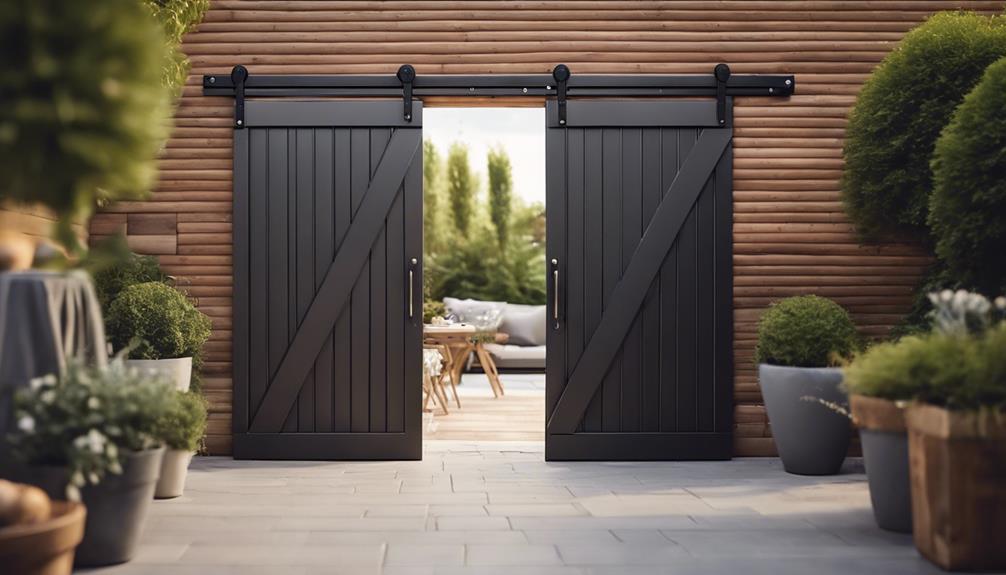
Consider opting for exterior-grade doors that are specifically designed to withstand outdoor conditions as a reliable alternative to using interior doors outside. When looking for alternatives, explore the following options:
- Fiberglass Doors: Known for their resilience against various weather conditions.
- Steel Doors: Provide enhanced durability and security for exterior applications.
- Weatherproofing Treatments: Consider applying these to interior doors for temporary outdoor use.
- Consultation with Professionals: Seek advice on modifying interior doors for outdoor use to guarantee safety and longevity.
Importance of Choosing Suitable Exterior Doors
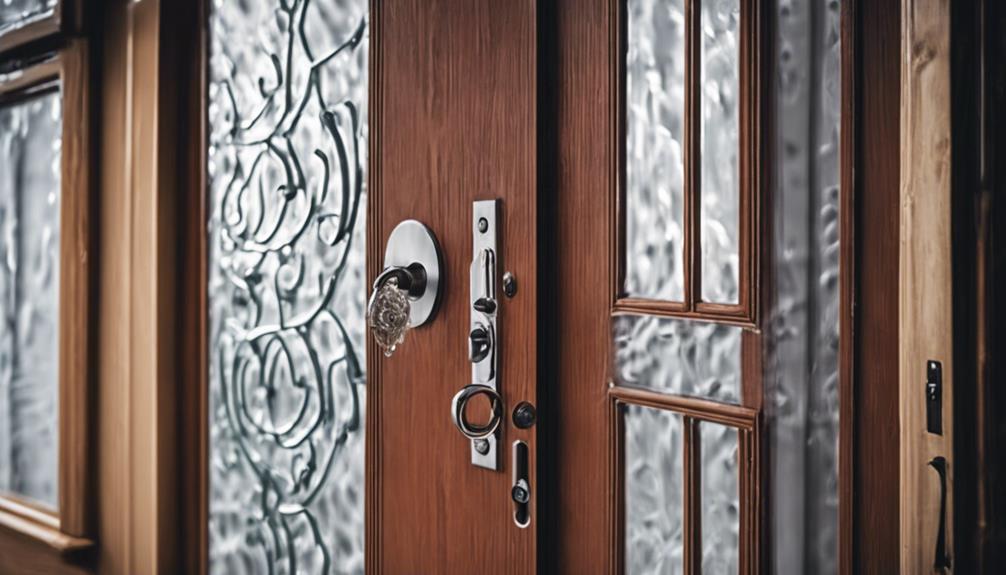
Selecting appropriate exterior doors is essential for ensuring the safety and longevity of your property. Exterior doors play a critical role in safeguarding buildings from external elements and providing security. Unlike interior doors, which lack the durability and weather resistance needed for outdoor use, exterior doors are specifically designed to withstand harsh weather conditions and offer enhanced security features. Using an interior door outside can compromise safety and lead to rapid wear and tear, ultimately costing you more in repairs and replacements. To highlight the importance of choosing suitable exterior doors, let's take a look at the following table:
| Aspect | Exterior Doors | Interior Doors |
|---|---|---|
| Durability | Weather-resistant | Not weather-resistant |
| Security Features | Enhanced security options | Basic locking mechanisms |
| Longevity | Last longer under harsh conditions | Prone to rapid wear and tear |
Ensuring you select the right exterior door will not only provide security and protection but also enhance the overall aesthetics of your property.
Expert Recommendations for Outdoor Door Selection
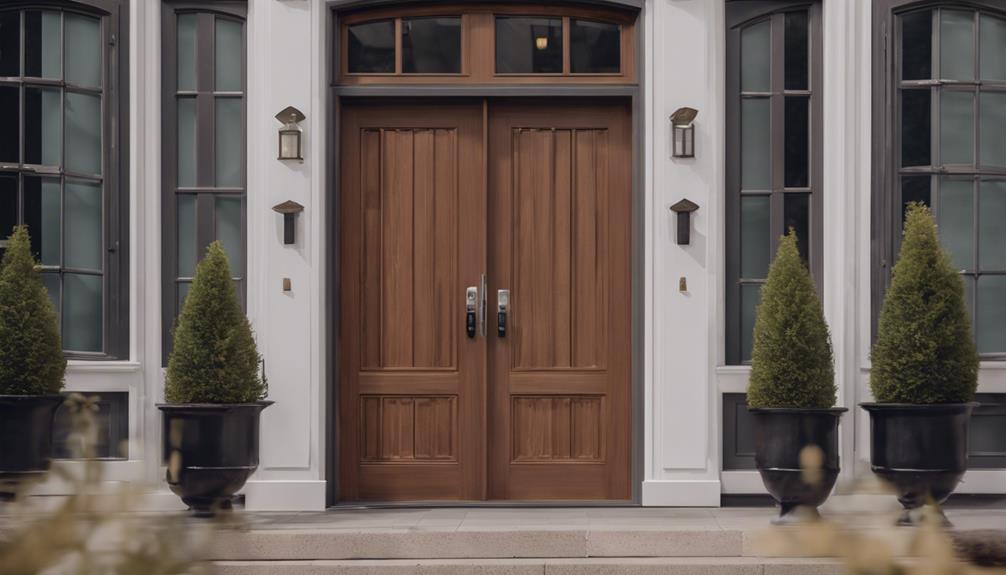
To make informed decisions when choosing outdoor doors, experts emphasize the importance of understanding the specific features that differentiate exterior doors from their interior counterparts.
- Durability and Weather Resistance: Exterior doors are designed to withstand external elements like rain, snow, and extreme temperatures.
- Enhanced Security Features: Exterior doors offer reinforced frames and locks to enhance security, important for outdoor applications.
- Longevity and Performance: Selecting an exterior door ensures longevity and performance in various weather conditions.
- Safety and Energy Efficiency: Using interior doors outside can compromise safety and energy efficiency due to quicker deterioration.
When selecting a door for outdoor use, prioritize the durability, weather resistance, security features, and overall performance that exterior doors provide. By choosing the right door for your outdoor space, you can guarantee both functionality and longevity while enhancing the security of your property.
Frequently Asked Questions
Can I Use an Interior Door on the Exterior?
You shouldn't use an interior door on the exterior. Exterior doors are built to handle tough weather and provide security, unlike interior doors. Using an interior door outside can cause quick damage and safety risks.
Consult professionals for advice on selecting the right exterior door. Only in rare cases and with thorough consideration should interior doors be used outside. Prioritize safety and durability when choosing doors for different areas of your home.
How to Weatherproof an Interior Door?
To weatherproof an interior door for outdoor use, start by applying a durable exterior primer to shield the wood.
Seal all edges and surfaces with multiple coats of spar varnish or urethane for added weather resistance.
Opt for exterior-specific paints and stains to guard against water damage.
Regular maintenance and inspections are key to keeping the door weatherproof.
With proper care, interior doors can withstand outdoor conditions as a budget-friendly alternative to exterior doors.
Can You Use an Interior Door Handle Outside?
You shouldn't use interior door handles outside. The outdoor elements can damage them over time, leading to rust, corrosion, and mechanical issues.
Exterior door handles are designed to withstand weather conditions, with materials that resist deterioration. It's best to opt for exterior door handles specifically made for outdoor use to guarantee longevity and functionality.
Stick to using the right type of door handle for each setting to avoid potential problems down the road.
Is There a Difference Between Interior and Exterior Doors?
Yes, there are significant differences between interior and exterior doors. Interior doors are lighter and designed for frequent use, while exterior doors are heavier and focus on security and weather protection.
Exterior doors are often made of stronger materials like steel and have solid cores for insulation. They also feature reinforced frames for added security.
Using an interior door outside can result in rapid deterioration due to exposure to the elements and differing functionalities.
Conclusion
To sum up, using interior doors outside can lead to potential risks and durability issues due to weathering effects.
It's crucial to select suitable exterior doors for outdoor use to guarantee longevity and maintenance ease.
Remember, your door is the gateway to your home, so make sure to choose one that can withstand the elements and enhance your curb appeal.
Don't let your door be a weak link in your home's defense against the weather – choose wisely!