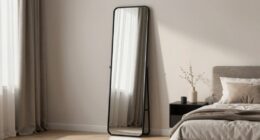
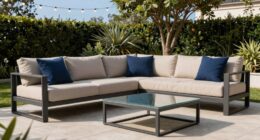
Design styles can be simple to understand when you look at their key features. Modern style focuses on clean lines, minimal clutter, and smart tech, while rustic design highlights natural materials like wood and cozy textures. Minimalist decor keeps things simple and functional, with neutral colors and multi-purpose furniture. Traditional styles feature ornate details and rich materials, and industrial design uses raw, rugged textures inspired by factories. Scandinavian style combines simplicity with warmth. Keep exploring to get a clear picture of each look.
Key Takeaways
- Modern and minimalist styles focus on clean lines, simplicity, and functional spaces with neutral colors and smart technology.
- Rustic and traditional designs emphasize warmth, natural materials, ornate details, and classic, balanced layouts.
- Industrial style features raw textures like brick and steel, inspired by factories, with open, utilitarian spaces.
- Scandinavian design highlights simplicity, natural light, and neutral tones, creating cozy, functional, and clutter-free environments.
- Key elements like symmetry, decorative motifs, and rich materials define traditional elegance, while modern styles prioritize sleek, minimal aesthetics.

Acanva Luxury Modern Tight Curved Back Velvet Sofa, Minimalist Style Comfy Couch for Living Room Apartment, 3 Seater, Cream
Modern Style Sofa – This living room sofa will provide a fresh and inviting look to your space…
As an affiliate, we earn on qualifying purchases.
As an affiliate, we earn on qualifying purchases.
What Is Modern Style?
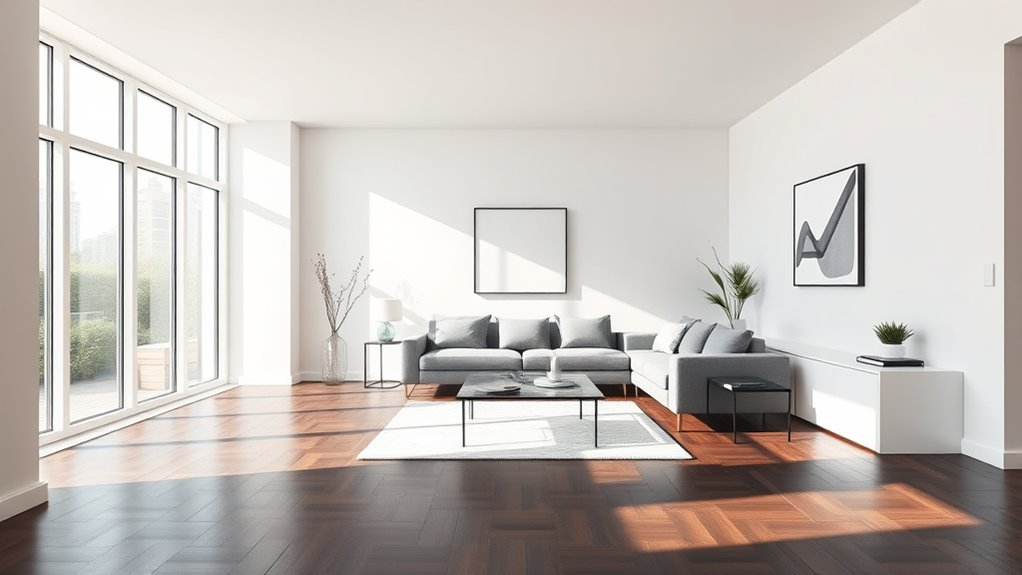
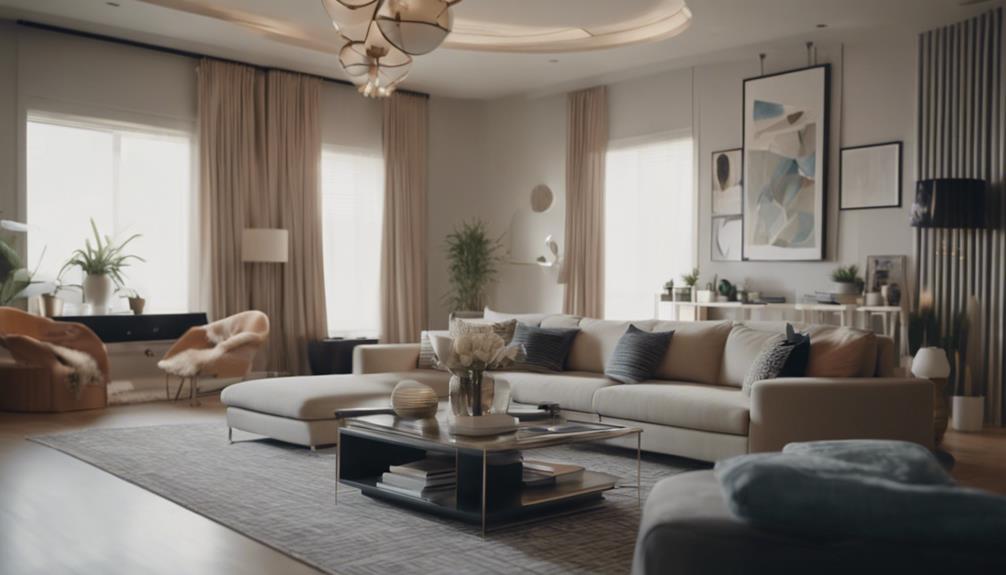
What exactly defines modern style? It’s a design approach characterized by clean lines, minimal clutter, and a focus on function. Modern style often takes inspiration from art deco’s sleek elegance and integrates futuristic concepts that emphasize innovation and new materials. Think of bold geometric shapes, smooth surfaces, and a neutral color palette with occasional pops of color. It’s about creating spaces that feel open, airy, and uncluttered, highlighting simplicity without sacrificing style. The idea is to embrace the present and future, often showcasing cutting-edge designs and materials. Modern design moves away from ornate details, instead favoring practicality, efficiency, and a streamlined look that feels fresh and forward-thinking. Additionally, modern style frequently incorporates smart home technology to enhance convenience and efficiency.
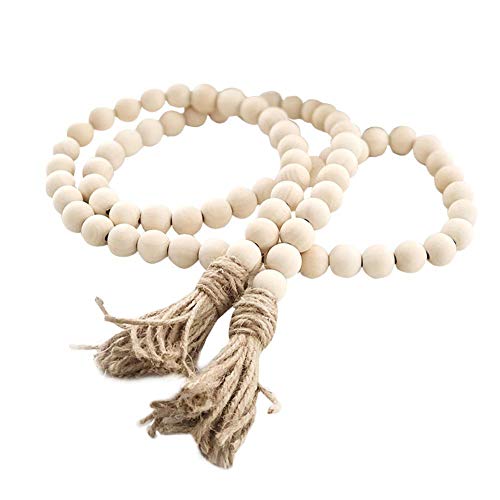
Farmhouse Beads 58in Wood Bead Boho Tassel Garland – Rustic Country Boho Chic Decor for Wall, Above Cabinet & Table
Natural boho wooden bead tassel garland is a perfect finishing accent to your farmhouse, wall, and above cabinet…
As an affiliate, we earn on qualifying purchases.
As an affiliate, we earn on qualifying purchases.
Understanding Rustic Design
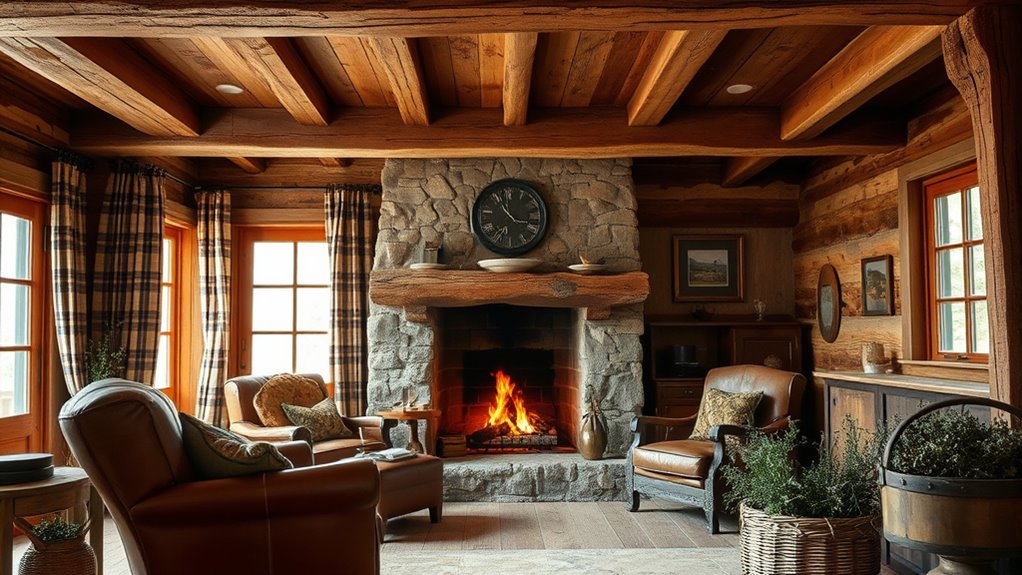
Have you ever been drawn to spaces that feel warm, cozy, and full of natural charm? That’s the essence of rustic design. It emphasizes natural materials and a rugged, welcoming vibe. Wooden accents are key—you might see exposed beams, reclaimed wood furniture, or raw-paneled walls that highlight the beauty of wood’s imperfections. Cozy textures also play a big role, adding softness and comfort through chunky knit throws, plush rugs, or linen cushions. Rustic design celebrates simplicity and authenticity, creating spaces that feel lived-in and inviting. It’s perfect if you want a retreat from modern minimalism, embracing nature and craftsmanship. By combining natural elements and warm textures, you craft a space that’s both stylish and deeply comforting. Incorporating unique and wicked planters can further enhance the rustic aesthetic by adding handcrafted or recycled decorative touches.

Steampunk Wall Art Industrial Picture Machine Old Factory Painting Print On Canvas The Picture for Living Room Home Modern Decoration
Size:12x26inchx2panel, 12x35inchx2panel, all 4 panels.
As an affiliate, we earn on qualifying purchases.
As an affiliate, we earn on qualifying purchases.
The Basics of Minimalist Decor
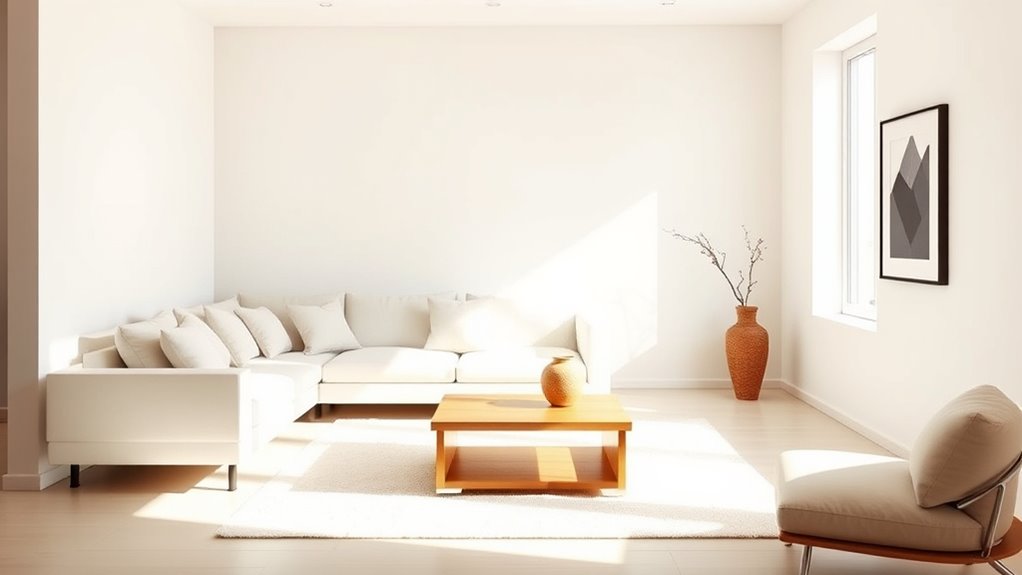
Minimalist decor focuses on simplicity and functionality, so you should prioritize essential pieces that serve a purpose. Using neutral color palettes creates a calm, cohesive look that feels effortless. Keeping your space free of clutter enhances the clean, organized aesthetic central to this style. Incorporating sound healing science elements can also promote relaxation and mental clarity within a minimalist space.
Simplicity and Functionality
Simplicity and functionality lie at the heart of minimalist decor, creating spaces that feel calm and effortless. To achieve this, focus on strategic interior lighting that highlights clean lines and open spaces without clutter. Use natural light whenever possible, and keep artificial lighting simple with sleek fixtures. Your furniture arrangement should emphasize open floor plans, avoiding overcrowding. Select pieces that serve multiple purposes and have a streamlined design, reducing visual noise. Keep surfaces clear, and choose a few essential items rather than many decorative objects. This approach enhances the sense of calm and makes your space easy to navigate. Incorporating self watering plant pots can also add a touch of greenery without complicating your decor, maintaining both practicality and aesthetic appeal. By prioritizing both form and function, you create a minimalist environment that’s practical, inviting, and visually balanced.
Neutral Color Palettes
Choosing a neutral color palette enhances the calm and uncluttered vibe of minimalist decor. Neutral tones like whites, beiges, grays, and soft browns create a versatile foundation that promotes tranquility. When considering color psychology, these hues evoke feelings of relaxation and balance, making your space feel more open and inviting. When it comes to interior painting, opting for neutral shades simplifies the process and ensures your walls complement any furniture or decor. This approach also makes it easier to update your space over time, since neutral colors serve as a subtle backdrop for accent pieces. Additionally, understanding how Bitcoin IRA provides secure storage options can inspire a similar sense of safety and stability in your interior choices. Overall, a neutral color palette helps you achieve a clean, cohesive look that aligns perfectly with minimalist principles.
Clutter-Free Spaces
Creating a clutter-free space starts with intentional organization and mindful decluttering. You should evaluate your belongings and decide what truly adds value to your space. Use effective storage solutions like multi-functional furniture, baskets, and wall-mounted shelves to keep items out of sight but accessible. Implement decluttering techniques such as the “one-in, one-out” rule or scheduled tidying sessions to maintain order. Keep surfaces clear by regularly sorting through clutter and avoiding unnecessary items. Prioritize quality over quantity, selecting only essentials and meaningful decor. This approach not only enhances the minimalist aesthetic but also creates a calm, open environment. Regularly assessing and rotating items can prevent clutter buildup and promote a sustainable, clutter-free space mindful decluttering strategies. With consistent effort, your space becomes more functional, relaxing, and visually appealing—perfect for embracing a minimalist lifestyle.
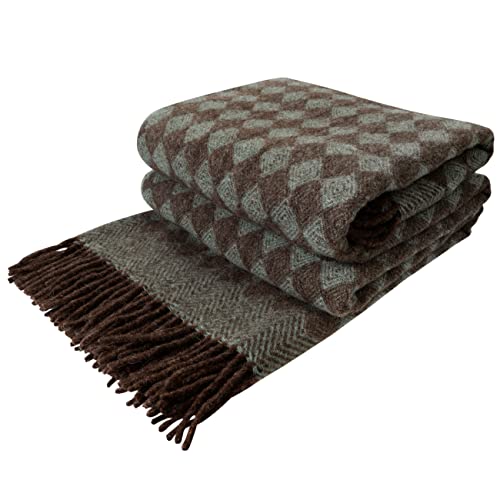
LYHome Wool Blanket 100% – Warm and Cozy Throw for Home Travel Outdoor Camping Picnic & Cold Weather, Decorative Blankets Couch Bed, Warmest Throws (55×79 in | Soft Green – Brown Scandinavian Rhombus)
[LUXURIOUS WARMTH] Experience the cozy embrace of our large wool blanket, perfect for cold weather, be it snuggling…
As an affiliate, we earn on qualifying purchases.
As an affiliate, we earn on qualifying purchases.
What Defines Traditional Style?
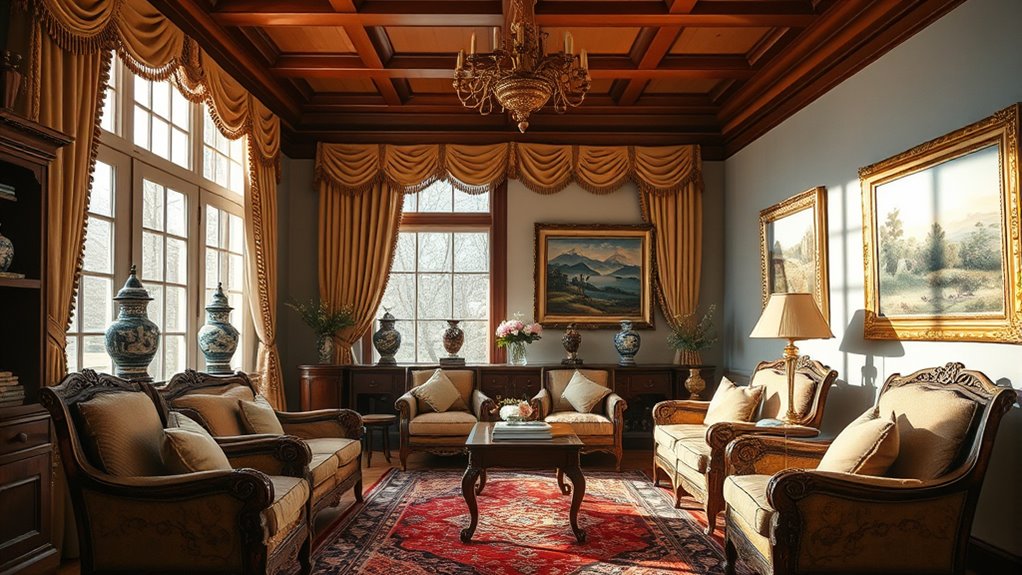
Traditional style features classic design elements like elegant moldings and ornate furniture. You’ll notice the use of rich, warm materials such as dark wood and plush fabrics that create a cozy atmosphere. The layout is typically formal and symmetrical, emphasizing balance and order throughout the space. Additionally, vetted traditional designs often incorporate decorative accessories like chandeliers and detailed trim to enhance their timeless appeal.
Classic Design Elements
What truly defines classic design elements? It’s the use of vintage accents and ornamental details that give traditional spaces their timeless charm. Vintage accents might include antique furniture, aged finishes, or retro accessories that evoke a sense of history. Ornamental details add visual interest through intricate carvings, moldings, and decorative trim. These elements create a layered, sophisticated look that feels both elegant and inviting. Classic design isn’t about minimalism; it’s about richness and character. You’ll notice symmetry, balanced proportions, and carefully chosen embellishments that highlight craftsmanship. By incorporating vintage accents and ornamental details, you craft a space that feels rooted in tradition while remaining stylish and enduring. Incorporating cybersecurity vulnerabilities and preventative measures ensures your design choices remain resilient over time. These elements are the heart of crafting a truly classic, timeless environment.
Rich, Warm Materials
Rich, warm materials form the foundation of classic design, adding depth and comfort to traditional spaces. You’ll notice the use of luxurious textures like plush velvet, soft leather, and rich fabrics that invite touch and create a cozy atmosphere. These materials often feature rich finishes, such as polished wood, gilded accents, and antiqued metals, which enhance the sense of opulence. The goal is to evoke warmth and sophistication, making your space feel inviting yet refined. You’ll see these elements in furniture, draperies, and decorative accessories, all chosen for their ability to convey timeless elegance. Incorporating durability and safety features in these materials further emphasizes the traditional style’s characteristic sense of longevity and richness.
Formal, Symmetrical Layout
A key characteristic of traditional design is its emphasis on formal, symmetrical layouts that create a balanced and harmonious space. You’ll notice carefully arranged furniture and architectural elements that mirror each other on either side, enhancing the sense of order. Ornamental details and decorative motifs like crown moldings and intricate trims add elegance and refinement. Symmetry isn’t limited to furniture placement; it extends to window treatments and accessories, reinforcing the traditional aesthetic. To visualize this, consider the table below:
| Feature | Description | Effect |
|---|---|---|
| Ornamental details | Decorative trims and moldings | Adds sophistication |
| Symmetrical layout | Balanced placement of furniture | Creates harmony |
| Decorative motifs | Classic patterns and embellishments | Reinforces traditional style |
This approach ensures your space feels timeless and well-ordered. Incorporating balanced proportions is essential to achieving a cohesive traditional design.
Exploring Industrial Aesthetics
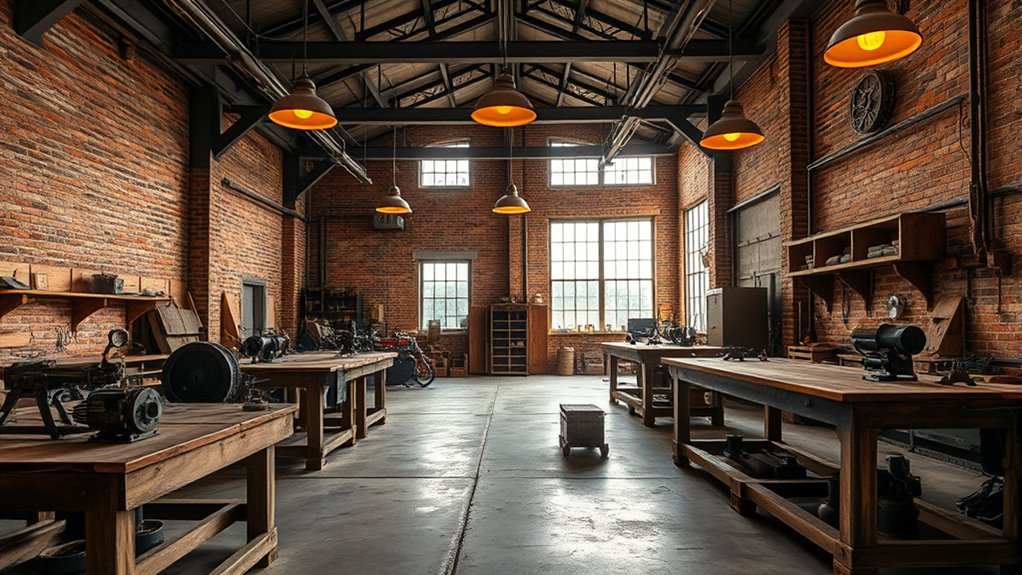
Industrial aesthetics draw inspiration from old factories and warehouses, transforming raw materials into stylish, functional spaces. If you’re into urban lofts, this style offers open layouts with high ceilings and large windows that maximize natural light. You’ll notice vintage fixtures like Edison bulbs, metal piping, and reclaimed wood accents that add character and authenticity. The look emphasizes raw textures—exposed brick walls, concrete floors, and steel beams—creating a rugged yet inviting atmosphere. This style balances utility and design, making it perfect if you love a minimalist vibe with a touch of history. When you incorporate industrial elements, you bring an edgy, modern feel to your space while honoring its industrial roots. It’s all about blending practicality with aesthetic appeal.
Key Features of Scandinavian Design

What makes Scandinavian design stand out is its focus on simplicity, functionality, and light-filled spaces. You’ll notice clean lines, minimal clutter, and natural materials that emphasize craftsmanship. Scandinavian craftsmanship highlights quality and durability, showcasing craftsmanship that’s both beautiful and practical. Nordic lighting plays a pivotal role, with large windows and soft, ambient lighting that brighten rooms during long, dark winters. The color palette stays neutral, often featuring whites, grays, and earthy tones, which enhance the sense of openness. This style also values comfort without sacrificing elegance, blending form and function seamlessly. Overall, Scandinavian design creates inviting spaces that feel calm, airy, and effortlessly stylish—perfect if you want a cozy yet modern home.
Frequently Asked Questions
How Do I Mix Different Design Styles Effectively?
To mix different design styles effectively, you should focus on style blending by choosing complementary aesthetics that share common elements like color palettes or textures. Start with a dominant style and add accents from other styles to create visual interest without clutter. Keep balance in mind, and don’t be afraid to experiment. This approach helps you achieve a cohesive space where diverse design styles work together seamlessly.
Can I Incorporate Multiple Styles in One Room?
Yes, you can incorporate multiple styles in one room by mastering style blending and creating aesthetic harmony. Start by choosing a unifying color palette, then balance bold pieces with subtle accents. Mix textures and patterns thoughtfully, and guarantee each style complements the others. Keep the overall look cohesive by focusing on common elements, so your space feels intentional and inviting, rather than cluttered or chaotic.
What Are Common Color Palettes for Each Style?
You’ll find common color palettes for each style that evoke specific moods through thoughtful color combinations. For example, modern designs often use neutral tones with bold accents to create a sleek, energetic vibe. Rustic styles favor warm earth tones that evoke coziness, while coastal themes incorporate cool blues and whites for a calming effect. Choosing the right palette helps you set the mood and reflect your style, making your space truly personalized.
How Do I Update a Traditional Space With Modern Elements?
To update a traditional space with modern elements, start by incorporating sleek lighting techniques like recessed or pendant lights to brighten the room. Choose furniture with clean lines and neutral colors to create a fresh look, balancing classic pieces with contemporary accents. You can also add modern art or accessories to bring in a current vibe. Keep the overall color palette simple and cohesive for a seamless blend of old and new.
Which Styles Are Best Suited for Small Spaces?
Thinking about transforming a small space? You’ll want to choose styles that maximize every inch. Opt for modern or Scandinavian designs—they use sleek, compact furniture and clean lines that make rooms look larger. Incorporate space-saving solutions like multi-functional furniture and light colors to open up the area. These styles cleverly hide clutter and create an airy feel, giving you the perfect blend of function and style in your cozy space.
Conclusion
Now that you’ve explored these design styles, think of your space as a blank canvas waiting for your unique story. Whether you lean toward sleek modern lines or cozy rustic charm, each style is a brushstroke shaping your personal masterpiece. Embrace the journey of discovery, blending elements to create a space that feels truly yours—like a melody composed from familiar notes, yet uniquely harmonious. Your perfect design style is out there, ready to come alive through your creative touch.