To anchor any room with a focal point, start by identifying natural features like a fireplace, artwork, or large window that draw immediate attention. Highlight these with strategic lighting, complementary colors, and carefully arranged furniture to create visual flow and harmony. Balance bold elements with neutral tones, and adjust scale to fit your space. If you want to master these techniques and craft truly mesmerizing rooms, continue exploring the proven focal point formula.
Key Takeaways
- Identify natural features like fireplaces or large windows that draw attention and enhance them with lighting or decor.
- Choose a focal point that complements your room’s style, size, and scale for balanced visual harmony.
- Use contrast in color, texture, and lighting to highlight the focal point without overwhelming the space.
- Arrange furniture and accessories to direct the gaze toward the anchor, ensuring proper proportion and flow.
- Layer lighting and textures around the focal point to create depth, interest, and a cohesive, inviting environment.
fireplace accent lighting
As an affiliate, we earn on qualifying purchases.
As an affiliate, we earn on qualifying purchases.
Understanding the Power of a Focal Point
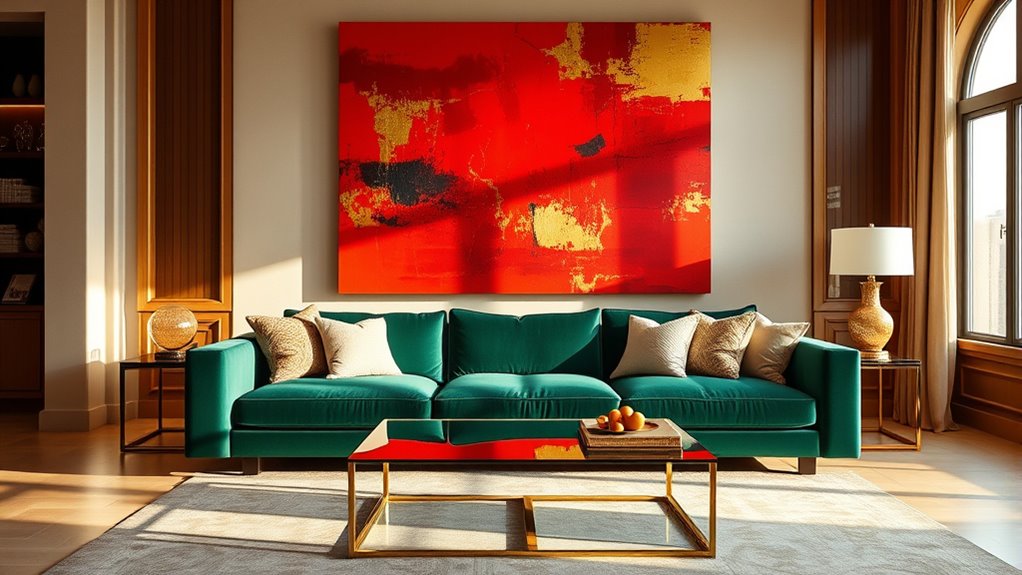
A focal point is a powerful tool because it naturally draws your eye to a specific area of a design or space. Many focal point myths suggest that any bold object or bright color automatically becomes the focus, but it’s more about how elements relate to each other. The psychological impact of a well-placed focal point can evoke feelings of calm, excitement, or curiosity, shaping how you experience the room. When you understand this, you recognize that a focal point isn’t just decorative; it influences mood and perception. Additionally, choosing the right visual anchor can help establish a sense of balance and harmony within the overall design. By mastering the true power of focal points, you can create spaces that feel intentional and balanced, avoiding common misconceptions and enhancing the overall harmony of your environment.
large wall art for living room
As an affiliate, we earn on qualifying purchases.
As an affiliate, we earn on qualifying purchases.
Identifying Natural Focal Points in Your Space
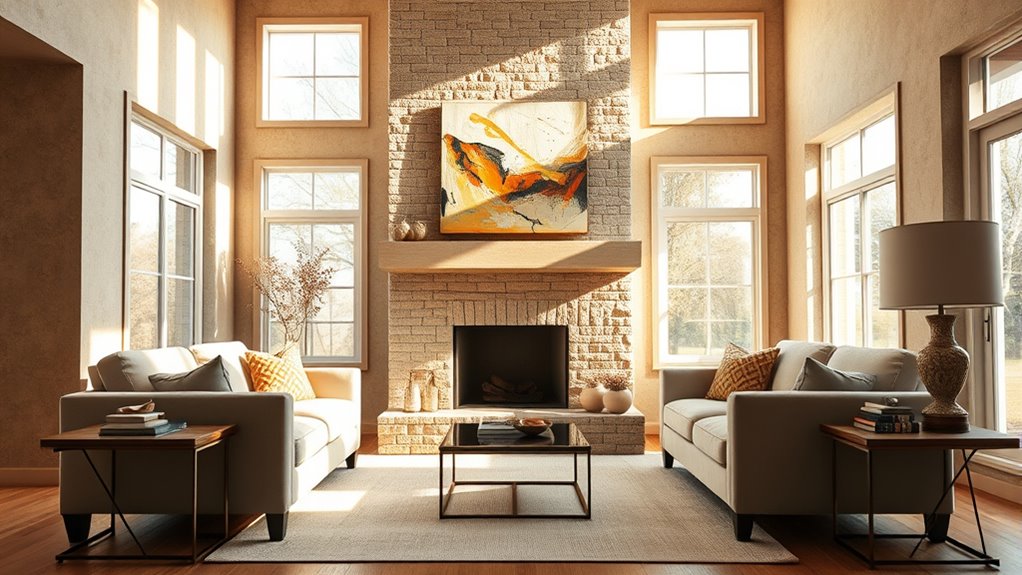
How do you spot the natural focal points already present in your space? Look for elements that draw your eye immediately, like a striking fireplace, a large window with a view, or a bold piece of artwork. These features create a sense of visual flow, guiding your gaze naturally around the room. Pay attention to elements that contribute to overall aesthetic harmony—things that feel balanced and cohesive. Natural focal points often stand out because of their size, color, or placement, making them ideal anchors for your room’s design. Recognizing these existing features helps you build on what’s already there, enhancing the room’s flow and ensuring your space feels inviting and well-balanced. Cookies contribute to a seamless user experience by supporting site functionalities and personalization.
adjustable floor lamps for focal points
As an affiliate, we earn on qualifying purchases.
As an affiliate, we earn on qualifying purchases.
Choosing the Right Element to Highlight
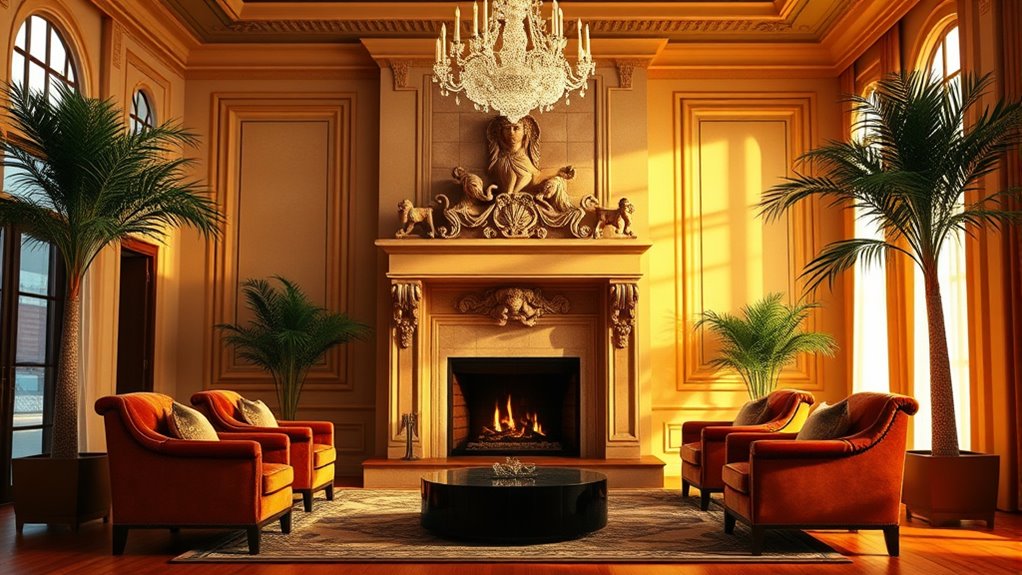
When choosing the right element to highlight, focus on features that naturally draw attention and enhance your space. Consider the size of the room to make certain your focal point doesn’t overwhelm or get lost. Finally, match the highlighted element with your overall decor style for a cohesive look. Incorporating a visual focal point can also improve the overall aesthetic and create a sense of balance.
Focus on Key Features
Choosing the right element to highlight is essential for effectively guiding your audience’s attention. Focus on key features that naturally draw the eye, such as a striking piece of furniture or a bold wall color. Incorporate artificial lighting to emphasize this feature, using spotlights or accent lamps to create a focal glow. Decorative accessories like artwork, sculptures, or textured textiles can also serve as powerful visual anchors. Keep in mind that highlighting one or two key features helps prevent visual clutter and maintains clarity in your room’s design. By intentionally emphasizing these elements, you direct attention where you want it and create a cohesive, inviting space that feels both intentional and balanced. Utilizing self-watering plant pots as a decorative element can also enhance the room’s aesthetic while reducing maintenance efforts.
Consider Room Size
Considering room size is essential when selecting the element to highlight, as what works in a spacious area may feel overwhelming in a smaller space. You need to assess the room dimensions and spatial proportions carefully. Larger rooms can handle bold focal points, like a dramatic fireplace or oversized art, without feeling cluttered. Smaller rooms, however, benefit from subtler features that draw attention without overwhelming the senses. To choose wisely, consider these points:
- Match the size of your focal element to the room’s dimensions.
- Use scale to maintain balanced spatial proportions.
- Avoid overwhelming small spaces with large, elaborate features.
- Opt for simplicity in compact areas to enhance visual harmony.
- Incorporating appropriate design elements aligned with room size can significantly improve overall harmony and aesthetic appeal.
This approach ensures your focal point complements your room’s size, creating an inviting and well-proportioned space.
Match Decor Style
Matching your decor style to your focal point guarantees a cohesive look that enhances your space’s personality. To achieve this, carefully select artwork that complements your room’s theme, whether modern, rustic, or eclectic. Your artwork selection should draw attention without clashing with other design elements. Similarly, choose decorative accessories that match your style, such as sleek vases for contemporary spaces or vintage pieces for traditional rooms. These accessories help reinforce the overall aesthetic and create harmony around your focal point. When everything aligns—artwork, accessories, and furniture—the room feels intentional and balanced. You want your focal point to stand out naturally, not compete with mismatched decor. Thoughtful pairing ensures your room’s personality shines through seamlessly. Incorporating symbolism into your decor can also deepen the visual harmony and add layers of meaning to your space.
decorative vases for focal points
As an affiliate, we earn on qualifying purchases.
As an affiliate, we earn on qualifying purchases.
Using Color and Contrast to Draw Attention
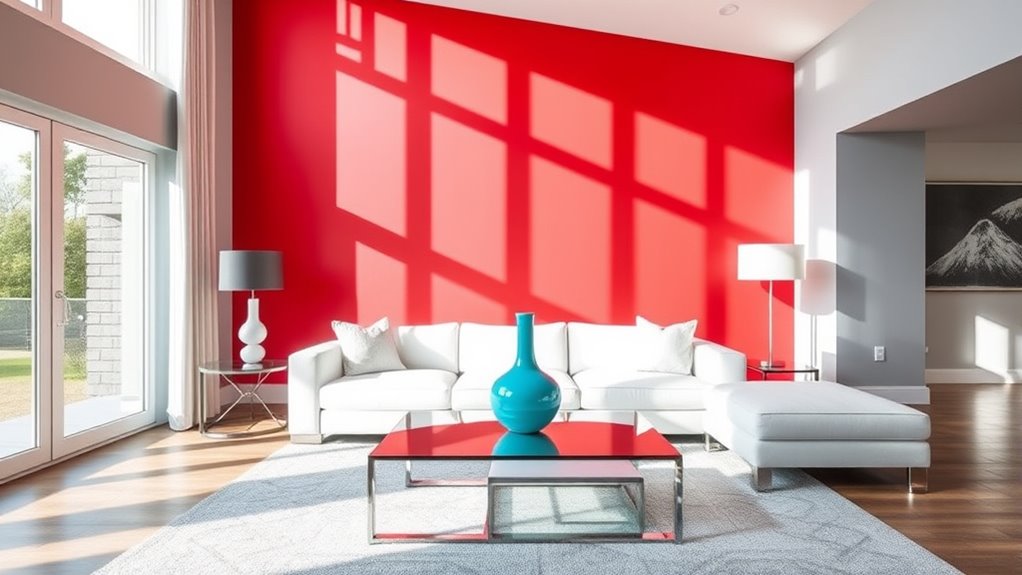
Have you ever noticed how a splash of bright red on a page instantly grabs your attention? That’s the power of using color and contrast to create focal points. Color psychology helps you choose hues that evoke specific emotions, guiding viewers’ focus naturally. Contrast techniques, like pairing dark and light shades or vibrant against neutral, make elements stand out sharply. To harness this effectively: 1. Use bold, warm colors to highlight key features. 2. Incorporate contrasting shades for visual impact. 3. Limit color schemes to prevent distraction. 4. Focus contrasting elements on your main focal point. Additionally, understanding the principles of exfoliation benefits from skincare can help you create more engaging and effective visual designs.
Arranging Furniture for Visual Impact

To create a striking visual impact in any room, you need to arrange your furniture intentionally. Focus on establishing artistic focal points that naturally draw the eye, whether it’s a statement piece or a scenic view. Avoid focal point myths that suggest symmetry or centered arrangements are always best; instead, experiment with asymmetry and unconventional layouts to add depth and interest. Position seating and key furniture pieces to highlight these focal points, creating a sense of flow and balance. Keep clutter minimal, so your focal points stand out. Remember, thoughtful furniture placement guides the eye and enhances the room’s overall impact, making your space feel cohesive and visually compelling without relying on overly traditional or predictable arrangements. Incorporating visual balance strategies can further elevate the room’s aesthetic appeal.
Incorporating Lighting to Emphasize Key Features

Lighting plays a crucial role in highlighting your room’s key features and creating visual interest. With the right lighting techniques and fixture selection, you can draw attention to focal points effortlessly. Consider these strategies:
Effective lighting highlights key features and adds visual interest effortlessly.
- Use accent lighting to highlight artwork or architectural details.
- Choose fixtures that complement your room’s style while providing targeted illumination.
- Layer lighting with ambient, task, and accent sources for depth.
- Adjust fixture placement to cast shadows and emphasize textures.
- Be mindful of privacy policy considerations when installing new lighting controls or smart systems to ensure user data is protected.
Balancing the Focal Point With Surrounding Elements
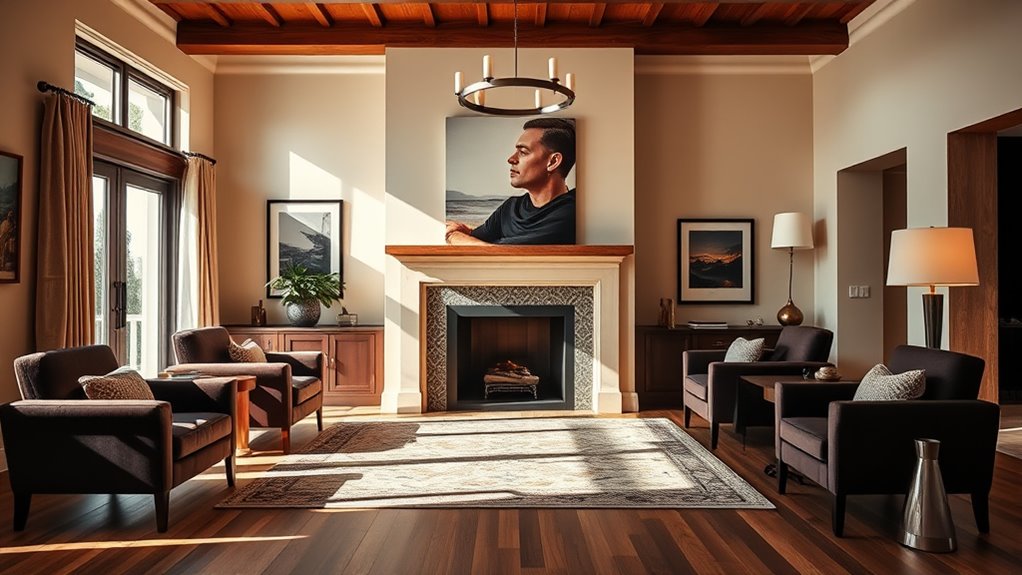
To create a harmonious space, you need to balance your focal point with surrounding elements like color schemes, furniture placement, and textures. Using complementary colors can enhance the main feature without overpowering it, while proportional furniture ensures a natural flow. Incorporating textural balance techniques helps uphold visual interest without distracting from the focal point. Considering interior decor strategies, such as layering textures and blending modern with antique pieces, can further elevate the overall aesthetic.
Complementary Color Schemes
Complementary color schemes are a powerful tool for balancing your focal point with surrounding elements. They create vibrant contrast and enhance color harmony, making your room feel cohesive. When shade pairing, choose hues opposite each other on the color wheel to draw attention without overwhelming the space. Use these strategies to deepen your design:
- Select bold, contrasting shades for the focal point and accents
- Soften the surrounding elements with muted complementary tones
- Incorporate subtle variations to maintain visual interest
- Balance bright colors with neutral backgrounds for harmony
Proportional Furniture Placement
How can you guarantee your focal point remains the star of the room? The key is proportional furniture placement, which creates artistic arrangements that highlight your focal point’s versatility. Start by positioning larger pieces closer to the focal point, drawing immediate attention. Arrange surrounding furniture to complement its size and shape, avoiding clutter or imbalance. Use symmetry or deliberate asymmetry to balance visual weight and maintain harmony. Keep pathways clear to ensure the focal point isn’t overshadowed. This approach ensures each element supports the centerpiece without competing for attention. By carefully balancing proportions, you craft a cohesive space where the focal point shines naturally, making your room feel intentional and well-designed. This technique keeps your focal point central, engaging, and visually appealing.
Textural Balance Techniques
Balancing the focal point with surrounding elements through textural variety enhances visual interest and harmony in a room. To achieve this, consider the power of textural contrast and material layering. First, mix smooth and rough surfaces to create depth and keep the eye engaged. Second, layer different fabrics—like velvet, linen, and wool—to add richness and tactile appeal. Third, incorporate contrasting materials, such as wood with metal or glass, to emphasize the focal point without overwhelming it. Fourth, avoid monotony by varying textures around the focal point, ensuring each element complements the overall design. Using these techniques, you create a balanced environment that highlights your focal point while adding warmth, depth, and personality to your space.
Tips for Small Spaces and Unconventional Rooms

When designing small spaces or unconventional rooms, choosing a focal point is essential to make the area feel intentional and visually appealing. In tight quarters, consider using artificial plants to create a natural, vibrant centerpiece without cluttering the space. They add color and texture without the maintenance of real greenery. Ceiling treatments also play a pivotal role; a bold or unique ceiling design draws the eye upward and can serve as a striking focal point. For unconventional rooms, think outside the box—installing a statement lighting fixture or an eye-catching artwork on an unexpected wall can transform the space. Keep the rest of the decor simple to highlight your focal point, making the room feel cohesive and thoughtfully curated despite limited space.
Maintaining Harmony: Ensuring Your Focal Point Complements the Room
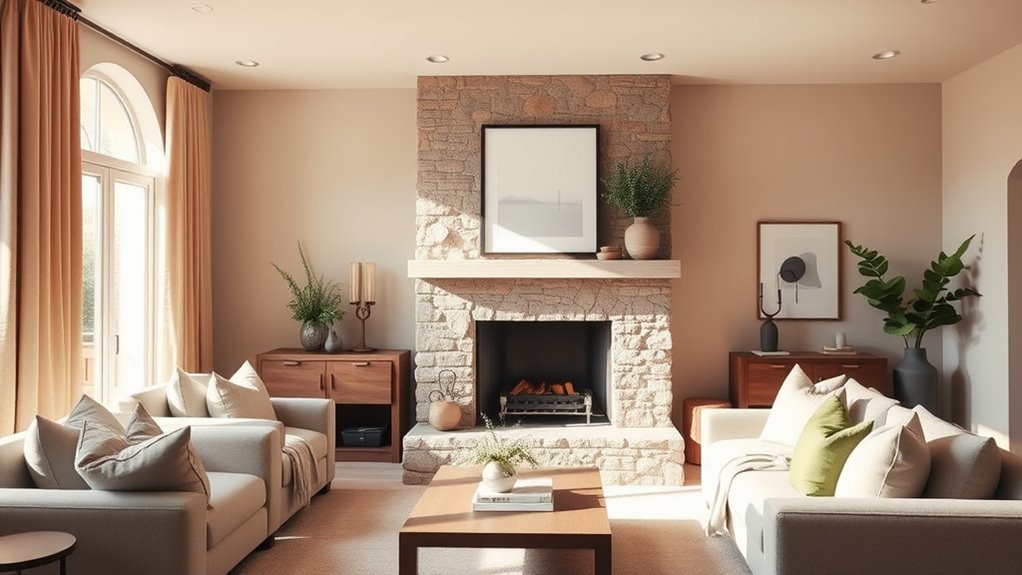
Choosing a focal point is only the first step; making certain it harmonizes with the rest of your room’s design guarantees a cohesive look. To maintain harmony, consider how your focal point interacts with artistic expressions and outdoor landscapes. Here are four tips:
Harmonize your focal point with your room’s style for a seamless, cohesive design.
- Balance boldness: Match the scale of your focal point with surrounding elements to avoid visual clutter.
- Color coordination: Use colors in your artwork or outdoor scenery that complement your room’s palette.
- Texture harmony: Incorporate textures that enhance both the focal point and the overall environment.
- Theme consistency: Ensure your focal point reflects the room’s style, whether it’s natural outdoor landscapes or artistic expressions, creating a seamless flow.
Frequently Asked Questions
How Can I Create a Focal Point in a Minimalist Room?
You can create a focal point in a minimalist room by carefully selecting artwork that stands out, drawing the eye instantly. Use strategic lighting techniques, like spotlighting or wall-mounted fixtures, to highlight this piece and add visual interest. Keep the surrounding space simple, ensuring the artwork and lighting become the main attractions. This approach emphasizes your focal point without cluttering the room, maintaining the minimalist aesthetic.
What Are Common Mistakes to Avoid When Designing a Focal Point?
You should avoid making your focal point too busy or cluttered, which can disrupt balance and harmony in the room. Don’t overdo it with bold colors or excessive accessories that draw attention away from the main feature. Also, steer clear of placing the focal point off-center or in awkward spots, as this can create visual imbalance. Keep it simple and well-composed to maintain a cohesive, calming design.
How Do Seasonal Changes Affect My Focal Point Choices?
Did you know that 75% of homeowners change their decor seasonally? Seasonal changes considerably impact your focal point choices, as you want versatility to match the mood. Incorporate seasonal decor that complements your focal point, allowing it to adapt easily. This keeps your room fresh and engaging year-round. Prioritize focal point versatility, so your space remains inviting no matter the season, making your home both functional and stylish.
Can a Focal Point Be Functional as Well as Aesthetic?
Yes, a focal point can be both functional and aesthetic. You can use decorative lighting or statement furniture to serve this dual purpose, drawing attention while enhancing practicality. For example, a striking chandelier provides ambient light and acts as a centerpiece, while a bold sofa or unique fireplace adds visual interest and comfort. This approach keeps your space stylish and functional, making every element work harmoniously.
How Do I Update My Focal Point for Different Occasions or Themes?
Imagine your focal point as a chameleon, changing to suit any occasion. To update it, swap out decorative accessories and add new color accents that match your theme. For a cozy winter vibe, incorporate warm tones and plush textiles. For a lively party, use bright colors and eye-catching decor. This flexibility keeps your space fresh and engaging, making every gathering feel perfectly tailored to the moment.
Conclusion
Did you know rooms with a clear focal point are 60% more inviting and functional? By choosing the right element, using color and lighting effectively, and arranging furniture thoughtfully, you can create a space that instantly draws attention and feels balanced. Remember, your focal point sets the tone for the entire room. With these tips, you’ll turn any space into a stunning, harmonious haven that truly reflects your style.