Yes, interior paint is typically water-based. It dries fast, cleans up easily with water and soap, and emits lower levels of odor compared to other types. Water-based paint is a popular choice for indoor projects due to its quick drying time and simple cleanup process. Plus, it's more environmentally friendly with reduced VOC emissions. So, if you're looking for a paint that's user-friendly and kinder to the environment, water-based paint is your go-to choice!
Key Takeaways
- Yes, interior paint can be water-based.
- Water-based paints offer quick drying.
- They are easy to clean up with water.
- Water-based paints are environmentally friendly.
- They provide a safer option for home use.

Zinsser 02774 PERMA-WHITE Mold & Mildew Proof Interior Paint, Quart, Eggshell White
Self-Priming formula – requires no sanding
As an affiliate, we earn on qualifying purchases.
As an affiliate, we earn on qualifying purchases.
Understanding Water-Based Paints

When it comes to interior paint, understanding water-based paints is essential for eco-friendly and easy-to-clean options. Water-based paints, such as acrylic paint and latex paint, use water as a solvent, making them environmentally friendly and simple to clean with soap and water. Acrylic paint, a type of water-based paint, offers superior adhesion, durability, and flexibility for interior applications. On the other hand, latex paint, another water-based option, is cost-effective, provides good coverage, and is suitable for vertical surfaces like interior walls.
One significant advantage of water-based paints is their quick drying time, allowing for same-day recoating. Additionally, they've low odor levels compared to oil-based paints, making them a more pleasant option for indoor projects. Real Milk Paint, a powdered water-based paint, is a fantastic choice for those looking for a non-toxic option. It's safe for food contact surfaces and creates a durable matte finish for various interior projects.
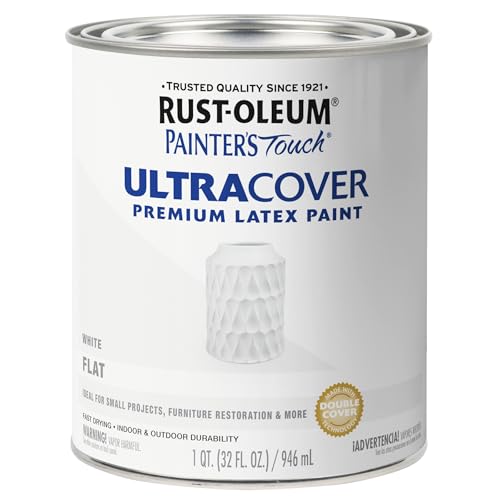
Rust-Oleum 1990502 Painter's Touch Latex Paint, Quart, Flat White 32 Fl Oz (Pack of 1)
Use for a variety of indoor and outdoor project surfaces including wood, metal, plaster, masonry or unglazed ceramic
As an affiliate, we earn on qualifying purchases.
As an affiliate, we earn on qualifying purchases.
Benefits of Water-Based Paints
Water-based paints offer you the benefits of quick drying time and easy cleanup. With their fast drying properties, you can finish your painting projects efficiently.
Cleaning up after your paint job is a breeze with just soap and water, making water-based paints a convenient choice for your interior spaces.
Quick Drying Time
Experience the efficiency of water-based interior paints with their rapid drying time, allowing for same-day recoating and a streamlined painting process. Unlike oil-based paints that can take hours or even days to dry completely, water-based paints typically dry within 1-2 hours.
This quick drying time is a game-changer, enabling you to apply additional coats on the same day, saving you time and effort. With water-based paints, you can say goodbye to long waiting periods between coats, making your painting project a breeze.
The fast drying time also minimizes the chances of dust or debris ruining your freshly painted surface. Embrace the convenience of water-based paints and enjoy a faster, more efficient painting experience.
Easy Cleanup
For a hassle-free cleanup after your painting project, consider the benefits of using water-based interior paints. These paints offer easy cleanup with soap and water, making post-painting maintenance a breeze. Additionally, water-based paints have low VOC levels, which means you can enjoy your freshly painted space without worrying about harmful emissions. To help you visualize the advantages of water-based paint for easy cleanup and low VOC levels, here is a comparison table:
| Water-Based Paint Benefits | Description |
|---|---|
| Easy Cleanup | Can be cleaned with soap and water |
| Low VOC Levels | Reduces harmful emissions |
Choose water-based interior paint not only for its easy cleanup but also for its environmental friendliness and quick drying time.

EVOLVE Interior Paint & Primer, Eggshell (Cloud White), 1 Gallon – One-Coat Coverage, Excellent Hide, Low VOC, Low Odor, Washable Paint for Walls, Doors & Trim
PAINT + PRIMER IN ONE: Evolve’s paint-and-primer formula helps you get great coverage from the start, sealing your…
As an affiliate, we earn on qualifying purchases.
As an affiliate, we earn on qualifying purchases.
Differences Between Water-Based and Oil-Based Paints
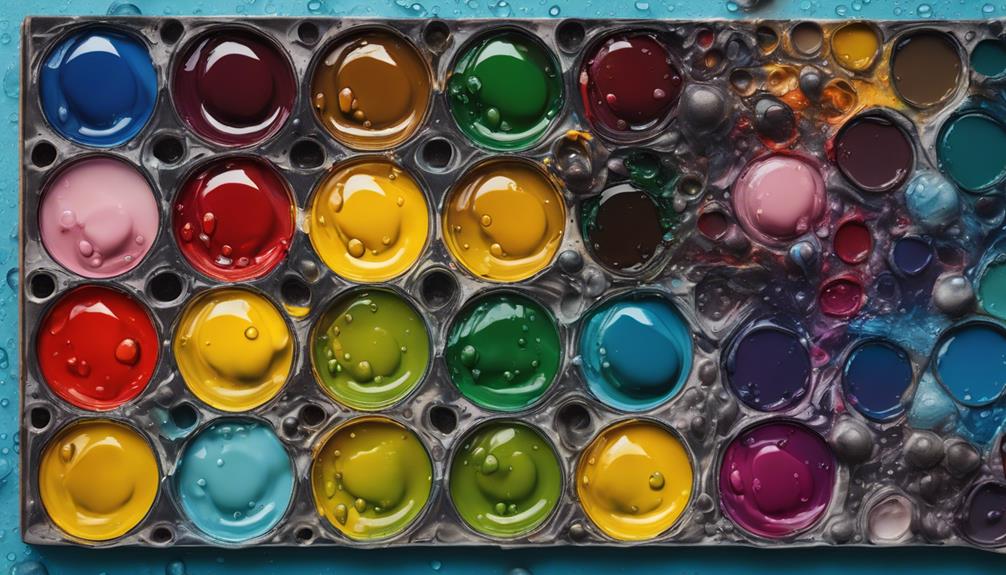
When deciding between water-based and oil-based paints, it's important to consider their key distinctions regarding cleanup, drying time, sheen, durability, and environmental impact.
Water-based paints use water as a solvent, making cleanup a breeze with just soap and water, while oil-based paints require mineral spirits and emit higher levels of VOCs during application, impacting air quality.
Additionally, water-based paints dry faster than oil-based ones, allowing for quicker recoating and project completion. Oil-based paints offer a higher sheen but may lack durability outdoors compared to water-based options.
In terms of environmental impact, water-based paints shine as they've lower VOC emissions, making them a more eco-friendly choice. Remember, taking these differences into consideration can help you make an informed decision when choosing between water-based and oil-based paints for your next painting project.

Motsenbocker's Lift Off 41301 Latex Paint Remover Spray Removes Latex Paint and Enamel, Works on Multiple Surfaces, Water-Based, Biodegradable, 22 Fl Oz, Pack of 1
PAINT REMOVAL MADE EASY: Lift Off’s patented, water-based formula that safely removes old and new latex paint, acrylics,…
As an affiliate, we earn on qualifying purchases.
As an affiliate, we earn on qualifying purchases.
Characteristics of Water-Based Paint
If you're looking for a paint that dries quickly, cleans up easily, and emits lower levels of VOCs, water-based paint is the ideal choice. When painting your interior walls, the quick drying time of water-based paint allows you to finish your projects faster, saving you time and reducing the chance of smudges or accidental damage. Cleaning up is a breeze with water-based paint—all you need is soap and water, making post-painting cleanup a simple task. Additionally, these paints emit lower levels of VOCs compared to oil-based alternatives, which isn't only better for the environment but also for your health.
Choosing water-based paint for your interior walls not only offers practical benefits but also provides a longer-lasting finish. These paints are more flexible and less likely to crack over time, providing a durable and beautiful result. Real Milk Paint, a popular water-based option, takes it a step further by being non-toxic and safe for surfaces that come into contact with food. So, when it comes to your next paint project, consider the many advantages water-based paint offers for a smooth and safe painting experience.
Application of Water-Based Paints
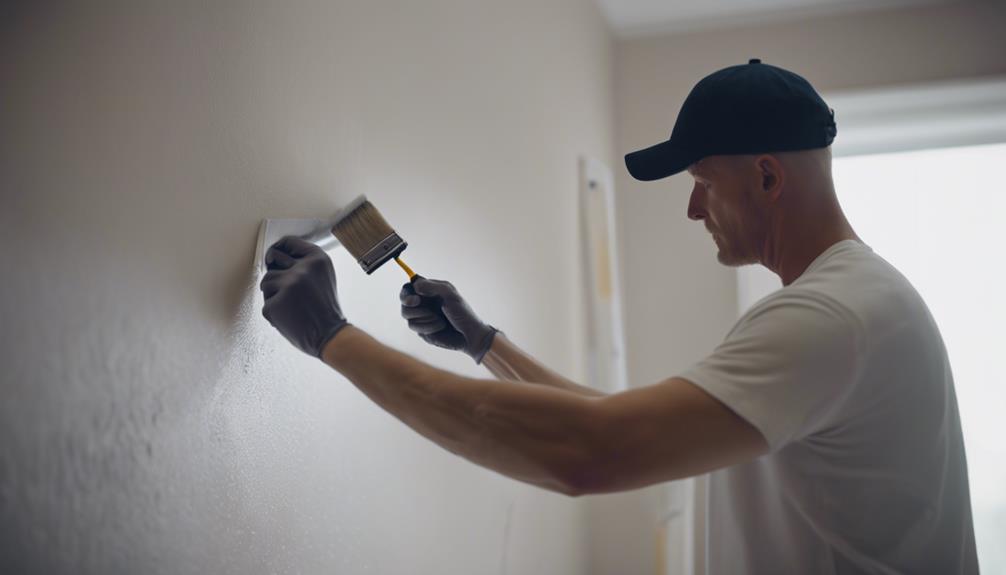
Enhancing surfaces with water-based paints brings durability and vibrant color to your projects. When it comes to interior walls, using latex paint or acrylic paint can make a significant difference. Latex paint, also known as water-based paint, offers excellent coverage on vertical surfaces like interior walls. Its cost-effectiveness and quick drying time make it a popular choice for many DIY projects.
On the other hand, acrylic paint contains pigment particles in an acrylic polymer emulsion, providing flexibility and quick drying properties. These water-based paints adhere well to various surfaces, ensuring a long-lasting finish that can withstand daily wear and tear. Whether you're painting a small accent wall or revamping an entire room, water-based acrylic paints offer versatility in consistencies and formats, allowing you to explore different painting techniques with ease.
Environmental Impact of Water-Based Paints
When choosing interior paint, opt for water-based options for a more eco-friendly choice.
These paints boast reduced VOC emissions, making them a sustainable painting alternative.
Eco-Friendly Paint Options
Water-based paints, such as acrylic and latex, offer a more environmentally friendly alternative to oil-based paints due to their lower release of volatile organic compounds (VOCs).
When considering eco-friendly paint options, here are a few key points to keep in mind:
- Acrylic paint, a type of water-based paint, dries quickly and has a low odor, making it a popular choice for eco-conscious interior projects.
- Latex paint, another water-based option, is known for its easy cleanup with water, reducing the need for harsh chemicals.
- Water-based paints provide durability and color retention while being more environmentally conscious, making them a sustainable choice.
- Opting for water-based paints for your interior painting needs can help create a healthier indoor environment with minimal impact on the planet.
Reduced VOC Emissions
Reducing VOC emissions through the use of water-based paints greatly benefits indoor air quality and environmental health. Latex paint, acrylic paint, and other water-based paints release fewer volatile organic compounds (VOCs) into the air compared to oil-based paints. This reduction in VOC emissions contributes to better indoor air quality, promoting a healthier living environment.
By choosing water-based paints, you help minimize the negative impact of VOCs on human health and the ecosystem. Environmental organizations recommend water-based paints to reduce air pollution and protect the environment. This aligns with green building practices and sustainability initiatives aimed at lowering VOC emissions.
Making the switch to water-based paints is a simple yet impactful way to contribute to a cleaner and healthier indoor environment.
Sustainable Painting Choices
Considering sustainable painting choices is essential when evaluating the environmental impact of water-based paints. Here are four reasons why opting for water-based paints supports environmentally friendly and sustainable painting practices:
- Lower VOC Emissions: Water-based paints release fewer volatile organic compounds into the air, reducing harm to the environment.
- Quick Drying Time: Water-based paints dry rapidly, cutting down on energy usage during the painting process.
- Natural Ingredients: Options like Real Milk Paint use natural components, making them safer for the environment.
- Easy Cleanup: Water-based paints can be easily cleaned with soap and water, minimizing the need for harsh chemicals.
Choosing water-based paints not only benefits your indoor air quality but also contributes to a greener planet through sustainable painting practices.
Choosing Water-Based Paint for Your Project

Opting for water-based paint can greatly simplify your interior painting project. When choosing water-based paint for your interior walls, consider options like acrylic paint or latex paint. These types of water-based paints are ideal for interior applications due to their fast drying time and easy cleanup with just water. Not only do water-based paints offer convenience, but they're also environmentally friendly with lower VOC levels compared to oil-based paints, making them a safer choice for your home.
For a unique twist, you can explore Real Milk Paint, a powdered water-based paint that isn't only nontoxic but also safe for surfaces that come in contact with food. This innovative paint option provides a durable matte finish, perfect for various interior projects.
Cleaning Up Water-Based Paints

When it comes to using water-based paints, cleaning up afterward is a breeze thanks to their easy-to-use nature with soap and water. Here are some reasons why cleaning up water-based paints is a simple and eco-friendly process:
- Environmentally Friendly: Water-based paints can be easily cleaned up with water, eliminating the need for harsh chemicals or solvents that can harm the environment.
- Simplified Maintenance: The ability to clean brushes, rollers, and other tools with water makes maintenance a cinch and helps extend the lifespan of your painting equipment.
- Efficiency Boost: Quick and easy cleanup with water ensures a faster turnaround time between painting projects, increasing overall efficiency.
- Healthier Painting Environment: Opting for water-based paints reduces the use of strong-smelling chemicals, creating a more pleasant and healthier indoor painting environment for you and your family.
Frequently Asked Questions
Is Interior Wall Paint Oil or Water-Based?
Interior wall paint is typically water-based, also known as latex paint, for its ease of use, low odor, and quick drying time. Water-based paints like acrylic latex are environmentally friendly, have lower VOC levels, and clean up easily with soap and water.
They offer durability, flexibility, and resistance to UV light, making them ideal for indoor use. Choosing water-based paint is preferred by many for its convenience, performance, and versatility.
How Do You Know if Paint Is Water-Based?
To determine if paint is water-based, try cleaning a small area with soap and water – if it comes off easily, it's likely water-based. Another trick is to rub a hidden spot with rubbing alcohol; if the paint smudges, it's water-based.
Water-based paint dries fast, has less odor, and is perfect for indoor projects. Its easy cleanup with water makes it a go-to choice for interior applications.
Is Sherwin Williams Interior Paint Water or Oil-Based?
Sherwin Williams interior paint is primarily water-based, known as latex or acrylic paint. These eco-friendly options offer easy cleanup with water, dry faster, and have less odor than oil-based paints.
For most residential and commercial applications, Sherwin Williams recommends their water-based interior paints. With a wide range of colors available in water-based formulations, you'll find the perfect shade to brighten up your space while being environmentally conscious.
What Kind of Paint Is Interior Paint?
Interior paint is a magical potion of creativity, available in various types.
Water-based interior paint, like latex or acrylic, is a versatile medium that reigns supreme for its ease of use. It is non-flammable, quick-drying, and perfect for indoor projects.
Latex paint is cost-effective and flexible, making it a popular choice. On the other hand, acrylic paint offers durability and strong adhesion.
Water-based paints, being eco-friendly and easy to clean, are your trusted companions for indoor beautification.
Conclusion
So, is interior paint water-based?
The answer is yes! Water-based paints offer numerous benefits, such as easy cleanup and low odor. They also have less environmental impact compared to oil-based paints.
Next time you're choosing paint for your project, consider going with a water-based option for a hassle-free and eco-friendly painting experience.
Happy painting!