
To prevent headaches caused by LED lighting, consider choosing warm white bulbs with a Kelvin rating of around 2700. Cool white LEDs emit a brighter blue light that can lead to headaches and eye strain. It is advisable to minimize exposure to bright, cool white LEDs and explore techniques to reduce glare. Opting for green LED lights can offer a milder alternative and help alleviate light sensitivity. Additionally, using light-filtering glasses like FL-41 lenses may aid in relieving symptoms. Consulting healthcare professionals, such as optometrists or neurologists, can offer personalized advice on effectively managing LED-induced headaches. Understanding LED color temperature and light intensity is crucial in reducing migraine triggers and light sensitivity. More detailed information is available.
Key Takeaways
- Opt for warm white LEDs with a color temperature of 2700 Kelvin to minimize migraine triggers.
- Use green LED lights to reduce light sensitivity and mitigate migraine pain.
- Implement glare reduction techniques to prevent LED-induced headaches.
- Consider green light therapy to lessen migraine pain and light sensitivity by up to 20%.
- Consult healthcare professionals for personalized interventions to alleviate LED-induced headache symptoms.
As an affiliate, we earn on qualifying purchases.
Impact of LED Light Color Temperature
LED light color temperature plays an important role in determining its impact on individuals, especially those prone to migraines. The Kelvin rating of LED lighting, ranging from warm white at around 2700 Kelvins to cool white options, directly influences how light-sensitive individuals experience illumination.
For migraine sufferers, opting for soft, warm white LED lights is essential to prevent triggering symptoms. This is because daylight bulbs with higher Kelvins emit a cool light color that can exacerbate migraine discomfort. However, bright, cool white LED bulbs offer a middle-ground solution for those sensitive to light, providing adequate illumination without intensifying migraine symptoms.
Understanding LED Light Intensity
Blue light intensity emitted by modern lighting sources can significantly impact individuals' well-being and health, leading to various discomforts such as headaches and disrupted sleep patterns. LED lights, in particular, emit a substantial amount of blue light, which can trigger migraine headaches and worsen symptoms of light sensitivity. Prolonged exposure to this type of light has been linked to eye strain, fatigue, and disruptions in the circadian rhythms, affecting overall focus levels.
To better understand the harmful effects of LED light intensity, it is important to recognize the symptoms of light sensitivity, which include headaches, migraines, trouble sleeping, and constant squinting. While fluorescent lights also emit blue light, LEDs have been found to emit even higher levels, exacerbating these issues. It is essential to be mindful of the potential risks associated with blue light exposure from LED lights and take proactive measures to mitigate its adverse effects on health and well-being.
| LED Lights | Harmful Effects |
|---|---|
| Blue light exposure | Migraine headaches |
| Light sensitivity | Disrupted sleep patterns |
Choosing Soft White LED Bulbs
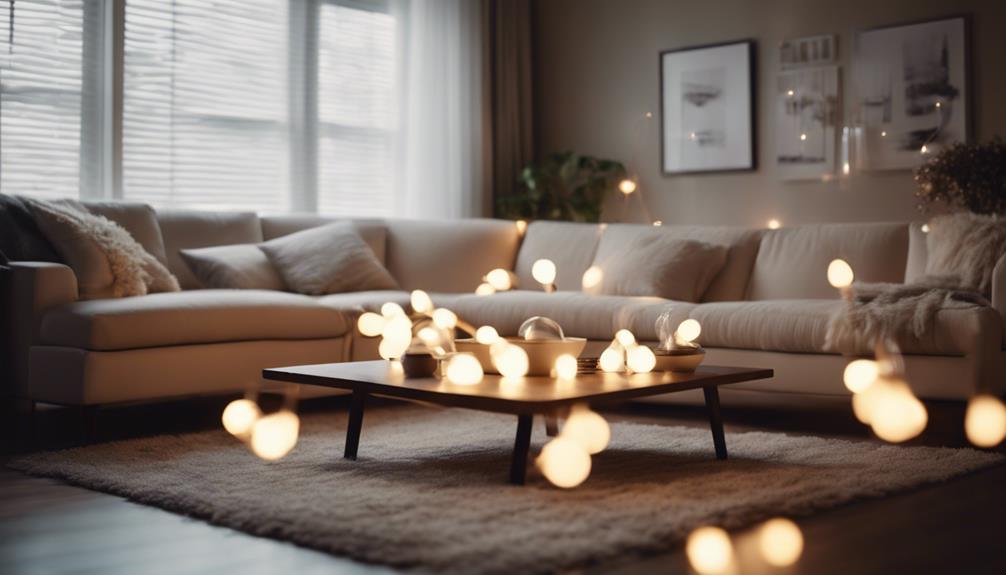
When selecting lighting options for your living space, consider opting for soft white LED bulbs with a color temperature of around 2700 Kelvin. These bulbs are ideal for migraine sufferers as they emit a gentle, warm light that can help reduce the likelihood of light-induced headaches. Soft white LED bulbs create a comfortable and calming ambiance, minimizing the risk of triggering migraines.
By choosing bulbs with a lower Kelvin rating like 2700, you can create a relaxing environment without causing light sensitivity or aggravating migraines. Incorporating soft white LED bulbs into your home lighting setup can contribute to a migraine-friendly atmosphere that supports overall well-being.
The soothing nature of these bulbs makes them a practical choice for those prone to headaches triggered by bright or cool white lights. Opt for soft white LED bulbs to establish a migraine-sensitive and soothing ambient light in your living spaces.
Effects of Cool White LED Bulbs
Exposure to the bright, bluish-white light emitted by cool white LED bulbs can trigger headaches, migraines, and eye strain in sensitive individuals. This is due to the high levels of blue light present in cool white LEDs, which can disrupt the natural balance of light that our eyes are accustomed to.
The color temperature of cool white LED bulbs typically falls within the range of 4000-5000 Kelvin, making them appear more intense and harsh compared to warmer lighting options. Individuals who are prone to headaches or migraines may find that prolonged exposure to cool white LED lighting exacerbates their symptoms.
Additionally, eye strain can result from the glare and brightness of these bulbs, especially in environments where they're used extensively, such as offices. To alleviate these issues, opting for warmer LED bulbs with lower color temperatures can help reduce the negative effects associated with cool white LED lighting and promote a more comfortable visual environment.
Minimizing Migraine Triggers
LED lighting can exacerbate migraines due to the high levels of blue light they emit. To minimize triggers, individuals can opt for green LED lights, which are less likely to cause headaches.
Techniques like adjusting light color, reducing glare, and choosing flicker-free lighting can also help in mitigating migraine-inducing effects.
Light Color Impact
To minimize migraine triggers, opting for green LED lights is recommended due to their gentler impact on the eyes compared to blue-hued options. Green light is known to be less likely to cause headaches and can help reduce light sensitivity associated with migraines.
Studies have shown that green light therapy may decrease migraine pain by up to 20%. Choosing warm colors like green or soft, warm white LED bulbs over cooler, daylight options can alleviate migraine symptoms.
Green LED lighting can also reduce the effort required by the eyes and brain to process light, potentially lowering the severity of migraines. Making these color choices in lighting can contribute to a more comfortable environment for individuals prone to migraines.
Glare Reduction Techniques
Minimizing reflections and bright light sources is key in implementing glare reduction techniques to prevent migraine triggers. Individuals with light sensitivity can benefit from using matte finishes on surfaces and anti-glare coatings on screens to decrease glare.
Positioning light sources strategically and adjusting screen angles can help reduce direct glare and alleviate eye strain. Installing window coverings or curtains can aid in controlling natural light indoors, minimizing glare.
Opting for indirect lighting and diffusing harsh light sources are effective ways to reduce glare and alleviate migraine symptoms. By incorporating these methods, individuals can create a more comfortable environment that's conducive to preventing headaches triggered by excessive glare and bright light sources.
Flicker-Free Lighting Solutions
Implementing flicker-free lighting solutions is essential for reducing migraine triggers associated with visual discomfort and headaches. LED lights with stable output play an important role in minimizing eye strain and preventing light-induced migraines. Flickering in LED lights can lead to fatigue, visual discomfort, and an increased risk of migraines. By selecting flicker-free LED bulbs, individuals can create a more comfortable and migraine-friendly lighting environment. Consistent, non-flickering LED lighting promotes better visual comfort and reduces the likelihood of migraine episodes.
| Benefits of Flicker-Free LED Lighting |
|---|
| Minimizes migraine triggers |
| Reduces eye strain |
| Prevents visual discomfort |
Using Light-Filtering Glasses

Light-filtering glasses, such as FL-41 lenses, offer a practical solution for reducing exposure to harmful blue light emitted by LED sources and alleviating associated symptoms like headaches and eye strain. These glasses have been designed to combat light sensitivity issues, providing relief from light-induced headaches and migraines.
By selectively filtering out specific wavelengths, FL-41 lenses enhance visual comfort, making them a proactive choice for individuals affected by the intense lighting of LEDs. Studies have shown that wearing light-filtering glasses can effectively reduce the impact of bright LED lighting on the eyes, helping individuals manage discomfort and headaches triggered by exposure to blue light.
Opting for FL-41 lenses is a sensible step towards mitigating the negative effects of LED lighting, promoting better visual health and well-being in environments where such lighting is prevalent.
Seeking Professional Healthcare Advice
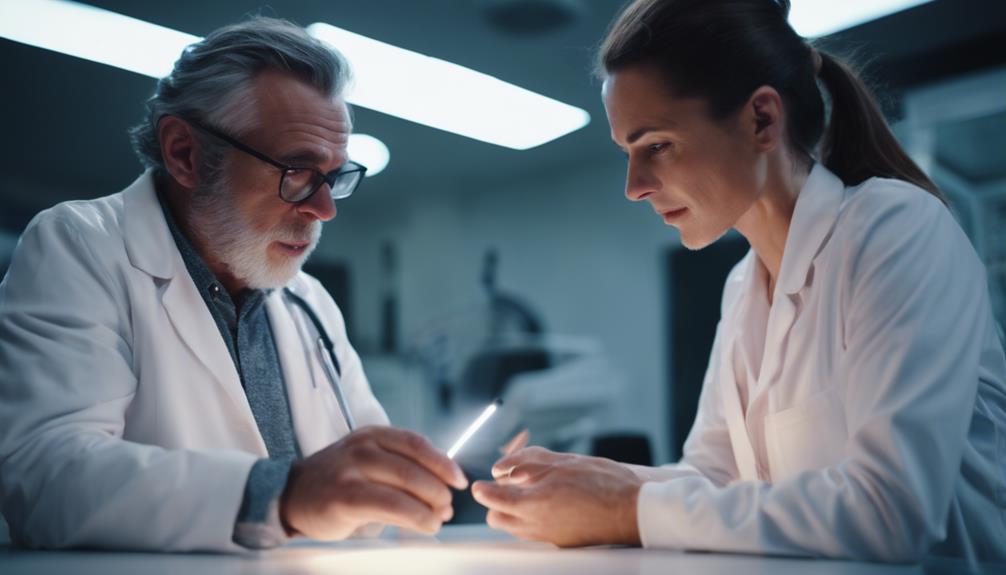
When experiencing headaches triggered by LED lighting, individuals should consult healthcare professionals for personalized advice and tailored treatment plans.
These experts can offer expert guidance on managing light-induced headaches effectively, recommending specific interventions to alleviate symptoms.
Seeking professional healthcare advice is essential for those facing severe or persistent headaches from exposure to LED lights.
Consult Medical Professionals
Seeking guidance from medical professionals is essential in addressing the impact of LED lighting on eye health and potential headache triggers. Consult with an optometrist or ophthalmologist to evaluate how LED lighting affects your eyes and may contribute to headaches.
Seek advice from a neurologist or headache specialist to understand the role of LED lighting in triggering headaches. Consider visiting a lighting specialist to explore strategies for minimizing the negative effects of LED lighting on headaches.
Discuss your symptoms with your primary care physician to determine the best approach for managing LED-induced headaches. Collaborating with a healthcare team, including specialists in vision, neurology, and lighting, can help develop a thorough plan to tackle LED-related headaches effectively.
Get Expert Guidance
To effectively address light-induced headaches caused by LED lighting, seeking advice from a healthcare professional is crucial. Healthcare experts can offer personalized recommendations for managing light sensitivity and migraine symptoms triggered by LED bulbs emitting blue light.
By consulting a healthcare professional, individuals can identify specific triggers and develop a tailored plan to reduce light-induced headaches effectively. These professionals guarantee accurate diagnosis and provide effective treatment options specific to LED-induced headaches.
Seeking guidance from a healthcare professional can lead to specialized interventions that alleviate symptoms and enhance the quality of life for those sensitive to LED lighting. If experiencing discomfort or persistent headaches due to LED bulbs, consulting a healthcare professional is the first step towards finding relief and managing symptoms effectively.
Professional Healthcare Recommendations
Individuals experiencing discomfort or persistent headaches from LED lighting can benefit greatly from consulting a healthcare professional for personalized advice and tailored solutions. Healthcare providers can offer recommendations to address light sensitivity and migraines specifically triggered by LED bulbs. Seeking professional guidance is essential as it can help identify underlying health issues contributing to LED-induced headaches. By consulting a healthcare expert, individuals can receive specialized treatments or interventions to alleviate symptoms related to lighting exposure. Developing a targeted plan with the help of a healthcare professional is vital in minimizing headaches caused by LED lighting.
| Key Benefits of Consulting a Healthcare Professional | ||
|---|---|---|
| Personalized advice for LED-induced headaches | Tailored solutions for light sensitivity | Recommendations for managing migraines |
Managing Light Sensitivity and Migraines
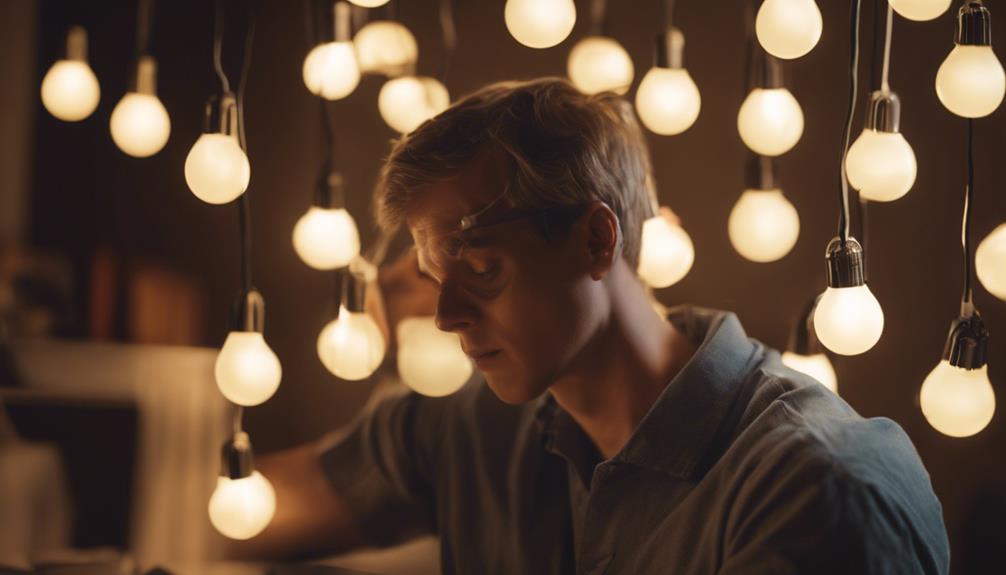
How can managing light sensitivity effectively help individuals dealing with migraines?
Over 80% of migraine sufferers experience light sensitivity, also known as photophobia. Exposure to bright lights can trigger migraine development or worsen existing pain levels, as research indicates that increased light levels can exacerbate pain during a migraine attack.
Green light therapy has shown promising results, reducing migraine pain by up to 20% and lessening light sensitivity. By experimenting with different light colors and intensities, migraine sufferers can potentially manage and reduce the severity of their symptoms.
Understanding the types of lighting that can trigger migraines and being aware of the symptoms associated with light sensitivity are important steps in managing migraines effectively. Implementing strategies such as using green light therapy or adjusting lighting conditions in living and workspaces can have a significant impact on the frequency and intensity of migraine episodes, offering relief to those affected by this debilitating condition.
Frequently Asked Questions
How Do You Stop Light Induced Headaches?
To stop light-induced headaches, one can implement several strategies such as adjusting light sources, taking breaks, and limiting exposure to high-intensity blue light.
By using natural light filters, green LED lights, and adjusting color temperature, headaches can be minimized.
Taking breaks from looking at LEDs and consulting lighting experts for optimization can also help prevent eye strain and headaches.
Can People Be Sensitive to LED Lights?
Yes, people can be sensitive to LED lights due to the blue light they emit. This blue light can trigger headaches, migraines, eye strain, disrupt sleep patterns, and reduce focus levels.
Individuals with light sensitivity, known as photophobia, are particularly vulnerable. LED lights emit more harmful blue light compared to fluorescent lights, making it important for those sensitive to light to be cautious with LED exposure to avoid discomfort and potential health impacts.
Why Are My Eyes so Sensitive to LED Lights?
LED lights emit high levels of blue light, which can lead to increased eye sensitivity. The short wave, high energy blue light from LEDs can cause eye strain, discomfort, dry eyes, and irritation.
Individuals with sensitive eyes may find LED lights particularly bothersome due to their high blue light output. This heightened sensitivity to blue light can make eyes more prone to discomfort and strain when exposed to LED lighting.
Can LED Lights Cause Headaches and Dizziness?
LED lights emitting high energy blue light can trigger headaches and dizziness in some individuals. Prolonged exposure to intense blue light from LEDs may lead to migraines and visual discomfort. Sensitivity to blue light is a common cause of these symptoms.
To mitigate LED-induced headaches and dizziness, consider using green LED lights or filters. This can help reduce the negative effects of blue light and alleviate associated discomfort.
Conclusion
To sum up, by understanding the impact of LED light color temperature, choosing the right intensity, and minimizing migraine triggers, individuals can avoid headaches caused by LED lighting.
Whether opting for soft white LED bulbs or using light-filtering glasses, managing light sensitivity is key in preventing discomfort.
Seeking professional healthcare advice can provide personalized solutions for those experiencing migraines.
By taking proactive steps to address these concerns, individuals can create a more comfortable and headache-free environment.