LED flickering in lighting is commonly caused by voltage fluctuations, loose connections, mixing bulb types, unstable currents, poor solder joints, weak LED contacts, faulty circuit components, and power supply issues. Issues such as poorly soldered joints can result in electrical resistance and disrupted circuits, while weak LED contacts can cause instability and resistance. Defective components like LED drivers can also lead to flickering. Voltage drops and power struggles can impact LED performance due to insufficient voltage regulation. It is crucial to address these issues to ensure stable lighting. Knowing these causes can improve LED performance.
Key Takeaways
- Voltage fluctuations in wiring can cause LED flickering.
- Loose connections disrupt the power supply, leading to flickering.
- Mixing incandescent bulbs with LEDs can result in flickering issues.
- Unstable electrical current impacts LED performance, causing flickering.
- Using only LED bulbs on circuits prevents flickering.
As an affiliate, we earn on qualifying purchases.
Common Causes of LED Flickering
LED flickering can be caused by a variety of issues, including voltage fluctuations in wiring and loose connections. When the electrical system experiences fluctuations, the power supply to the LED light bulbs becomes inconsistent, leading to flickering.
Loose connections can further exacerbate this problem, as they interrupt the smooth flow of electricity to the LEDs. Additionally, mixing incandescent bulbs with LED bulbs on the same circuit can also result in flickering. The reason behind this is that incandescent bulbs consume power differently than LEDs, impacting the stability of the electrical current and causing the LEDs to flicker.
To prevent LED flickering, it's important to ensure that the wiring is secure, the electrical panels are undamaged, and only LED bulbs are used on circuits to maintain a steady flow of power and avoid any disruptions that could lead to flickering issues.
Impact of Poor Solder Joints
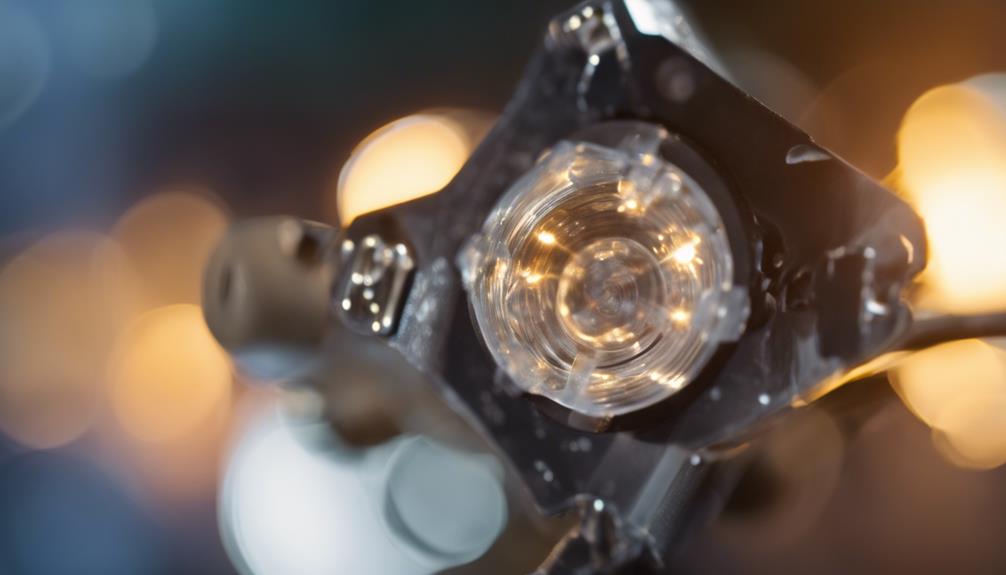
Poor solder joints in lighting fixtures can markedly contribute to intermittent flickering in LED lights. When solder joints aren't properly executed, several issues can arise that impact the performance of LED lighting systems:
- Voltage Fluctuations: Loose or weak solder connections can cause fluctuations in voltage, leading to flickering in LED lights.
- Electrical Resistance: Insufficient soldering can result in increased electrical resistance, which disrupts the consistent flow of power to the LED lights and causes flickering.
- Inconsistent Power Flow: Poorly soldered joints can create irregular power flow, affecting the stability of the electrical connections to the LED lights and causing flickering episodes.
- Circuit Disruption: Solder joint cracks or breaks can interrupt the circuit responsible for powering the LED lights, resulting in unpredictable flickering patterns.
Ensuring that solder joints are properly executed is vital for maintaining stable electrical connections and preventing flickering issues in LED lighting systems.
Effects of Weak LED Contacts

Weak LED contacts can greatly impact the stability of electrical connections in lighting fixtures, potentially leading to flickering episodes in LED lights. When there are weak contacts between the LED bulb and the socket, the power supply to the LED becomes inconsistent. This inconsistency can result in voltage fluctuations, which are a common cause of flickering in LED lighting.
Additionally, poor contact points can create resistance in the circuit, disrupting the smooth flow of electricity to the LED, further exacerbating flickering issues. The inadequate contact can also generate heat at the connection point, affecting the overall performance of the LED and potentially shortening its lifespan.
Therefore, maintaining secure and stable contacts is essential to ensure proper functioning of LED lights and to prevent flickering problems caused by weak LED contacts. By addressing and improving these contact points, users can enhance the reliability and longevity of their LED lighting systems.
Role of Defective Circuit Components

Defective circuit components can greatly disrupt the flow of electricity within LED lighting systems, potentially leading to flickering issues. When it comes to the role of defective circuit components in causing LED flickering, several key points should be considered:
- Faulty LED Driver: The LED driver plays an important role in regulating the current supplied to the LEDs. If the driver contains defective components, such as resistors or capacitors, it can result in flickering problems.
- Poor Solder Joints: Weak connections in the circuit, often caused by poor soldering, can lead to intermittent flickering in LED lights. These weak joints can create disruptions in the electrical pathway, causing fluctuations in the light output.
- Component Defects: Defective components like resistors, capacitors, or diodes can disrupt the smooth flow of electricity, leading to flickering issues in LED fixtures.
- Overheating Concerns: Overheating of components, such as the LED driver or resistors, can also contribute to erratic behavior and flickering problems in LED lighting systems. Regular maintenance and inspection are important to prevent overheating issues that can lead to flickering.
Voltage Drops and Power Supply Issues

Voltage drops in LED lighting systems can result in flickering issues when the power supply is unable to meet the demands of the LEDs. Fluctuations in voltage or an insufficient power supply can lead to LED flickering problems. This occurs when the power supply struggles to provide the necessary power for the LEDs, causing voltage changes that result in flickering. Inadequate voltage regulation exacerbates this issue, further contributing to the flickering effect. Addressing power supply issues is essential to guarantee stable lighting and prevent LED flickering. Below is a table highlighting the impact of voltage drops and power supply issues on LED lighting:
| Effects of Voltage Drops and Power Supply Issues | Description | Impact |
|---|---|---|
| Voltage Changes | Fluctuations in power supply voltage can lead to flickering. | Unstable lighting performance. |
| Insufficient Power Supply | Inadequate power provision can cause LED flickering. | Diminished light output. |
| Power Supply Issues | Problems with power supply can result in flickering LEDs. | Disrupted functionality. |
Troubleshooting for LED Flickering
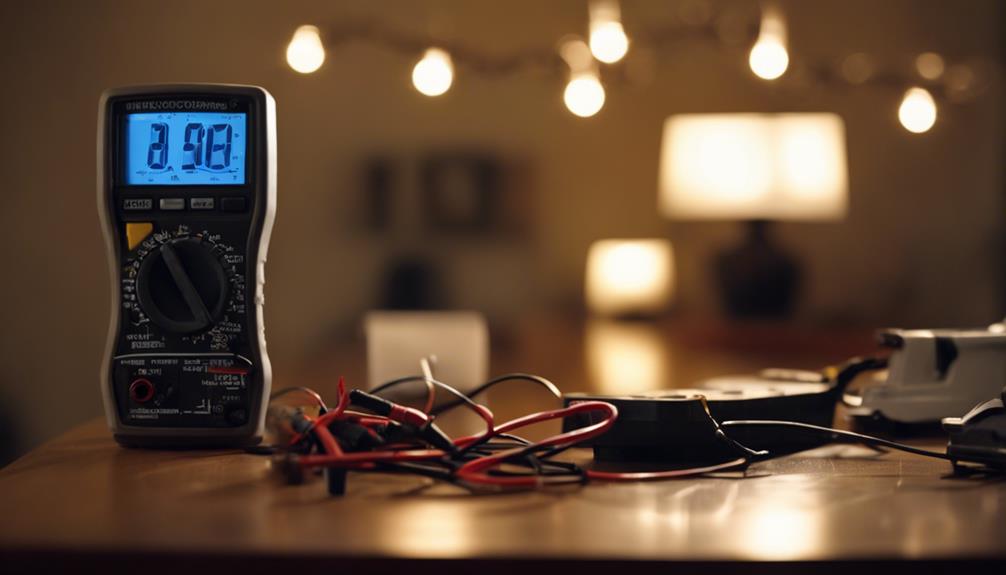
LED flickering can be a common issue in lighting systems. It is often caused by loose connections or incompatible fixtures. Troubleshooting for LED flickering typically involves checking and securing all electrical connections, ensuring proper voltage levels, and replacing any faulty components if necessary.
Common Causes of Flickering
Flickering issues with LED lighting commonly stem from loose wiring connections. Here are some common causes of LED flickering:
- Loose wiring: Inadequately connected wires can lead to interruptions in the electrical flow, causing flickering.
- Voltage fluctuations: Variations in voltage levels within the electrical system can result in inconsistent power supply to the LEDs, leading to flickering.
- Incompatible dimmer switches: Using the wrong type of dimmer switch with LED lights can cause flickering due to the mismatch in technology.
- Mixing bulbs: Combining incandescent and LED bulbs on the same circuit can create an imbalance in power draw, leading to flickering issues.
Solutions for Flickering LED
To troubleshoot LED flickering issues effectively, inspecting and securing all wiring connections is essential. Upgrading to dimmer switches specifically designed for LED lights can help eliminate flickering problems. Additionally, using high-quality LED drivers is recommended to stabilize the power supply and reduce flickering occurrences. Regularly cleaning and maintaining light fixtures is also important to prevent dirt buildup, which can lead to flickering. It is important to address flickering promptly not only to avoid potential health risks but also to extend the longevity of LED bulbs.
| LED Bulbs | Dimmer Switches | LED Drivers |
|---|---|---|
| Upgrade | Use specific dimmers | Opt for high-quality drivers |
| Check quality | Ensure compatibility | Stabilize power supply |
| Replace if old | Prevent flickering | Reduce flickering occurrences |
| Longevity | Eliminate issues | Ensure stable operation |
Frequently Asked Questions
How Do I Stop My LED Lights From Flickering?
To stop LED lights from flickering, there are several key steps to take:
- Ensure proper installation
- Use dimmer switches designed for LEDs
- Check for loose wiring connections
It's also important to address voltage fluctuations promptly and clean sockets regularly. Compatibility between LED bulbs and dimmer switches is essential in preventing flickering issues.
What Is Causing My LED Can Lights to Flicker?
LED can lights may flicker due to various factors. Loose wiring connections, incompatible dimmer switches, power surges, and dirt in the sockets are common culprits.
Additionally, using non-dimmable LED bulbs with dimmer switches meant for dimmable bulbs can cause flickering. Identifying and addressing these issues can help resolve the problem of flickering LED can lights, ensuring a consistent and stable lighting experience.
How Do You Fix a Flickering LED Tube Light?
To fix a flickering LED tube light, one should check for loose connections and replace a faulty starter. Using an LED-compatible electronic ballast and ensuring a stable power supply can help prevent flickering.
Confirming consistent power and upgrading to a higher quality LED tube light can also improve performance. Overall, addressing these issues can eliminate flickering problems and provide a more reliable lighting experience.
Do LED Lights Flicker Before They Burn Out?
LED lights may indeed flicker before burning out, serving as a potential warning sign of impending failure. Addressing flickering promptly can help prevent premature burnout, extending the lifespan of the bulbs.
Conclusion
To sum up, when it comes to LED flickering in lighting, various factors can contribute to this issue. From poor solder joints to weak LED contacts and defective circuit components, it's crucial to troubleshoot and address these issues promptly.
Remember, 'a stitch in time saves nine,' so don't ignore LED flickering as it could lead to bigger problems down the line.
Stay vigilant and proactive in maintaining your lighting systems for best performance.