
To create better visual rhythm with repeated shapes, focus on balancing consistency and subtle variation. Use repeating shapes to build familiarity, but modify size, orientation, or color slightly to maintain interest. Pay attention to spatial distribution and harmony in your color palette, ensuring elements are evenly spaced and complement each other. This balance guides the eye smoothly across your design. Keep exploring these techniques to reveal more ways to craft dynamic, engaging visuals.

Get furniture and decor delivered free with Prime
- Fast, free delivery on millions of items
- Prime Video, Amazon Music and more included
- Member-only deals all year
Key Takeaways
- Use slight variations in size, color, or orientation to maintain interest while keeping shapes recognizable.
- Establish a consistent pattern or sequence to create a predictable visual flow.
- Balance repeated shapes with strategic spacing to ensure smooth eye movement across the design.
- Incorporate harmonious color schemes to unify repeated elements and enhance rhythm.
- Vary shape attributes subtly to introduce dynamic movement without disrupting overall harmony.
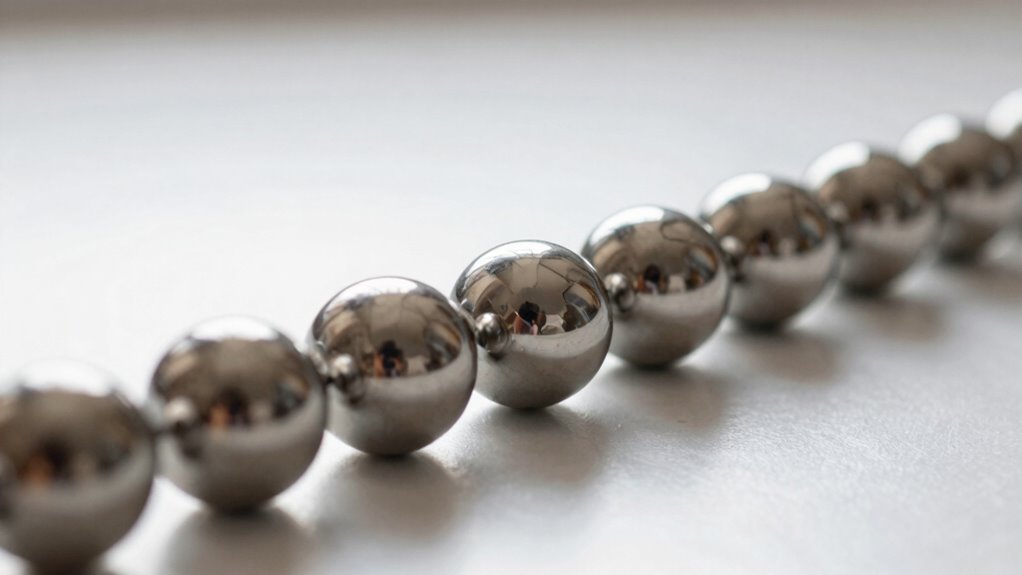
Have you ever noticed how some designs feel naturally engaging while others fall flat? The secret often lies in how well the elements work together to create a sense of rhythm. When you use repeated shapes thoughtfully, you establish a visual flow that guides the viewer’s eye smoothly across the composition. To do this effectively, understanding the principles of color harmony and spatial balance is essential. These elements help you craft a design that’s both cohesive and dynamic, making your visual rhythm resonate more powerfully.
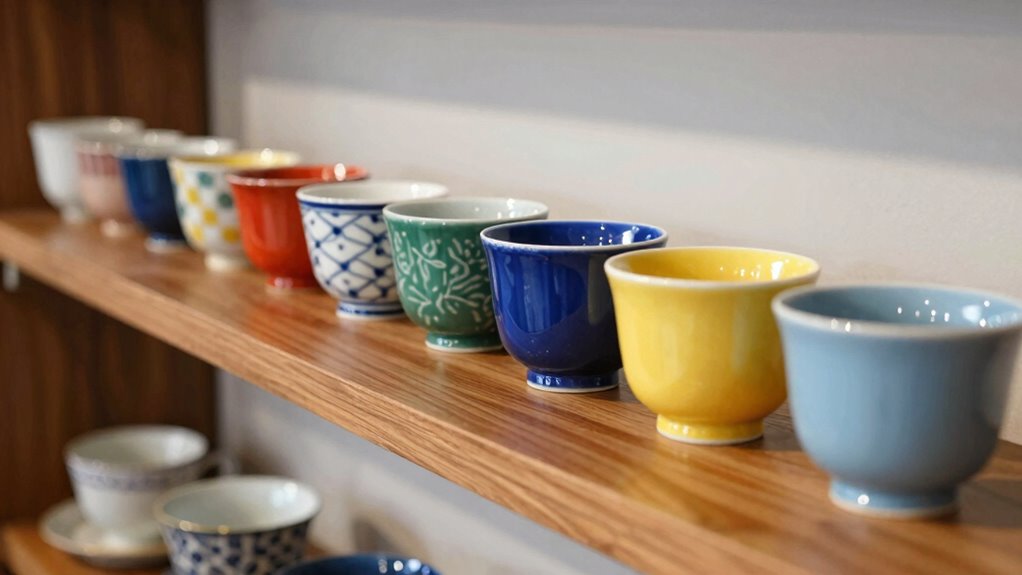
Start by selecting shapes that repeat throughout your design. Repetition creates a predictable pattern, but it’s your variation in size, orientation, or color that keeps it interesting. When shapes are repeated with slight differences, your design develops a sense of movement that feels natural rather than monotonous. To enhance this, consider how color harmony plays into the rhythm. Using a limited, harmonious color palette ensures that repeated shapes complement each other, reinforcing unity without overwhelming the viewer. Subtle shifts in hue or saturation among the shapes can create visual interest, encouraging the eye to move from one element to the next seamlessly.
Spatial balance is another key factor. Distributing your repeated shapes thoughtfully across the design prevents it from feeling lopsided or chaotic. Imagine your visual space as a balanced scale—you want your shapes to be arranged so that no one side feels heavier than the other. By paying attention to spacing and alignment, you create a rhythm that flows naturally. For example, placing larger shapes at regular intervals or balancing clusters of smaller shapes can establish a steady tempo, making the design more harmonious. This balance ensures your eye travels effortlessly through the composition, avoiding fatigue or confusion.
As you work on your design, think about how the repeated shapes interact within the space. Varying their sizes and colors while maintaining spatial balance creates a dynamic rhythm that feels lively yet controlled. The repetition anchors your viewer’s gaze, while subtle differences keep their interest alive. The key is to strike a harmony between consistency and variation, allowing your visual rhythm to breathe and evolve naturally. When you master this, your designs will feel more engaging and memorable, capturing attention without overwhelming.
Ultimately, creating better visual rhythm with repeated shapes hinges on your ability to use color harmony and spatial balance to craft a flowing, unified composition. By thoughtfully repeating shapes, varying their attributes, and distributing them evenly across your space, you guide your audience’s eye in a way that feels both natural and captivating. This approach transforms simple elements into a compelling visual story, making your designs stand out with clarity and rhythm. Recognizing the importance of visual harmony can elevate your design’s overall effectiveness.
As an affiliate, we earn on qualifying purchases.
Frequently Asked Questions
How Do I Choose the Right Shapes for Visual Rhythm?
You choose the right shapes for visual rhythm by considering shape symbolism and cultural influences that resonate with your message. Select shapes that evoke the emotions or ideas you want to communicate, and guarantee they complement each other through size, spacing, and repetition. Think about how different cultures interpret certain shapes, and use that to create a rhythm that feels harmonious and meaningful, guiding viewers’ eyes effortlessly across your design.
Can Color Variations Affect Rhythm Effectiveness?
Did you know that using color variations can boost visual rhythm by up to 60%? Yes, color plays a vital role. When you choose color harmony and stick to monochromatic palettes, subtle variations can make repeated shapes more dynamic without disrupting harmony. These variations keep the viewer engaged and emphasize rhythm, creating a more compelling visual flow. So, don’t hesitate to experiment with slight color shifts to enhance your design’s rhythm.
How Does Scale Influence Repeated Shape Patterns?
Scale influences repeated shape patterns by establishing scale dynamics and pattern hierarchy, guiding your viewer’s eye smoothly through the design. Larger shapes draw attention and create focal points, while smaller ones provide rhythm and continuity. Varying scale adds visual interest and depth, emphasizing important elements and establishing a sense of movement. By balancing different scales, you enhance the overall rhythm, making your pattern more engaging and dynamic for your audience.
What Role Does Spacing Play in Visual Rhythm?
Spacing acts as the heartbeat of your design, creating a rhythm that guides your viewer’s eye. By varying spacing diversity, you prevent monotony, while maintaining rhythm balance ensures harmony. Think of spacing as the silent conductor, orchestrating movement and emphasis. When you control the gaps between shapes thoughtfully, you craft a visual melody that feels dynamic yet cohesive, engaging attention and enhancing the overall flow of your composition.
How Can I Vary Shapes Without Losing Rhythm Consistency?
To vary shapes without losing rhythm consistency, you can maintain texture consistency across your design, ensuring all shapes share similar surface qualities. Incorporate pattern complexity by subtly changing shapes’ sizes or orientations while keeping their overall form recognizable. This approach allows you to introduce visual interest and diversity, yet preserve a cohesive rhythm. Consistent spacing and thoughtful variation keep the pattern engaging without disrupting the visual flow.
Conclusion
By mastering how to create better visual rhythm with repeated shapes, you can make your designs more engaging and harmonious. Remember, studies show that people process visual patterns 30% faster than random arrangements, so intentional repetition guides their eye smoothly across your work. Keep experimenting with shape sizes, spacing, and timing to develop a rhythm that captivates and directs attention effortlessly. Embrace the power of repetition—you’re shaping visuals that not only look good but also communicate more effectively.
Halloween Picks
halloween
As an affiliate, we earn on qualifying purchases.