
Choosing the right frame material is key to protecting your art. Wooden frames offer timeless charm and durability, while metal frames provide strength and a sleek look. Acrylic and plastic frames are lightweight and modern, making them easy to handle. Glass and acrylic protect your artwork from dust and damage, with options for UV protection. Environmentally friendly, custom, or standard styles suit different needs. Keep exploring to discover how each choice can best safeguard your masterpiece.
Key Takeaways
- Metal frames offer durability, resistance to warping, and long-term protection for artwork.
- Glass provides excellent clarity and scratch resistance, safeguarding art from dust and damage.
- Acrylic frames are lightweight, shatter-resistant, and offer impact protection with UV filtering options.
- Wooden frames enhance aesthetic appeal and provide natural cushioning, supporting preservation over time.
- Composite and synthetic materials mimic traditional styles at lower costs, offering durable, protective framing options.

SZKYSJGS 11×14 Picture Frame, Solid Natural Walnut Wood Photo Frame with Tempered Glass, 11 x 14 Wooden Frame Matted to 8×10/6×8, Wall Display
SOLID WOOD HERITAGE CRAFT – Handcrafted from solid natural walnut wood, each frame celebrates unique woodgrain textures and…
As an affiliate, we earn on qualifying purchases.
As an affiliate, we earn on qualifying purchases.
Wooden Frames: Classic and Timeless

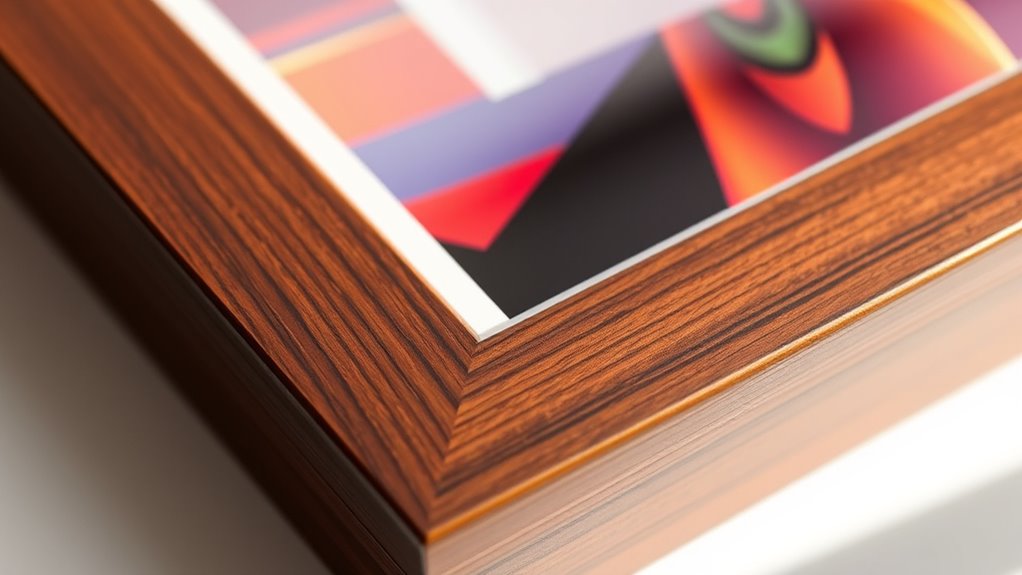
Wooden frames have long been admired for their timeless appeal and natural beauty. They’re often chosen for artistic framing because they enhance the artwork without overpowering it. Historically, wooden frames hold significant cultural value, often reflecting craftsmanship and tradition passed down through generations. Their warm tones and textured surfaces add depth and character, making each frame unique. Wooden frames are versatile, fitting well with classic or rustic decor, and can be crafted from a variety of woods to match different styles. Their durability also guarantees your artwork stays protected over time. When you select a wooden frame, you’re not only choosing a protective element but also embracing a piece of history that elevates your art with elegance and authenticity. Additionally, the natural material of wood can improve with age, developing a patina that adds to its charm and timeless appeal.

Golden State Art – 11×14 Aluminum Picture Frame – with Mat for 8×10 Photo or Without Mat for 11 x 14 Photo – Real Glass Cover – Simple and Elegant Decor for Wall Mounting – 1 Pack – Black
Minimalist Style: Classic black color, aluminum frame with real glass – Each 11 x 14 photo frame comes…
As an affiliate, we earn on qualifying purchases.
As an affiliate, we earn on qualifying purchases.
Metal Frames: Sleek and Durable

Metal frames offer exceptional strength and long-lasting durability, making them a smart choice for frequent use. Their sleek, modern look adds a contemporary touch to any space, enhancing your decor. With these features, metal frames balance resilience and style effortlessly. Additionally, their corrosion resistance ensures they remain attractive and functional over time.
Strength and Longevity
Because they are made from strong alloys, metal frames boast impressive durability and long-lasting strength. This resilience guarantees your artwork stays protected over time, making them ideal for preserving your artistic expression. Metal frames resist warping, dents, and corrosion, maintaining their sleek appearance. With frame customization options, you can choose finishes, colors, and styles that enhance your art’s personality. Imagine a frame that:
- Holds your work securely without bending
- Withstands environmental changes without cracking
- Ages gracefully, preserving its finish
- Complements various artistic styles with ease
These qualities make metal frames a reliable choice for those seeking both strength and aesthetic versatility. When you prioritize longevity, metal frames provide a sturdy, stylish foundation that supports your creative vision for years to come. Additionally, AI-driven innovations are increasingly used to customize and optimize framing solutions, ensuring your artwork remains protected and visually stunning over time.
Modern Aesthetic Appeal
For a modern look that combines simplicity with sophistication, metal frames deliver a sleek and polished appearance. Their clean lines and smooth finishes create a contemporary vibe that complements various interior styles. Metal frames work well with vintage designs, adding a touch of contrast that enhances their timeless charm. You can also easily coordinate colors to match your artwork or room decor, making them versatile for any setting. Plus, their minimalist aesthetic keeps the focus on your art without distraction. Whether you prefer a matte black, shiny chrome, or brushed gold finish, metal frames offer a stylish upgrade. They blend durability with elegance, ensuring your display remains modern and sleek for years to come. Incorporating branding and marketing strategies, such as consistent style and presentation, can further elevate the perceived value of your art display.
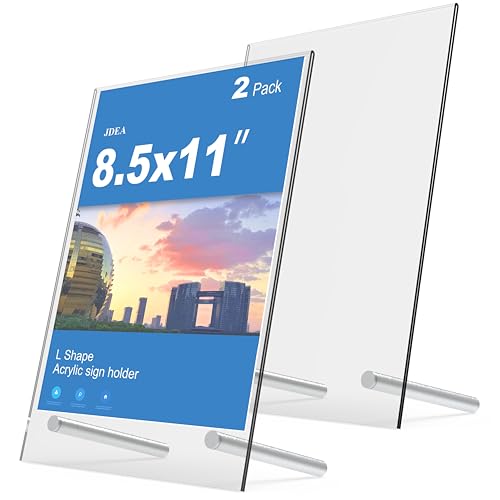
JDEA L-Shaped Acrylic Sign Holder – Shatterproof Clear Display Stand for Menu, Flyer, or certificate Display – Impact-Resistant Acrylic Table Sign Frame (8.5×11 inch 2pack)
💪 Shatterproof & Durable Construction Made from premium impact-resistant acrylic, this sign holder won’t crack or shatter easily…
As an affiliate, we earn on qualifying purchases.
As an affiliate, we earn on qualifying purchases.
Acrylic and Plastic Frames: Lightweight and Modern

Acrylic and plastic frames are perfect if you want something lightweight and easy to handle. They offer a sleek, modern look that complements any style. Plus, they’re durable and shatter-resistant, making them a practical choice for everyday wear. Additionally, their lightweight design can help reduce the risk of damage during handling or accidental drops.
Lightweight and Easy Handling
Lightweight and easy to handle, acrylic and plastic frames are popular choices for modern framing needs. Their reduced frame weight makes hanging and repositioning simple, especially for larger pieces. You’ll notice how effortlessly you can carry and install these frames without extra effort. Handling ease is a key benefit, allowing you to adjust or clean the frame without strain. Imagine:
- Lifting the frame with minimal effort
- Mounting securely without cumbersome tools
- Swapping out artwork quickly
- Moving the frame to different locations easily
These features make acrylic and plastic frames ideal for everyday use, especially when convenience matters most. Their lightweight nature doesn’t compromise durability, offering a practical solution for those who want modern style combined with easy handling. Choosing the right frame material is essential to ensure both aesthetic appeal and functionality.
Modern Aesthetic Appeal
Thanks to their sleek, transparent appearance, acrylic and plastic frames bring a contemporary touch to any space. Their clean lines and minimalist design make them perfect for a modern aesthetic, emphasizing your artwork without distraction. While they offer a fresh, modern vibe, you can also blend in vintage charm by pairing these frames with pieces that feature ornate detailing or antique-inspired accents. Acrylic and plastic frames are versatile, allowing you to create a stylish contrast between old and new. Their lightweight nature makes them easy to handle and install, and their transparency enhances the focus on your art. Whether you prefer a sleek, modern look or a blend of vintage and contemporary styles, these frames add a fresh, eye-catching appeal to any display. Support hours may vary, so it’s helpful to check your local options for assistance with installation or maintenance.
Durable and Shatter-Resistant
Building on their modern appeal, acrylic and plastic frames are also known for their durability and resistance to damage. Their shatter-resistant quality makes them ideal for protecting your art while minimizing risk during handling and display. They help with art preservation by preventing cracks and breaks that glass might suffer. They’re lightweight, making installation easier and reducing strain on framing techniques. Consider these benefits:
- Impact-resistant, reducing breakage risk
- Lightweight, easing handling and hanging
- Clear, enhancing the artwork’s visual appeal
- Long-lasting, maintaining quality over time
- UV protection helps prevent fading and discoloration over time, ensuring your art remains vibrant.
Their durability ensures your art stays protected from everyday accidents. When choosing framing materials, acrylic and plastic frames offer a modern, resilient option that enhances art preservation and simplifies framing techniques without sacrificing style.

clicked craft Acrylic Photo Wall Art – Picture Printed on Glass, Acrylic Gift, Portrait Photo, Home Decoration, Gifts for Wedding, Art Frame, Custom Print, Personalized Gifts
REUSABLE – This acrylic product is reusable when used with dry erase marker. You can delete your notes…
As an affiliate, we earn on qualifying purchases.
As an affiliate, we earn on qualifying purchases.
Composite and Synthetic Materials: Versatile and Cost-Effective

Have you ever wondered why composite and synthetic materials are increasingly popular in frame construction? These materials offer versatility and affordability, making them a practical choice for many framing designs. They can mimic the appearance of traditional wood or metal, but at a lower cost, without sacrificing durability. In art conservation, these materials help protect your artwork by resisting warping, cracking, and moisture damage. Their lightweight nature makes handling easier, while their consistent quality ensures a professional finish. Whether you’re creating custom frames or mass-producing art displays, composite and synthetic materials deliver reliable protection and aesthetic flexibility. They’re an excellent option for achieving stylish, cost-effective framing that maintains the integrity of your art over time. Additionally, understanding emotional support can help you cope with the stress of art presentation or preservation challenges.
Glass vs. Acrylic: Protecting Your Art

When choosing a protective cover for your artwork, the decision between glass and acrylic can substantially impact its display and longevity. Glass offers excellent clarity, scratch resistance, and traditional elegance, supporting long-term art preservation. Acrylic, however, is lighter, less fragile, and provides shatter resistance, making it safer and easier to handle. Your choice affects framing costs: acrylic generally costs more upfront but may reduce framing and installation risks. Consider these factors:
- Clarity and optical quality
- Durability and resistance to scratches
- Weight and ease of handling
- Cost differences and long-term art preservation
Additionally, tuning options like upgrading the display materials can enhance your artwork’s presentation and protection. Ultimately, your selection should align with your environment, budget, and how you prioritize art preservation versus framing expenses. Both materials serve different needs, so weigh these aspects carefully to protect your art effectively.
Considerations for Environmentally Friendly Frame Options

Choosing a protective cover like glass or acrylic is a step toward preserving your artwork, but considering the environmental impact of your framing materials is equally important. Opt for frames made from sustainably sourced wood or recycled materials to reduce your ecological footprint. Look for eco-friendly finishes that use low-VOC or non-toxic coatings, which are better for the environment and indoor air quality. These choices support sustainable sourcing practices and help minimize deforestation and pollution. By prioritizing environmentally friendly options, you contribute to conservation efforts while still protecting your art effectively. Making mindful decisions about framing materials not only benefits the planet but also reflects your commitment to responsible stewardship of resources.
Custom vs. Standard Frames: Finding the Right Fit

Selecting between custom and standard frames depends on your specific needs and priorities. Custom frames offer tailored frame customization, allowing you to match your art’s size, style, and color perfectly. They often feature higher frame material costs but provide a unique, professional look. Standard frames, on the other hand, are more affordable and readily available, ideal for quick, budget-friendly solutions. Consider these factors:
- Unique dimensions versus off-the-shelf sizes
- Personal style versus convenience
- Higher frame material costs for custom designs
- Time constraints and budget considerations
If your artwork requires precise fitting or a distinctive appearance, custom framing is worth the investment. For simple displays or multiple pieces, standard frames offer practicality and savings. Your choice hinges on balancing style, cost, and timing.
Maintenance and Care for Different Frame Materials

Proper maintenance and care are essential to keep your frames looking their best over time. Regular frame cleaning helps remove dust, fingerprints, and dirt that can dull the surface or cause damage. Use gentle cleaning solutions suited to each material to avoid unnecessary wear. For wood frames, avoid excess moisture, which can cause warping, and consider applying protective finishes periodically. Metal frames benefit from wiping with a soft cloth to prevent tarnishing. When caring for different frame materials, remember that environmental impact plays a role—exposure to sunlight, humidity, or pollutants can accelerate deterioration. Store your artwork in a stable environment, and handle frames carefully to prevent scratches or dents. Proper care extends the life of your frames and preserves the beauty of your art.
Frequently Asked Questions
Which Frame Material Offers the Best UV Protection for Artwork?
Polycarbonate frames offer the best UV protection for artwork because they block harmful ultraviolet rays effectively. This material also provides excellent frame durability, guaranteeing your art stays protected over time. You’ll want to choose a frame with UV inhibitors, especially if your artwork is exposed to sunlight frequently. By selecting a polycarbonate frame, you ensure your art is shielded from UV damage while maintaining a sturdy, long-lasting frame.
How Do Frame Materials Affect the Long-Term Preservation of Artwork?
You should know that over 70% of artwork damage occurs due to improper framing materials. Your choice of frame impacts long-term preservation, especially if you select acid-free backing and moisture-resistant coatings. These materials prevent deterioration, mold, and discoloration, ensuring your art stays vibrant. Using durable, quality frame materials actively protects your piece from environmental threats, helping it last for generations while maintaining its original beauty.
Are Eco-Friendly Frames as Durable as Traditional Options?
Eco-friendly frames can be just as durable as traditional options, especially when made from sustainable sourcing materials like bamboo or recycled wood. You should consider recyclability concerns, as some eco-friendly frames are designed for easier recycling and less environmental impact. While they may sometimes cost a bit more upfront, their long-term durability and eco benefits make them a smart choice for protecting your art sustainably.
Can Different Frame Materials Be Combined for Customized Protection?
Yes, you can combine different frame materials for customized protection by using layered framing or mixed materials. This approach allows you to enhance durability, aesthetic appeal, and environmental resilience. For instance, pairing wood with metal or eco-friendly options with traditional materials creates a unique, protective barrier around your art. Just guarantee the materials are compatible and properly assembled to maximize their protective benefits and preserve your artwork effectively.
What Are the Cost Differences Between Premium and Budget Frame Materials?
You’ll find that premium frame materials typically cost more due to superior material durability and craftsmanship, offering longer-lasting protection for your art. A cost comparison shows that budget options may save you money upfront but often lack the durability needed for long-term preservation. It’s a coincidence that investing in higher-quality materials can actually save you money over time, as they resist damage better and maintain your artwork’s value longer.
Conclusion
Choosing the right frame protects your art and enhances its display. Did you know that approximately 60% of art collectors prefer eco-friendly framing options? By considering materials like sustainable wood or recycled plastics, you not only safeguard your pieces but also support environmental responsibility. Whether you opt for classic wood or modern acrylic, understanding your options guarantees your art stays vibrant for years to come. Make informed choices to keep your collection both beautiful and eco-conscious.