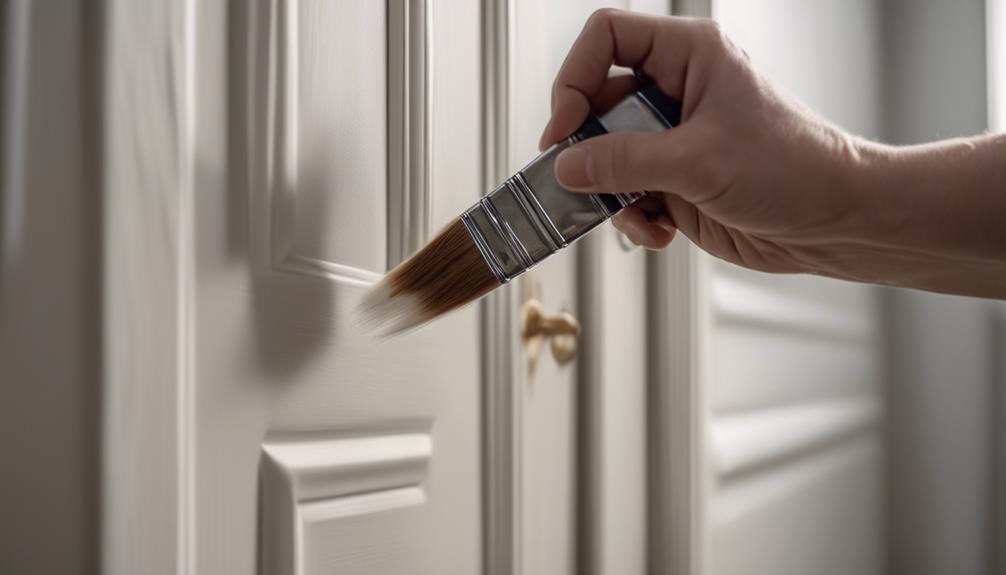
To paint interior doors effectively, choose a paint color that complements the trim. Test samples in different lighting. Clean with TSP or soapy water. Fill holes with filler and sand for a smooth base. Use a brush for details and a roller for larger areas. Apply quality latex paint in light coats. Let each side dry before painting the other. Apply a second coat for even coverage. Reattach the door and hardware securely. Check alignment before finishing. Following these steps meticulously will help you achieve a professional look. More tips await to perfect your interior door painting skills.
Key Takeaways
- Choose a paint color that complements the room's trim and decor.
- Prepare the door by cleaning, filling imperfections, and sanding.
- Use high-quality latex paint and apply multiple thin coats for a smooth finish.
- Allow each coat to dry completely before flipping the door for the other side.
- Reattach the door and hardware securely after ensuring the paint is fully dried.
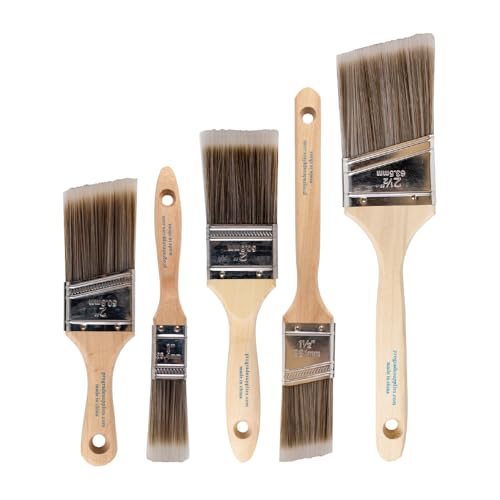
Pro Grade Paint Brushes, 5-Piece Paint Brush Set: Flat & Angle Brushes for Latex and Oil Paints, Stains, Interior & Exterior Home Improvement
5 PIECE PAINT BRUSH SET FOR WALLS, TRIM & CABINETS – Includes flat and angled paint brushes designed…
As an affiliate, we earn on qualifying purchases.
As an affiliate, we earn on qualifying purchases.
Choosing the Right Paint Color
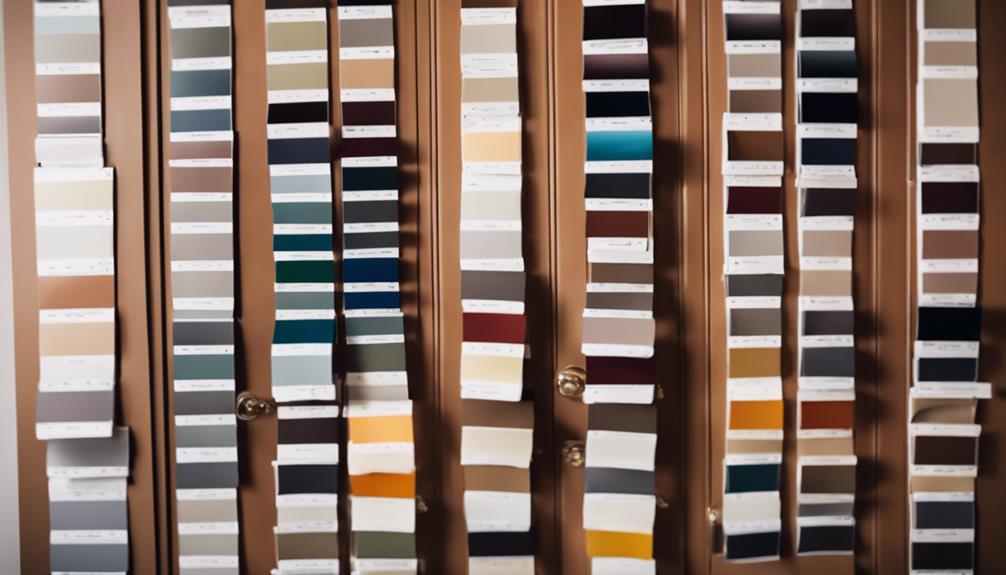
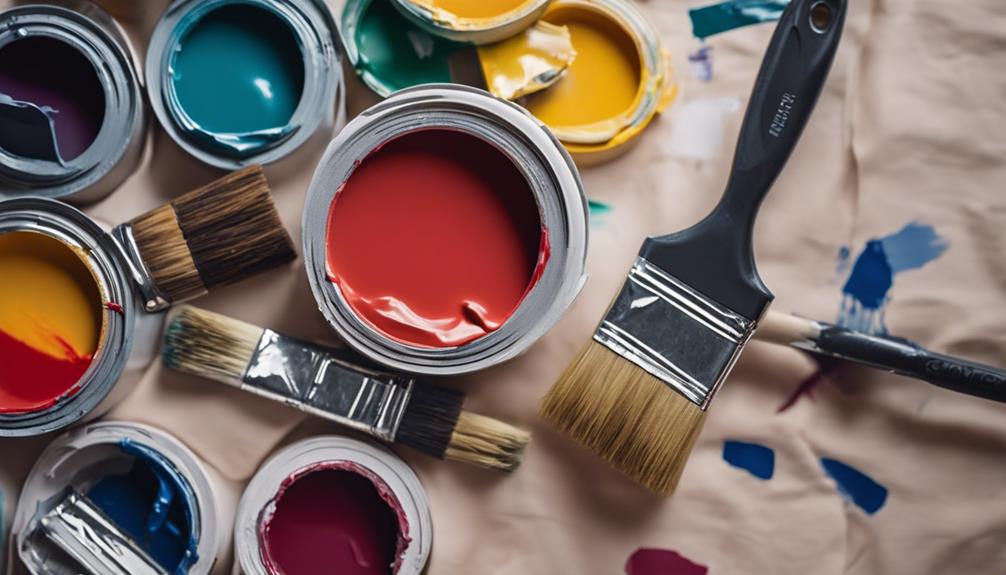
When selecting the right paint color for your interior doors, ensure that it complements the room's trim for a cohesive and polished look. The paint color should harmonize with popular whites like Benjamin Moore's Cloud White or Simply White, available in semi-gloss or satin finish.
Choosing a color that not only matches the trim but also enhances the overall decor and style of the space is crucial. Before finalizing a color choice, test paint samples on a small section of the door to observe how it looks in various lighting conditions.
Opting for a paint color that complements the design of the door can bring visual interest to the room. By paying attention to these details and considering how the paint color interacts with the trim, decor, and lighting, you can achieve a harmonious and visually appealing appearance for your interior doors.

Rust-Oleum 1993730 Painter's Touch Latex Paint, Half Pint, Semi-Gloss White 8 Fl Oz (Pack of 1)
Use for a variety of indoor and outdoor project surfaces including wood, metal, plaster, masonry or unglazed ceramic
As an affiliate, we earn on qualifying purchases.
As an affiliate, we earn on qualifying purchases.
Preparing the Interior Door

Thoroughly clean the interior door to remove dirt, dust, and grime before beginning the painting process.
To prepare the interior door for painting, follow these steps:
- Clean the door using TSP or a mixture of soap and water to guarantee a dirt-free surface.
- Fill any holes or imperfections in the door with wood filler for a seamless finish.
- Sand the door to smooth out rough areas and create an even surface for paint adhesion.
- Choose the appropriate paint type for the material of the interior door to achieve the best results.

Armor Concepts Interior FIX-A-JAMB 24" Interior Door Jamb Repair Kit, Door Repair Kit for Interior Doors, Door Home Repair in 5 Minutes, Perfect for Apartments and Homes (White)
INTERIOR DOOR FRAME REPAIR KIT: The FIX-A-JAMB is 24-inch long designed to fit most standard interior door jambs…
As an affiliate, we earn on qualifying purchases.
As an affiliate, we earn on qualifying purchases.
Painting Techniques and Tips

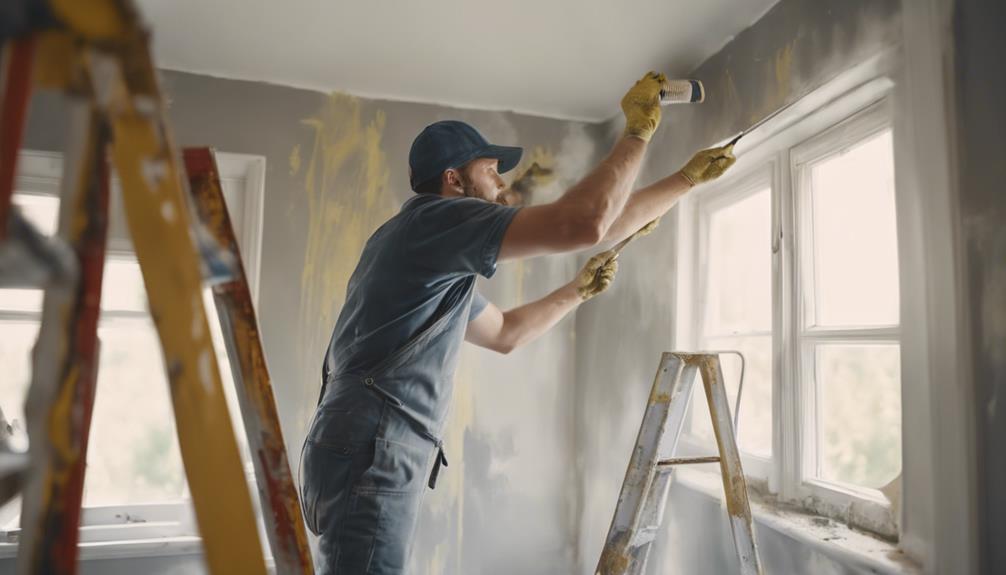
For painting interior doors, begin by using a brush for inset areas and a roller for larger sections to guarantee even coverage. When painting, pay close attention to the edges around the panels, hinges, and doorknobs to secure a neat finish.
Use a high-quality latex paint for a smooth and durable result. Before applying the paint, it's recommended to use a primer to help the paint adhere better and last longer. To prevent the door from moving during painting and to make the process easier, use wood shims to keep the door stable.
Remember to apply multiple light coats of paint rather than one heavy coat to achieve a professional-looking finish. Once you have finished painting, wrap your brush and roller in Saran Wrap to keep them from drying out and store them properly for future use.
Following these tips will help you paint your interior doors like a pro.
Pro Grade Paint Brushes, 5-Piece Paint Brush Set: Flat & Angle Brushes for Latex and Oil Paints, Stains, Interior & Exterior Home Improvement
5 PIECE PAINT BRUSH SET FOR WALLS, TRIM & CABINETS – Includes flat and angled paint brushes designed…
As an affiliate, we earn on qualifying purchases.
As an affiliate, we earn on qualifying purchases.
Applying Multiple Coats
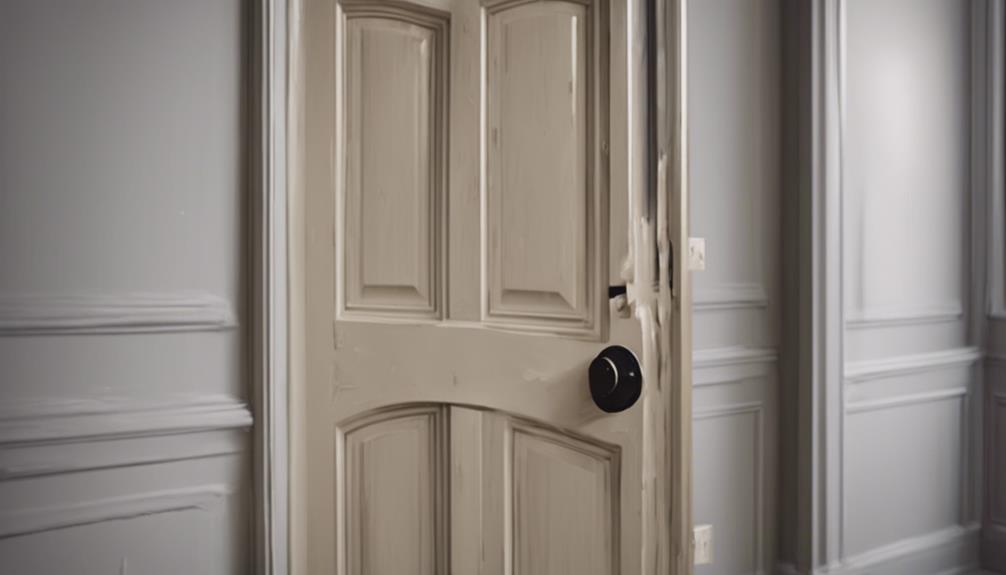
To achieve a flawless and professional finish when painting interior doors, make sure to apply multiple thin coats of paint, making certain each coat to dry completely before adding the next layer. Here are some tips for painting multiple coats efficiently:
- Light Coats: Apply thin, light coats of paint to prevent drips and achieve a smooth surface.
- Wait for One Side: Allow one side of the door to dry completely before flipping it over to paint the other side.
- Second Coat: Once the first coat is dry, apply a second coat of paint for even coverage.
- Avoid Brush Marks: Use latex paint and a high-quality brush to minimize brush marks and guarantee a professional paint job.
Reattaching the Door and Hardware

After confirming the paint has dried completely on both sides of the door, proceed to reattach the door hinges and hardware securely. Use the same pins to reattach the door hinges for proper alignment and functionality. Securely fasten the door hardware back onto the door to complete the installation.
Before fully reattaching the hardware, check the door swing and alignment to prevent any issues. Make sure all hardware components are properly tightened and adjusted for smooth operation. Test the door's opening and closing to confirm a successful reattachment process.
Remember to remove the door hinges that were taped off with painter's tape during the painting process. If you painted with latex paint, make sure to use a foam roller for a smooth finish.
Whether painting a flat door or one with panels, whether using oil-based or white paint, the key is to reattach the door and hardware meticulously for a polished look.
Frequently Asked Questions
What Is the Best Way to Paint an Interior Door?
To paint an interior door effectively, start by removing or covering knobs. Fill imperfections with wood filler, then sand for a smooth surface. Opt for a durable gloss or semi-gloss paint for longevity. Use a brush for detailed areas and a roller for larger sections.
Keep the door open while drying to avoid sticking. Painting both sides simultaneously can save time. Follow these steps for a professional finish that lasts.
Should You Paint Interior Doors With a Roller or Brush?
When painting interior doors, using a roller or brush is crucial. For intricate areas like knobs, hinges, go with a brush. Rollers are great for those bigger sections. By combining both tools, you'll get a super smooth finish.
Bear in mind the door type and design before selecting. Experiment a bit to find what works best for you. Your door will look amazing with the right technique!
How Many Coats of Paint Should You Put on an Interior Door?
To achieve a professional look, apply at least two coats of paint on an interior door. Depending on the color and material, you might need more coats for full coverage.
Allow each coat to dry completely before adding the next to prevent peeling. Using good paint and proper techniques can help reduce the number of coats needed.
Factors like the color, material, and condition of the door can affect how many coats are necessary.
What Paint Should I Use for Internal Doors?
For painting internal doors, opt for interior acrylic-latex paint. Choose a durable gloss or semi-gloss finish for longevity. Most internal doors come pre-primed, making painting easier.
Make sure to cover all six sides of the door for proper protection. Each door typically covers 68 square feet.
Conclusion
Now that you've finished painting your interior doors, all that's left to do is reattach them and the hardware. This final step will bring your whole room together and give it a fresh new look.
Remember to take your time and make sure everything is securely in place. Enjoy the satisfaction of a job well done and admire your newly painted doors!