TL;DR

Get furniture and decor delivered free with Prime
- Fast, free delivery on millions of items
- Prime Video, Amazon Music and more included
- Member-only deals all year
Designers and vintage dealers say reverse glass paintings are attracting renewed attention in home decor, helped by their handmade look and a recent high-profile display in Tory Burch’s Paris apartment. The source report describes the trend through expert observations, not sales data; the scale of the comeback and the authenticity of individual listings remain unclear.
Antique reverse glass paintings are drawing renewed attention from designers and vintage dealers, according to a House Beautiful report, as collectors seek handmade art with aged frames and vivid imagery. The report points to the paintings’ appearance in designer Tory Burch’s Paris apartment, featured in Vogue, as one sign of their visibility, but provides no sales data to establish how broad the renewed interest is.
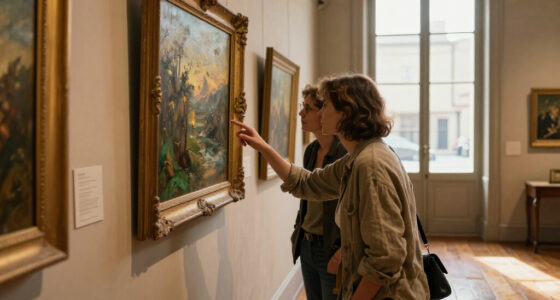
Reverse glass paintings are made by applying paint to the back of a glass pane, so the image is viewed through the glass. The form was popular in India in the 18th and 19th centuries, according to House Beautiful. Subjects can include flowers, boats, shells, people and animals; gallery owner Annalise Holasz told the publication that animals are among the most common motifs.
Holasz, founder of vintage art gallery Hue + Holasz, described the paintings as having a “really naïve” quality because they are made by hand, with small variations between works. Their frames can also be part of the appeal: the report says they are often made from reclaimed wood and may show visible wear. Designer Melanie Lissack said she looks for slightly worn frames, while antiques dealer Alexander Widener said bubbles in the glass can indicate that it was handblown, a common practice until the early 20th century.
The report identifies Etsy, eBay, auctions, flea markets and antique shops as places to search. It cites a broad range of prices in current eBay listings, from $5 to $5,000, but does not specify the date, number of listings, condition, or whether the prices reflect completed sales. The figures therefore show listed prices in the report, not a reliable market valuation.
A Handmade Alternative to Mass Decor
The renewed attention reflects an interest among some designers and buyers in objects that carry signs of handwork, age and individual character. Widener told House Beautiful that the paintings appeal to people seeking “the spirit of craft and yesteryear” in a digital era. That is an expert’s explanation of the appeal, rather than a measured finding about buyers as a whole.
For readers, the practical point is that the art form can be approached at different price levels, but shopping requires care. A low asking price does not establish that a piece is antique or in good condition, and the report’s $5-to-$5,000 range is too wide to serve as a pricing guide. Checking the frame, glass, condition and seller’s description can help buyers distinguish a decorative find from a piece being represented as historically old.
The paintings also offer a flexible way to display vintage art. Designers quoted by the publication suggest grouping small works, mixing them into gallery walls, placing them on shelves, or using them in rooms such as kitchens and bathrooms. Those are styling recommendations, not evidence that the objects are suited to every location or that their condition will withstand humidity or direct sunlight.
Products Worth Considering

Dyson Ball Animal 3 Upright Vacuum

Levoit Vital Pet Pro Smart Air Purifier

Bose SoundLink Plus Portable Bluetooth Speaker, Wireless Outdoor Speaker, Up to 20 Hours Battery Life, Waterproof and Dustproof, Black
As an affiliate, we earn on qualifying purchases.
From Indian Craft to Interior Detail
The House Beautiful report traces the form to 18th- and 19th-century India and describes its current appearance in interiors as part of a wider interest in vintage art. It notes that Tory Burch showed reverse glass paintings in the powder room of her Paris apartment during a tour with Vogue earlier in the year. The report does not provide a date for that tour or identify it as the cause of the increased attention.
Unlike a painting made on canvas, a reverse glass work is painted on the surface facing away from the viewer. That construction leaves the image visible through the pane and can protect the painted side from direct contact. Lissack cited that protection when discussing their possible use in kitchens and bathrooms. It does not make every old work immune to damage, and the source does not give conservation guidance.
Holasz recommends browsing multiple listings because frames can vary considerably and, in her experience, pieces may sell quickly. The report also distinguishes between contemporary works that resemble older examples and pieces described as genuinely antique. Lissack said modern versions do not have the same charm as antique ones, a design judgment rather than a test of age or authenticity.
““They capture the spirit of craft and yesteryear that so many of us are craving in our increasingly digital world.””
— Alexander Widener, owner of Widener Company, quoted by House Beautiful
How Broad Is the Revival?
The report does not include sales figures, search trends, auction results or a defined time period to measure the claimed comeback. Its evidence is a set of comments from design professionals and a reference to a prominent apartment tour. It is not clear whether interest is rising across the wider antiques market or mainly among a subset of decorators and vintage shoppers.
Age and authenticity can also be difficult to establish from an online listing. Bubbles may be a clue to handblown glass, according to Widener, but the report does not present that feature as conclusive proof of a painting’s date. It gives no independent authentication process, condition standards, or guidance for verifying provenance. The cited eBay prices are asking prices, not confirmed transaction values, and no information is provided about shipping, restoration or fees.
What Buyers Should Check
For now, prospective buyers can compare multiple examples and ask sellers about age, condition, materials and provenance before making a purchase. The source recommends looking closely at the frame and glass, while treating signs such as wear or bubbles as clues rather than guarantees. Buyers seeking works from the 18th or 19th centuries may find more examples through auctions, according to Holasz, but the report does not name upcoming sales or provide a timetable.
Whether the renewed design attention leads to sustained price growth remains unknown. Evidence such as completed-sale records over time would be needed to show whether demand is increasing and how prices are changing. Until then, the reported interest is best understood as a trend observed by design and vintage specialists, not a quantified market shift.
Key Questions
What is a reverse glass painting?
It is an image hand-painted on the back of a glass pane, viewed from the opposite side. The method was popular in India during the 18th and 19th centuries, according to the report.
How can a buyer tell if one is antique?
The report says bubbles in the glass can be a clue to handblown glass, and that worn frames may appeal to collectors. Neither feature alone proves a piece’s age. Ask for documentation and details about condition and provenance.
Where can these paintings be found?
The report lists online marketplaces, auctions, flea markets and antique shops. Holasz recommends comparing listings and examining the frame before choosing.
How much do they cost?
House Beautiful cited eBay listings ranging from $5 to $5,000. The report does not say when the listings were checked or whether those prices led to sales, so the range is not a dependable valuation.
Can reverse glass paintings be displayed in bathrooms or kitchens?
Designers quoted in the report suggest those rooms because the paint is on the rear of the glass. That construction can limit direct contact with the painted surface, but it does not establish that every piece will tolerate humidity, heat or sunlight.
Source: housebeautiful.com