

Interior decorating courses equip individuals with foundational design principles, practical skills for crafting appealing spaces, and a comprehensive exploration into interior decoration intricacies. These courses provide a thorough understanding of design elements, various styles, and materials, ideal for those seeking to enhance their expertise in the field. By enrolling in these courses, students can expect to acquire certification for career growth, improve their design skills, and pave the way towards becoming certified interior decorators. If you're curious to learn more about the benefits, specialized areas covered, and future trends in interior decorating courses, you'll uncover valuable insights in the details.
Key Takeaways
- Develop strong foundation in design principles and practical skills.
- Gain deep understanding of design elements, styles, and materials.
- Opportunity to attain certification for career advancement.
- Explore intricacies of interior decorating and design concepts.
- Learn to draw professional floor plans and create appealing living spaces.
Importance of Interior Decorating Courses

Taking interior decorating courses is important for developing a strong foundation in design principles and practical skills necessary for creating appealing living spaces. These courses explore the intricacies of interior decorating, equipping students with a deep understanding of design elements, styles, and materials essential for crafting aesthetically pleasing environments.
By learning about lighting, window treatments, accessories, and specialized room design considerations, individuals enhance their practical skills and design acumen. Additionally, students gain expertise in drawing professional floor plans, understanding color theory, and applying design principles to real-world projects.
One significant benefit of completing interior decorating courses is the opportunity to attain certification, which serves as validation of one's skills and knowledge in home design. This certification not only enhances credibility but also opens doors for career advancement in the field of interior decorating.
Curriculum and Course Structure

Exploring the detailed curriculum and structured course layout provides students with a thorough understanding of the foundational principles and practical skills essential for mastering interior decorating. In an Interior Design program, students investigate various design concepts such as elements and principles of decorating, basic design materials, styles, lighting, window treatments, and accessories.
The curriculum is carefully crafted to include instruction on drawing professional floor plans and specialized room design considerations, equipping students with the necessary skills for real-world applications. Additionally, students receive extensive learning materials, including digital and physical textbooks, along with access to instructional videos for creating floor plans and furniture layouts.
Upon completion of the program, graduates earn a certified interior decorator certificate, validating their professional training in home design. These courses offer a structured path towards a successful career in creating beautiful spaces and honing the skills required for interior decorating.
Benefits of Enrolling in Courses

Enrolling in interior decorating courses equips students with essential skills in design principles, color theory, and space planning. By enrolling in these courses, individuals can enhance their design skills, preparing them for a successful career as Interior Decorators. Completing such courses not only provides a thorough understanding in interior design but also opens up opportunities for interior design certification. Below is a table outlining the benefits of enrolling in interior decorating courses:
| Benefits of Enrolling in Courses | |
|---|---|
| 1. Enhanced design skills | 2. Preparation for Interior Decorator career |
| 3. Pathway to interior design certification | 4. Opportunity to work on diverse design projects |
These courses offer a detailed understanding of creating visually appealing interiors that cater to clients' preferences and lifestyle choices. Whether you are interested in furniture arrangement, lighting selection, or fabric coordination, enrolling in interior decorating courses can provide you with the necessary tools to excel in the field.
Practical Skills Taught in Courses
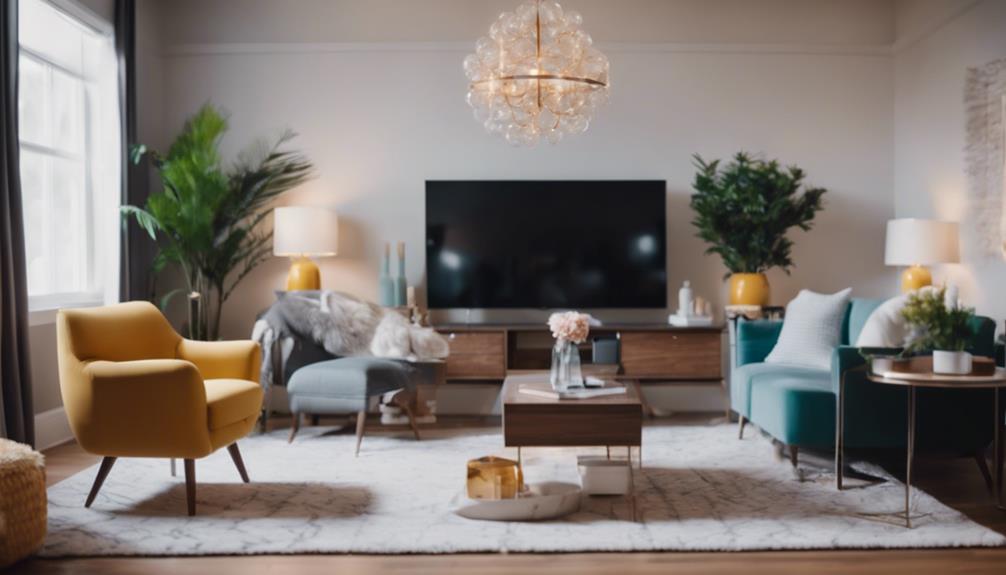
In interior decorating courses, students acquire practical skills that focus on exploring design elements and principles to real-world projects. Throughout the courses, students investigate the design process, learning how to effectively plan and execute their ideas. They explore various design styles, from traditional to contemporary, understanding how different styles can impact the overall look and feel of a space. Additionally, students are taught to take into account clients' needs, preferences, and budgets when conceptualizing and implementing their designs.
These courses also emphasize the importance of mastering basic design materials, color schemes, and layout principles to create visually appealing spaces. Students practice drawing professional floor plans to effectively arrange furniture and design elements within a room. Additionally, they learn about the significance of lighting, window treatments, and accessories in enhancing both the functionality and aesthetic appeal of a space. By exploring specialized room design considerations such as themes, purposes, and client preferences, students develop well-rounded skills that prepare them for real-world design challenges.
Career Opportunities for Course Graduates

Upon completing interior decorating courses, graduates are equipped with the skills to pursue various rewarding career opportunities in the design industry. Graduates can work as interior designers, transforming spaces in residential and commercial settings. They may also explore roles in interior design firms, collaborating with teams to bring creative visions to life.
Other career paths include becoming home stagers, enhancing properties for sale, or professional organizers, helping clients declutter and optimize their living spaces. Additionally, graduates can specialize as Feng Shui designers, promoting harmony through interior layouts, or as color consultants, advising on color schemes for different environments.
The wide range of career options allows graduates to showcase their creativity, problem-solving abilities, and client communication skills. Whether working independently or within a company, interior decorating offers a dynamic and fulfilling career path with growing demand for skilled professionals.
Certification and Accreditation Details

When considering interior decorating courses, it's important to understand the certification requirements and the significance of accreditation.
Certification provides proof of completion of professional training in home design, while accreditation guarantees the courses meet industry standards.
Knowing the program accrediting bodies can help students make informed decisions about their education and future careers.
Certification Requirements
To obtain certification in interior decorating, individuals must demonstrate proficiency in specialized room design considerations, styles, and accessories to create aesthetically pleasing spaces. This typically involves completing specific coursework in elements and principles of decorating, design materials, lighting, window treatments, and drawing professional floor plans.
Graduating with an Interior Decorating Certification signifies the successful completion of professional training, obtained through interior design schools, equipping individuals with the skills and knowledge necessary for home design and beautification. The certification requirements validate expertise in creating beautiful homes, offering a pathway to a successful career in the interior decorating industry.
These courses cover a thorough curriculum, including color consulting, home staging, professional organizing, and feng shui design, allowing individuals to enhance their skills in various aspects of design.
Accreditation Importance
Ensuring accreditation for interior decorating courses is essential to guaranteeing the quality and credibility of the skills and knowledge acquired by individuals seeking certification in the field. Accreditation serves as a stamp of approval, indicating that the design schools offering these courses meet established quality standards.
For interior designers, completing an accredited program not only enhances their credibility but also provides them with a structured curriculum designed to meet industry requirements. Employers often value candidates who've graduated from accredited courses due to the assurance of a certain level of education and training.
Accreditation signifies that the course provider has undergone evaluation and approval by recognized accrediting bodies, solidifying the trust in the certification received.
Program Accrediting Bodies
Pivoting from the discussion on the significance of accreditation in interior decorating courses, accreditation details from reputable bodies like the Designer Society of America (DSA) and the American Society of Interior Designers (ASID) play an essential role in validating the quality and industry relevance of the programs.
These organizations set standards for design education, ensuring that Interior courses meet the criteria needed for students to excel in the field of Art and Design. Certification from these accredited bodies not only enhances job prospects but also adds credibility within the industry.
It's important for aspiring Interior designers to choose courses recognized by such accrediting bodies to guarantee a high-quality education and proper training. Verification of accreditation details can be done through the course provider's website or by contacting the accrediting organization directly.
Specialized Areas Covered in Courses
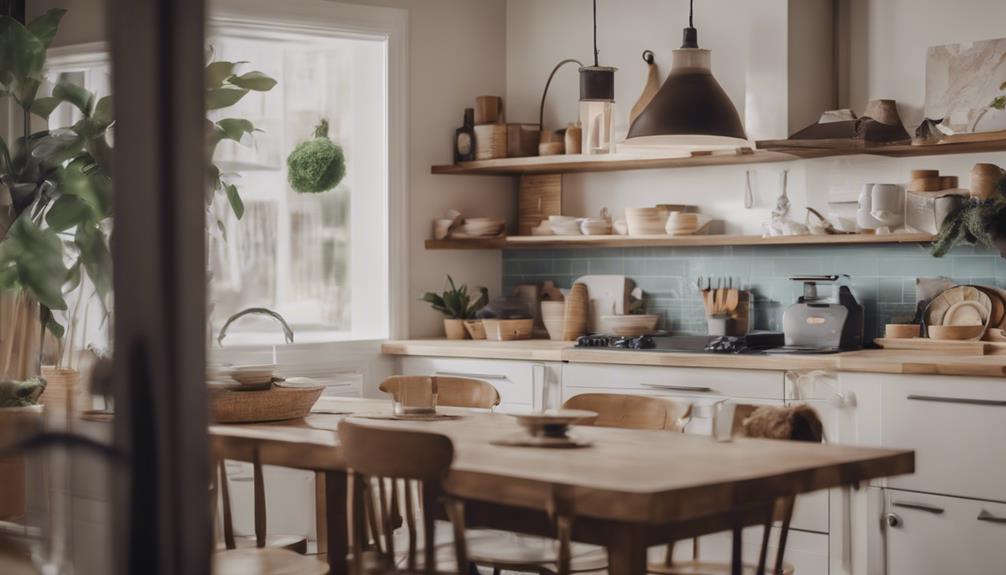
In our interior decorating courses, we cover specialized areas that focus on enhancing design skills through elements and principles of decorating. Students learn about different design materials, various styles, and color schemes to develop a strong foundation in interior decorating. We explore the importance of lighting, window treatments, and accessories to create well-designed and harmonious spaces that meet clients' needs. Additionally, our courses teach students how to draw professional floor plans, enabling them to effectively visualize and plan room layouts for best functionality and aesthetics.
Furthermore, our curriculum includes specialized considerations for room design, such as furniture placement and functionality. By examining these aspects in detail, students are equipped with the knowledge and skills to create aesthetically pleasing interiors that cater to the practical requirements of the space. This all-encompassing approach ensures that our students are well-prepared to tackle diverse interior decorating projects with confidence and creativity.
Online Vs. In-Person Course Options
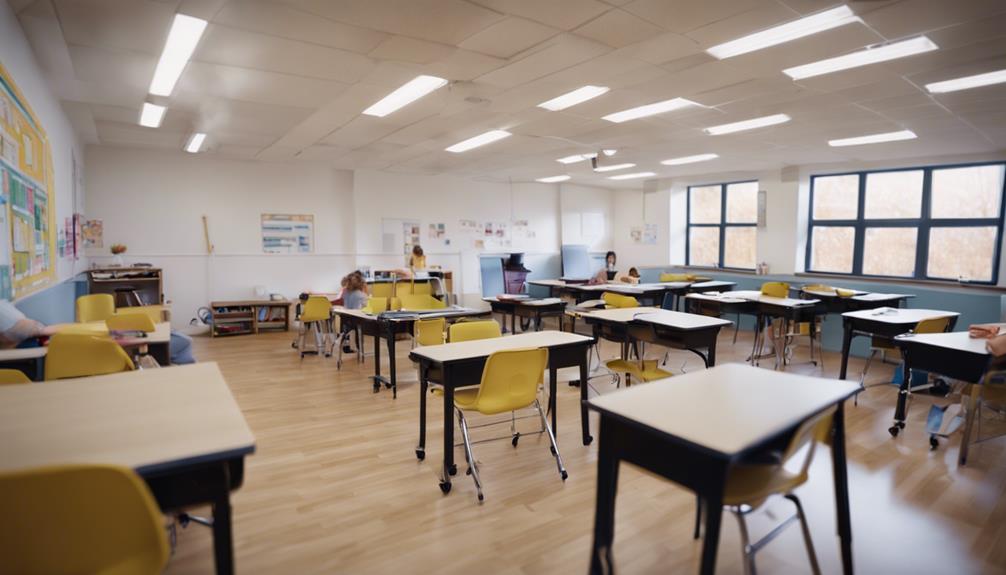
When deciding between online and in-person interior decorating courses, students must consider the unique benefits each option offers.
- Online interior decorating courses:
- Offer flexibility in scheduling, allowing students to learn at their own pace and from anywhere with an internet connection.
- Include virtual design projects, discussion forums, and live webinars to engage students in a virtual classroom setting.
- In-person courses:
- Provide hands-on experience, interaction with instructors, and networking opportunities with fellow students.
- Offer immediate feedback from instructors, access to design tools and materials, and a collaborative learning environment.
For those considering online courses, the convenience of learning from home and the opportunity to engage in virtual design projects may be appealing. On the other hand, in-person courses provide a more hands-on experience and the chance to interact directly with instructors and peers. Both options have their advantages, so students should consider their learning preferences and goals when deciding between online and in-person interior decorating courses.
Student Testimonials and Reviews

Highlighting the practical skills gained and industry-relevant knowledge acquired, student testimonials and reviews offer valuable insights into interior decorating courses.
Students often mention the hands-on experience as a standout feature of these courses, allowing them to apply theoretical concepts in real-world settings. The industry-relevant knowledge provided is also highly praised, with many testimonials emphasizing how the courses effectively prepare them for the demands of the interior decorating field.
Instructors are frequently commended for their supportiveness and the engaging curriculum they offer. Positive feedback indicates that students feel more confident in pursuing a career in interior decorating after completing these courses.
Future Trends in Interior Decorating Courses

Embracing future trends, interior decorating courses are evolving to prioritize sustainable practices, immersive technologies, personalization, industry collaborations, and wellness principles.
- Sustainable Practices: As environmental concerns grow, interior decorating courses now focus on incorporating eco-friendly design principles. Students learn how to create beautiful spaces while minimizing their impact on the environment.
- Immersive Technologies: The integration of virtual reality and augmented reality offers students immersive learning experiences. This technology allows them to visualize designs in a realistic manner, enhancing their understanding and creativity.
- Personalization: Interior decorating courses are increasingly emphasizing personalization and customization to cater to diverse individual tastes and preferences. Students learn how to tailor designs to meet the unique needs of their clients effectively.
- Industry Collaborations: Collaboration with industry professionals is on the rise. By working on real-world projects, students gain hands-on experience and practical skills development, preparing them for successful careers in interior decorating.
Frequently Asked Questions
Which Course Is Best for Interior Decorator?
When deciding which course is best for an interior decorator, it's important to look for one that covers elements like design principles, materials, lighting, and room considerations thoroughly. Seek out courses that provide professional training, practical skills like floor plan drawing, and opportunities for hands-on learning.
What Is Interior Decorating Program?
Interior decorating programs are thorough training courses that teach essential design elements for creating visually pleasing spaces. Students learn about design materials, styles, lighting, and more. These programs cover drawing floor plans and specialized room design considerations. Graduates receive a certificate showcasing their skills.
Courses like Home Staging, Professional Organizing, Feng Shui Design, and Color Consultant offer in-depth training. Interior decorating programs provide a solid foundation for a career in home design.
What Is the Best Certification for Interior Decorators?
The best certification for interior decorators is the Interior Decorating & Design Professional (IDDP) certification.
It provides proof of completing professional training in interior decorating, showcasing skills and knowledge in home design.
IDDP certification is a valuable credential for a successful career in interior decorating, offering specialized training in creating beautiful and functional living spaces.
Graduates receive a certificate highlighting their expertise, making IDDP certification a top choice for aspiring interior decorators.
Is Interior Decoration a Course?
Yes, interior decoration is a course that teaches individuals how to enhance interior spaces through design elements like furniture arrangement and color schemes.
Students learn fundamental principles such as balance and proportion to create visually appealing rooms.
Different styles, trends, and techniques are covered to transform spaces into functional and beautiful environments.
The course provides hands-on experience in creating mood boards and design concepts to develop practical skills for future careers in interior decorating.
Conclusion
To sum up, interior decorating courses offer a wealth of knowledge and skills to aspiring designers. From learning about color theory to mastering space planning techniques, these courses provide a solid foundation for a successful career in the field.
With a mix of practical experience and theoretical knowledge, students can hone their creativity and design abilities to create stunning spaces. Enrolling in interior decorating courses is like discovering a treasure trove of opportunities in the world of design.

Aurora – Your Creative Guide Aurora serves as your creative guide, igniting inspiration and offering innovative design solutions for your home. With her keen eye for aesthetics and passion for creating beautiful spaces, she’s here to help you turn your vision into reality.