Water hardness refers to minerals like calcium and magnesium dissolved in your water, which can cause buildup on appliances and affect your daily routines. Hard water can lead to soap scum, clogged pipes, and reduced appliance efficiency, costing you money over time. By understanding the causes and treatment options, you can protect your home and save on repairs. Keep exploring to discover how managing water hardness benefits your household long-term.

Get furniture and decor delivered free with Prime
- Fast, free delivery on millions of items
- Prime Video, Amazon Music and more included
- Member-only deals all year
Key Takeaways
- Water hardness is caused by dissolved calcium and magnesium minerals from soil and rocks.
- Hard water can lead to soap scum, appliance scale buildup, and reduced cleaning effectiveness.
- Measuring hardness helps determine appropriate treatment methods to prevent damage and maintain water quality.
- Treating hard water extends appliance lifespan, improves efficiency, and reduces repair costs.
- Managing water hardness saves energy, lowers utility bills, and ensures household appliances operate smoothly.
As an affiliate, we earn on qualifying purchases.
What Is Water Hardness and How Is It Measured
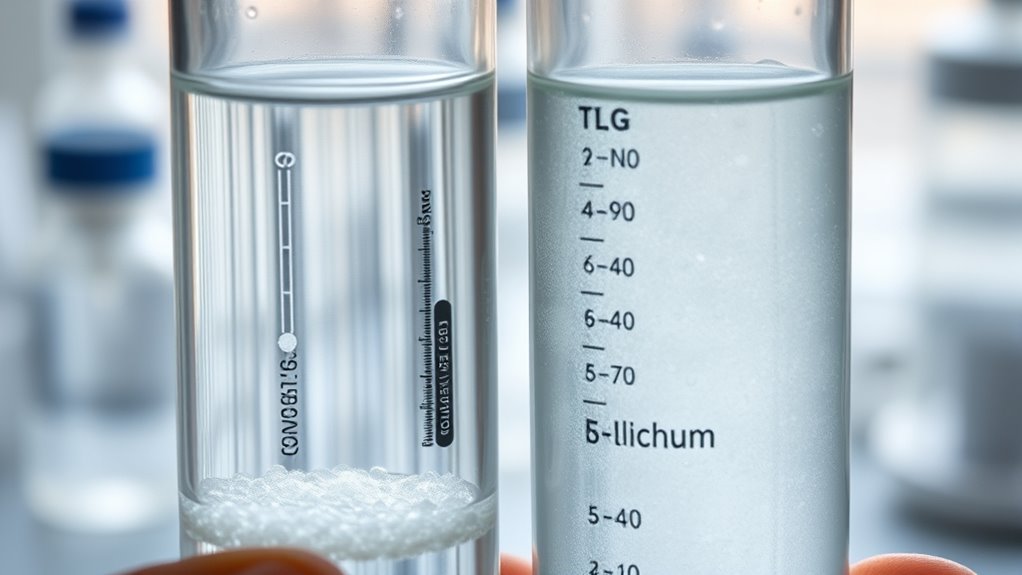
Have you ever noticed soap not lathering well or pipes developing mineral deposits? That’s a sign of water hardness. To understand it better, you can do water testing, which measures the level of dissolved minerals like calcium and magnesium. These minerals cause hard water and are rated on a hardness scale, usually expressed in grains per gallon or parts per million (ppm). The scale helps you determine whether your water is soft, moderately hard, or very hard. Soft water flows easily and creates good soap lather, while hard water can leave deposits and reduce soap effectiveness. Knowing your water’s hardness through testing allows you to take appropriate steps, like installing a water softener, to improve your water quality. Recognizing the signs of water hardness can help you identify issues before they cause significant problems.
The Causes of Hard Water in Your Home

Ever wonder what causes the hard water flowing through your pipes? It all comes down to your water’s composition and mineral deposits. When water moves through soil and rock, it picks up minerals like calcium and magnesium. These minerals dissolve into the water, forming mineral deposits that lead to hardness. The more these minerals are present, the harder your water becomes. Factors influencing this include your geographic location and local water sources. Hard water isn’t just a nuisance; it’s a direct result of natural processes. Understanding these causes helps you grasp why your home has mineral deposits on fixtures and soap scum buildup. Additionally, wall organization systems can help manage mineral buildup around fixtures by promoting better water flow. Ultimately, the water’s mineral content determines its hardness, shaping your daily experience with water in your home.
Signs and Effects of Hard Water on Daily Life
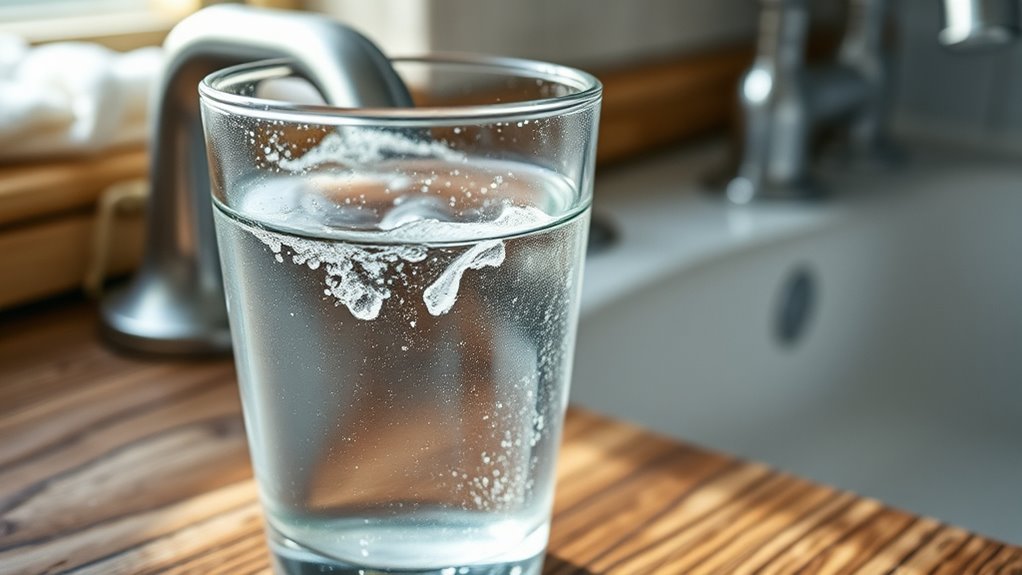
You might notice soap scum lingering on your tubs and sinks, which is a common sign of hard water. Over time, hard water can damage your plumbing and appliances, leading to costly repairs. Recognizing these effects early helps you take steps to protect your home. Incorporating vintage textiles and accessories such as aprons and dish towels can add a charming touch to your space while highlighting the rustic appeal of a farmhouse style.
Soap Scum Build-up
Why does soap often leave a filmy residue on your fixtures and towels? It’s because hard water contains mineral deposits like calcium and magnesium that react with soap, creating soap scum. This residue clings to surfaces, making them look dull and feel grimy. Over time, soap scum can clog drains and cause soap to become less effective. You might notice:
- Stubborn buildup on shower doors and tiles
- Tacky film on towels and clothing
- Reduced soap lathering and cleaning power
- Persistent spots on glass and fixtures
These signs indicate mineral deposits are accumulating, impacting both appearance and functionality. Hard water’s soap scum can be a real hassle, requiring extra cleaning and maintenance to keep your home looking fresh. Additionally, using water softening systems can help reduce mineral buildup and improve cleaning efficiency.
Plumbing and Appliance Damage
Hard water’s mineral deposits don’t just create soap scum—they also take a toll on your plumbing and appliances. Over time, mineral buildup can clog pipes, reduce water flow, and cause fixtures to malfunction. Appliances like your dishwasher, washing machine, and water heater work harder to operate efficiently, leading to increased energy costs and premature failure. Regular plumbing maintenance is essential to identify signs of hard water damage early, such as slow drains or strange noises. Water softening systems help prevent these issues by removing minerals before they cause harm, extending the lifespan of your plumbing and appliances. Incorporating creativity into your water treatment approach can inspire innovative solutions for better efficiency and longevity. Staying proactive about water treatment guarantees your daily life remains smooth and cost-effective, avoiding costly repairs caused by hard water-related damage.
The Different Levels of Water Hardness and What They Mean

Ever wondered what the different levels of water hardness actually mean for your daily life? Water hardness is classified based on mineral content, mainly calcium and magnesium. Soft water has low mineral levels, while hard water has high mineral content, affecting water quality and your appliances. Recognizing soulmate angel numbers can also provide spiritual guidance and insight into love and life transitions.
Understanding water hardness levels helps protect your appliances and improve daily water quality.
- Soft Water (0-60 mg/L): Gentle on skin and appliances, minimal mineral buildup.
- Moderately Hard Water (61-120 mg/L): Slight mineral deposits, still manageable.
- Hard Water (121-180 mg/L): Causes scaling, affects soap lathering, and decreases water quality.
- Very Hard Water (>180 mg/L): Significant mineral buildup, potential damage to plumbing and appliances.
Knowing these levels helps you understand how water hardness impacts your daily routines and the longevity of your fixtures.
Methods to Treat and Manage Water Hardness

Managing water hardness effectively involves various treatment methods that can reduce mineral content and protect your plumbing and appliances. Water softening is a common approach, converting hard water into soft water by removing calcium and magnesium. You can use ion exchange systems, which swap minerals for sodium or potassium, or install reverse osmosis units for thorough filtration. These methods help prevent scale buildup and extend appliance lifespan. Here’s a quick comparison:
| Method | Benefits | Drawbacks |
|---|---|---|
| Ion exchange | Cost-effective, easy to maintain | Adds sodium, not suitable for all |
| Reverse osmosis | Very thorough, pure water | Wastes water, slower flow |
| Salt-based softeners | Effective for most homes | Requires salt replenishment |
Choosing the right method depends on your needs, but soft water treatment is key to managing hardness effectively. Understanding the benefits of water softening can help you make an informed decision.
Why Addressing Water Hardness Can Save You Money

Addressing water hardness can help prevent damage to your appliances, saving you money on repairs and replacements. It also reduces the energy needed to heat water, which lowers your utility bills. Taking steps to manage water hardness can make a noticeable difference in your home expenses. Implementing water treatment solutions can further enhance these benefits and prolong the lifespan of your household items.
Reduces Appliance Damage
Hard water can cause mineral buildup inside your appliances, leading to decreased efficiency and frequent breakdowns. This buildup puts extra strain on components, making appliances work harder and wear out faster. Water softening helps prevent this damage by removing minerals that cause scaling. By addressing water hardness, you can:
- Extend the lifespan of your dishwasher, washing machine, and water heater
- Reduce the need for costly repairs and replacements
- Maintain peak appliance performance
- Save money over time by avoiding early appliance failure
Investing in water softening systems means fewer repairs and less downtime. Keeping mineral buildup at bay ensures your appliances run smoothly and last longer, saving you both time and money in the long run. Proper maintenance is essential to maximize the benefits of your water softening system.
Lowers Utility Bills
Mineral buildup caused by hard water can force your appliances to work harder, increasing their energy consumption. When mineral deposits accumulate in your water heater, dishwasher, or washing machine, they reduce efficiency and make these appliances use more power. Water softening removes or neutralizes minerals like calcium and magnesium, preventing mineral deposits from forming. By investing in water softening systems, you can keep your appliances running smoothly and efficiently. This means lower energy bills over time because your appliances don’t have to work as hard to do their job. Addressing water hardness isn’t just about preventing damage; it’s also a smart way to save money on utility bills. Softened water helps your appliances last longer and operate more cost-effectively. Additionally, water treatment methods can be tailored to reduce mineral content more effectively, further protecting your appliances and extending their lifespan.
Frequently Asked Questions
Can Water Hardness Affect Plumbing Lifespan?
Yes, water hardness can affect your plumbing lifespan. Hard water causes mineral buildup inside pipes, leading to plumbing corrosion over time. This buildup narrows pipes and increases pressure, risking leaks or bursts. As a result, your pipes may deteriorate faster, reducing their lifespan. To protect your plumbing, consider water softening solutions that minimize mineral deposits and extend the longevity of your pipes.
Does Hard Water Impact Skin and Hair Health?
Did you know that over 85% of households with hard water report skin irritation or hair damage? Hard water can strip natural oils from your skin, leading to dryness and irritation. It also damages hair, making it feel brittle and dull. You might notice increased itching or breakage. To protect your skin and hair, consider using water softeners or specialized skincare and haircare products designed for hard water.
Are There Natural Ways to Reduce Water Hardness?
Yes, you can reduce water hardness naturally through methods like natural filtration using charcoal or sand, which can help remove excess minerals. Installing a rainwater harvesting system or using mineral balancing filters also aids in maintaining a better mineral balance in your water. These eco-friendly options are effective, affordable, and safe, allowing you to enjoy softer water without relying on chemical treatments or salt-based softeners.
How Often Should I Test My Water for Hardness?
You should test your water for hardness at least once every six months to stay ahead of any issues. Regular water testing helps you catch changes early before they turn into costly problems. Think of it as keeping your finger on the pulse; testing frequency ensures you know exactly what’s in your water. If you notice any signs of hard water, consider testing more often to maintain ideal water quality.
Is Water Softening Safe for All Household Appliances?
Water softening is generally safe for all household appliances, but you should check your system’s specifications to guarantee compatibility. Properly maintained water softening systems prevent mineral buildup, which can extend appliance lifespan and improve efficiency. If you notice any issues or inconsistencies, consult a professional. Regular maintenance and using the right softening method help protect your appliances and ensure safe, effective water treatment for your home.
Conclusion
By understanding water hardness, you hold the power to protect your home from endless mineral buildup and costly repairs. Addressing hard water isn’t just a small fix; it’s like giving your plumbing a superhero cape, saving you from potential disasters. Don’t let hard water turn your daily routines into battles—take action now to keep your water soft, your appliances happy, and your wallet safe from the chaos of mineral damage.
Fall Picks
fall essentials
As an affiliate, we earn on qualifying purchases.