
To keep your automatic pool cleaner working efficiently, regularly replace or clean the filters as recommended by the manufacturer to prevent clogs and maintain proper water flow. Clean brushes, wheels, and sensors often to avoid dirt buildup, and inspect other parts for wear or damage. Turning off the unit before maintenance is essential. Consistent upkeep extends the cleaner’s lifespan and keeps your pool sparkling. Continue with these tips to uncover more ways to optimize your pool cleaning routine.
Key Takeaways
- Regularly replace and clean filters to maintain optimal cleaning efficiency and prevent clogs.
- Turn off and disconnect the cleaner before inspecting or replacing filters or other components.
- Clean brushes, wheels, and sensors routinely to ensure smooth operation and obstacle avoidance.
- Follow manufacturer guidelines for replacement intervals and use compatible parts for longevity.
- Conduct routine inspections to identify wear, damage, or debris buildup that could impair performance.

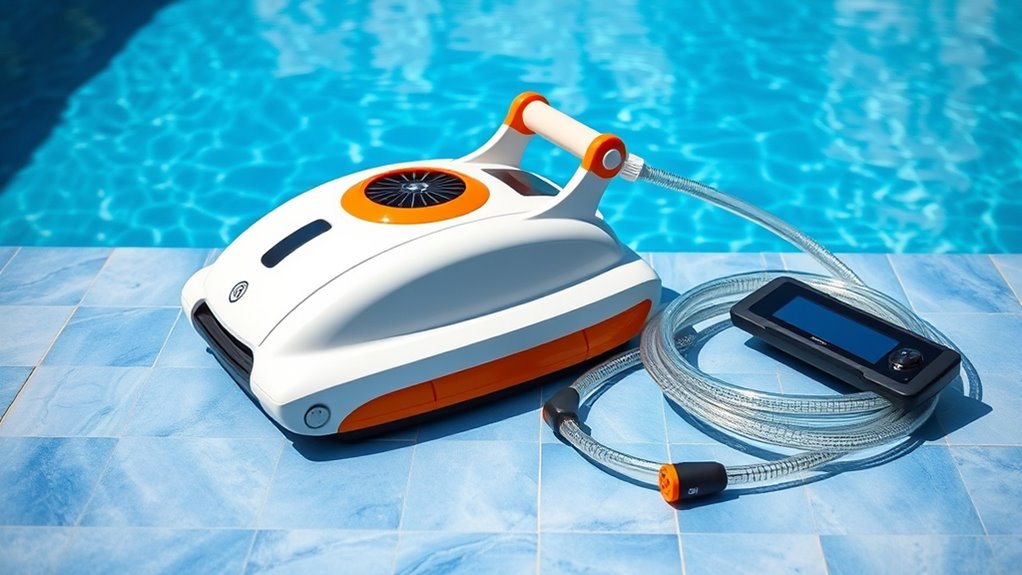
Maintaining your pool cleaner is essential to keep your pool sparkling and functioning efficiently. If you own an automatic pool cleaner, especially one with advanced robotic features, understanding how to care for it properly can extend its lifespan and ensure it operates at peak performance. Robotic pool cleaners often come equipped with a variety of features like programmable cleaning schedules, sensors, and sometimes even app connectivity. These features make cleaning more convenient, but they also mean you need to pay attention to specific maintenance tasks to keep everything running smoothly. One key aspect is regular filter replacement, which is crucial for maintaining optimal suction and cleaning effectiveness. Over time, filters collect debris, dirt, and oils that can clog the system, reducing its efficiency. By replacing filters as recommended by the manufacturer, you help prevent blockages, ensure proper water flow, and maintain the cleaner’s ability to pick up dirt and debris effectively.
Regular filter replacement keeps your robotic pool cleaner efficient and extends its lifespan.
When it comes to robotic features, it’s a good idea to familiarize yourself with the user manual to understand what parts might need periodic attention. Many robotic cleaners have built-in sensors that help them navigate your pool, avoid obstacles, and optimize cleaning paths. These sensors, along with the filter system, are vital to the cleaner’s performance. If your cleaner starts missing spots or isn’t moving as smoothly as it used to, check the sensors and clean or replace the filters accordingly. Regularly inspecting these features not only improves cleaning results but also prevents motor strain and unnecessary wear. Proper sensor maintenance can significantly enhance the efficiency of your robotic cleaner. Additionally, maintaining advanced features like programmable schedules or app connectivity can help maximize your cleaner’s capabilities and lifespan. Regular cleaning and inspection of these parts can also prevent the buildup of algae and other contaminants that might impair performance.
Replacing filters is straightforward but must be done correctly. Start by turning off your cleaner and disconnecting it from power or water sources. Remove the filter cartridge or basket, which is usually located within the cleaner’s body. Clean out any excess debris and rinse it thoroughly with clean water. If the filter looks damaged or excessively worn, replace it entirely with a compatible part. Many manufacturers recommend replacing filters every few months or after a certain number of cleaning cycles, but this can vary based on pool usage and debris levels. Always stick to the manufacturer’s guidance to ensure your cleaner stays in top shape. Additionally, regular maintenance of other robotic parts like brushes, wheels, and sensors helps prolong the life of your cleaner and ensures optimal operation. Proper care and adherence to maintenance schedules can also prevent the need for costly repairs or replacements down the line. Incorporating routine checks for soil and debris buildup can further enhance the longevity of your robotic cleaner and keep it functioning at its best.
In addition to filter replacement, keep an eye on other robotic features like brushes, wheels, and sensors. Regularly clean these components to prevent build-up of dirt and algae. Checking your cleaner’s manual for specific maintenance schedules and recommended parts can save you time and money in the long run. With proper care, your automatic pool cleaner will continue to deliver sparkling results, making pool maintenance less of a chore.
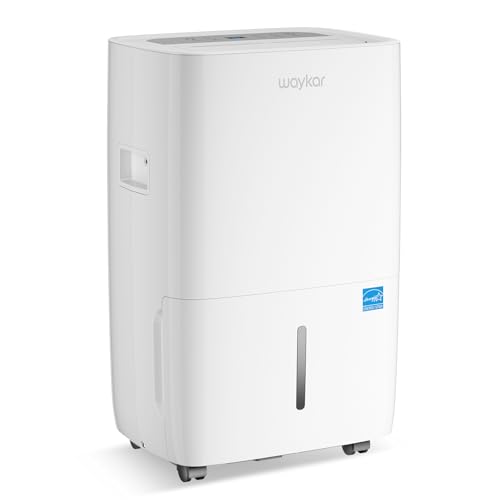
Waykar 80 Pints 2025 Energy Star Dehumidifier for Spaces up to 5,000 Sq. Ft for Basement and Home, Large Room with Drain Hose and 1.14 Gallons Water Tank
【Covers up to 5,000 Sq. Ft. with Powerful 80 Pint Capacity】Waykar removes up to 80 pints of moisture...
As an affiliate, we earn on qualifying purchases.
Frequently Asked Questions
How Often Should I Replace the Pool Cleaner’S Brushes?
You should replace the pool cleaner’s brushes every 6 to 12 months, depending on their condition. Regular brush replacement is essential for effective cleaning, especially if you notice signs of wear, such as fraying or missing bristles. Keep up with your cleaning frequency to prevent buildup and damage. By maintaining and replacing brushes on time, you ensure your pool cleaner works efficiently and extends its lifespan.
Can I Use Household Cleaning Products for Maintenance?
Using household chemicals for your pool cleaner’s maintenance is like inviting chaos into your cleaning routines! You might think they’re harmless, but these chemicals can damage your cleaner’s delicate parts and ruin its performance. Stick to manufacturer-recommended solutions instead. Household cleaning products aren’t designed for pool equipment, so avoid risking costly repairs or replacements. Keep your cleaner running smoothly by following proper maintenance protocols, not household chemical experiments.
What Signs Indicate My Pool Cleaner Needs Professional Repairs?
When your pool cleaner isn’t working properly, watch for signs like sensor malfunction, where it stops or misses spots, or motor issues, such as strange noises or loss of power. If your cleaner struggles to navigate, gets stuck, or doesn’t operate at all despite basic troubleshooting, it’s time to call a professional. They can diagnose problems like sensor malfunctions or motor issues accurately and get your cleaner running smoothly again.
Is It Necessary to Calibrate the Cleaner’S Sensors Regularly?
You might wonder if calibrating your pool cleaner’s sensors regularly is necessary. To guarantee sensor accuracy, it’s a good idea to perform calibration based on usage and manufacturer recommendations. Generally, calibration frequency depends on how often you use the cleaner and if you notice issues like missed spots or erratic movement. Regular calibration helps maintain peak performance, reducing the need for repairs and ensuring your cleaner works efficiently.
How Do I Store My Pool Cleaner During the Off-Season?
Think of your pool cleaner as a sleeping beauty—ready to awaken when the season returns. To store it properly, follow these storage tips: clean and dry all parts, remove and store the filter, and keep it in a cool, dry place. Seasonal prep is key; avoid direct sunlight and extreme temperatures. This way, your cleaner stays in tip-top shape, enthusiastic to spring into action when the pool opens again.
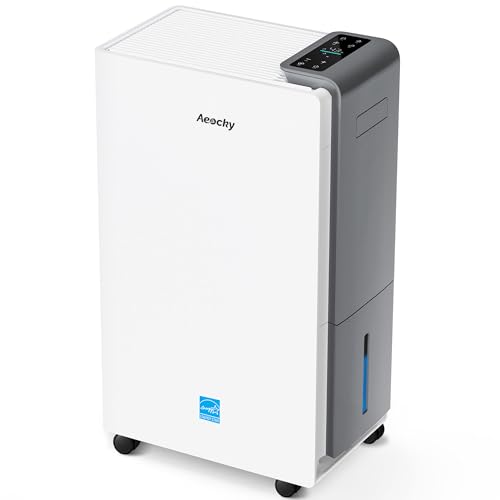
4500 Sq.Ft Energy Star Most Efficient 2025 Dehumidifier,AEOCKY Max 80 Pint/Day Smart Compressor Dehumidifier with Drain Hose, Intelligent Humidistat,for Basement,Bedroom,Home,Bathroom
【Dual Champion, Undisputed - #1 Best-Selling Brand & #1 Best-Selling Model】When you choose AEOCKY, you choose double market...
As an affiliate, we earn on qualifying purchases.
Conclusion
Maintaining your pool cleaner is like tending to a trusty garden tool—you’ll keep it running smoothly and extend its lifespan. Regular cleaning, checking parts, and proper storage guarantee your cleaner works efficiently season after season. Just as a well-kept bicycle pedals effortlessly, a well-maintained pool cleaner makes your pool sparkle with minimal effort. Stay consistent with these simple steps, and you’ll enjoy crystal-clear water all summer long without any surprises.

5000 Sq.Ft Energy Star Most Efficient 2024 Dehumidifier,DECIUU Max 100 Pint Dehumidifier for Basement with Drain Hose,Intelligent Humidity Control for Home Bathroom Garage Bedroom
Most Efficient 2024 Energy Star Dehumidifier: Tired of battling stubborn humidity? Our ENERGY STAR certified dehumidifier removes 70...
As an affiliate, we earn on qualifying purchases.
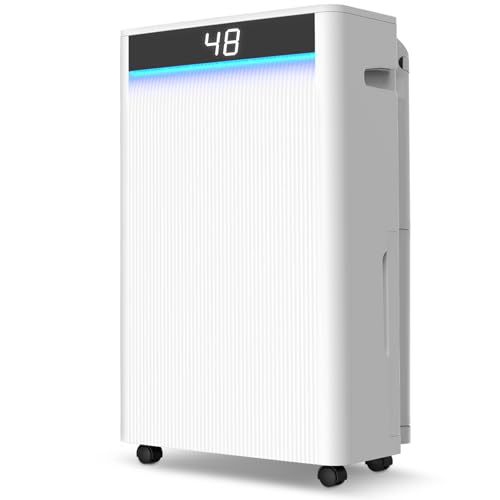
KeepGlad 5000 Sq. Ft Dehumidifiers for Home and Basement, Max 95 Pint/Day Dehumidifier with Drain Hose, Compressor Dehumidifier with Humidity Control, 24H Timer & Child Lock, for Bedroom, Large Rooms
【Covers up to 5,000 Sq. Ft. with Powerful 95 Pint Capacity】This powerful dehumidifier removes up to 95 pints...
As an affiliate, we earn on qualifying purchases.