
To store your automatic pool cleaner for the off-season, start by removing debris, dirt, and algae, then rinse and dry all parts thoroughly to prevent rust and mold. Follow your manufacturer’s instructions to disconnect batteries and store them properly in a cool, dry place. Clean filters and components, check for damage, and organize cords and hoses to prevent kinks. Properly prepping your cleaner now makes the next season easier—learn more tips to guarantee your equipment stays in top shape.
Key Takeaways
- Clean, dry, and inspect all parts, including brushes, filters, and hoses, before storage to prevent damage and buildup.
- Fully charge or disconnect batteries as per manufacturer instructions, and store in a cool, dry place.
- Store filtration systems and sensitive components separately to maintain air and water quality.
- Use protective covers and organize cords and hoses loosely to prevent kinks and environmental damage.
- Perform a final inspection, address minor repairs, and ensure all components are clean and functional for easy reuse next season.

When the swimming season ends, properly storing your pool cleaner is essential to keep it in good condition and guarantee it’s ready to use next year. Taking the time to prepare your automatic pool cleaner for off-season storage not only protects your investment but also simplifies your pool maintenance routine when you reopen your pool. Proper storage ensures that the equipment maintains its functionality and extends its longevity, saving you money on repairs or replacements down the line.
Start by thoroughly cleaning your pool cleaner. Remove any debris, dirt, or algae that may have have accumulated during use. Rinse all parts with clean water to eliminate residue that could cause mold or deterioration over time. Pay special attention to the brushes, filters, and hoses, making sure they’re free of obstructions. Dry everything completely to prevent rust or mold growth, which can compromise the cleaner’s performance later. Incorporating proper cleaning techniques can also enhance the effectiveness of the cleaner when in use again. Using a soft brush or cloth can help ensure all surfaces are thoroughly cleaned without damaging delicate parts.
Next, check the manufacturer’s instructions for specific storage recommendations. Many automatic pool cleaners have removable parts or batteries that require special care. If your model has a battery, charge it fully before storage and then disconnect or remove it if recommended by the manufacturer. Storing a battery-powered cleaner with a fully charged battery prevents sulfation and prolongs battery life. Conversely, some batteries should be stored in a cool, dry place with a partial charge, so verify your model’s needs. Proper handling of batteries can significantly extend the battery life and overall performance of your pool cleaner. Additionally, keeping the manual and warranty documents together in a safe place will make future maintenance or repairs easier.
Additionally, consider storing the cleaner HEPA filtration system if it has one, to maintain optimal air quality and prevent dust accumulation that could impair its function later. Proper storage conditions can also prevent the buildup of dust and debris that might interfere with the filter’s performance. Regularly inspecting and maintaining the filtration system ensures it functions efficiently when you restart your pool cleaning schedule. From an energy efficiency perspective, ensuring that all components are clean and functional can contribute to maximizing performance when you begin using the cleaner again. Moreover, checking for any signs of wear or damage during storage can help identify repairs early, avoiding costly replacements later.
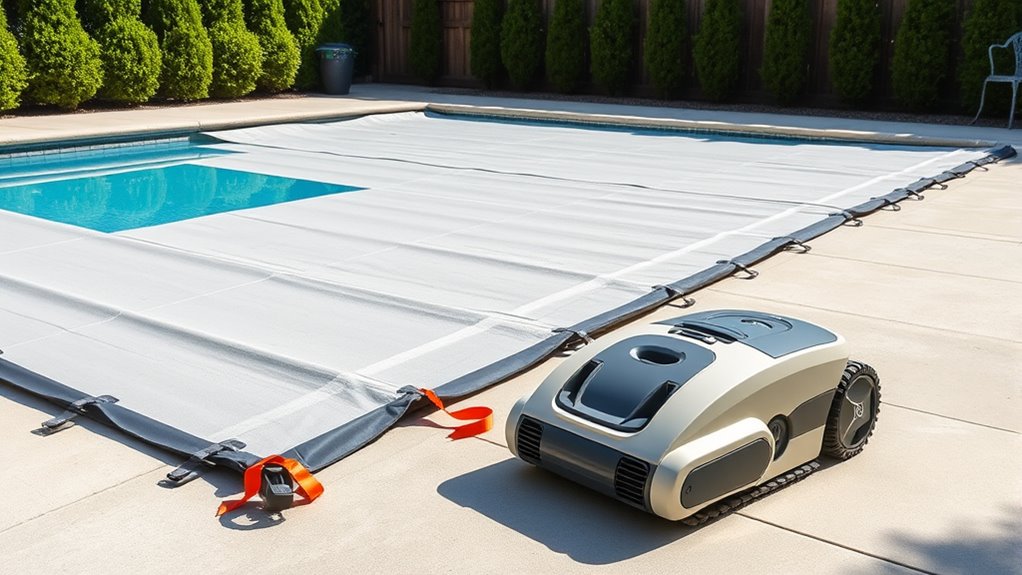
When storing the cleaner, choose a cool, dry location away from direct sunlight. Excessive heat or cold can damage internal components or cause plastic parts to warp. Keep the cleaner in a well-ventilated area to prevent moisture buildup, which can lead to rust or mold. If possible, store the cleaner in a dedicated storage bin or cover it with a protective tarp to shield it from dust and pests. Ensure that cords and hoses are loosely coiled to prevent kinks or damage. Proper organization during storage also helps prevent accidental damage and makes it easier to retrieve and set up for the next season.
Finally, perform a quick inspection before sealing everything away. Check for any signs of wear or damage that might need attention before next season. Taking these steps not only preserves your pool cleaner but also makes your pool maintenance easier when you’re ready to reopen the pool. Proper off-season storage plays a essential role in maintaining equipment longevity, ensuring your automatic pool cleaner remains reliable and efficient year after year.
Frequently Asked Questions
Can I Store My Pool Cleaner Outdoors During Winter?
Storing your pool cleaner outdoors during winter isn’t ideal, especially if you want to guarantee its longevity. You should consider outdoor storage only if you provide proper winter protection, like a weatherproof cover and a sheltered spot. However, it’s best to bring your cleaner inside or into a garage to prevent damage from freezing temperatures and moisture, which can harm its components. Proper winter protection helps keep your cleaner in good shape for next season.
How Often Should I Run Maintenance Before Storage?
Imagine you’re preparing your pool cleaner for winter storage; you should run maintenance at least once a month. This includes battery maintenance, ensuring the battery is charged and free of corrosion, and storage preparation like cleaning filters and wiping down surfaces. Regular maintenance prevents issues, keeps the cleaner in good shape, and makes sure it’s ready to go when you reopen your pool.
Is It Necessary to Remove Batteries Before Storing?
You might wonder if battery removal is necessary for storage safety. Removing batteries from your pool cleaner prevents corrosion and battery leaks, which can damage the device. It’s a good idea to take out the batteries before storing your cleaner for the off-season to guarantee safety and maintain the battery’s lifespan. Always follow the manufacturer’s instructions, but generally, battery removal helps keep your equipment in top shape during storage.
What Cleaning Products Are Safe for Storage?
When choosing cleaning products to store, you should focus on chemical compatibility and storage container selection. Opt for products specifically designed for pool maintenance, avoiding harsh chemicals that could damage your equipment. Use airtight, non-reactive containers to prevent leaks and chemical reactions. Always follow the manufacturer’s instructions for safe storage, and keep cleaning supplies in a cool, dry place away from direct sunlight to maintain their effectiveness and verify safety during off-season storage.
How Long Can a Pool Cleaner Stay in Storage Without Issues?
You wonder how long your pool cleaner can stay in storage without issues. Typically, if you perform proper battery maintenance and keep it in a suitable storage environment—cool, dry, and sheltered—it can remain stored for several months. Regularly check the battery and clean it before storage. Avoid extreme temperatures, and make sure the cleaner is dry and free of debris. With proper care, your pool cleaner stays ready for use when needed.
Conclusion
Storing your automatic pool cleaner properly during the off-season guarantees it stays in top shape for your next swim. Clean it thoroughly, drain all water, and store it in a dry, cool spot—think of it as giving your trusty sidekick a well-deserved rest. Remember, even the most advanced gadgets need a little TLC now and then. So, treat your cleaner like a knight’s steed, and it’ll be ready to serve you, whether in the year of our Lord 2023 or beyond.