Soft serve typically outsells hard ice cream because it’s quicker to prepare, more customizable with flavors and toppings, and appeals in busy venues like amusement parks and fast-food restaurants. Its smooth, lighter texture and warmer temperature make it more inviting, especially in hot weather. This versatility and quick service give soft serve an edge in many locations. To discover more about their differences and market trends, keep exploring the details below.
Key Takeaways
- Soft serve generally outsells hard ice cream in high-volume settings like fast-food chains and amusement parks.
- Its quick service, flavor customization, and appealing texture make it more popular in casual, busy environments.
- Hard ice cream remains favored for its rich flavor, traditional appeal, and longer shelf life in retail stores.
- Soft serve’s warmer serving temperature causes faster melting, which can influence sales depending on the setting.
- Overall, soft serve tends to sell more in environments prioritizing speed, customization, and immediate consumption.

When choosing between soft serve and hard ice cream, understanding their differences can help you pick the perfect treat for any occasion. Soft serve is known for its smooth, creamy texture and is usually served at a slightly warmer temperature than hard ice cream. This warmer serving temperature allows the soft serve to be more pliable and easier to dispense, creating a melt-in-your-mouth experience. Because of its softer consistency, soft serve is often more adaptable when it comes to flavor customization. You can easily mix in swirls of syrups, candies, or fruit during the dispensing process, offering a wide variety of flavor combinations on the spot. This flexibility appeals to those looking for a personalized treat or a fun, interactive experience at the ice cream shop.
Soft serve’s smooth, creamy texture and quick customization make it a fun, personalized treat for any occasion.
Hard ice cream, on the other hand, is stored at a much colder temperature, resulting in a denser, firmer texture. Its colder serving temperature means it’s less prone to melting quickly, which is ideal for scooping and maintaining a well-defined shape. Unlike soft serve, flavor customization for hard ice cream typically happens during the manufacturing process, where ingredients are mixed thoroughly before freezing. Although you can add toppings like sprinkles, syrups, or nuts at the time of serving, the base flavors are usually fixed, limiting immediate customization compared to soft serve. However, this method allows for a more intense flavor experience since the ingredients are evenly distributed throughout the ice cream.
In terms of sales, soft serve generally appeals to a broader audience, especially in settings like amusement parks, fast-food chains, and casual eateries. Its quick-to-serve nature, combined with the ability to offer instant flavor customization, makes it a popular choice for customers seeking a quick, fun treat. Soft serve’s light, airy texture often makes it seem more inviting, especially during hot weather or festive events, boosting its sales volume. Meanwhile, hard ice cream remains favored for its rich, dense flavors and the variety of classic, store-bought options that appeal to those seeking a more substantial dessert experience. Its longer shelf life and traditional appeal also keep it a staple in supermarkets and specialty ice cream shops.
Ultimately, both types of ice cream have their loyal fans, but soft serve’s versatility and quick service give it an edge in many high-volume, fast-paced environments. Its ability to offer flavor customization on demand and serve at the perfect temperature makes it a favorite for many, helping it outsell hard ice cream in numerous settings.

GreenPan Frost Ice Cream Maker & Slushie Machine, Soft Serve, Sorbet, Margaritas, Milkshakes, Frozen Yogurt, No Pre-Freezing, Ready in 15 Mins, 6 Modes, 7 Textures, Self-Cleaning, Family Size, Pink
READY IN AS LITTLE AS 15 MINUTES, NO FREEZER NEEDED: Frost is a high-performance kitchen appliance features a…
As an affiliate, we earn on qualifying purchases.
As an affiliate, we earn on qualifying purchases.
Frequently Asked Questions
Which Type Is More Popular Among Children?
You might notice that childhood favorites often include soft serve ice cream because kids love its creamy texture and fun, swirled presentation. Its easy-to-eat, convenient snack preferences make it a top choice among children. Soft serve’s playful appeal and quick serving style often make it more popular than hard ice cream, especially during warm weather or at fairs. Its accessibility and fun factor truly make it a go-to snack for kids.
How Do Storage Requirements Differ for Soft Serve and Hard Ice Cream?
You need to understand that soft serve and hard ice cream require different storage methods due to temperature control and storage duration. Soft serve is kept at a consistent, cold temperature in machines, allowing for quick serving but limited storage time. Hard ice cream needs a freezer at a stable, freezing temperature, enabling longer storage. Properly managing these differences guarantees quality and safety for both types.
Are There Health Differences Between Soft Serve and Hard Ice Cream?
Think of soft serve and hard ice cream like two different book genres, each with unique stories. Nutritional content varies because soft serve often contains more air and sometimes added sugars, while ingredient differences include stabilizers in soft serve. These factors can impact health, but overall, both are treats to enjoy in moderation. Your choice depends on your nutritional priorities and taste preferences.
Which Offers More Flavor Variety—Soft Serve or Hard Ice Cream?
When it comes to flavor variety, hard ice cream typically wins because of gelato comparisons and flavor innovation. You’ll find a wider range of flavors and creative options with hard ice cream, thanks to its longer freezing and mixing process. Soft serve offers fewer flavors but focuses on smooth texture and consistency. If you want more options and unique tastes, hard ice cream is your best bet for flavor innovation.
How Does the Cost of Serving Soft Serve Compare to Hard Ice Cream?
Some believe soft serve is cheaper to serve, but a detailed cost analysis reveals otherwise. Soft serve often requires specialized equipment and continuous refrigeration, increasing operational costs. Hard ice cream, however, benefits from established pricing strategies and bulk production, lowering expenses per serving. You’ll find that while soft serve might seem less expensive upfront, the overall costs can be comparable or higher, depending on equipment and ingredient choices.
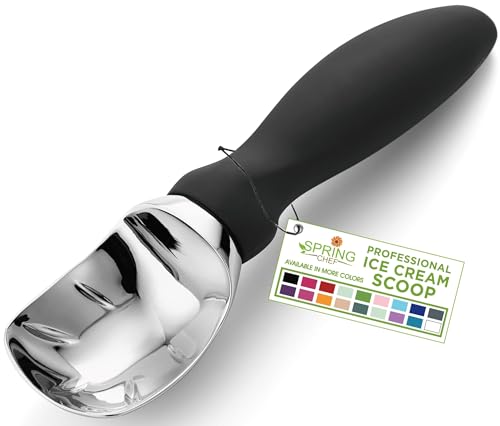
Spring Chef Heavy Duty Ice Cream Scoop with Comfortable Handle – Professional Ice Cream Scooper for Gelato, Sorbet, Cookie Dough, Melon, Frozen Yogurt – Dishwasher Safe Metal Kitchen Tool – Black
THE LAST ICE CREAM SCOOP YOU'LL NEED – Genuine heavy duty tool that is strong and sturdy with…
As an affiliate, we earn on qualifying purchases.
As an affiliate, we earn on qualifying purchases.
Conclusion
Think of soft serve and hard ice cream as two dancers in a lively parade. Soft serve twirls effortlessly, quick to catch the eye, while hard ice cream stands tall, steady, and timeless. Both captivate in their own rhythm, but it’s the dance of preference that guides your choice. Whether you favor the playful swirl or the classic scoop, remember—each has its moment to shine. In this sweet parade, your taste decides the encore.

IneVibe Candy Bin Topping Dispenser – Acrylic Bulk Sprinkle Container w/Scoop, Stackable & Magnetic for Multiple Holders on Shelf – Commercial Setting for Cereal, Nuts, Candies & Snack Food Storage
SMART & FUN DESIGN – Thoughtfully crafted for easy access, this bin features a handy flip-top lid so…
As an affiliate, we earn on qualifying purchases.
As an affiliate, we earn on qualifying purchases.

Nostalgia Kool-Aid Snow Cone Syrup Variety Pack – 16-oz Bottles, 3 Flavors: Blue Raspberry, Tropical Punch, and Grape – Paper Cups & Colored Spoon Straws – Great for Birthdays, Pool Parties, and BBQs
COMPLETE PARTY KIT – With this kit there's no need to pack up and head to the carnival!…
As an affiliate, we earn on qualifying purchases.
As an affiliate, we earn on qualifying purchases.