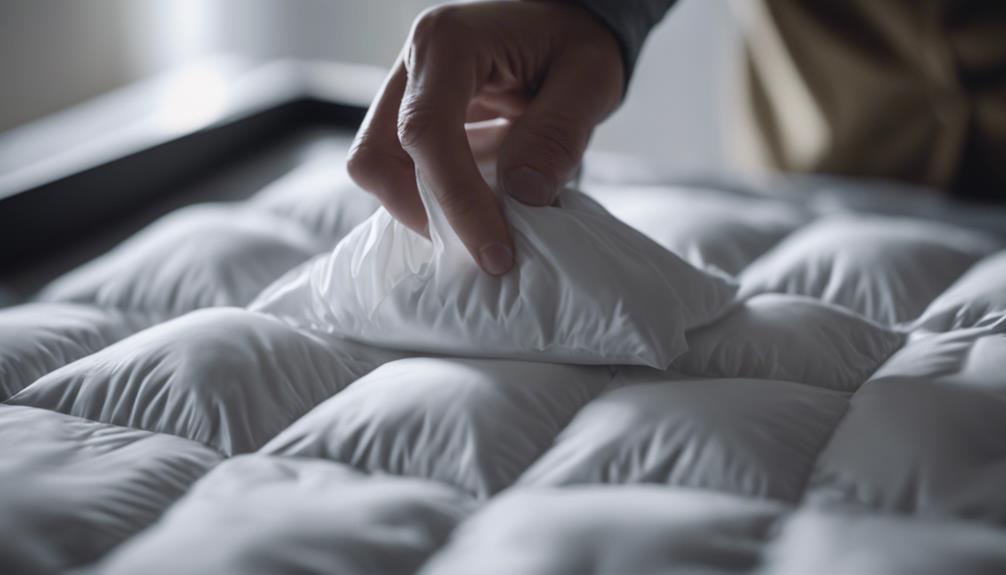

Regularly washing down comforters is essential for reducing allergies caused by dust mites and mold buildup. This can help decrease allergens that can trigger reactions such as sneezing, coughing, and nasal congestion. While feather allergies are uncommon, down bedding can harbor dust mites if not cleaned properly. For a more restful sleep, consider hypoallergenic options like barrier fabric comforters that can effectively block allergens. If you would like to learn more about how down comforters can impact allergies, there are additional insights available.
Key Takeaways
- Feather allergies are rare; down comforters mainly accumulate dust mites and mold.
- Regular washing on high heat eliminates dust mites and reduces allergy triggers.
- Symptoms like sneezing and itchy eyes indicate sensitivity to dust mites, not feathers.
- Hypoallergenic down comforters with barrier fabric and alternative fillings cater to allergy needs.
- Seeking medical advice for severe allergies to down bedding is essential for effective management.
As an affiliate, we earn on qualifying purchases.
Allergy Triggers in Down Comforters
When it comes to understanding the allergy triggers in down comforters, it's important to recognize that dust mites and mold, not the down feathers themselves, are the main culprits. While feather allergies are rare, they can cause symptoms similar to hay fever and fatigue upon waking.
The feathers aren't potent allergens, but they can harbor dust mites and dander if not properly cleaned. Over time, down comforters can accumulate dust mites and mold, leading to potential allergy triggers. Proper washing and maintenance are vital in reducing the risks associated with dust mites and mold in down comforters.
Dust Mite Sensitivity to Down Bedding
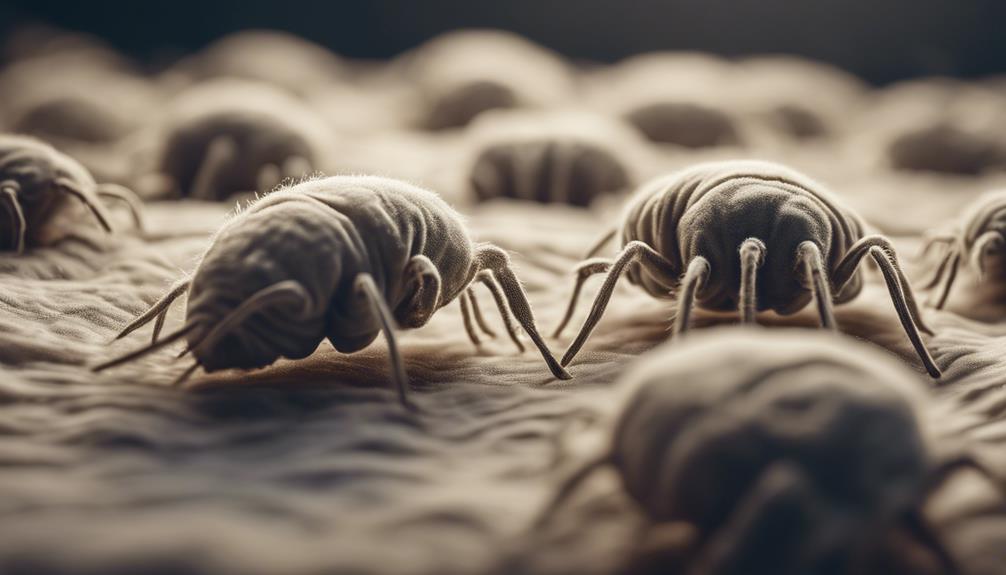
Dust mites can thrive in the warm, humid environment provided by down bedding. Accumulated dust mites in unwashed bedding can trigger allergies, even though down comforters themselves don't inherently cause allergic reactions.
Regular washing and drying of down bedding on high heat can help eliminate dust mites and reduce allergic reactions for those sensitive to them.
Dust Mites and Down
In warm and humid environments like comforters, dust mites can be sensitive to down bedding, potentially exacerbating allergy symptoms if not properly maintained. Here are some key points about dust mites and down bedding:
- Dust mites thrive in warm and humid conditions commonly found in down comforters.
- If not cleaned regularly, down bedding can attract dust mites, increasing the risk of allergies.
- Regular cleaning and washing of down comforters can help reduce dust mite presence and alleviate allergic reactions.
- Individuals with sensitivities should pay close attention to maintaining cleanliness in down bedding to minimize the risk of dust mite sensitivity and associated allergies.
Allergies and Down
Maintaining cleanliness in down bedding is essential to minimize the risk of dust mite sensitivity and associated allergies. Dust mites, not feathers, are the main allergens in down bedding, causing symptoms often mistaken for feather allergies. Regular cleaning helps prevent dust mites from accumulating in down comforters. For allergy sufferers, opting for hypoallergenic bedding can further reduce the risk of reactions. Here's a comparison of common allergens in down bedding:
| Allergen | Description |
|---|---|
| Dust Mites | Primary allergen, trigger allergies in many people |
| Feathers | Rarely cause allergies, symptoms are often dust mite-related |
| Hypoallergenic Bedding | Recommended for allergy sufferers to minimize reactions |
Symptoms of Allergies to Down

Experiencing symptoms of allergies to down, such as sneezing and itchy eyes, can indicate a sensitivity to dust mites rather than the feathers themselves. Here are some key points to keep in mind:
- Dust Mites: Allergic reactions to down bedding are often triggered by dust mites that thrive in the warm, humid environment of bedding.
- Similar Symptoms: Individuals sensitive to dust mites may experience symptoms like sneezing, coughing, and nasal congestion with down bedding, similar to other allergens.
- Feather Allergies: True feather allergies are rare, with symptoms more closely resembling hay fever than a direct reaction to feathers themselves.
- Prevention: Regularly washing and maintaining down comforters can help reduce allergen accumulation, including dust mites, and alleviate allergy symptoms.
Understanding these symptoms and their potential causes can help individuals make informed decisions about their bedding choices and how to manage allergies effectively.
Hypoallergenic Down Comforters Options

When selecting hypoallergenic down comforters, it's important to consider the specific features that meet the needs of allergy sufferers. Hypoallergenic down comforters are designed to minimize allergic reactions by using specially treated down or alternative fillings.
For instance, Pacific Coast's AllerRest comforters feature a barrier fabric that blocks allergens like dust mites and dander. Their Hyperclean technology guarantees the down is thoroughly cleaned to reduce allergens, providing a safer option for allergy sufferers who desire the comfort and warmth of down bedding.
Opting for hypoallergenic down comforters with alternative fillings can also be a good choice for those with allergies. Reviews and ratings can help in selecting a hypoallergenic down comforter that suits specific allergy needs and preferences, ensuring a restful and comfortable night's sleep.
Benefits of Barrier Fabric Comforters

Barrier fabric comforters provide a protective shield against common allergens, ensuring a healthier sleep environment for allergy sufferers. These comforters offer several benefits:
- Allergen Protection: The tightly woven fabric acts as a barrier against dust mites, pet dander, and pollen, preventing them from penetrating the comforter.
- Reduced Allergic Reactions: By blocking allergens, barrier fabric comforters help reduce the risk of triggering allergic reactions, making them ideal for individuals with sensitivities to common allergens found in bedding.
- Cleaner Sleep Environment: Investing in a barrier fabric comforter can lead to a cleaner and healthier sleep environment, promoting better rest for those prone to allergies.
- Microscopic Particle Blockage: The fabric used in these comforters is designed to block microscopic particles that can cause allergies, enhancing the overall comfort and safety of the bedding.
Considerations for Down Alternative Comforters

When considering down alternative comforters for your bedding needs, it's important to take into account factors like material composition, hypoallergenic properties, and affordability to make an informed decision that suits your preferences and requirements.
Down alternative comforters are crafted from fibrous materials such as cotton, silk, or synthetic fibers like PrimaLoft or microfiber. These alternatives mimic the soft and lofty feel of real down while being more budget-friendly and easier to maintain. They're also hypoallergenic, making them a suitable choice for individuals with allergies.
While they may not provide the exact warmth and fluffiness of authentic down, down alternative comforters are ideal for allergy sufferers. Opting for a down alternative comforter is recommended for those on a budget, individuals who tend to sleep hot, and anyone seeking hypoallergenic bedding options.
Seeking Medical Advice for Severe Reactions

If you're experiencing severe allergic reactions to down comforters like facial swelling or hives, it's essential to seek immediate medical advice.
Consult with an allergist to determine specific triggers and consider hypoallergenic alternatives to down comforters.
Following medical advice and exploring safer bedding options can help minimize risks associated with severe allergic reactions.
Consult With Allergist
Seeking medical advice from an allergist is essential for effectively managing severe allergic reactions to down comforters. When consulting with an allergist, here are some key points to keep in mind:
- Consultation: Schedule an appointment with an allergist to discuss your symptoms and potential allergens.
- Allergy Testing: The allergist can perform tests to identify specific allergens triggering your reactions.
- Symptom Management: Receive guidance on managing allergic symptoms through medications or lifestyle adjustments.
- Alternative Bedding: Explore alternative bedding options recommended by the allergist to reduce exposure to allergens.
Consider Hypoallergenic Alternatives
Considering hypoallergenic alternatives is essential for individuals experiencing severe reactions to down comforters, aiming to minimize symptoms and improve overall comfort. Hypoallergenic bedding options can help keep allergens like dust mites and dander at bay, providing a safer sleeping environment.
Seeking medical advice is vital for managing severe allergic reactions to down bedding effectively. Down alternative comforters are excellent products that offer a solution for those with sensitive allergies to down feathers. These alternative comforters can help alleviate allergy symptoms, allowing for a more restful sleep.
Frequently Asked Questions
Do Down Comforters Make Allergies Worse?
Yes, down comforters can exacerbate allergies for some individuals. Dust mites and mold in the bedding are common triggers. Regular cleaning and maintenance can help reduce these risks.
Symptoms from down comforter allergies often overlap with dust mite and dander reactions. Feather allergies are uncommon, with poor upkeep being a bigger issue.
Opting for hypoallergenic bedding or down alternatives may benefit those concerned about allergies.
Is Goose Down Okay for Allergies?
We believe goose down can trigger allergies due to dust mites and dander. Symptoms may include a runny nose, coughing, congestion, and a sore throat. True allergies to goose down feathers are rare, often related to dust or other allergens in the bedding.
Hypoallergenic bedding or antihistamines are recommended for relief. Opting for down alternative comforters made of hypoallergenic materials like polyester might be a safer choice for allergy sufferers.
What Is the Best Comforter for Allergies?
When it comes to finding the best comforter for allergies, look for hypoallergenic options with barrier fabric and hyperclean down filling to minimize triggers. Down alternative comforters, like those filled with polyester, are also a good choice.
Regular washing and maintenance of your comforter can help prevent allergic reactions. For added assurance, seek comforters with allergy-free warranties.
These strategies can help reduce allergen exposure and keep you comfortable.
Are Feather Beds Bad for Allergies?
Feather beds aren't typically bad for allergies. Feathers themselves aren't top allergens; issues usually stem from dust mites and mold. Regular cleaning can mitigate allergy risks.
Feather allergies are uncommon, mirroring hay fever symptoms. To prevent dust mite accumulation, washing bedding covers and pillows regularly is key.
Proper maintenance can make feather bedding a cozy, allergy-friendly choice for many.
Will Using a Down Comforter in the Summer Aggravate Allergies?
Using a down comforter in summer may aggravate allergies for some people. The natural fill of down comforters can attract dust mites and mold, common allergens that thrive in warm and humid environments. To alleviate allergy symptoms, consider switching to a lighter, non-allergenic bedding option during the summer months.
Conclusion
To sum up, when contemplating the use of down comforters, it's important to be mindful that they can serve as a breeding ground for dust mites and potentially trigger allergies. Opting for hypoallergenic alternatives or comforters made with barrier fabric can help alleviate symptoms for those with sensitivities.
It's ironic that something designed for comfort can lead to discomfort for certain individuals. Remember to prioritize your health and seek medical advice if you experience severe reactions to down bedding. Stay cozy, but stay informed.