
Electric throw blankets typically consume between 50 to 200 watts of power. Lower settings offer a gentle warmth, while higher settings provide more heat for colder nights. Knowing the wattage range ensures it meets specific heating requirements and helps reduce energy consumption. Factors such as size, heating capacity, and design features impact wattage, which affects energy efficiency. Different heat settings range from 50 to 200 watts, finding the right balance of comfort and efficiency. Brands have wattage variations from 60 to 150 watts, with premium choices reaching up to 200 watts for increased warmth. Checking the wattage for safety purposes prevents overloads and maximizes heating efficiency. Learn more about electric blanket wattage for informed decisions in the future.
Key Takeaways
- Electric throw blankets typically use 50 to 200 watts for varying heat levels.
- Wattage varies based on size, design, and heating capacity.
- Lower wattage settings offer energy efficiency at around 50-100 watts.
- Premium blankets may consume up to 200 watts for enhanced warmth.
- Checking wattage ensures safe usage and energy efficiency.
Electric Throw Blanket Wattage Range
When shopping for an electric throw blanket, it's important to consider the wattage range to determine the level of warmth it provides. Electric throw blankets typically use between 50 to 200 watts of power, offering a range of heat intensities. Lower wattage settings provide gentle warmth, ideal for mild comfort during chilly evenings, while higher wattage settings deliver more heat for colder nights. Understanding the wattage range of an electric throw blanket is vital in ensuring that it meets your specific heating needs.
It's important to note that lower wattage settings not only offer a cozy experience but also help in minimizing energy consumption. Energy-efficient electric throw blankets consume minimal power compared to traditional heating methods, resulting in cost savings on electricity bills. By opting for a blanket with the appropriate wattage for your desired level of warmth, you can enjoy a comfortable experience while keeping energy costs in check.
Factors Influencing Blanket Wattage
Exploring the various factors that influence the wattage of an electric throw blanket reveals key insights into its heating capabilities and energy efficiency. Several elements play a role in determining a heating blanket's wattage, including its size, heating capacity, and design features. Manufacturers provide instructions regarding the power consumption of their blankets, guiding users on how to optimize energy use efficiently. Understanding these factors is essential in managing how much energy your blanket consumes and ensuring it operates effectively.
| Factors | Description | Influence on Wattage |
|---|---|---|
| Size | Larger blankets like queen-sized use up to 200W | Higher wattage for more warmth |
| Heating Capacity | Dual blankets for two people consume around 100W | Moderate wattage for dual heating |
| Design Features | Follow manufacturers' instructions for power use | Adherence affects energy efficiency |
| Portable Power Station | Consider compatibility for off-grid use | Adjust wattage based on power source |
Impact of Heat Settings on Wattage
Understanding how heat settings affect the wattage of an electric throw blanket provides valuable insights into energy consumption and comfort levels. Electric throw blankets typically range from 50 to 200 watts based on heat settings. Lower settings, consuming around 50-100 watts, offer energy efficiency.
Medium settings, using approximately 100-150 watts, provide moderate warmth. Higher settings, consuming 150-200 watts, offer increased comfort. Adjusting the heat settings can impact energy costs, as higher settings consume more electricity.
Finding the right balance between comfort and energy efficiency based on personal preferences and needs is crucial. When choosing heat settings on electric blankets, consider both the desired warmth and the electricity consumption to ensure a comfortable experience without significantly increasing energy costs.
Different brands and models may vary in wattage, so understanding the impact of heat settings on wattage helps in making informed decisions regarding energy consumption and comfort levels.
Wattage Variations Across Brands
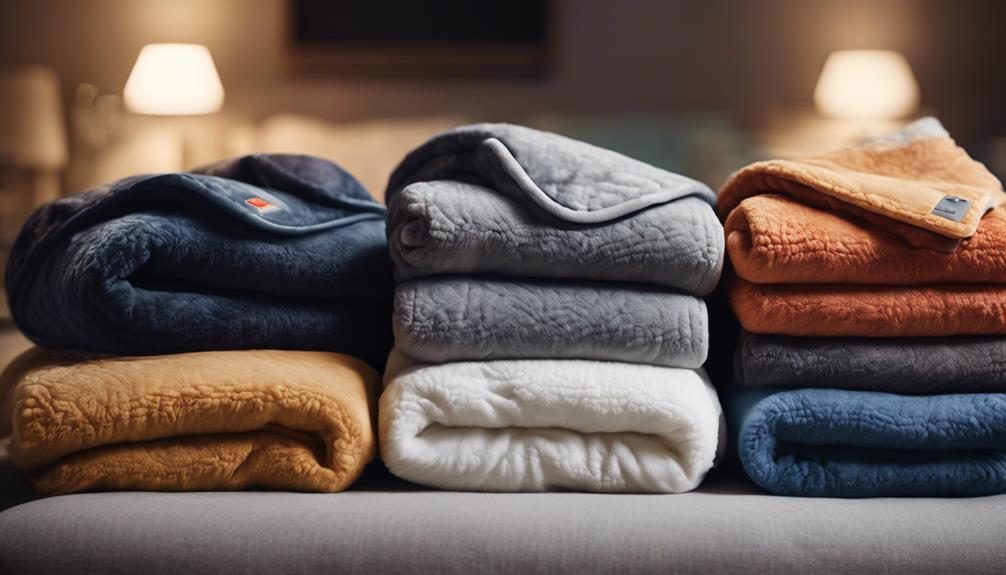
Across various brands, electric throw blankets exhibit notable variations in wattage, ranging from 60 to 150 watts depending on the specific model and manufacturer. Some premium electric throw blankets may even consume up to 200 watts to provide enhanced warmth. The power consumption directly affects the heat level generated by the blanket. Lower wattage options are suitable for individuals living in milder climates or those with a preference for a more subtle warmth level. On the other hand, higher wattage blankets are better suited for colder regions or for those who enjoy a significant amount of heat.
The wide range of wattage variations allows users to select an electric throw blanket that aligns with their warmth preference and energy consumption considerations. When selecting a blanket, it's important to take into account the wattage to make sure it meets your personal warmth needs efficiently. The diversity in wattage across brands offers consumers the flexibility to tailor their electric throw blanket choice to their unique requirements.
Checking Wattage for Safe Usage
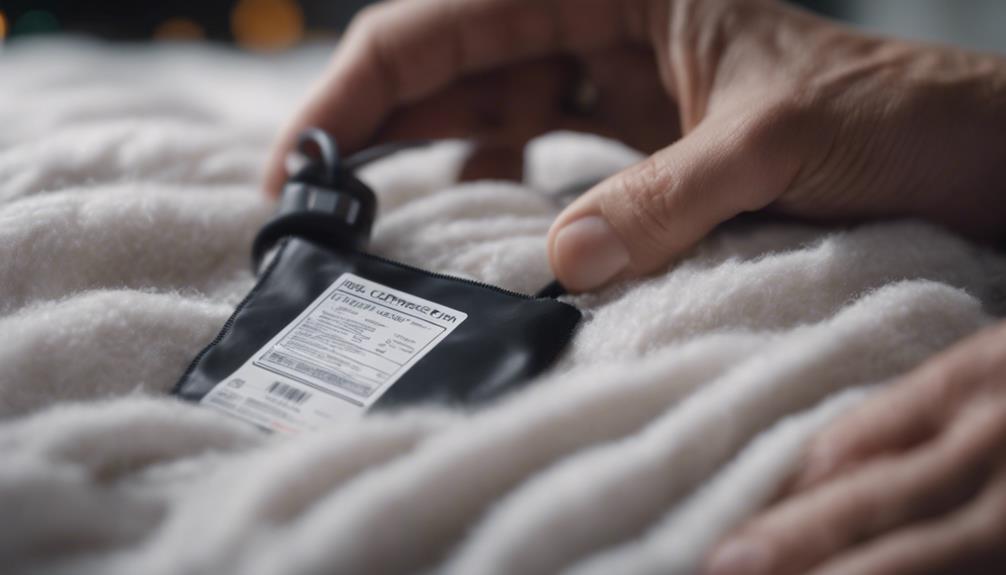
To guarantee safe usage of an electric throw blanket, checking the wattage is essential for preventing circuit overloads and managing energy consumption effectively. Understanding how much wattage an electric blanket uses per hour can also help in controlling your electricity bill while maximizing heating efficiency.
Here are some key points to take into account when checking the wattage of your electric throw blanket:
- Wattage directly impacts the heating efficiency of the blanket.
- Lower wattage blankets (around 60-100 watts) are suitable for milder warmth needs.
- Larger or dual blankets that reach up to 200 watts provide more heat output.
- Checking the wattage ensures safe usage, preventing overloading circuits and excessive energy consumption.
Frequently Asked Questions
How Much Electricity Does a Throw Blanket Use?
Electric throw blankets typically use 60-100 watts of power, with higher wattage for larger or more heated models.
Low-voltage options are available for energy efficiency. To manage electricity usage, consider using a timer or automatic shut-off feature.
Electric throw blankets are generally energy-efficient and cost-effective for personal warmth.
Do Heated Throw Blankets Use a Lot of Electricity?
Heated throw blankets aren't heavy electricity users. Typically, they consume between 60 to 150 watts. More energy-efficient models use as little as 60 watts for gentle warmth. Higher settings or larger blankets may go up to 150 watts for increased heat.
To manage electricity usage, you can use lower settings or timers. Overall, heated throw blankets are considered relatively low consumers of electricity, making them a practical choice for staying warm.
How Long Will a Jackery 500 Run an Electric Blanket?
We've tested it, and a Jackery 500 can power an electric blanket for 2-3 hours on high settings, 4-5 hours on medium, and 6-8 hours on low. Remember, factors like blanket efficiency can alter these times.
How Many Watts Is the Silent Night Electric Throw?
We're aware that the Silent Night electric throw typically consumes 100 watts, striking a balance between efficient heating and energy conservation. This wattage level guarantees cozy warmth without skyrocketing electricity costs.
Understanding the power usage of this blanket helps in effective electricity management.
The Silent Night electric throw is a great choice for those looking for comfort without compromising on energy efficiency.
What Is the Power Consumption of a Typical Electric Throw Blanket?
The power consumption of a typical electric throw blanket varies depending on its size and settings. On average, the electric throw watts usage ranges from 70 to 130 watts per hour. It’s important to check the specific wattage of your blanket and follow safety guidelines for usage.
Conclusion
To sum up, the wattage of an electric throw blanket can vary depending on the brand and model.
It's crucial to check the wattage of your blanket for safe usage and to make sure it meets your heating needs.
Remember, when it comes to staying warm and cozy, it's better to err on the side of caution.
So, make sure to choose a blanket with the right wattage to keep you snug as a bug in a rug.