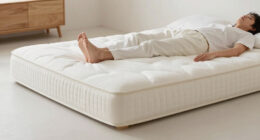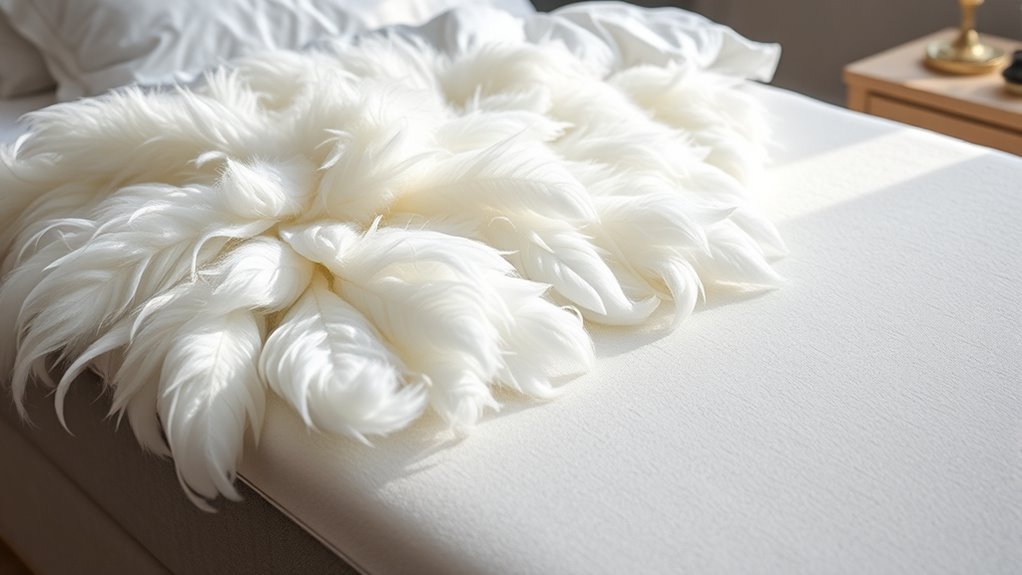

If you’re choosing between a featherbed and a mattress topper, consider your comfort and support needs. A featherbed offers plush, natural insulation, ideal for a soft, luxurious feel, while a topper made of foam, wool, or synthetic fills provides support and firmness options. Think about allergies, durability, and budget, as each option suits different preferences. To find the best fit for your sleep, explore the details below for more guidance.
Key Takeaways
- Choose a featherbed for plush softness, natural insulation, and increased bed height; opt for a mattress topper for customizable support and firmness.
- Consider allergies and maintenance; featherbeds often need special care, while toppers vary from hypoallergenic foam to wool options.
- For added luxury and temperature regulation, featherbeds excel; for budget-friendly, versatile comfort, toppers are more adaptable.
- Evaluate support needs based on sleep style; featherbeds suit side sleepers, while firmer toppers support back or stomach sleepers.
- Long-term durability and costs should guide your choice; high-quality featherbeds last longer but are pricier, whereas toppers are more affordable but may need replacement sooner.
featherbed vs mattress topper
As an affiliate, we earn on qualifying purchases.
As an affiliate, we earn on qualifying purchases.
Understanding the Basic Differences Between Featherbeds and Mattress Toppers
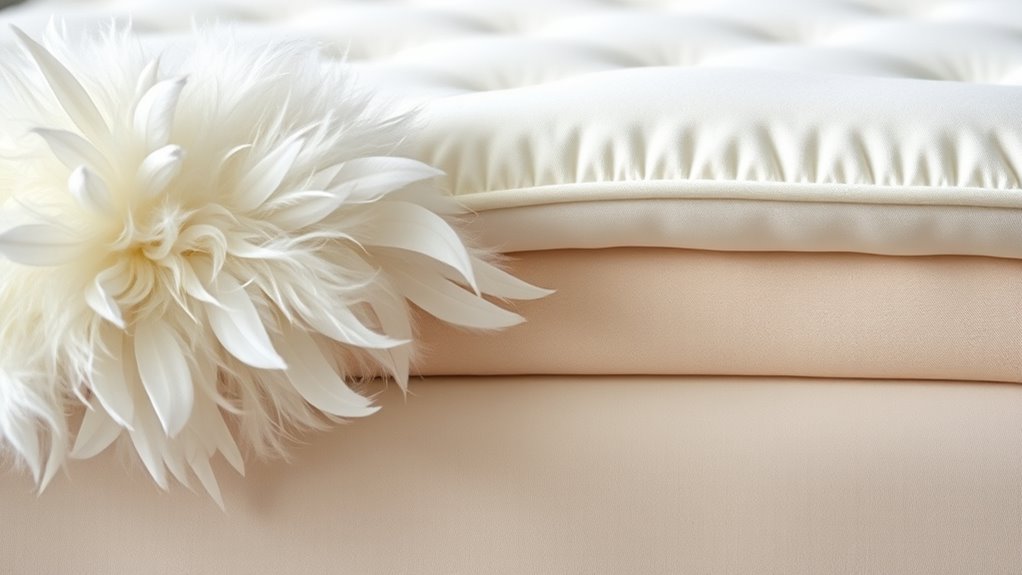
While featherbeds and mattress toppers both enhance your sleeping experience, they serve different purposes and have distinct characteristics. Featherbeds are plush, quilted layers filled with down or feathers, adding softness and insulation, which can raise your bed height somewhat. Mattress toppers, on the other hand, are usually made from foam, latex, or wool, and focus on providing additional comfort or support without notably altering bed height. If you have allergy concerns, featherbeds may pose a risk, especially if they aren’t hypoallergenic, as feathers can trap allergens. Mattress toppers often come in hypoallergenic options, making them a better choice for allergy sufferers. Understanding these basic differences helps you decide which option aligns with your comfort, health needs, and preferred bed height. Cultural content can also influence your choice if you prefer a certain aesthetic or feel in your bedding setup.
hypoallergenic memory foam mattress topper
As an affiliate, we earn on qualifying purchases.
As an affiliate, we earn on qualifying purchases.
Material Composition and Comfort Level

The materials used in featherbeds and mattress toppers greatly influence their comfort levels. Featherbeds typically feature natural feather and down fillings, while toppers come with various fill options like memory foam, wool, or synthetic fibers. Understanding these differences helps you choose the right option for your preferred feel and support. Additionally, some toppers now include smart home device integration features such as temperature regulation, enhancing overall comfort.
Featherbed Material Types
Featherbeds are crafted from various materials that directly influence their comfort and durability. When exploring featherbed material types, you’ll find options like natural down, which offers exceptional softness and insulation, or synthetic fills that mimic down’s loft but are often more affordable and hypoallergenic. The choice of mattress topper fill options also impacts feel; for instance, down and feather blends provide a plush, luxurious experience, while wool or cotton fillings add breathability and support. Depending on your preferences, you might prefer a dense, supportive fill or a light, airy one. Understanding these material types helps you select a featherbed that matches your comfort needs and longevity expectations, ensuring a restful night’s sleep tailored to your preferences. Additionally, considering the material composition can help determine the durability and maintenance requirements of your featherbed.
Mattress Topper Fill Options
Have you considered how the fill material of a mattress topper influences your sleep experience? The right fill affects comfort, support, and temperature regulation. Featherbed installation varies depending on the fill; feather-filled toppers provide a plush, luxurious feel, while foam or wool options offer different levels of firmness. When choosing, consider topper weight options, as lighter fills are more breathable and easier to handle, whereas heavier fills deliver more cushioning and support. Featherbeds with natural feathers tend to be softer and more malleable, perfect if you prefer a cloud-like feel. Conversely, synthetic fills or memory foam toppers might suit those seeking firmer support or allergy-friendly options. Your choice of fill directly impacts your sleep quality, so select based on your comfort preferences and any specific needs. Additionally, exploring various textile line options can help you find the ideal combination of material and comfort level for your mattress topper.
natural down featherbed
As an affiliate, we earn on qualifying purchases.
As an affiliate, we earn on qualifying purchases.
Ideal Uses and Benefits for Different Sleep Preferences
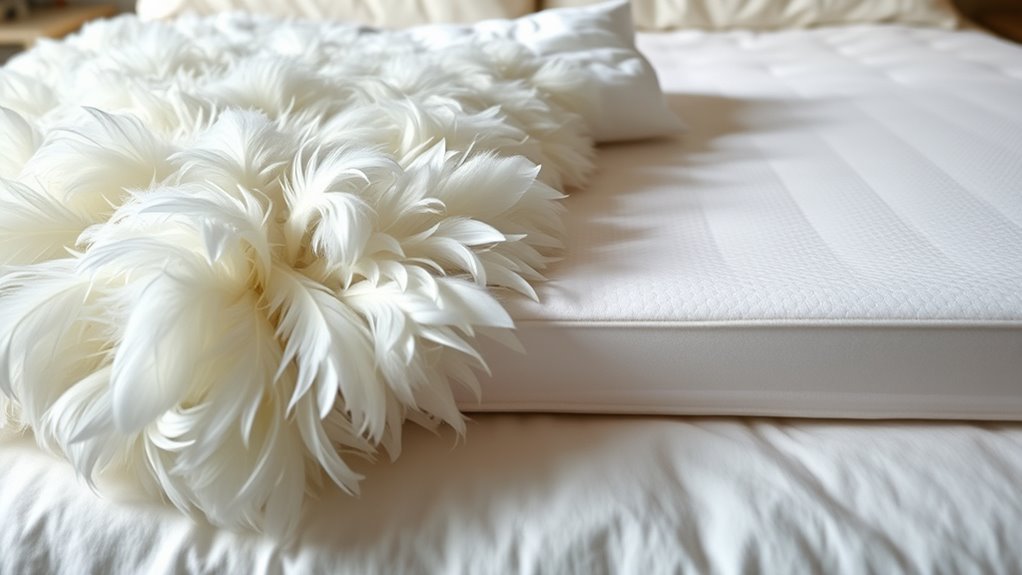
Whether you seek extra comfort or better support, featherbeds and mattress toppers can cater to your sleep preferences. They enhance comfort options and help support different sleep styles, from side sleepers to back sleepers. Plus, their breathability and temperature regulation make them ideal for a restful night in any climate. Selecting the right option can also improve overall sleep quality and reduce discomfort caused by improper support.
Enhanced Comfort Options
For those seeking a plush, luxurious sleep experience, featherbeds provide exceptional softness and a cloud-like feel that can transform your bed into a cozy retreat. They enhance comfort by adding a layer of plush padding, perfect for anyone who prioritizes sleep enhancement and a touch of luxury bedding. Featherbeds distribute weight evenly, reducing pressure points and offering a gentle, supportive surface. This makes them ideal if you prefer a softer, more indulgent sleep environment. They also help regulate temperature, keeping you warm in winter and cool in summer. With their luxurious feel and ability to upgrade your bedding, featherbeds deliver an elevated sleeping experience that caters to comfort-focused preferences. Whether you want to indulge or simply improve your sleep quality, featherbeds can be a key upgrade. Incorporating vibrational alignment principles can also help enhance your overall sleep quality and comfort.
Support for Different Sleep Styles
Different sleep styles benefit from tailored support, making it important to choose a bedding overlay that aligns with your comfort needs. If you prefer a plush, cloud-like feel, a featherbed offers featherbed customization options that can enhance softness and support, especially for side sleepers. For those who need more stability, a topper with secure fit features ensures topper security, preventing shifting and maintaining consistent support throughout the night. Heavier sleepers or those with joint issues might opt for a firmer topper, providing targeted support without sacrificing comfort. Conversely, lighter sleepers or those who switch positions frequently might prioritize a featherbed’s adaptability. Selecting the right overlay based on your sleep style helps you wake up refreshed, with the proper support tailored to your personal needs. Additionally, understanding the Worth of entertainment industries can help inform your choices about investing in quality sleep accessories that contribute to overall well-being.
Temperature and Breathability
Are you looking for bedding that keeps you cool and comfortable throughout the night? Both featherbeds and mattress toppers can enhance thermal regulation, but their breathability varies. Featherbeds are naturally breathable, allowing air to circulate and helping you stay cool. They also wick moisture away, preventing sweat buildup. Mattress toppers made from materials like latex or certain wool blends offer excellent moisture wicking and airflow, ideal for hot sleepers. If you tend to overheat or sweat during the night, look for options that prioritize breathability and moisture management. Additionally, the choice of materials can influence the overall thermal regulation of your bedding setup. Conversely, if you prefer a warmer sleep environment, thicker or less breathable toppers may suit you better. Ultimately, choosing bedding with good thermal regulation and moisture-wicking properties ensures a more comfortable, restful sleep regardless of your temperature preferences.
temperature regulating mattress topper
As an affiliate, we earn on qualifying purchases.
As an affiliate, we earn on qualifying purchases.
Maintenance, Durability, and Care Requirements

Maintaining a featherbed or mattress topper requires regular care to guarantee longevity and comfort. To keep them in good shape, you should schedule routine bed cleaning to remove dust, allergens, and dirt. Fluff your featherbed or topper frequently to maintain its loft and support. When stains occur, prompt stain removal is essential; use gentle cleaning solutions suited for delicate fabrics and avoid harsh chemicals. Protect your investment with a waterproof cover if spills are common. Both featherbeds and mattress toppers are durable when cared for properly, but they can wear over time, especially with frequent washing. Always follow the manufacturer’s care instructions, including proper washing and drying techniques, to prevent damage and prolong their lifespan. Proper maintenance ensures your bedding remains comfortable and supportive for years. Additionally, understanding AI in entertainment can provide insights into innovative ways to enhance your bedding experience through smart technology integration.
Cost Considerations and Value for Money
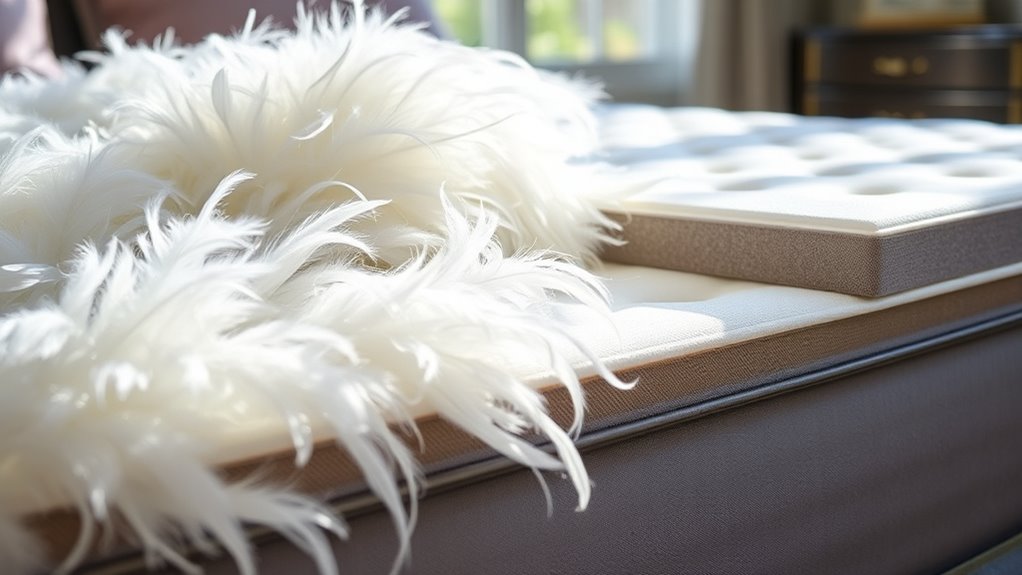
While featherbeds often come with a higher upfront cost, they can offer better long-term value due to their durability and natural insulation, which reduces your need for extra bedding layers. When considering price comparison, featherbeds may seem expensive initially, but their longevity makes them a smart long-term investment. Mattress toppers are usually more affordable upfront but might need replacing sooner, increasing overall costs over time. Think about how much use you’ll get from each option; a quality featherbed can last years, saving you money in the long run. Additionally, contrast ratio plays a significant role in the overall image quality of projectors, impacting your viewing experience. Ultimately, weighing the initial price against durability and comfort helps you decide which provides better value for your budget. Investing wisely ensures you get comfort and longevity without constantly replacing your bedding.
How to Choose the Best Option for Your Sleep Environment
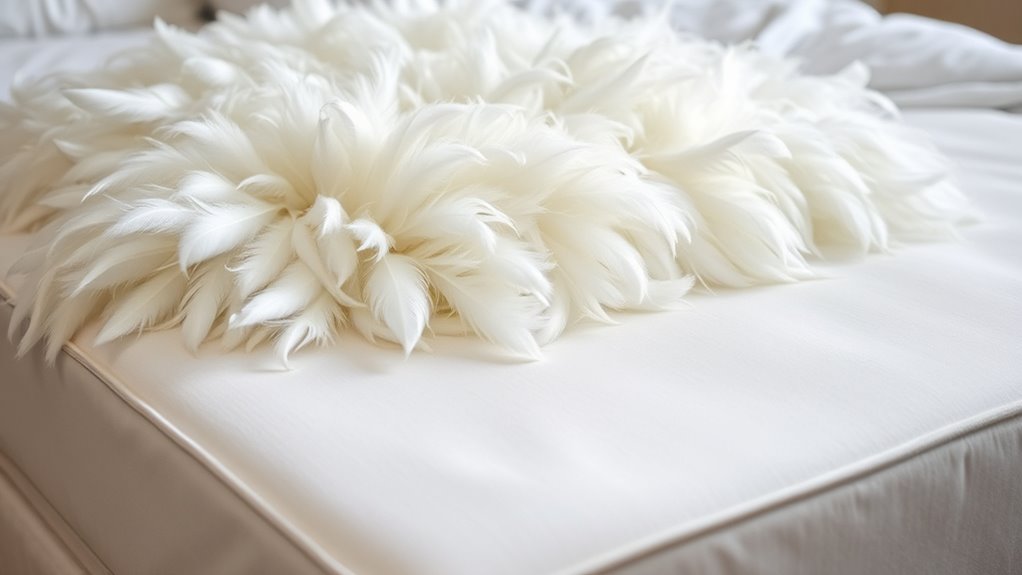
Choosing between a featherbed and a mattress topper depends largely on your specific sleep environment and personal preferences. To make the best choice, consider your sleeping posture, as certain options provide more support or softness. If you have allergy concerns, opt for hypoallergenic materials to reduce triggers. Evaluate your current mattress’s firmness and how much cushioning you desire. Think about temperature regulation, as some toppers and featherbeds can trap heat or promote breathability. Finally, assess your existing bedding setup for compatibility and ease of use.
- Sleeping posture and support needs
- Allergy sensitivities and hypoallergenic options
- Temperature regulation preferences
- Mattress firmness and existing bedding
- Ease of maintenance and durability
Frequently Asked Questions
Can Featherbeds Help With Temperature Regulation Better Than Mattress Toppers?
Featherbeds can help with temperature regulation better than mattress toppers because they naturally mold to your body and allow better airflow, enhancing comfort and providing a cooler sleeping surface. Their insulating properties also trap heat when it’s cold and release warmth when it’s warm, making them ideal for comfort enhancement. If you’re seeking improved temperature control, a featherbed might be a better choice to keep you comfortable throughout the night.
Are Featherbeds Suitable for Allergy Sufferers Compared to Mattress Toppers?
If you’re an allergy sufferer, featherbeds might seem like a villain, but they can actually be suitable if you choose hypoallergenic options. While natural materials like feathers can pose allergenic concerns, high-quality, allergen-resistant featherbeds with durable, easy-to-clean covers can reduce risks. However, if durability and minimizing allergen buildup are your top priorities, a synthetic mattress topper might be your best bet. Always check for allergen-resistant certifications!
Do Featherbeds Require Special Support From the Mattress Underneath?
Featherbeds generally don’t need special support from your mattress underneath, but you should consider bed frame considerations and mattress compatibility. Confirm your bed frame is sturdy enough to hold the added weight and that your mattress can support the featherbed without sagging. Check your mattress type, as some may not work well with featherbeds, especially if they’re too soft or old. Proper support keeps your bedding comfortable and prolongs its lifespan.
How Often Should I Replace a Featherbed or Mattress Topper?
You should replace your featherbed or mattress topper every 1 to 3 years to address durability concerns. Over time, they lose their shape, loft, and comfort, which affects your sleep quality. Regular replacement ensures you enjoy proper support and hygiene. Keep an eye on signs like flattened feathers or persistent odors, and don’t wait too long—timely replacement maintains a comfortable, supportive sleep surface.
Are There Eco-Friendly Options Available for Featherbeds and Toppers?
Yes, eco-friendly options are available for featherbeds and toppers. You can choose products made from eco-friendly materials like organic cotton, bamboo, or recycled fibers. Look for items produced through sustainable manufacturing practices that minimize environmental impact. These options help reduce your carbon footprint while providing comfort. Always check labels and certifications to guarantee the product aligns with eco-conscious standards, so you sleep well while supporting sustainable choices.
Conclusion
Choosing between a featherbed and a mattress topper ultimately depends on your comfort preferences and sleep needs. As you consider your options, remember that sometimes, the right choice aligns unexpectedly—like finding extra warmth on a chilly night or a gentle cushion after a long day. The subtle coincidences in your sleep environment can guide you toward the perfect upgrade, transforming your bed into a sanctuary where rest feels just right, every single night.