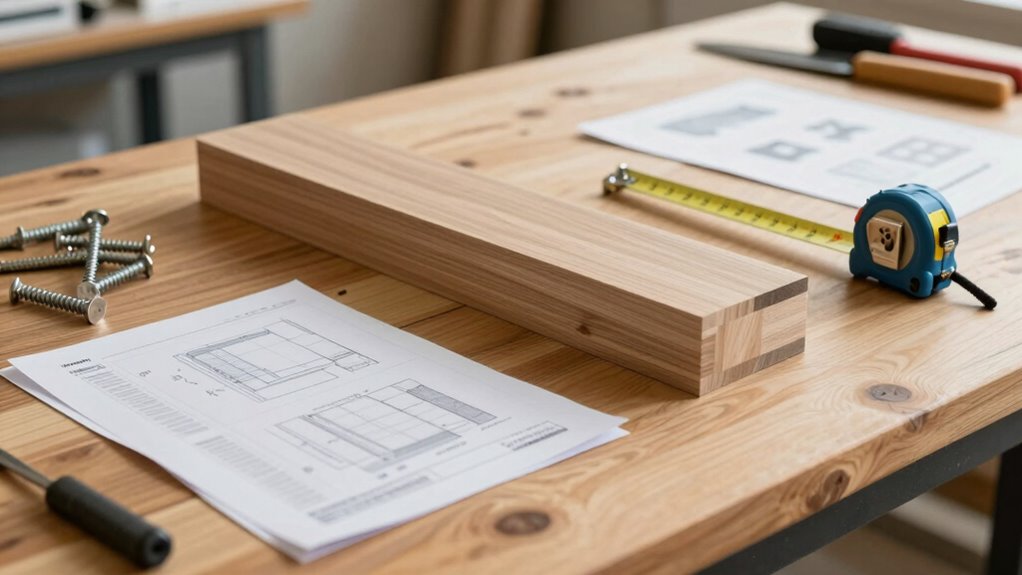

To assess furniture quality before it arrives, check the description for materials—heavier, solid woods or dense composites indicate better durability, while flimsy particleboard suggests lower quality. Look for details about construction, joints, and fasteners; tight, reinforced connections mean longer-lasting pieces. Review manufacturing info for craftsmanship cues, and watch out for signs of cheap materials or poor assembly. Stay tuned to discover more tips that can help you make smarter choices before your furniture arrives.

Get furniture and decor delivered free — and shop member deals
- Fast, free delivery on millions of items
- Access to Prime Big Deal Days deals on October 6–7
- Prime Video, Amazon Music and more included
Key Takeaways
- Inspect product descriptions for mentions of sturdy materials like solid wood or dense composites.
- Check assembly instructions for clear, detailed steps indicating quality manufacturing.
- Look for reviews mentioning tight joints, reinforced connections, and overall stability.
- Confirm fasteners are appropriate, securely fitted, and designed for durable assembly.
- Assess the overall appearance and weight to gauge material quality before arrival.

Ever wondered how to determine if furniture is well-made before you buy? When you’re shopping for new pieces, it’s essential to look beyond the surface. Instead of just judging by appearance, examine how the furniture is constructed. One of the first things to evaluate is material durability. High-quality furniture uses sturdy materials that can withstand daily wear and tear. Feel the weight of the piece—heavier furniture often indicates solid wood or dense composites, which tend to last longer. Check for signs of cheap materials, like particleboard or flimsy plywood, which may look fine initially but can break down quickly over time. When you inspect the furniture, look for tight joints and reinforced connections, as these are signs that the piece is built to last. If the joints are loose or poorly glued, it’s a red flag that the construction isn’t solid. Additionally, examining the material composition can help you understand its overall quality and durability. A well-made piece will often have reinforced joints that contribute to its longevity and stability. Properly assembled furniture also often features quality fasteners, which ensure the parts stay securely together over time. Paying attention to assembly instructions can give you insight into the manufacturer’s attention to detail and quality control. Understanding the manufacturing process can further inform your judgment about the piece’s overall quality and craftsmanship. Proper assembly methods are crucial for ensuring long-term durability and safety.
As an affiliate, we earn on qualifying purchases.
Frequently Asked Questions
How Can I Identify Hidden Damages in Furniture Packaging?
You can identify hidden damages in furniture packaging by inspecting the packaging materials for signs of mishandling, like crushed or torn boxes. Check for irregularities around the shipping labels, such as dents or tears, which might indicate rough handling. Carefully examine the packaging for loosened or shifted components inside. These clues help you spot potential hidden damages before the furniture arrives, ensuring you’re aware of any issues early on.
What Tools Are Best for Inspecting Furniture Quality Early?
You should use a flashlight to check for material durability and finish consistency, especially in hidden areas. A magnifying glass helps spot tiny scratches or chips, indicating poor finish quality. Your hands can feel for sturdiness and stability, revealing the furniture’s overall build quality. Additionally, a ruler or measuring tape guarantees proper dimensions, confirming that the craftsmanship meets standards. These tools help you catch issues early and make informed decisions.
How Do Manufacturing Locations Affect Furniture Assembly Quality?
Ever wondered if where furniture is made impacts its quality? Manufacturing locations greatly influence assembly quality through manufacturing consistency and material sourcing. A reputable factory with strict quality controls and reliable suppliers guarantees durable, well-crafted furniture. Conversely, factories with lax standards or inconsistent material sourcing may produce items prone to assembly issues or damage. So, choosing furniture from trusted regions or brands with transparent manufacturing practices guarantees better assembly quality and longevity for your pieces.
Can Assembly Instructions Indicate Overall Furniture Quality?
Yes, assembly instructions can indicate overall furniture quality. Clear, detailed assembly instructions show the manufacturer’s attention to quality and user experience, making setup easier and reducing damage risks. Additionally, good packaging quality protects the furniture during transit, reflecting the company’s commitment to quality control. When instructions are confusing or packaging is flimsy, it suggests corners are being cut, and the furniture may not meet high standards.
What Are Signs of Poor Craftsmanship in Furniture Parts?
Imagine peeling back the veneer of a piece, only to see jagged edges and uneven joints—that’s a sign of poor craftsmanship. You’ll notice material flaws like splinters, cracks, or warping, and finish inconsistencies where paint or stain drips or is uneven. These imperfections indicate rushed work or low-quality materials, so inspect closely. If your furniture shows these signs, it’s likely to fall apart faster and won’t stand the test of time.
Conclusion
By paying attention to details like joints, hardware, and overall finish, you can confidently gauge furniture assembly quality before it arrives. Remember, a well-assembled piece not only lasts longer but also saves you time and frustration. Did you know that poorly assembled furniture accounts for nearly 20% of customer complaints? Staying informed helps you avoid that pitfall, ensuring your furniture arrives ready to impress. Trust your observations—you’re now equipped to make smarter choices!
Halloween Picks
halloween
As an affiliate, we earn on qualifying purchases.