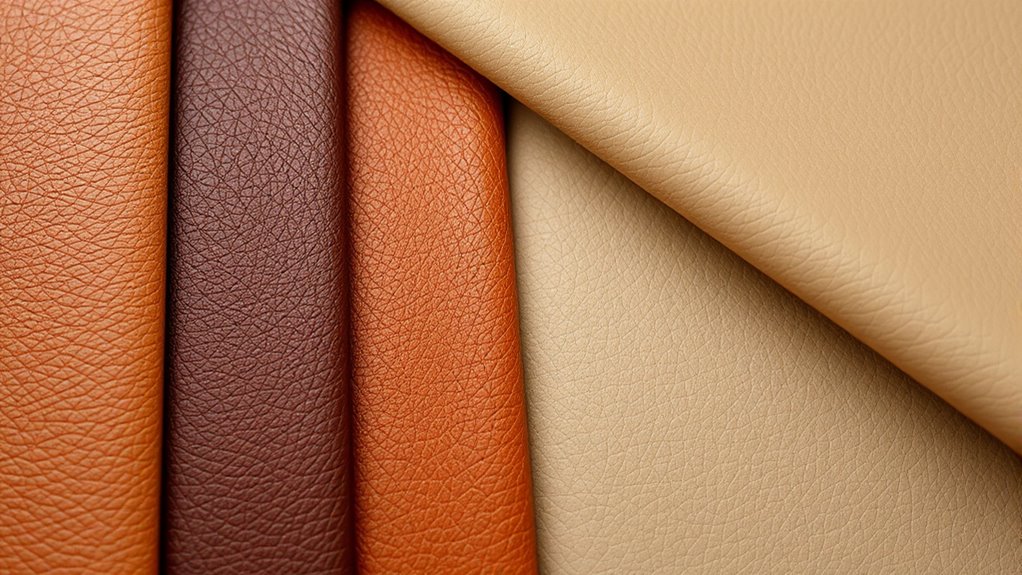

When choosing leather for furniture, you’ll encounter full-grain and top-grain options, both offering durability and natural beauty, with full-grain being the highest quality. Genuine leather is authentic but may develop imperfections over time, while corrected grain leather has surface treatments for a smooth look. Bonded leather, made from scraps, is affordable but less durable, and faux or synthetic leather offers budget-friendly, easy-care alternatives. Want to know which suits your style and needs best? Keep exploring to find out more.
Key Takeaways
- Full-grain and top-grain leathers are premium options, valued for durability and natural beauty with unique markings.
- Genuine leather offers authentic material quality, ages well, and develops character over time.
- Corrected grain leather has a uniform surface, created by refining lower-quality hides, often at a lower cost.
- Bonded leather is made from leather scraps bonded with adhesives, offering an eco-friendly, affordable alternative with lower durability.
- Faux and synthetic leathers are budget-friendly, versatile, and resistant to spills, making them popular eco-conscious options.

CGOLDENWALL Electric Rotary Fabric Carpet Cutter Multi-layer Fabric Scissors with 1"Cutting Thickness, for Cloth Fabric Leather and Carpet, Comes with Replacement Blade, Sharpening Stone 110V
HIGH SPEED CUTTING- With 70mm(2.76") octagonal blade and 2400RPM high speed, its cutting thickness reaches 25mm(1"). The cutting...
As an affiliate, we earn on qualifying purchases.
Full-Grain Leather
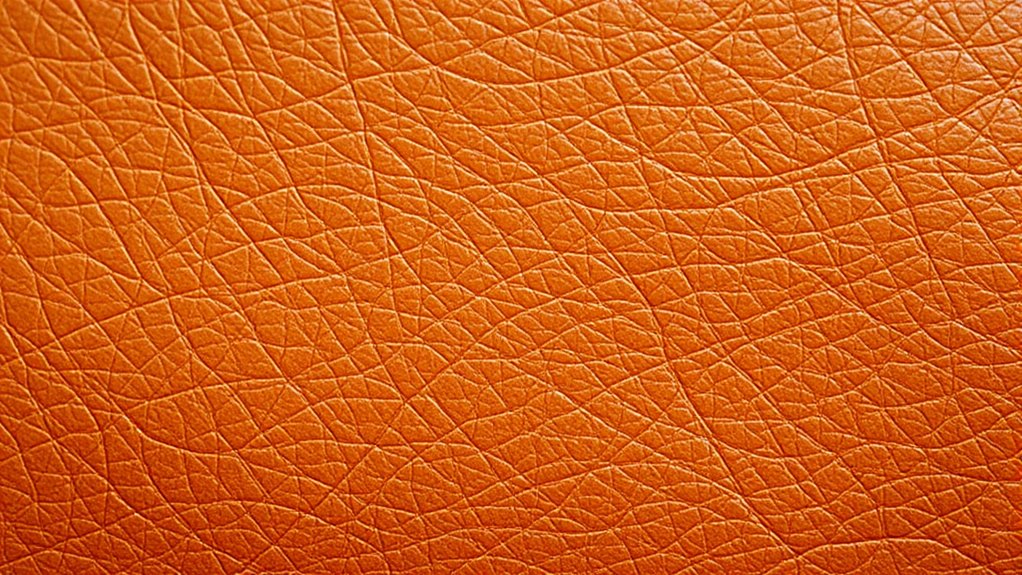
Full-grain leather is considered the highest quality among leather grades used for furniture. When you choose full-grain leather, you’re getting a material that offers a true luxury feel, thanks to its natural richness and durability. You’ll notice the natural markings—those imperfections and variations—that tell the story of the animal’s life. These markings aren’t flaws; they’re part of what makes each piece unique and authentic. Because full-grain leather retains the original surface layer, it develops a beautiful patina over time, enhancing its character. This type of leather is resistant to wear and aging beautifully, making it a premium choice for furniture that lasts for generations. If you want quality and natural beauty, full-grain leather is the ideal option.

VEVOR Fabric Cutter, 750W High-Speed Straight Knife Cloth Cutting Machine, 9.8" Alloy Steel Blade, Industrial Fabric Cutting Machine with Automatic Knife Sharpen, for Multilayer Fabric Leather Cloth
Powerful 750W Fabric Cutting: This industrial-grade corded electric fabric cutter features a 750W series-excited pure copper motor for...
As an affiliate, we earn on qualifying purchases.
Top-Grain Leather
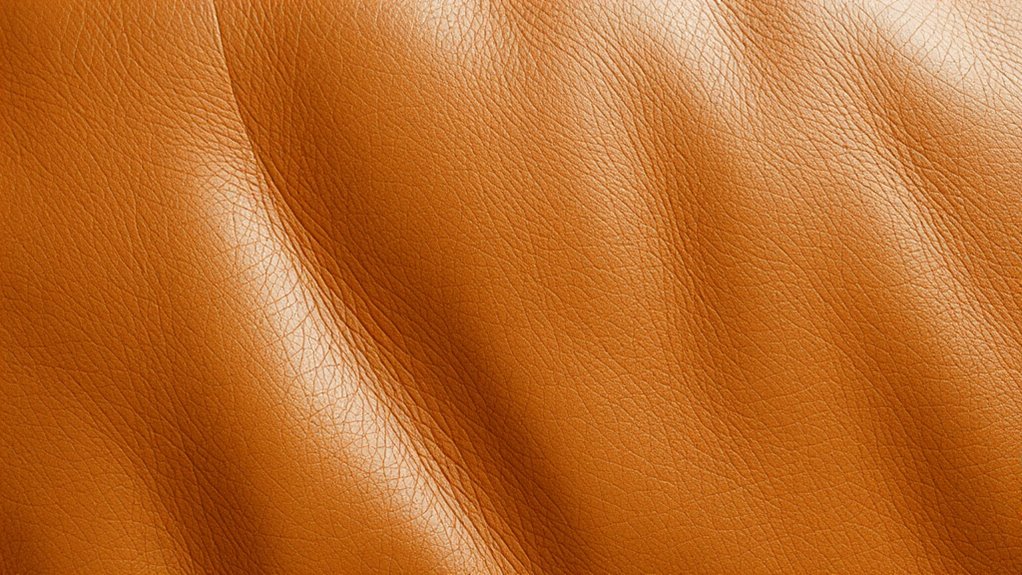
While top-grain leather is slightly below full-grain regarding natural authenticity, it remains a popular choice for high-quality furniture because of its balanced combination of durability and refined appearance. This leather is made by removing the top layer of the hide, which allows for a more uniform look while preserving much of the natural strength. When considering leather sourcing, top-grain leather often comes from animals raised responsibly, supporting eco-friendly production practices. Manufacturers can process this leather with environmentally conscious methods, reducing chemical use and waste. As a result, top-grain leather offers a great blend of resilience and elegance, making it ideal for furniture that lasts. Its smooth surface and refined finish appeal to those seeking sophisticated, yet sustainable, home decor options. Additionally, the production of top-grain leather can incorporate environmentally conscious methods, aligning with eco-friendly trends in material sourcing.

Electric Rotary Fabric Cutter, 100V Electric Cloth Cutting Machine, Octagonal Blade Cloth Cutter Electric Scissors with Automatic Sharpener, for Multi Layer Carpet Leather
[𝐈𝐧𝐝𝐮𝐬𝐭𝐫𝐢𝐚𝐥 𝐆𝐫𝐚𝐝𝐞 𝐅𝐚𝐛𝐫𝐢𝐜 𝐂𝐮𝐭𝐭𝐞𝐫] - The cutting thickness of the cloth cutter is up to 27mm, over 1...
As an affiliate, we earn on qualifying purchases.
Genuine Leather
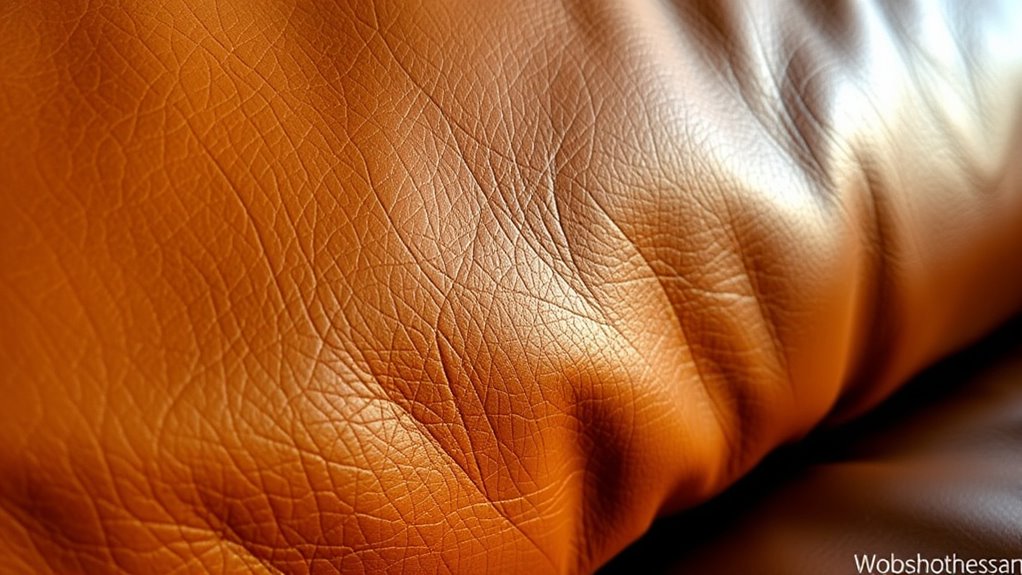
Genuine leather offers authentic material quality at a more affordable price, but it can have surface appearance variations. These differences may show up as scars, wrinkles, or color inconsistencies, giving each piece a unique look. Over time, genuine leather tends to develop a rich patina, becoming more durable and attractive as it ages. Additionally, the natural variations and aesthetic appeal of genuine leather can enhance the overall ambiance of your furniture.
Authentic Material Quality
Authentic leather, often called genuine leather, is derived from real animal hide and is widely appreciated for its durability and natural look. When examining this material, consider the leather sourcing process, as it impacts quality and sustainability. Reputable sources ensure the hides come from healthy animals and are processed responsibly. Eco-friendly tanning methods, which use plant-based or less harmful chemicals, further enhance the leather’s authenticity by reducing environmental impact. This approach not only supports sustainable practices but also results in a product that retains natural characteristics and durability. Genuine leather’s authenticity is rooted in its real origin and responsible manufacturing. By understanding leather sourcing and eco-friendly tanning, you can better evaluate the true material quality, ensuring your furniture is both authentic and environmentally conscious. Sustainable practices play a vital role in maintaining the integrity of authentic leather products.
Surface Appearance Variations
Since the quality of genuine leather depends heavily on how it’s sourced and processed, it’s also important to recognize how its surface appearance can vary. Tanning methods and color variations play significant roles in this. You might notice natural scars, wrinkles, or unique markings that make each piece one-of-a-kind. Different tanning techniques, like vegetable or chrome tanning, influence surface texture and glossiness. Color variations can include subtle shifts, uneven hues, or rich patinas that develop over time. These differences aren’t flaws—they’re part of the leather’s character. Understanding the tanning process can help you appreciate the unique traits of each piece. Imagine a piece with a slightly distressed look or a warm, uneven tone. These variations highlight its authenticity and craftsmanship, giving your furniture a distinctive, natural appeal that no synthetic material can replicate.
Durability and Aging
Because of its dense, natural fibers, genuine leather is inherently durable and resistant to wear, making it a popular choice for furniture that lasts for years. Over time, it develops unique aging characteristics that add to its charm, including subtle creases and a richer patina. These changes give your furniture a vintage appeal, often making it more attractive with age. Genuine leather’s ability to age gracefully means it can withstand daily use without losing its integrity, provided you care for it properly. Its durability ensures long-lasting comfort and resilience, while the aging process enhances its character. Proper maintenance can also prevent premature deterioration and help preserve its beauty over the years. With proper care, your leather furniture will not only endure but also gain personality, becoming a treasured centerpiece with a timeless appeal.

Accuquilt GO! 55100H Fabric Cutter Starter Set
Accuquilt go; Fabric cutter is a fast and precise fabric cutting system that allows quilters to cut fabrics...
As an affiliate, we earn on qualifying purchases.
Corrected Grain Leather
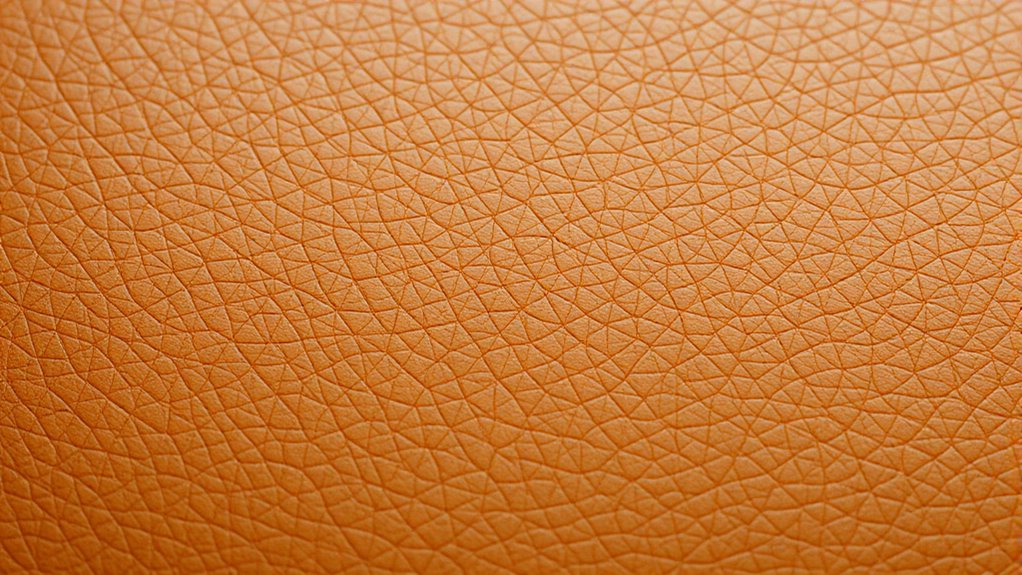
Have you ever wondered how certain leather surfaces look so flawless and uniform? That’s often thanks to corrected grain leather, which undergoes surface appearance enhancements to hide imperfections. This process involves sanding, buffing, and applying a new layer of finish, giving the leather a consistent look. You might notice:
- A smooth, uniform surface free from scars or blemishes
- A polished appearance that mimics higher-quality leather
- An even color tone across the entire piece
- The surface treatment is designed to create a refined look that appeals to many consumers.
Corrected grain leather is popular for furniture because it offers a refined look at a more affordable price. While it may lack some natural markings, the surface appearance enhancements guarantee your furniture maintains a sleek, uniform style that lasts.
Bonded Leather
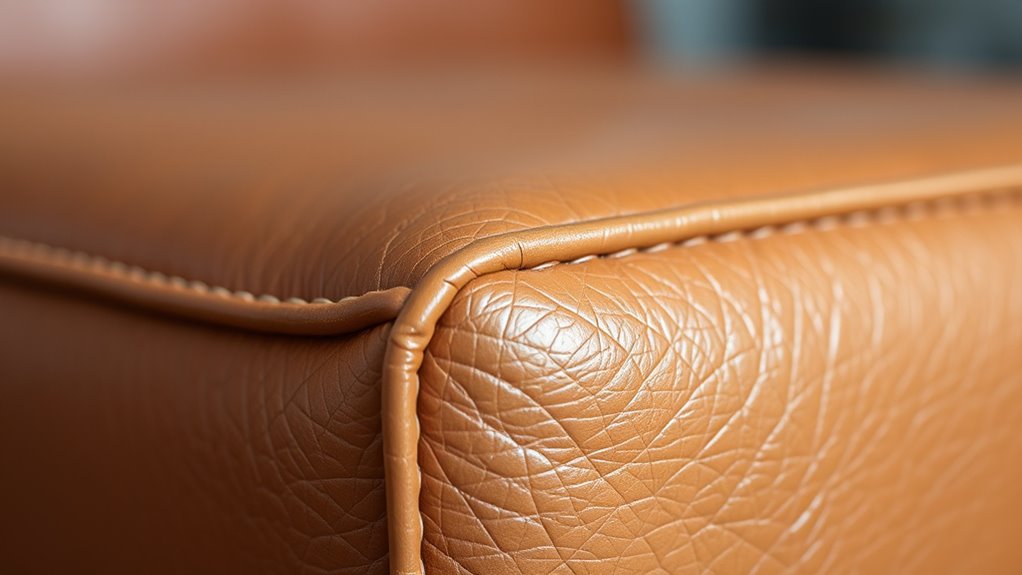
Bonded leather is made from leftover leather scraps bonded together with adhesives, resulting in a lower-quality material. While it’s more affordable, it often lacks the durability and natural look of genuine leather, and it requires careful maintenance. Consider how its composition impacts its longevity and whether it’s suitable for your furniture needs. Additionally, the leverage used in some manufacturing processes can influence the strength and flexibility of bonded leather products.
Composition and Quality
Though often considered a lower-tier leather option, bonded leather combines leftover leather fibers with adhesives to create a surface suitable for furniture. Its composition involves shredded leather scraps bonded with resin or polyurethane, resulting in a uniform appearance. This process emphasizes eco-friendly sourcing by utilizing scraps that might otherwise go to waste, reducing environmental impact. The manufacturing processes are efficient, but the quality varies depending on the proportion of genuine leather used. Bonded leather typically has a thin, flexible feel, with a surface that can mimic higher-quality leathers but lacks their durability. Visualize:
- A smooth, consistent surface that’s easy to clean
- Layers of shredded leather bonded tightly together
- A product that offers affordability and eco-conscious appeal
Durability and Maintenance
While bonded leather can offer an affordable and eco-friendly alternative to full-grain leather, it generally requires more careful maintenance to guarantee longevity. To keep it looking its best, follow simple cleaning tips: use a soft, damp cloth regularly and avoid harsh cleaners that can damage the surface. Bonded leather is more susceptible to scratches and fading, so protecting it from direct sunlight is essential. When it comes to color options, bonded leather often comes in a variety of shades, but keep in mind that color may fade over time if not properly maintained. Regular cleaning and avoiding excessive moisture will help preserve its appearance and durability. Additionally, understanding leather grades can help in choosing the right material for your furniture. With proper care, bonded leather can maintain its style and function for years.
Faux and Synthetic Leather
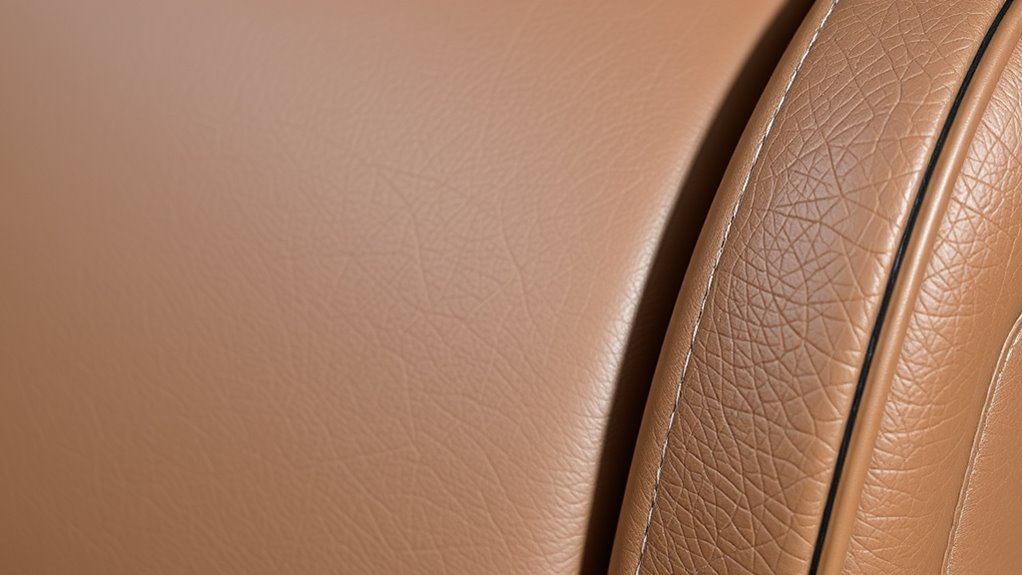
Faux and synthetic leather offer a budget-friendly and versatile alternative to genuine leather, making them popular choices for furniture. They are considered eco-friendly alternatives and cost-effective options, especially if you want stylish furniture without breaking the bank. Picture a sofa with a smooth, uniform surface that resists spills and stains, or a sleek armchair with a modern, shiny finish. Synthetic leather often mimics the look and feel of real leather but is easier to maintain. It’s perfect for busy households and those seeking affordable style. These materials are also available in a variety of colors and textures to match your decor. While they may not age like genuine leather, they provide a practical, attractive solution for your furniture needs. Synthetic leather can also be manufactured from recycled materials, further enhancing its eco-friendly appeal.
Frequently Asked Questions
How Long Does Each Leather Grade Typically Last With Proper Care?
With proper care, high-quality leather like full-grain can last 15-20 years, while top-grain leather often lasts 10-15 years. Correct maintenance slows the leather aging process and preserves durability. Lower-grade leathers, such as bonded or genuine, typically last 5-8 years. Your diligent cleaning and conditioning help extend your furniture’s lifespan, ensuring it ages gracefully and maintains its beauty over time.
Which Leather Grade Is Best for Allergy Sufferers?
Think of it like choosing a vintage typewriter—some are more refined and allergy-friendly. For allergy sufferers, top-grain leather is your best bet because it has fewer chemicals and allergens. It offers hypoallergenic properties and reduces leather allergy sensitivity risks. Full-grain leather might be less ideal due to its natural texture, but top-grain, with its smoother surface and fewer treatments, minimizes allergic reactions, making it the smart choice for sensitive noses and immune systems.
Can Lower-Grade Leathers Be Upgraded or Restored?
Yes, you can upgrade or restore lower-grade leathers through professional leather restoration. This process involves cleaning, conditioning, and applying protective finishes to improve appearance and durability. Upgrading leather can include adding a high-quality topcoat or dyeing to enhance color and texture. While it won’t make lower-grade leather the same as premium options, proper restoration can markedly improve its look and feel, extending the furniture’s lifespan.
How Do Leather Grades Affect the Resale Value of Furniture?
Imagine your furniture as an investment; higher leather grades are like premium stocks, boosting resale value. Leather grade pricing directly influences resale market trends—top-tier leathers command higher prices, attracting buyers. Lower-grade leathers may sell faster but often fetch less, impacting your resale return. Knowing how leather grades affect value helps you make smarter choices, ensuring your furniture retains its worth and appeals to future buyers.
Are There Eco-Friendly Options Within Each Leather Grade?
Yes, eco-friendly options exist within each leather grade. You can choose vegetable-tanned leather, which uses natural dyes and eco-friendly tanning methods, reducing chemical use. Look for brands that prioritize eco-friendly tanning processes, as they often specify this on their labels. Even high-grade leathers can be sustainably sourced, so ask about the tanning process and origin to guarantee you’re selecting a more environmentally conscious option for your furniture.
Conclusion
Choosing the right leather grade is like picking the perfect map for a journey—you want reliability and quality to guide you. I once thought genuine leather was enough, but after discovering full-grain’s durability, I felt like I had truly found my way. Remember, investing in higher grades means your furniture will age gracefully, just like a well-loved book. So, pick wisely, and your leather piece will tell a story for years to come.