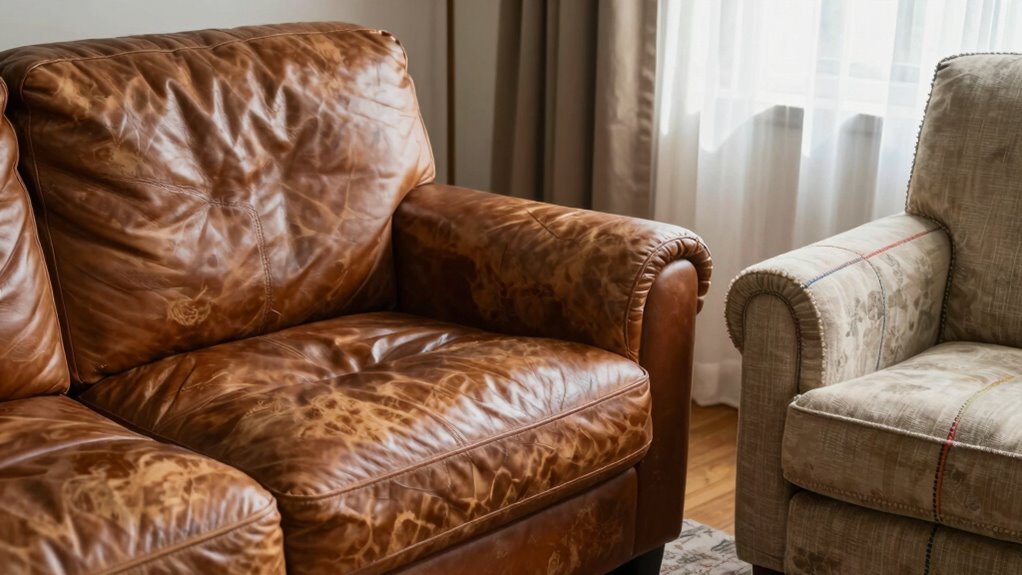

If you’re choosing between leather and fabric seating, leather often ages better in real homes because it develops a rich patina and wears gracefully over time, adding character. It’s durable and tends to last longer, especially if responsibly sourced. Fabric, while maintaining its appearance longer with quality and care, can stain or fade more easily. If you want to learn how each material ages and impacts long-term value, keep exploring the details.
Open a free Amazon Business account
Business pricing, bulk buying and tax-exempt orders.
As an affiliate, we earn on qualifying purchases.
Key Takeaways
- Leather develops a unique patina over time, enhancing character, while fabric maintains its appearance longer with proper care.
- Leather generally ages more gracefully and retains value longer due to its durability and natural aging process.
- High-quality fabric can age well if properly cared for, but it may show wear, stains, or fading more easily than leather.
- Responsibly sourced leather offers sustainable durability, whereas natural fiber fabrics are eco-friendly but may require more maintenance.
- Synthetic fabrics tend to age poorly and have a higher environmental impact compared to genuine leather and natural fibers.
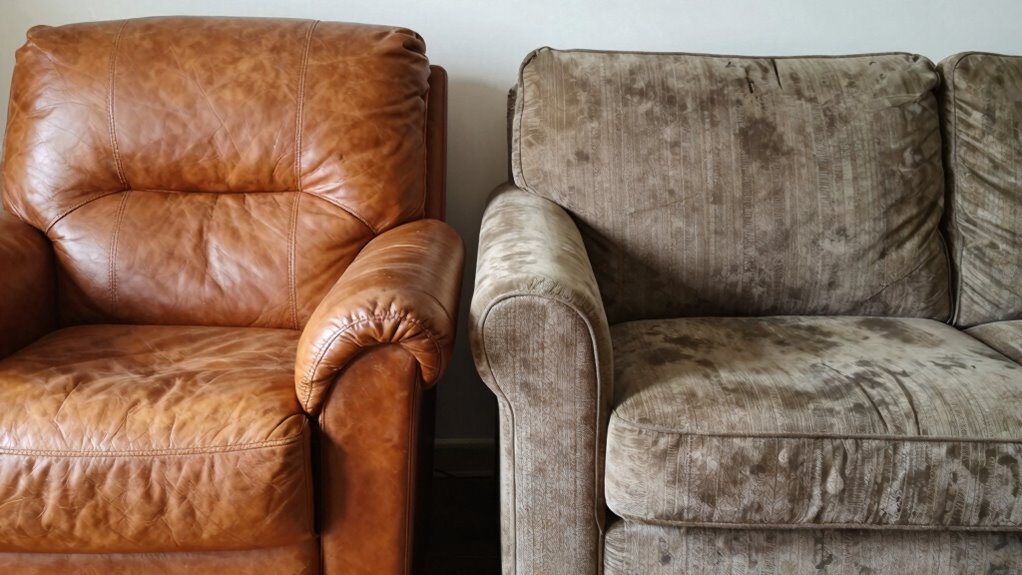
When choosing seating for your home or office, understanding the differences between leather and fabric is essential. Both materials have their unique qualities, but considering how they age over time can help you make the best choice for your space. Leather tends to develop a rich patina, which many find adds character, but it can also show scratches and wear more prominently. Fabric, on the other hand, often maintains its appearance longer if you opt for durable, high-quality options, though it may be more prone to staining or fading if not properly cared for. Knowing how each material ages can influence your decision, especially if you want furniture that looks good for years to come. Additionally, material aging plays a significant role in determining the long-term value and appearance of your furniture.
In terms of eco-friendly options, leather and fabric each have their environmental impacts. Genuine leather, especially when sourced responsibly, can be a sustainable choice because it’s a natural product that ages well and can last a long time, reducing the need for frequent replacement. Some manufacturers now offer eco-friendly leather options, such as vegetable-tanned leather, which uses fewer chemicals. Fabric, however, can be more environmentally friendly if you choose natural fibers like cotton, wool, or hemp, and look for brands committed to sustainable practices. Synthetic fabrics, while often more affordable and easier to clean, tend to have a larger environmental footprint due to their chemical production and difficulty in recycling. Additionally, the environmental impact of manufacturing processes for both materials plays a crucial role in choosing eco-friendly options. Your choice might lean toward eco-friendly options depending on your values and the specific products you select. Considering the longevity of each material can help minimize waste and promote sustainability over time.
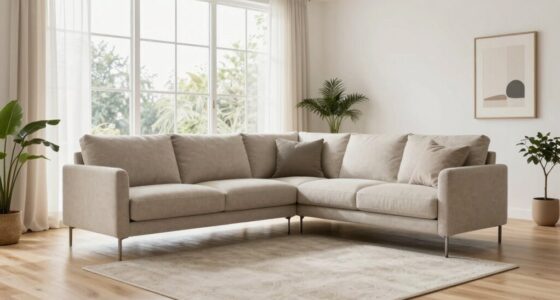
genuine leather sofa with patina
As an affiliate, we earn on qualifying purchases.
As an affiliate, we earn on qualifying purchases.
Frequently Asked Questions
Which Seating Material Is More Eco-Friendly?
You’ll find fabric seating often more eco-friendly because many are made from sustainable materials like organic cotton, hemp, or recycled fibers. Leather, especially traditional types, involves intensive tanning processes that can harm the environment. However, eco-conscious options like vegetable-tanned leather do exist. Overall, fabric offers better recycling potential, making it a more sustainable choice if reducing environmental impact is your goal.
How Do Cleaning Costs Compare Over Time?
Over time, cleaning costs for leather are generally lower because it requires less frequent cleaning and simple stain treatment, often just wiping with a damp cloth. Fabric seats typically need more frequent cleaning and special stain treatments to maintain their look, which increases costs. You’ll spend less on cleaning supplies and professional services with leather, making it a more budget-friendly choice for ongoing maintenance.
Which Option Offers Better Allergy Resistance?
Are allergy triggers lurking unseen on your furniture? Leather offers better allergy resistance because it’s less prone to dust accumulation and doesn’t harbor pet dander or pollen as much as fabric. With smooth surfaces, cleaning is easier, reducing allergens that can worsen allergy symptoms. So, if you want a healthier home environment, leather seating might be your best bet for minimizing allergy triggers and keeping your space allergen-free.
Can Fabric or Leather Upholstery Be Repaired Easily?
Yes, both fabric and leather upholstery can be repaired, but ease depends on the material and damage. Leather often requires specific repair kits and skilled artisans, making repairs more seamless with proper care. Fabric may be easier to patch or reupholster, especially with customizable options for color and texture. Your choice impacts upholstery durability and how easily you can customize repairs, helping your furniture stay beautiful longer.
How Do Seating Options Perform in High Humidity Environments?
In high humidity environments, fabric seating tends to absorb moisture, leading to mold and mildew growth, while leather resists humidity better due to its natural oils. Notably, leather’s material durability is tested more in humid climates, but it generally withstands humidity longer if properly maintained. To keep seating in top shape, clean and condition leather regularly, and use dehumidifiers to minimize humidity effects on all furniture.
Conclusion
When choosing between leather and fabric seating, consider your lifestyle and how much wear and tear your furniture will endure. Leather ages gracefully with proper care, developing a rich patina that adds character—think of it as “a good name is better than riches.” Fabric offers comfort and variety but may require more upkeep. Ultimately, pick what suits your home and habits best, because “home is where the heart is,” and your furniture should reflect that.
NFL season / tailgating Picks
team gear
As an affiliate, we earn on qualifying purchases.