
TL;DR
Choosing a mattress for sleeping hot means weighing how it manages heat alongside comfort, support and firmness. The source report distinguishes passive cooling materials from active temperature-control systems, but provides no independent test results or evidence that one approach works best for everyone.
A Digital Trends report outlines how hot sleepers can compare mattresses by their cooling method, materials, firmness and temperature controls. The report, identified as a paid partnership with Sleep Number, describes passive designs that aim to let heat escape and active systems that directly manage the sleeping surface; it does not establish which type performs best for all sleepers.

Get furniture and decor delivered free with Prime
- Fast, free delivery on millions of items
- Prime Video, Amazon Music and more included
- Member-only deals all year
The report recommends first identifying when heat becomes uncomfortable: soon after getting into bed, or later in the night. That distinction may help shoppers decide whether breathable construction is enough or whether they want a system that lets them adjust the sleeping temperature. These are selection considerations, not a guarantee that a particular mattress will prevent waking.
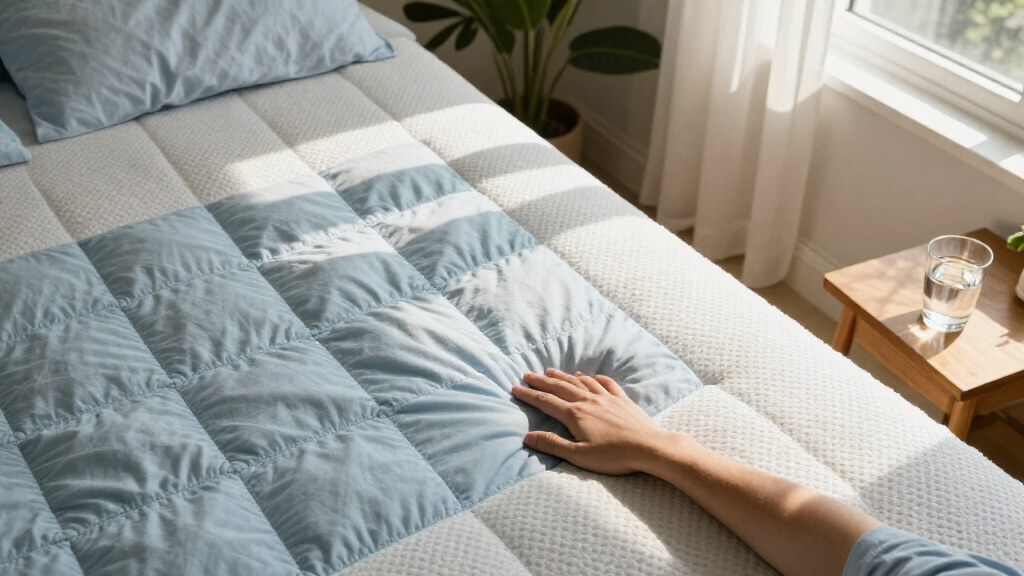
Passive cooling can involve breathable covers, ventilated foam or coil systems, latex, and phase-change materials intended to absorb and release heat as temperatures fluctuate. Active cooling uses technology to manage the sleep surface more directly; the report says designs may circulate air or use other temperature-management technology. It does not provide comparative test results for these approaches.
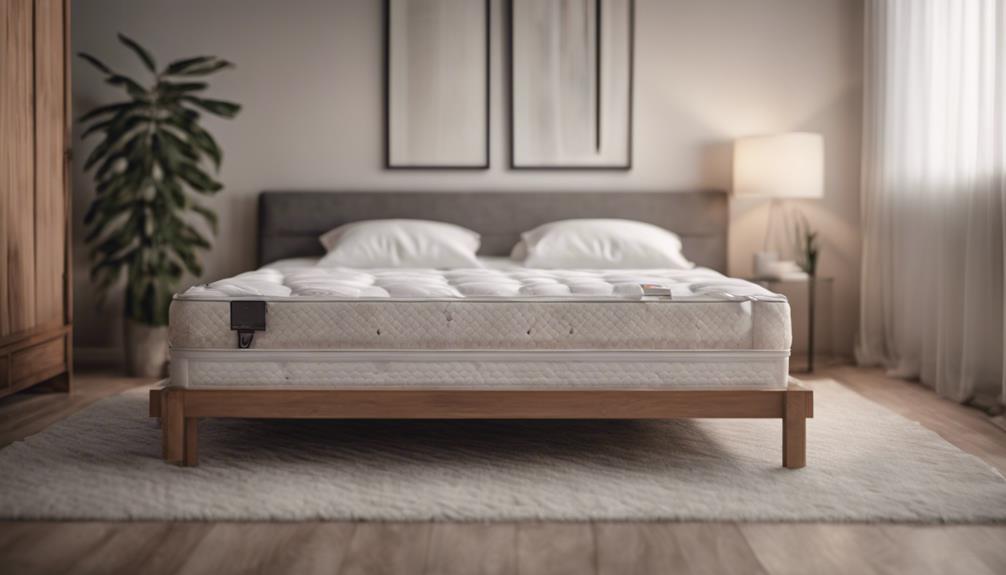
Construction also affects the feel of a bed. Traditional memory foam contours closely and can provide pressure relief, but some designs may retain heat. Covers, gel-infused materials and ventilation are among features used to address that concern. Hybrid mattresses combine foam or latex with coils, whose open spaces may allow airflow. Latex is described as responsive and potentially appealing to people who prefer less sinking.
Balancing Cooling With Comfort
For people who regularly wake up hot, cooling claims are only one part of a mattress decision. A bed also needs to suit a sleeper’s position, pressure-relief needs and preferred support. A mattress that feels cooler but does not cushion the shoulders and hips appropriately, or support the midsection, may not be a comfortable choice.
Firmness can shape how much a sleeper sinks into the surface. The report says softer beds generally allow more sinking, which may cushion side sleepers but could feel warmer to some. A firmer surface may suit people who prefer to sleep closer to the top. These are general tendencies, not rules: the report says no single firmness level suits everyone.
Temperature preferences can also differ between partners. A mattress with independent temperature settings may give each person more control than a surface that applies the same cooling approach across the whole bed. The same issue can arise with firmness, making separately adjustable comfort relevant to some couples.
Products Worth Considering

Google Nest Thermostat (Fog)

Philips Hue Festavia 130-Foot Indoor/Outdoor Smart String Lights, 500 LEDs

LEVOIT Vital 200S-P Smart Air Purifier for Large Rooms, White
As an affiliate, we earn on qualifying purchases.
Cooling Methods and Mattress Design
The report frames cooling as a range of design approaches rather than one standard feature. Passive materials aim to limit heat buildup or help it escape; active systems aim to regulate the surface through technology. The supplied material does not define a shared performance standard for the term “cooling mattress,” so product descriptions may refer to different features.
It also identifies Sleep Number ClimateCool, part of the company’s Climate collection, as a product using active temperature control alongside personalized comfort. The source says firmness and temperature can be adjusted separately. Because the report was published in paid partnership with Sleep Number, its product description should be read as partner material rather than independent product testing.
Performance Evidence and Product Details
The supplied report provides no independent measurements or side-by-side testing showing how much different mattresses lower sleeping-surface temperatures, or whether active cooling works better than passive features. It also does not give a specific temperature range, operating cost, noise level or long-term reliability information for the ClimateCool system.
The source text ends mid-sentence after saying firmness and temperature can be adjusted separately. It does not supply full product specifications, pricing, warranty terms, availability or the details of how the cooling system operates. Individual results may also vary with room temperature, bedding, sleepwear and personal preference; the report does not quantify those effects.
What Shoppers Should Compare
The report offers no announced testing or follow-up milestone. For shoppers, the next step is to compare the specific features and terms of mattresses under consideration: cooling method, materials, firmness options and control settings. Couples may want to check whether each side can be adjusted separately, and all shoppers should look for clear product information on returns and trial periods before buying.
Where possible, assess a mattress’s comfort in a way that reflects usual sleeping position and bedding. Treat descriptions of cooling as claims about design unless a seller provides clear testing details. The report does not establish that any feature will solve persistent overheating, which can have causes beyond mattress construction.
Key Questions
What is the difference between passive and active mattress cooling?
Passive cooling uses materials or construction—such as breathable covers, latex, phase-change materials or ventilated coils—to help manage heat. Active cooling uses technology to regulate the sleeping surface more directly. The source does not provide test results proving one approach is better for everyone.
Does memory foam make a mattress hotter?
Some memory foam designs can retain heat because they contour closely around the body. The report says cooling covers, gel-infused materials and ventilation may address heat buildup, but it does not compare particular products or quantify their effects.
What mattress firmness should a hot sleeper choose?
There is no firmness level recommended for every hot sleeper. The report says softer mattresses can cushion side sleepers’ shoulders and hips, while firmer models may suit people who prefer less sinking. Support and pressure relief still need to fit the individual.
Can partners set different temperatures on a shared mattress?
Some active cooling mattresses offer independent temperature settings for each side. The source describes this as an option, not a feature of all cooling mattresses; shoppers should verify the controls available on the specific model.
Source: digitaltrends.com