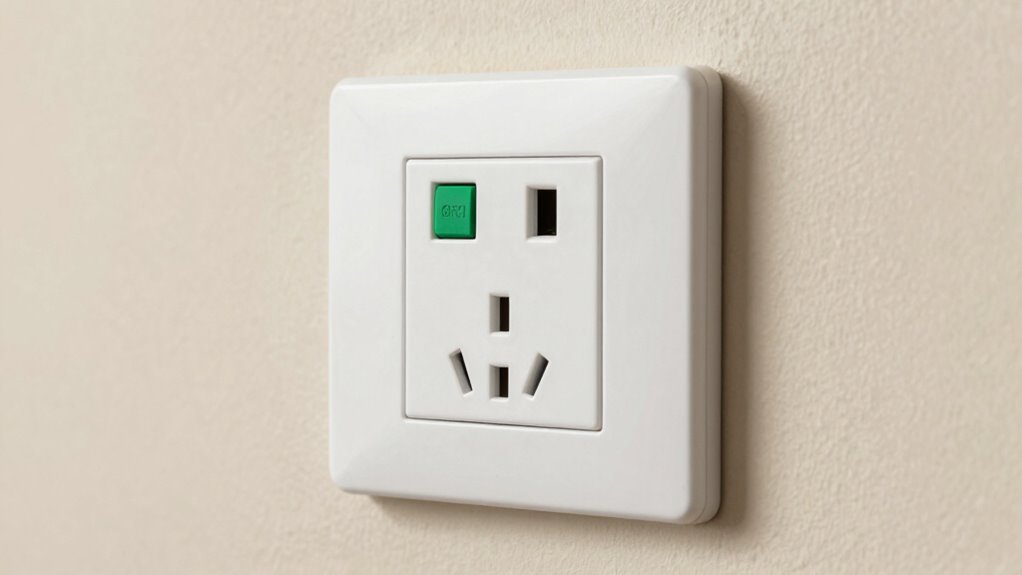

Regularly pressing the test button on your GFCI outlets is key to preventing electrical surprises. This simple habit ensures the outlet detects faults and trips correctly, keeping you safe from shocks, especially in water-prone areas. If it doesn’t trip or reset properly, it might need replacement. Developing this routine helps catch issues early before they turn into hazards. Keep going for expert tips on how to test and maintain your GFCIs effectively.
Key Takeaways
- Regularly pressing the test button verifies the GFCI’s ability to detect faults and trip safely.
- Consistently resetting the outlet after testing ensures it is ready to protect against electrical shocks.
- Incorporating monthly test routines helps identify potential malfunctions early, preventing unexpected electrical hazards.
- Proper testing confirms the GFCI’s functionality before hazards occur, reducing the risk of shocks or fires.
- Following correct test and reset procedures maintains ongoing electrical safety and peace of mind in your home.

Klein Tools RT250 GFCI Outlet Tester with LCD Display, Electric Voltage Tester for Standard 3-Wire 120V Electrical Receptacles
CLEAR LCD READOUT: GFCI Receptacle Tester features a large backlit LCD readout for easy voltage reading and clear…
As an affiliate, we earn on qualifying purchases.
As an affiliate, we earn on qualifying purchases.
What Is a GFCI Outlet and Why Is It Important?
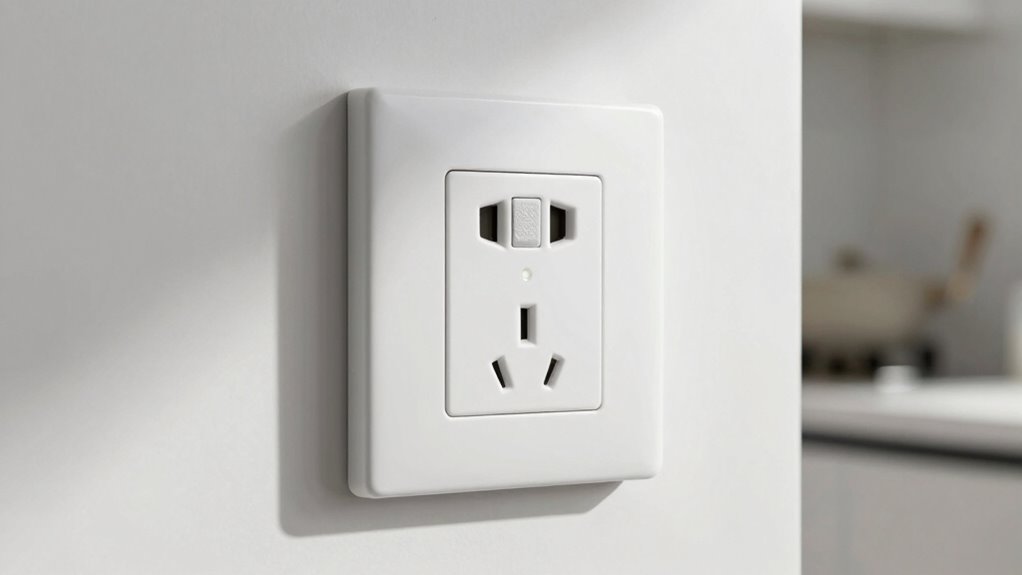
Have you ever wondered what makes a GFCI outlet different from a regular one? It’s designed to protect you from ground faults, which happen when electrical current escapes its intended path and flows directly to the ground. This can happen if a wire becomes damaged or if you accidentally touch a live wire. A GFCI outlet detects these imbalances and quickly shuts off power, reducing the risk of electrical shock. This feature makes it essential for areas where water is present, like kitchens and bathrooms, where electrical safety is a top priority. Understanding ground faults is crucial for appreciating how GFCI outlets enhance home safety. By preventing dangerous ground faults, GFCIs help keep you safe from electrical shocks and fire hazards, making them a crucial part of modern electrical safety systems in your home.

ELEGRP GFCI Outlet 15 Amp, Self-Test GFI Electrical Outlet with Thinner Design, TR Tamper Resistant GFCI Receptacle, Ground Fault Circuit Interrupters with Wall Plate, UL Listed, Matte White, 1 Pack
✅【Innovative Dual Protection System】Features twin solenoid and double silicon controlled rectifier (SCR), ensuring an always-on GFCI protection to…
As an affiliate, we earn on qualifying purchases.
As an affiliate, we earn on qualifying purchases.
Why Regular GFCI Testing Is Essential for Home Safety
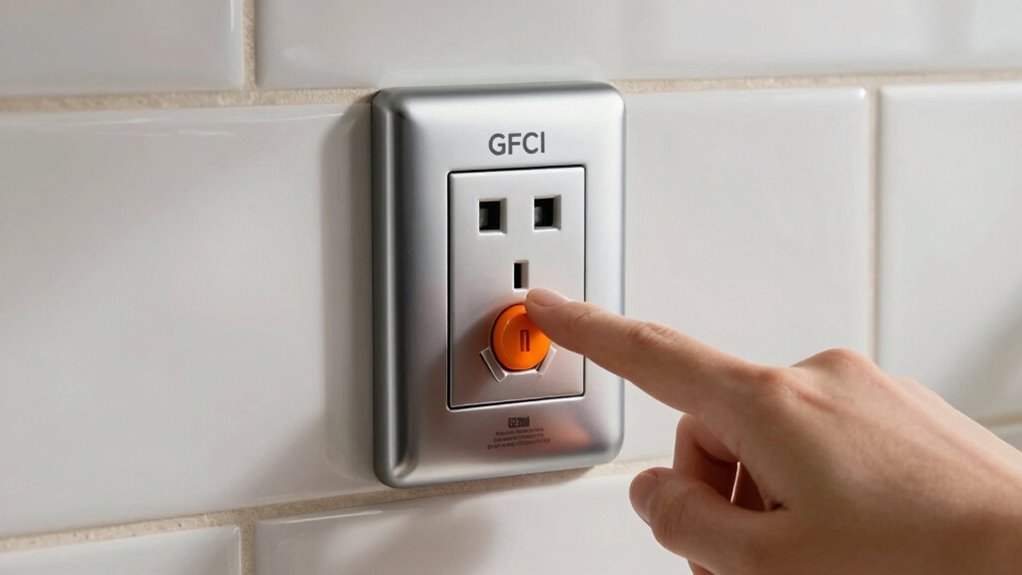
Regularly testing your GFCI outlets is a simple but essential step in maintaining home safety. This practice ensures your outlets function properly, providing reliable electrical safety and protecting you from shocks and electrical fires. GFCIs are designed to detect ground faults quickly, but they can become less effective over time if not tested regularly. By making testing a habit, you catch potential issues early, preventing dangerous situations. Outlet maintenance isn’t just about replacing worn-out devices; it’s about confirming your safety measures are working as intended. Regular testing helps ensure electrical safety and reinforces the importance of electrical safety in your home and helps you avoid surprises that could lead to injury or property damage. Additionally, understanding the importance of testing your GFCI outlets can empower you to take proactive safety measures. Remember, a small effort can save you from significant hazards down the line.
ELEGRP GFCI Outlet 15 Amp, Self-Test GFI Electrical Outlet with Thinner Design, TR Tamper Resistant GFCI Receptacle, Ground Fault Circuit Interrupters with Wall Plate, UL Listed, Matte White, 1 Pack
✅【Innovative Dual Protection System】Features twin solenoid and double silicon controlled rectifier (SCR), ensuring an always-on GFCI protection to…
As an affiliate, we earn on qualifying purchases.
As an affiliate, we earn on qualifying purchases.
How to Test Your GFCI Outlets Correctly and Safely
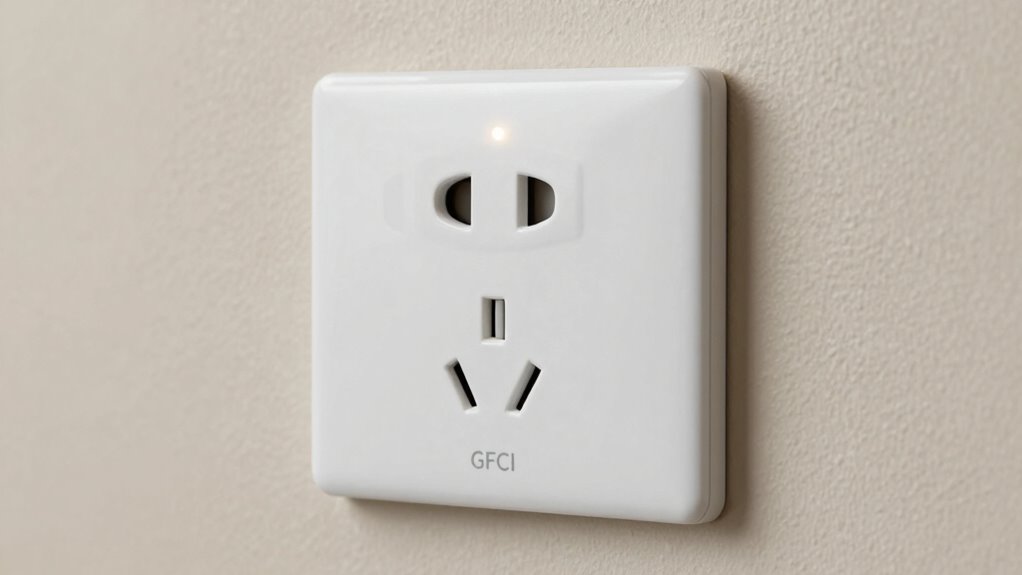
Before testing your GFCI outlets, make sure you have the right tools, like a tester or a multimeter. Follow the proper steps to guarantee safety and accurate results, starting with pressing the test button. Always double-check that the outlet trips and resets correctly to confirm it’s working properly. Understanding ground-fault circuit interrupters can help you recognize their importance in protecting against electrical shocks. Knowing how user privacy is maintained during testing procedures ensures your personal information remains secure.
Prepare Your Testing Tools
To guarantee accurate and safe testing of your GFCI outlets, start by gathering the right tools. You’ll need reliable testing equipment to verify the outlet’s function and safety gear like gloves and safety glasses to protect yourself. Proper tools ensure precise readings and minimize risks during testing. Use the table below to understand the importance of each tool:
| Testing Equipment | Safety Gear | Purpose |
|---|---|---|
| GFCI tester | Insulated gloves | Detecting GFCI faults |
| Multimeter | Safety glasses | Verifying voltage |
| Outlet tester | None | Confirming proper wiring |
Having the right tools ready helps you test confidently and safely, preventing surprises and ensuring your electrical safety.
Follow Proper Testing Procedures
When testing your GFCI outlets, it’s essential to follow a clear and methodical procedure to guarantee safety and accuracy. Proper testing guarantees the device detects ground faults and protects you from electrical shocks. First, press the test button to simulate a ground fault. If the GFCI trips and cuts power, it’s working correctly. Then, press the reset button to restore power. Always verify that the outlet powers your device again. Be cautious to avoid touching any live parts during testing. Remember, safety depends on consistent, correct testing practices. Regular testing keeps your electrical safety intact and prevents surprises. To help you test properly, follow these steps:
- Use a reliable tester to confirm ground fault detection
- Disconnect devices before testing
- Test in dry conditions for safety
- Check the reset button functions correctly
- Schedule routine checks for ongoing protection
- Understand the importance of waterproof outlets in damp or outdoor environments to prevent malfunctions and enhance safety. Additionally, ensuring proper GFCI maintenance can extend the lifespan and effectiveness of your outlets. Regularly inspecting your outlets for signs of wear or corrosion is also a key part of electrical safety maintenance. For optimal performance, consider verifying that your outlets are compliant with safety standards.

Klein Tools 69149P Electrical Test Kit with Digital Multimeter, Non-Contact Voltage Tester and Electrical Outlet Tester, Leads and Batteries
VERSATILE MULTIMETER: Measures up to 600V AC/DC voltage, 10A DC current, and 2MOhms resistance
As an affiliate, we earn on qualifying purchases.
As an affiliate, we earn on qualifying purchases.
Common Mistakes to Avoid When Testing GFCIs
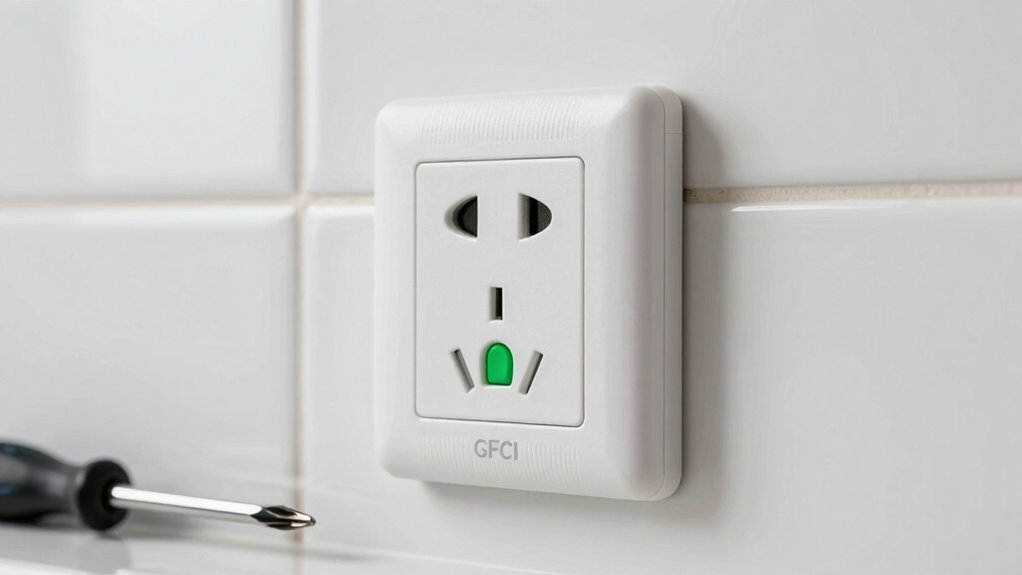
Many people forget to test their GFCIs regularly, which can leave you unaware of potential hazards. Ignoring the reset function after testing can make you think the outlet is safe when it might not be. To stay protected, always perform regular tests and guarantee the GFCI properly resets every time. Additionally, understanding how nanotechnology influences safety measures can help in designing more reliable electrical systems. Incorporating smart safety features can further enhance protection by providing real-time monitoring and alerts for electrical faults. Staying informed about electrical safety innovations can also help prevent unexpected hazards in your home. Being aware of vetted wave and wind considerations in electrical safety can contribute to more resilient home systems. Regularly reviewing electrical code updates ensures your safety practices keep pace with the latest standards.
Overlooking Regular Testing
Failing to test your GFCI outlets regularly is one of the most common mistakes homeowners make. Skipping routine tests can leave you vulnerable to shocks, especially at outdoor outlets or during kitchen safety checks. Regular testing ensures the GFCI functions properly and protects you and your family. To maintain optimal safety, it’s important to understand ground fault circuit interrupter mechanisms and their proper testing procedures. Be sure to avoid these pitfalls: – Forgetting to press the test button monthly – Ignoring outdoor outlets during seasonal checks – Overlooking kitchen GFCIs when cleaning or renovating – Relying solely on visual inspection without testing – Assuming GFCIs last forever without periodic testing. Consistent testing keeps your outlets safe and prevents surprises, particularly in areas prone to moisture or frequent use. Environmental factors like moisture and debris can affect GFCI performance, so understanding outdoor outlet maintenance is essential for safety. Regularly testing GFCIs can also help identify issues caused by moisture exposure, which can compromise their functionality. Additionally, being aware of GFCI lifespan can help you plan for timely replacements. Proper testing techniques are crucial to ensure your safety devices are functioning correctly. Make testing part of your regular safety routine for peace of mind.
Ignoring Reset Functionality
Ignoring reset button after testing your GFCI can give you a false sense of security. Many people experience reset button confusion, thinking that pressing it is optional or unnecessary. However, skipping this step means you might not fully restore the outlet’s safety features, leaving you vulnerable to shocks or electrical faults. Always press the reset button firmly until it clicks, ensuring the GFCI is properly reset. Ignoring safety features like the reset function defeats the purpose of testing, since the outlet may not trip properly if a fault occurs. This oversight can cause you to assume your GFCI works when it might not. To stay protected, always verify that the reset button is fully engaged after testing, preventing potential surprises or dangerous situations. Additionally, understanding the test and reset functions helps ensure the device is functioning correctly and safely. Properly resetting your GFCI also helps maintain its fault detection capability, which is essential for safety. Being aware of common mistakes can further improve your safety practices when handling GFCI outlets.
Signs Your GFCI Outlet Needs Replacing
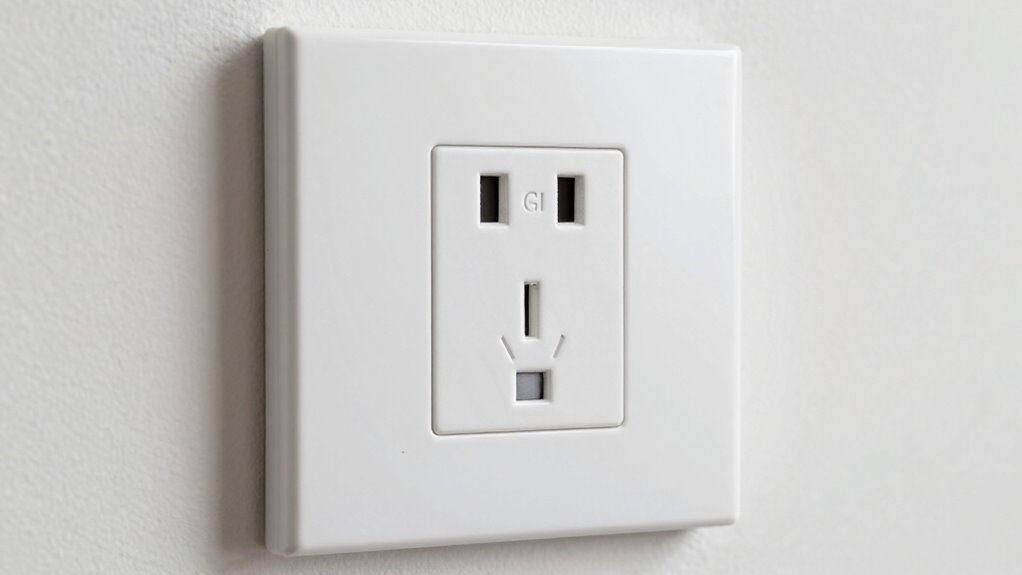
If your GFCI outlet starts to malfunction, you’ll notice certain signs indicating it’s time for a replacement. A failing outlet may show decreased outlet durability, making it unreliable during critical moments. You might also experience frequent trips or failure to reset properly, indicating wiring compatibility issues. Visible damage like burns, cracks, or discoloration suggests it’s compromised. If the outlet feels warm or hot to touch, that’s a red flag. Additionally, if the test and reset buttons become unresponsive or stick, it’s a clear sign it needs replacing. These signs often point to internal wear or faulty wiring connections, risking safety and performance. Recognizing these indicators helps ensure your electrical system remains safe and effective. Regular safety checks can help catch issues early before they become emergencies. Understanding GFCI operation and maintenance can extend the lifespan of your outlets and enhance home safety. Being aware of connected equipment performance can also help identify underlying electrical problems.
How Often Should You Test and Maintain Your GFCI Outlets?
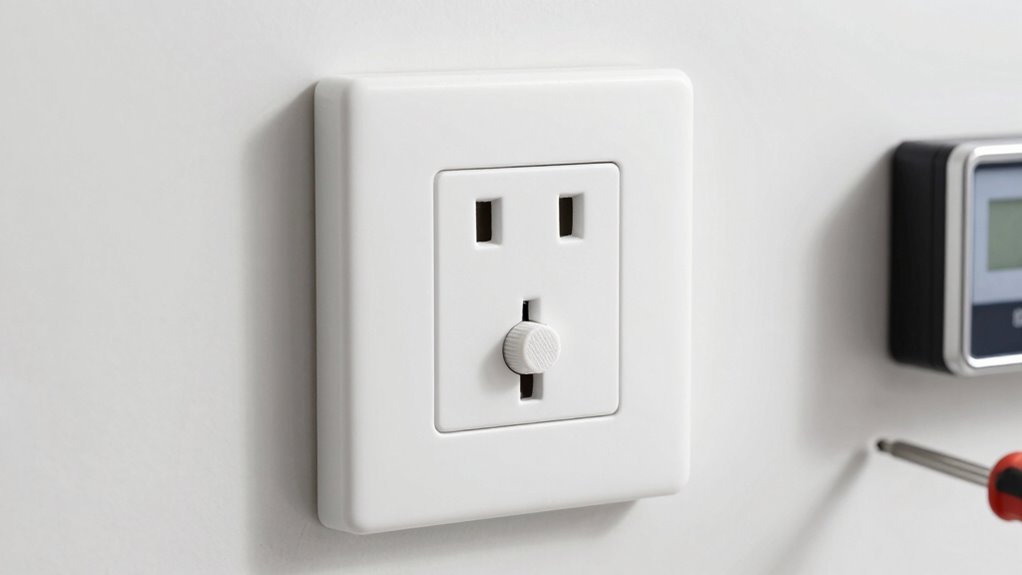
To keep your GFCI outlets functioning properly and guarantee electrical safety, regular testing and maintenance are essential. You should test your GFCI outlets at least once a month by pressing the test button, which simulates a ground fault. If the outlet doesn’t trip or reset properly, it may need replacing. Additionally, inspect the outlet for any signs of damage, wear, or corrosion. Regular maintenance ensures that the GFCI can quickly disconnect power during a ground fault, preventing electrical shocks. Remember, ground faults can occur unexpectedly, so staying vigilant with testing helps protect you and your loved ones. Incorporate these habits into your routine to ensure your GFCI outlets operate reliably and maintain ideal electrical safety in your home.
Troubleshooting GFCIs That Keep Tripping or Won’t Reset
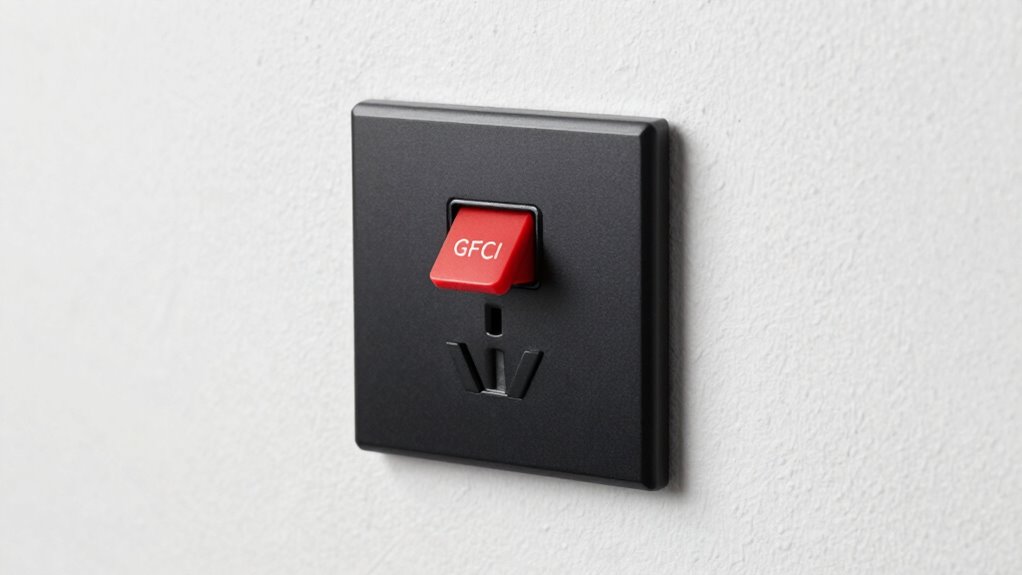
When your GFCI keeps tripping or refuses to reset, it often signals a problem that needs immediate attention. It’s essential to prioritize electrical safety and troubleshoot the outlet properly. First, unplug all devices connected to the GFCI. Then, press the reset button firmly, ensuring it clicks into place. If it still won’t reset, check for moisture or debris around the outlet. Inspect for damaged wires or signs of wear. Consider testing the GFCI with a circuit tester to confirm it’s functioning correctly. If the outlet continues to trip, it might be overloaded or have a ground fault. In such cases, replacing the GFCI or consulting a professional electrician is the safest move. Proper outlet troubleshooting ensures your safety and prevents future electrical hazards.
Tips to Keep Your GFCI Outlets Working Properly for Years
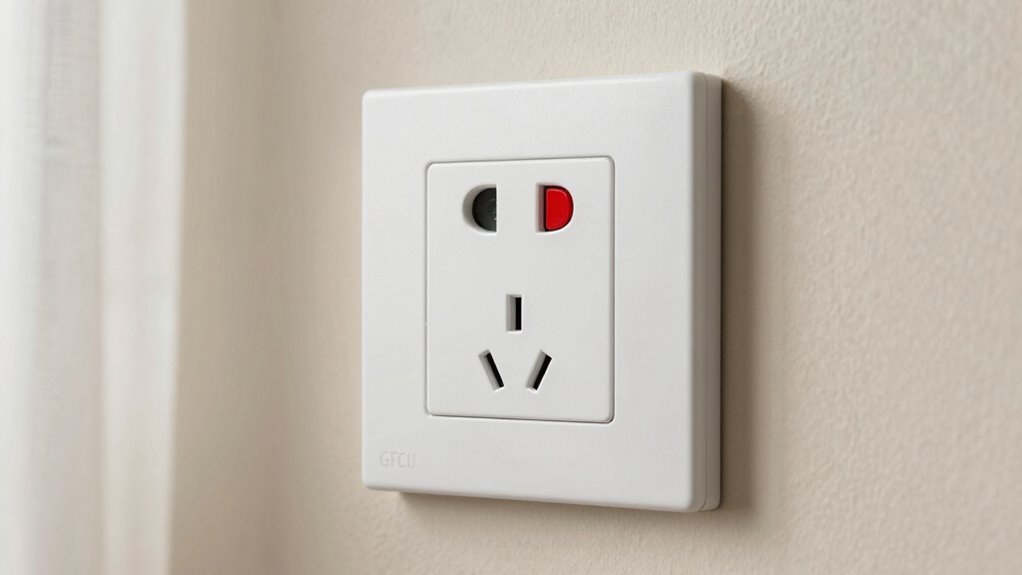
Regular maintenance and mindful usage are key to keeping your GFCI outlets functioning reliably for years. To guarantee electrical safety, periodically test your outlets using the built-in test button, even if nothing seems wrong. Keep the surrounding area clean and dry to prevent dust or moisture build-up, which can compromise outlet performance. Avoid overloading the circuit, as excessive devices can strain the GFCI’s protection. Check for signs of wear or damage, like cracks or loose connections, and address issues promptly. If an outlet trips frequently or doesn’t reset easily, it’s a sign to review your outlet maintenance routine. Staying attentive to these tips helps prevent surprises and extends the lifespan of your GFCI outlets, ensuring ongoing electrical safety in your home.
When to Call a Professional for GFCI Testing or Replacement
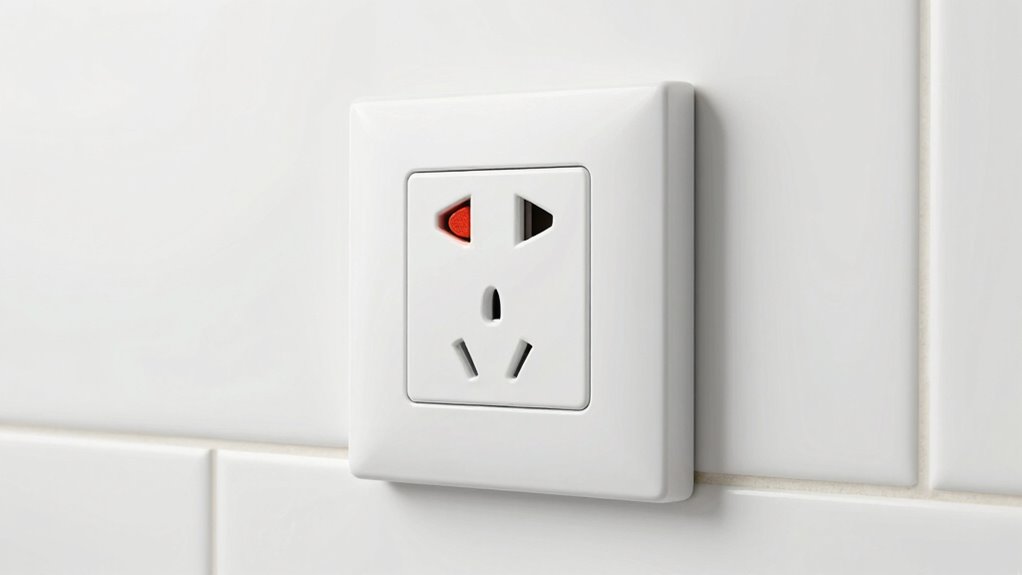
While maintaining your GFCI outlets is important, there are times when it’s best to seek professional help. If you notice persistent tripping, difficulty resetting outlets, or inconsistent test button responses, it’s a sign to call an electrician. Issues with electrical wiring behind the outlet or improper outlet placement can compromise safety and require expert diagnosis. Additionally, if your GFCI outlets are old or damaged, replacement should be handled by a professional to ensure proper installation and code compliance. Don’t attempt complex repairs if you’re unsure. Trust a professional when:
- GFCI repeatedly trips without cause
- Outlet shows signs of damage or corrosion
- You suspect wiring issues behind the outlet
- You’re unsure about outlet placement safety
- It’s time for a full upgrade or rewiring project
Frequently Asked Questions
How Does a GFCI Outlet Detect Ground Faults?
A GFCI outlet detects ground faults through its safety mechanism by monitoring the electrical current flowing through the hot and neutral wires. If it senses even a tiny imbalance—like current leaking to the ground—it quickly trips, shutting off power. This rapid ground fault detection helps prevent electrical shocks and fires, keeping you safe. Regular testing guarantees the safety mechanism operates correctly, offering reliable protection whenever you need it.
Can GFCI Outlets Be Reset Multiple Times?
Your GFCI outlet can be reset as many times as needed, like a superhero ready for action. It uses ground fault detection to identify leaks and trip to protect you. Reset frequency isn’t limited, but if it keeps tripping, it signals an issue. Continuous resets might indicate wiring problems or faulty devices. Always address underlying problems instead of just resetting repeatedly to guarantee safety and proper function.
Are GFCI Outlets Safe for Outdoor Use?
Yes, GFCI outlets are safe for outdoor use because they feature ground fault detection, which quickly cuts power if a leak is detected, preventing shocks. Their built-in safety features make them ideal for outdoor environments where moisture and water exposure are common. Always make sure you install weather-resistant GFCI outlets and test them regularly to maintain their safety and proper functioning, keeping you protected from electrical hazards outdoors.
How Do Weather Conditions Affect GFCI Performance?
Weather impacts GFCI performance mainly through moisture influence. Excessive humidity, rain, or snow can cause moisture to reach the outlet, potentially triggering false trips or reducing effectiveness. To guarantee safety, you should install GFCIs in weatherproof enclosures and regularly test them, especially after severe weather. Keep an eye on outdoor outlets during storms and dry them if you notice moisture, maintaining reliable protection against electrical shocks.
Do GFCI Outlets Require Any Special Wiring?
Imagine a lush garden with well-placed plants—your GFCI outlet needs proper grounding and strategic outlet placement. You don’t need special wiring, but ground wiring is essential for safety. Make certain the outlet is wired correctly, with a dedicated ground wire connected securely. Proper wiring and placement protect you from shocks and ensure the GFCI functions reliably, especially in moisture-prone areas. Always follow electrical codes for safe installation.
Conclusion
Regularly testing your GFCI outlets can prevent nearly 80% of electrical shocks. By making it a habit to press the test button monthly, you’re safeguarding your home and loved ones from surprises. Don’t ignore signs of wear or frequent trips—these are clues to act now. Staying proactive with GFCI maintenance keeps your outlets working properly for years, ensuring safety is always within reach. After all, a quick test can save you from a shocking surprise.