
TL;DR

Get furniture and decor delivered free with Prime
- Fast, free delivery on millions of items
- Prime Video, Amazon Music and more included
- Member-only deals all year
Lowe’s has initiated a drone delivery pilot to explore faster home delivery options. The program aims to improve logistics and customer experience, but details remain limited.
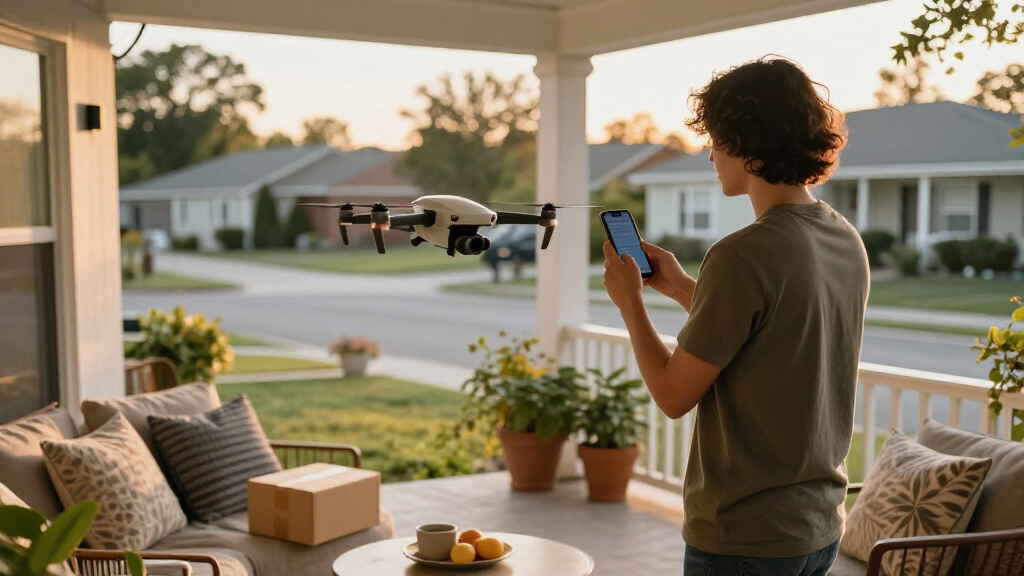
Lowe’s has launched a drone delivery pilot to test the feasibility of using unmanned aerial vehicles for home deliveries. The move aims to enhance logistics efficiency and customer service, though the company has not disclosed detailed operational information. This development signals a potential shift in retail delivery strategies, making it a noteworthy step in the evolving landscape of last-mile logistics.
The pilot program was officially announced by Lowe’s in March 2024, with initial testing reportedly taking place in select markets. While the company has not provided comprehensive details about the scope or scale of the project, sources close to the initiative indicate that the drones are intended to deliver small to medium-sized items directly to customers’ homes. The program is part of Lowe’s broader exploration of innovative delivery methods, which include partnerships with drone technology firms.
According to Lowe’s, the pilot aims to evaluate the safety, speed, and customer satisfaction of drone deliveries. The company has emphasized that the project is still in the testing phase, with no immediate plans to expand beyond the pilot region. The drones are reportedly operated under regulatory compliance, with the company working closely with relevant authorities to ensure safety standards.
Industry analysts note that Lowe’s move aligns with a broader trend among retailers to experiment with drone technology, driven by the need to reduce delivery times and costs. However, the program’s success and scalability remain uncertain, as regulatory, logistical, and safety challenges continue to be addressed.
Potential Impact on Retail Delivery Models
The launch of Lowe’s drone delivery pilot represents a significant step toward transforming last-mile logistics in retail. If successful, this technology could enable faster, more flexible delivery options, reducing reliance on traditional courier services and ground transportation. For consumers, it could mean shorter wait times and improved convenience, especially in areas where traditional delivery options are limited or slower.
For the retail industry, adopting drone technology could lead to cost savings, increased operational efficiency, and a competitive edge in meeting evolving customer expectations. However, widespread adoption hinges on overcoming regulatory hurdles, safety concerns, and logistical complexities. The pilot’s outcomes could influence future policies and investment in drone delivery infrastructure, shaping the retail landscape in the coming years.
As an affiliate, we earn on qualifying purchases.
Lowe’s Exploration of Innovative Delivery Technologies
Lowe’s has been exploring various innovative delivery solutions over recent years, including partnerships with logistics firms and testing of autonomous vehicles. The company’s interest in drone technology is part of a broader industry trend, as retailers seek ways to improve last-mile delivery efficiency amid rising e-commerce demand.
Previous efforts by other companies, including Amazon and Walmart, have also involved drone testing, though widespread commercial deployment remains limited due to regulatory and technical challenges. The current pilot by Lowe’s is among the latest efforts to evaluate drone delivery’s viability in a real-world retail setting.
While the concept has garnered significant media and industry attention, practical implementation continues to face hurdles, including airspace regulations, safety protocols, and integration with existing logistics networks. The pilot’s success or failure could provide valuable insights into overcoming these barriers.
Unresolved Questions About Pilot Scope and Outcomes
It is not yet clear how extensive the pilot will be, which regions are involved, or when a broader rollout might occur. The regulatory environment, safety protocols, and logistical challenges remain under evaluation, and the pilot’s success is still uncertain.
Details about the specific types of products eligible for drone delivery and the customer experience are also still emerging. Additionally, the potential impact on traditional delivery services and the overall logistics network has yet to be fully assessed.
Next Steps and Future Evaluation Phases
Lowe’s is expected to continue testing the drone delivery system over the coming months, collecting data on safety, efficiency, and customer feedback. The company may expand the pilot to additional regions if initial results are promising. Regulatory reviews and safety assessments will play a crucial role in determining whether drone delivery can become a permanent part of Lowe’s logistics strategy.
Industry observers will be watching for updates from Lowe’s regarding pilot outcomes, potential scalability, and any upcoming official rollout plans. Regulatory agencies may also issue new guidelines or adjustments based on the pilot’s findings.
Key Questions
What areas are participating in Lowe’s drone delivery pilot?
Details about the specific regions involved in the pilot have not been publicly disclosed. The company has indicated that testing is limited to select markets.
What types of products will be delivered by drones?
Initial reports suggest that small to medium-sized items, such as tools and home improvement supplies, are the focus. Exact product categories are still being evaluated.
When might drone delivery become available nationwide?
There is no confirmed timeline for expansion. The company is currently in testing, and broader deployment depends on pilot results and regulatory approval.
What safety measures are in place for drone deliveries?
Lowe’s is working closely with regulatory authorities to ensure compliance with safety standards, including operational protocols and airspace management. Specific safety measures have not been fully detailed publicly.
How does this pilot compare to similar efforts by other retailers?
Other companies like Amazon and Walmart have also tested drone delivery, but Lowe’s focus on home improvement items and specific regional pilots makes this a notable development. Widespread commercial use remains limited across the industry.
Source: rss
Halloween Picks
halloween
As an affiliate, we earn on qualifying purchases.