
TL;DR

Get furniture and decor delivered free — and shop member deals
- Fast, free delivery on millions of items
- Access to Prime Big Deal Days deals on October 6–7
- Prime Video, Amazon Music and more included
A new survey identifies the five yard features that bother neighbors the most. The findings aim to help homeowners avoid landscaping choices that could strain community relations.
A recent survey has identified the five yard features most likely to annoy neighbors, based on responses from homeowners across the country. The findings highlight landscaping choices that can cause friction in communities, offering homeowners guidance on what to avoid to maintain good neighborly relations.
The survey, conducted by a home improvement website, gathered responses from over 2,000 homeowners. It found that features such as excessive use of artificial turf, poorly maintained fences, and overly loud outdoor entertainment setups rank among the top annoyances for neighbors.
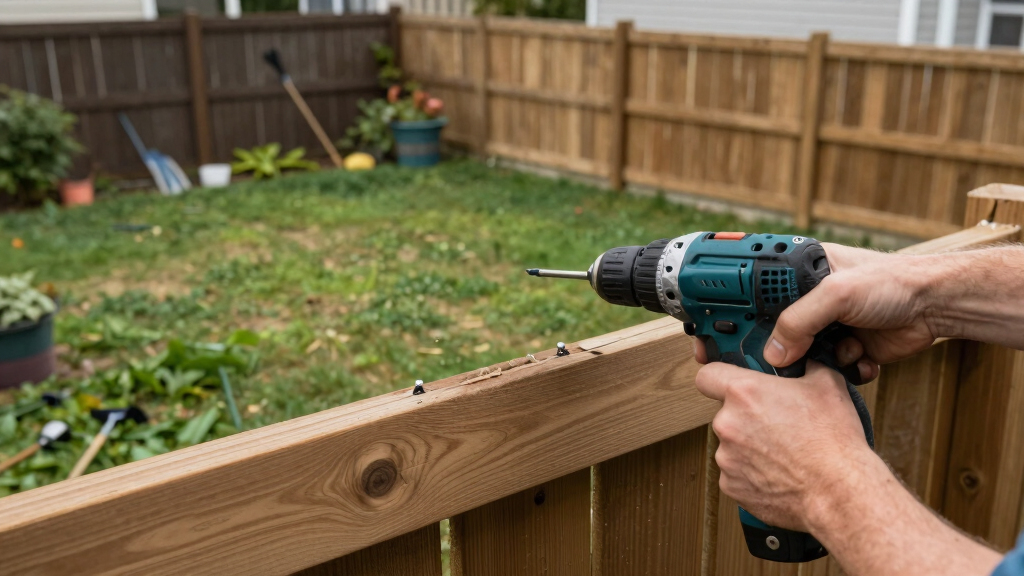
Specifically, 68% of respondents cited poorly maintained or unattractive fences as a major source of neighbor complaints. Artificial turf was mentioned by 55% as a disliked feature, often because it creates an unnatural appearance and can lead to disputes over aesthetics and property values. Other features include loud outdoor speakers, poorly kept lawns, and excessive outdoor lighting, which 47%, 45%, and 42% of respondents identified as sources of annoyance, respectively.
While the survey does not specify geographic regions, it reflects common issues faced by homeowners nationwide, emphasizing the importance of thoughtful landscaping and outdoor design choices.
Why These Yard Features Impact Community Relations
Understanding which yard features cause neighbor irritation helps homeowners make informed decisions about their landscaping and outdoor setups. Avoiding these common pitfalls can lead to better community harmony and potentially prevent disputes that can escalate into legal or neighborly conflicts.
For local authorities and homeowner associations, these insights can inform guidelines or regulations aimed at fostering respectful outdoor spaces. For homeowners, knowledge of these issues can improve property value and neighborhood satisfaction by promoting considerate landscaping practices.
As an affiliate, we earn on qualifying purchases.
Common Landscaping Choices That Cause Disputes
The survey results align with previous reports indicating that neighborhood disputes often stem from aesthetic disagreements and maintenance issues. Features like fences and lawns are traditional sources of conflict, but increasingly, artificial turf and outdoor entertainment setups are becoming contentious.
Historically, fences have been a frequent cause of disputes over height, maintenance, and boundary lines. In recent years, the popularity of artificial turf has grown due to its low maintenance, but its unnatural look and potential for causing disputes over appearance have led to increased neighbor complaints. Outdoor noise and lighting have also become more prominent issues as outdoor living spaces expand in popularity.
These trends reflect evolving landscaping preferences and highlight the importance of considering neighbor sensitivities when designing outdoor spaces.
“Artificial turf may seem like a low-maintenance option, but it can create aesthetic issues and lead to neighbor disputes if not installed thoughtfully.”
— Tom Reynolds, landscape architect
Unanswered Questions About Yard Dispute Triggers
It is not yet clear how regional differences influence which yard features are most problematic. The survey did not specify geographic or demographic details, so further research is needed to understand localized issues.
Additionally, the long-term impact of these features on property values and neighbor relations remains to be studied. The survey provides a snapshot but does not establish causality or explore solutions in depth.
Next Steps for Homeowners and Communities
Homeowners are encouraged to review the survey findings and consider their outdoor features carefully. Local homeowner associations and community planners may use this data to develop guidelines promoting neighbor-friendly landscaping practices.
Further research may explore regional differences and effective strategies for mitigating disputes related to yard features. Homeowners interested in improving neighbor relations should consult landscape professionals and community resources for tailored advice.
Key Questions
What yard features are most likely to annoy neighbors?
The survey identified five main features: poorly maintained fences, artificial turf, loud outdoor speakers, poorly kept lawns, and excessive outdoor lighting.
How can I avoid causing neighbor disputes with my yard?
Maintaining fences, choosing natural grass over artificial turf, limiting noise levels, and minimizing outdoor lighting can help prevent conflicts.
Does the survey specify which regions are more affected?
No, the survey results are nationwide and do not specify regional differences. Further localized studies are needed.
Will these findings lead to new regulations or guidelines?
Potentially, local homeowner associations and community planners may use the data to develop best practices or guidelines aimed at reducing neighbor disputes related to yard features.
Are these yard features common across all types of neighborhoods?
The survey suggests these features are widespread, but their impact may vary depending on neighborhood norms and local regulations.
Source: rss
Fall Picks
fall essentials
As an affiliate, we earn on qualifying purchases.