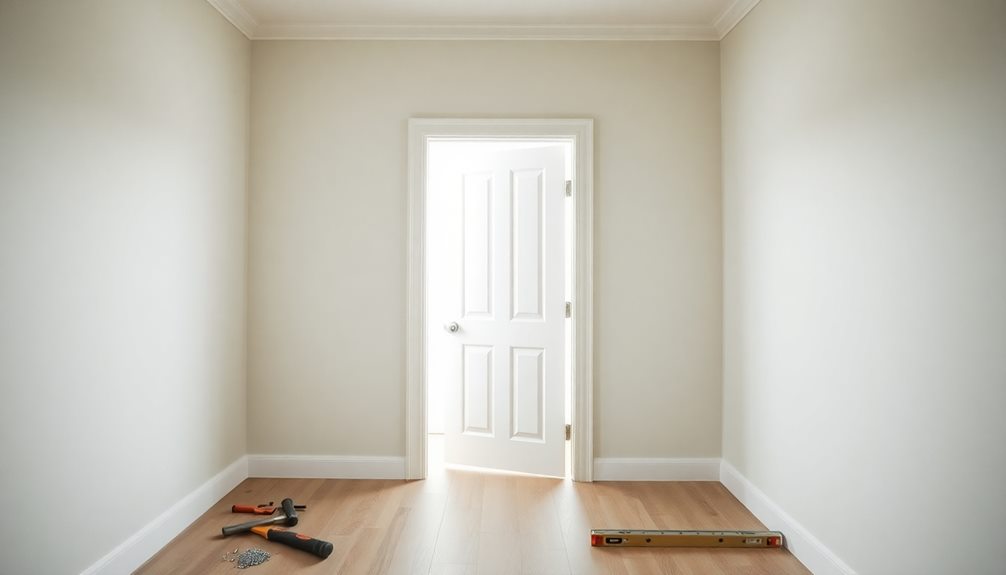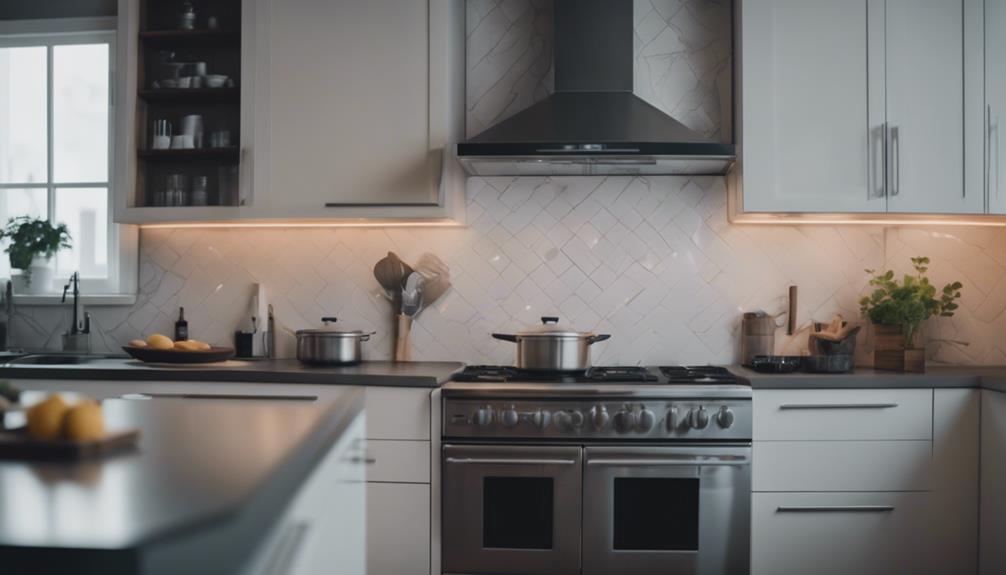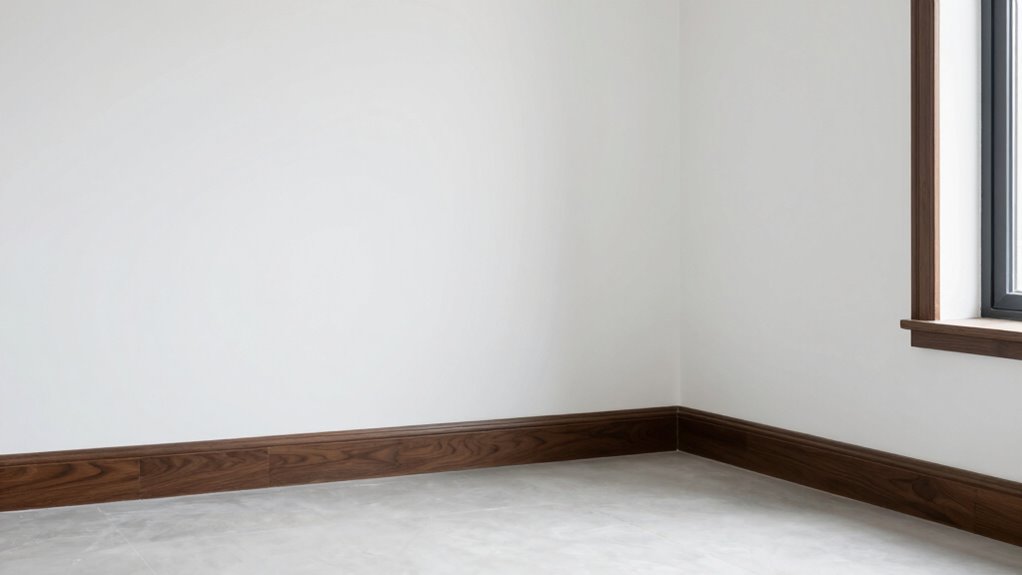

To make a plain room feel custom, focus on choosing the right trim and decorative accents. Install crown molding to add elegance and height, making the space feel more refined. Incorporate chair rails, picture rails, or wainscoting to add depth and character. Use contrasting colors, textures, or metallic finishes to personalize each element. Layering these details creates a cohesive, polished look. Stay with us to discover how combining these techniques transforms simple spaces into stylish, unique rooms.

Get furniture and decor delivered free — and shop member deals
- Fast, free delivery on millions of items
- Access to Prime Big Deal Days deals on October 6–7
- Prime Video, Amazon Music and more included
Key Takeaways
- Install crown molding to add height and a polished, custom look to the room.
- Incorporate decorative accents like wainscoting or picture rails for visual interest.
- Use contrasting paint colors on trim and walls to create depth and highlight architectural details.
- Layer trim elements, such as combining crown molding with decorative panels, for a sophisticated effect.
- Select trim styles and finishes that complement your overall design for a cohesive, personalized space.
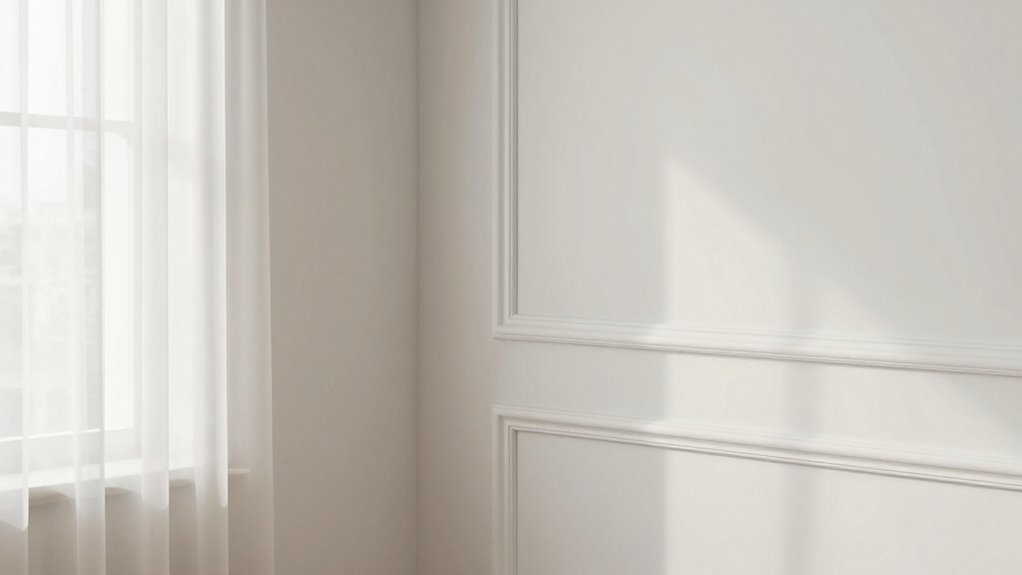
When designing a custom room, choosing the right trim can markedly enhance its style and character. One of the simplest ways to elevate a plain space is by adding crown molding. Crown molding creates a seamless connection between walls and ceilings, adding height and elegance. It draws the eye upward, making the room feel more spacious and refined. You can opt for classic, ornate designs for a traditional look or sleek, simple profiles for a modern touch. The key is selecting a crown molding style that complements your overall design theme. When installed properly, crown molding becomes a focal point rather than just a finishing detail, giving your room a polished, custom feel.
Adding crown molding elevates your space with elegance and a polished, custom touch.
Alongside crown molding, decorative accents serve as versatile tools to transform a plain room into a personalized space. These accents include chair rails, picture rails, wainscoting, and decorative panels, each adding depth and character. For instance, installing a chair rail can visually break up a wall, creating a layered, custom look. Wainscoting not only protects walls but also adds texture and visual interest, making the room feel more crafted and intentional. Decorative wall panels or moldings can frame artwork or architectural features, turning blank spaces into curated displays. These accents can be painted in contrasting colors, textured finishes, or even metallic tones to inject personality and style into your room. Incorporating architectural details can further elevate the overall aesthetic and make your space truly stand out.
You don’t have to go overboard—sometimes, a single well-placed decorative accent can make a significant impact. For example, a subtle corner molding or a decorative header above a doorway adds uniqueness without overwhelming the space. When choosing these details, consider the scale and proportion of your room. Smaller rooms benefit from delicate, understated accents, while larger spaces can handle bolder, more elaborate trim work. Remember, the goal is to make the room feel custom and intentional, not cluttered or overly ornate. Paying attention to proportion and scale is crucial to achieving a balanced and harmonious design.
Combining crown molding with decorative accents provides a layered approach to custom styling. For example, crown molding paired with decorative wall panels creates a sophisticated, cohesive look. It’s about balancing different elements in a way that highlights your personal taste while enhancing the room’s architecture. Paying attention to the details—like the style, material, and finish of your trim—helps you achieve a harmonious interior design. When you selectively use crown molding and decorative accents, you can turn a plain room into a statement of style and personality, achieving that custom feel you’re after.
As an affiliate, we earn on qualifying purchases.
Frequently Asked Questions
What Are the Best Types of Trim for a Modern Look?
For a modern look, you should choose sleek, simple trim styles like flat or minimalist designs. Decorative moldings with clean lines add sophistication without clutter. Wall paneling, especially in smooth or geometric patterns, enhances the contemporary vibe and creates visual interest. Keep the trim painted in neutral tones like white or gray to maintain a streamlined, modern aesthetic that feels fresh and uncluttered.
How Do I Choose the Right Trim Color for My Room?
Choosing the right trim color begins with careful color coordination—think about your room’s dominant hues and the mood you want. For a seamless look, match trim with wall colors; for contrast, pick a complementary shade. Consider trim styles like sleek or ornate to enhance your space’s style. You’ll want a trim color that either blends beautifully or boldly pops, creating a personalized, polished finish that feels perfectly you.
Can Trim Be Used to Create Visual Height in a Room?
Yes, you can use trim to create visual height in a room. By installing taller or wider trim, especially along the walls, you draw the eye upward, emphasizing the ceiling height. Incorporate trim with clean lines or subtle details to contrast with your wall texture, making the space feel more expansive. Properly selecting trim that complements your ceiling height can make the room look taller and more open.
What Tools Are Necessary for Installing Decorative Trim?
You’ll need basic tools like a saw, hammer, measuring tape, level, and a miter box to install decorative trim. For baseboard styles and crown molding options, a cordless drill and finishing nails are essential. You also might want a caulk gun for filling gaps and a sanding block for smooth finishes. These tools help you cut, secure, and perfect the trim, transforming your room with professional-looking details.
How Can I Prevent Gaps and Uneven Cuts When Trimming?
To prevent gaps and uneven cuts when trimming, measure carefully and use a miter saw for precise cuts, especially with crown molding and various baseboard styles. Mark your cuts clearly and double-check angles before cutting. Using painter’s tape along the cut line can reduce splintering. Take your time aligning each piece during installation, and fill small gaps with caulk for a seamless, professional look that elevates your room’s custom feel.
Conclusion
By carefully choosing and installing trim, you subtly elevate your room’s personality without overwhelming its simplicity. Think of trim as the gentle whisper of detail that hints at your style, making a space feel thoughtfully curated rather than just built. When you embrace this understated touch, your room gains a quiet charm that invites comfort and elegance—proof that sometimes, less truly is more. With trim, your plain room can quietly become a cherished retreat.
Fall Picks
fall essentials
As an affiliate, we earn on qualifying purchases.