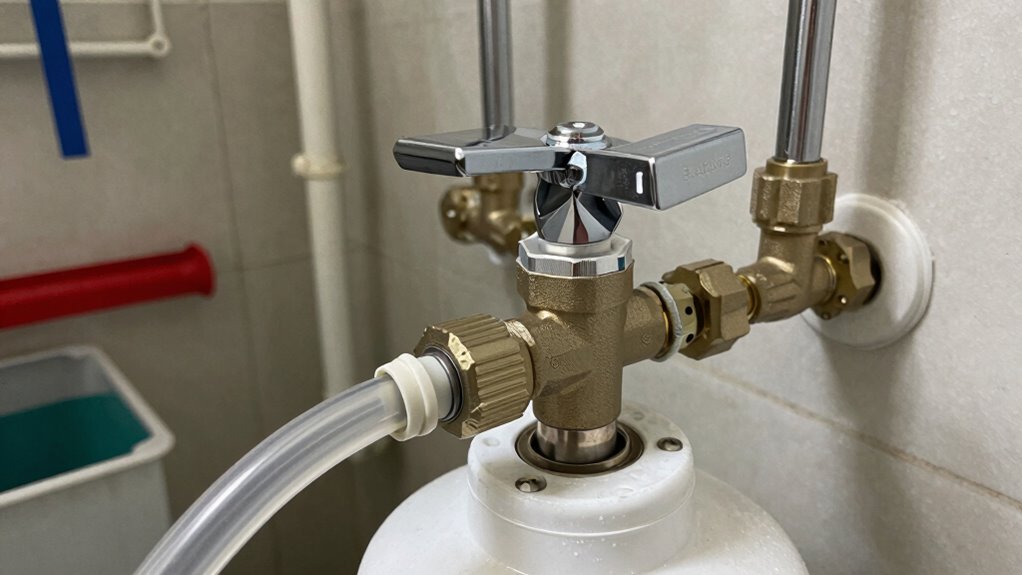

When installing your water softener’s bypass valve, avoid misalignment, loose fittings, or incorrect orientation, as these common errors can cause leaks, pressure issues, and system inefficiency. Make certain you follow proper steps, use Teflon tape on threaded connections, and double-check the valve’s position. Incorrect installation may lead to hard water bypassing the softener or system damage. To prevent costly mistakes and ensure proper function, you’ll want to learn more about correct installation practices and signs of trouble.
Key Takeaways
- Ensure the bypass valve is installed in the correct orientation to prevent leaks and flow issues.
- Always use Teflon tape on threaded connections to avoid leaks during installation.
- Verify the bypass valve is fully open or closed as needed before restoring water supply.
- Test the bypass valve after installation to confirm smooth switching without leaks.
- Consult a professional plumber to ensure proper installation and avoid common bypass valve mistakes.

7345396 – High Flow 1" Water Softener Bypass Valve Kit with (2) Adapters, (4) Clips, and (4) O-rings
7345396 – High Flow 1" Water Softener Bypass Valve Kit with (2) Adapters, (4) Clips, and (4) O-rings
As an affiliate, we earn on qualifying purchases.
As an affiliate, we earn on qualifying purchases.
How to Identify the Bypass Valve on Your Water Softener
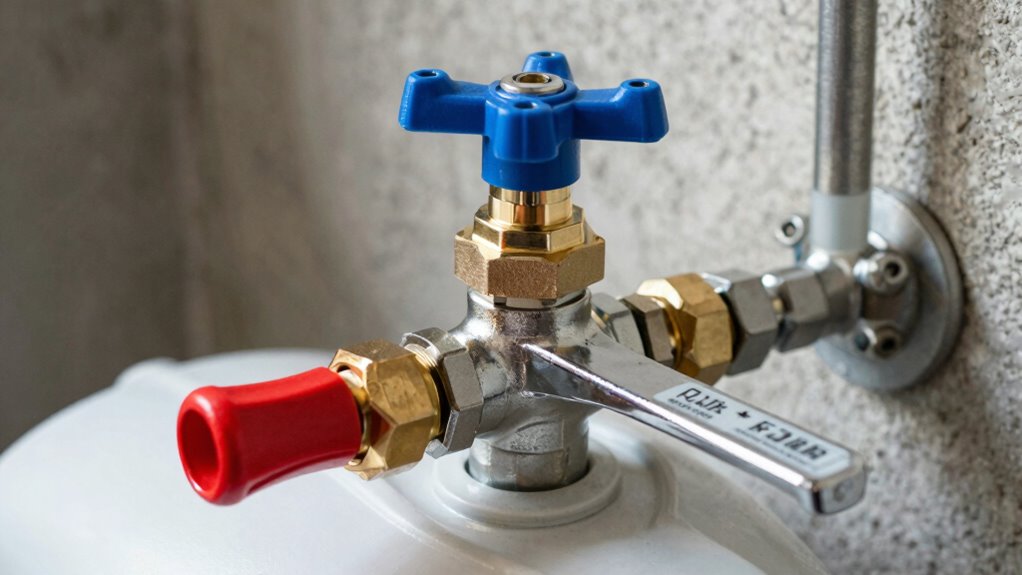
Wondering how to find the bypass valve on your water softener? Start by examining the unit’s valve positioning. Typically, the bypass valve is part of a cluster of three or four valves connected to the control valve assembly. It’s usually labeled or marked clearly as “bypass” or “service.” Look for a configuration that allows you to divert water flow around the softener, which is essential during maintenance or repairs. The bypass configuration often involves a set of levers or handles that you can turn to open or close different sections. Once you identify the valve, test its position to verify it’s in the correct setting—either in service or bypass mode. Recognizing these signs makes it easier to operate or troubleshoot your water softener effectively. Additionally, understanding the bypass valve’s function can prevent unnecessary water flow disruptions during maintenance. Being familiar with the valve’s placement can also save time when quick adjustments are needed. Knowing how to properly operate the bypass system ensures your water softener functions smoothly and avoids potential damage. Regularly inspecting the bypass valve and its components can help maintain optimal water flow and prevent costly repairs. Moreover, understanding how the energetic alignment between your system components works can further optimize its performance and longevity.

Water Softener Installation Adapter Kit 7280203 Compatible with Kenmore, GE, Whirlpool, Morton, NorthStar, EcoWater, EcoPure etc
Compatible with: This Water Softener Standard Install Adaptor Kit is designed to be compatible with Whirlpool, Kenmore, EcoPure,…
As an affiliate, we earn on qualifying purchases.
As an affiliate, we earn on qualifying purchases.
Why the Bypass Valve Is Essential for Your Water Softener’s Performance
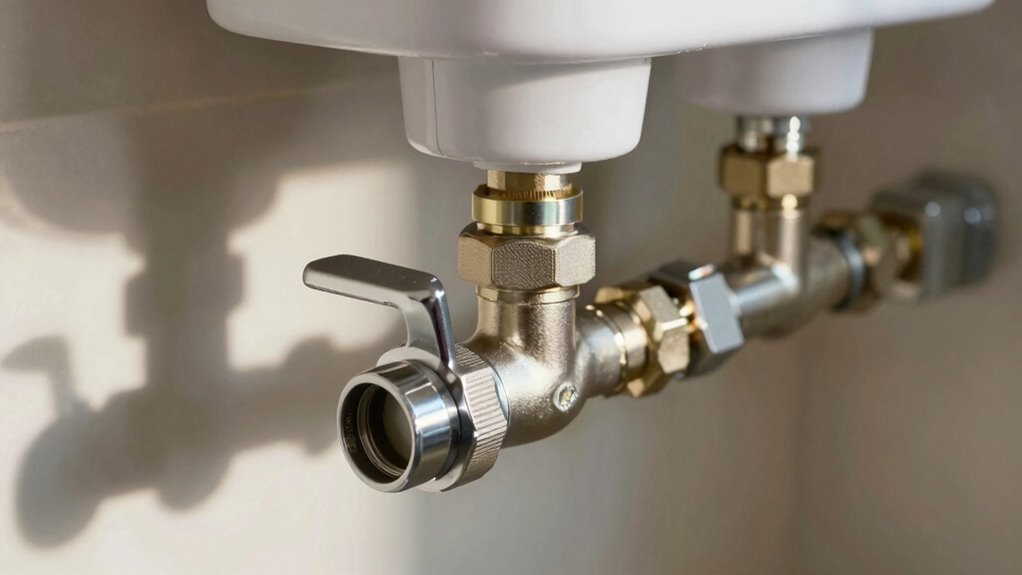
The bypass valve plays a crucial role in maintaining your water softener’s performance by allowing you to isolate the unit from your home’s water supply when needed. This feature is essential for troubleshooting, repairs, or maintenance without disrupting your entire water system. By properly using the bypass valve, you help preserve water quality, preventing untreated hard water from entering your home during service. It also protects your system’s longevity by reducing unnecessary wear and tear, ensuring it functions efficiently over time. Proper system maintenance can extend the lifespan of your water softener and improve its overall efficiency. Additionally, understanding AI ethical implications can help operators make more informed decisions when designing or maintaining smart water treatment systems. Regularly inspecting the bypass valve ensures it functions correctly and prevents potential leaks or malfunctions. This simple component also aids in managing system diagnostics, making troubleshooting more straightforward and minimizing downtime. Recognizing the importance of preventive care can further enhance system reliability and performance. Overall, it’s a simple yet critical component that supports ideal performance and helps you avoid costly repairs.
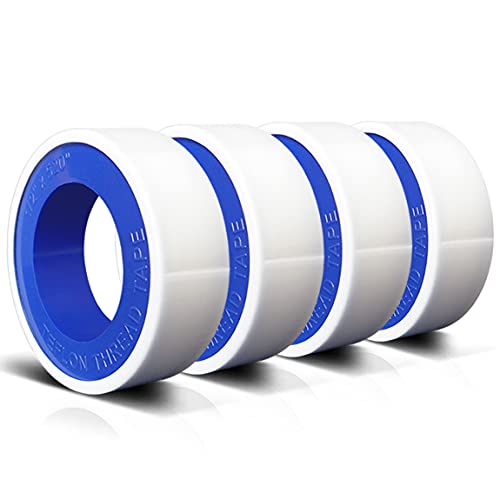
VOTMELL 4 Rolls 1/2 Inch(W) X 520 Inches(L) Teflon Plumbers Tape,Pipe Sealing & Plumbing Thread Tape,PTFE Water Sealant Seal for Shower Head,White
Teflon tape has a sealing function to prevent the leakage of water or gas.
As an affiliate, we earn on qualifying purchases.
As an affiliate, we earn on qualifying purchases.
How to Properly Install the Bypass Valve in Simple Steps
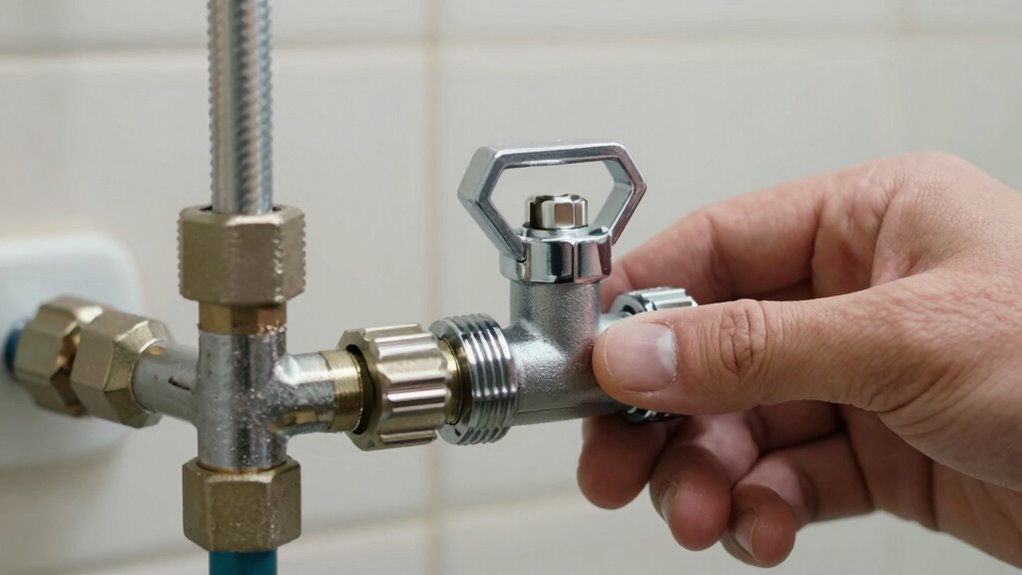
Installing the bypass valve correctly is essential to make sure your water softener functions properly and can be easily serviced when needed. First, gather your installation tools, including wrenches, Teflon tape, and pliers. Turn off the water supply and relieve pressure in the system. Next, connect the bypass valve to the designated ports on your water softener, ensuring the connections are tight and secure. Use Teflon tape on threaded fittings to prevent leaks. Follow the manufacturer’s instructions to align the valve correctly, making sure the flow direction matches your plumbing setup. Proper installation helps maintain water quality by preventing leaks and ensuring smooth operation. Correct valve orientation is crucial to avoid bypassing the softening process or causing flow issues. Double-check all connections before turning the water supply back on to avoid any issues. Additionally, understanding the water flow principles can help troubleshoot potential problems more effectively. Taking the time to verify the installation process can prevent costly repairs and ensure your system operates optimally.
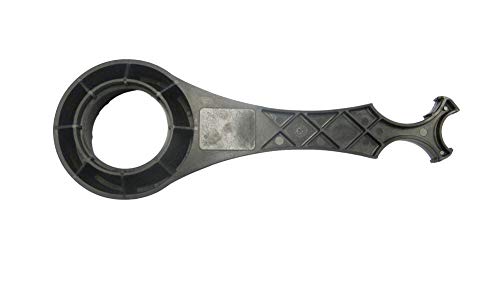
Clack Water Softener Repair Wrench – V3193-02
For Use on Repairs of Clack Water Softeners and Filter Systems
As an affiliate, we earn on qualifying purchases.
As an affiliate, we earn on qualifying purchases.
Common Mistakes to Avoid When Installing the Bypass Valve
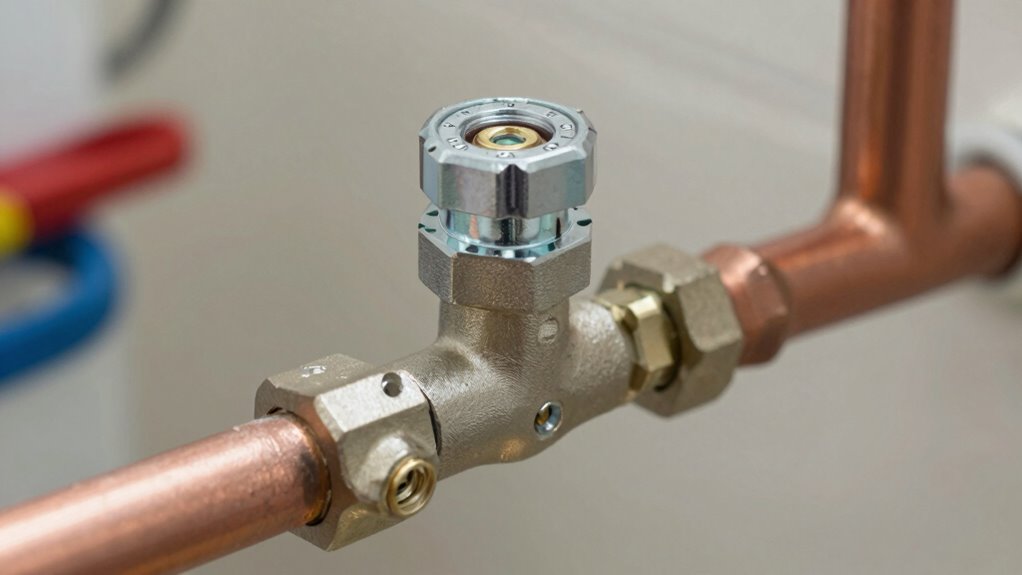
One common mistake to avoid is misaligning the bypass valve, which can disrupt water flow and cause leaks. Incorrect installation can lead to stagnant water, increasing bacterial growth risks and undermining water conservation efforts. To prevent this, pay attention to these key points:
Misaligning the bypass valve can cause leaks, stagnation, and bacterial growth—double-check installation for optimal water flow.
- Double-check the orientation of the valve to ensure proper flow direction.
- Secure all connections tightly to prevent leaks and ensure consistent water pressure.
- Test the bypass after installation to confirm it switches smoothly and doesn’t restrict water flow.
- Understand the proper installation procedures to ensure optimal performance and prevent future issues.
- Additionally, familiarize yourself with system maintenance to keep the bypass valve functioning correctly over time.
- Proper installation techniques are essential for maintaining system integrity and efficiency. Proper alignment also helps to prevent water stagnation, which can promote bacterial growth and reduce water efficiency.
Misalignment can cause water to stagnate, promoting bacterial growth and reducing water efficiency. Properly installed bypass valves help maintain clean, healthy water and maximize water conservation by preventing leaks and unnecessary flow disruptions. Avoiding this mistake ensures your system operates safely and efficiently.
Signs Your Bypass Valve Is Installed Incorrectly
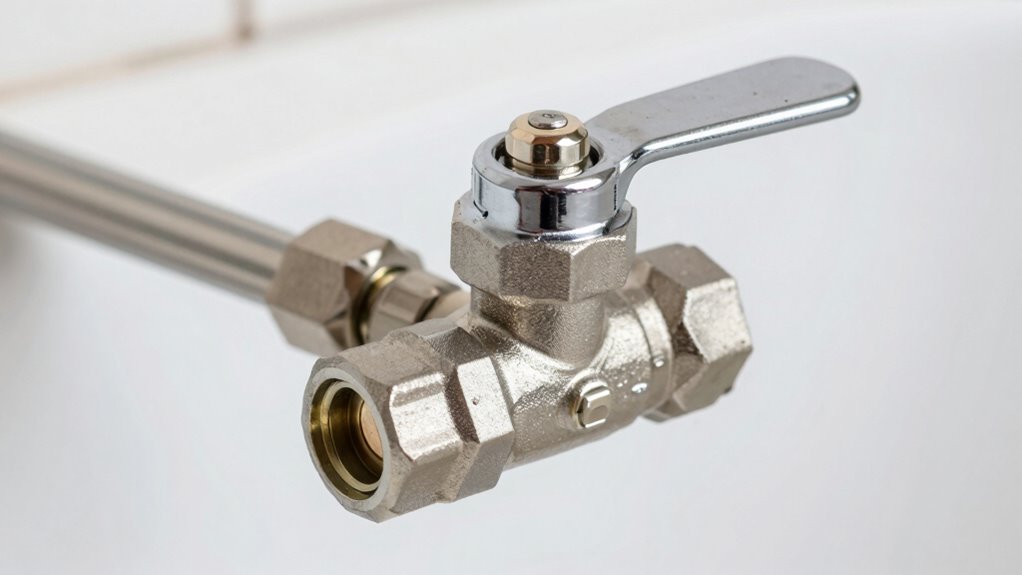
If your bypass valve is installed incorrectly, you might notice immediate issues with your water system. One common sign is inconsistent water pressure; it could feel weaker or fluctuate unexpectedly. You might also find that filter replacement becomes more frequent than usual because the system isn’t filtering properly. Additionally, you may observe water leaking around the bypass valve or notice water bypassing the softener entirely, leading to hard water issues. These signs indicate the valve isn’t directing water flow correctly, which can impact overall system performance. Pay close attention to how your water pressure behaves and whether your filters seem to clog faster. Improper installation can also cause system inefficiencies, making early detection crucial. Ensuring proper flow regulation and correct bypass valve setup helps maintain optimal performance. Addressing these signs early can prevent further damage and ensure your water softener functions as intended, especially since correct installation is key to avoiding costly repairs. Properly installing the bypass valve ensures the entire system operates smoothly and extends its lifespan, as well as maintaining consistent water flow throughout your home.
What Happens When the Bypass Valve Is Wrongly Installed
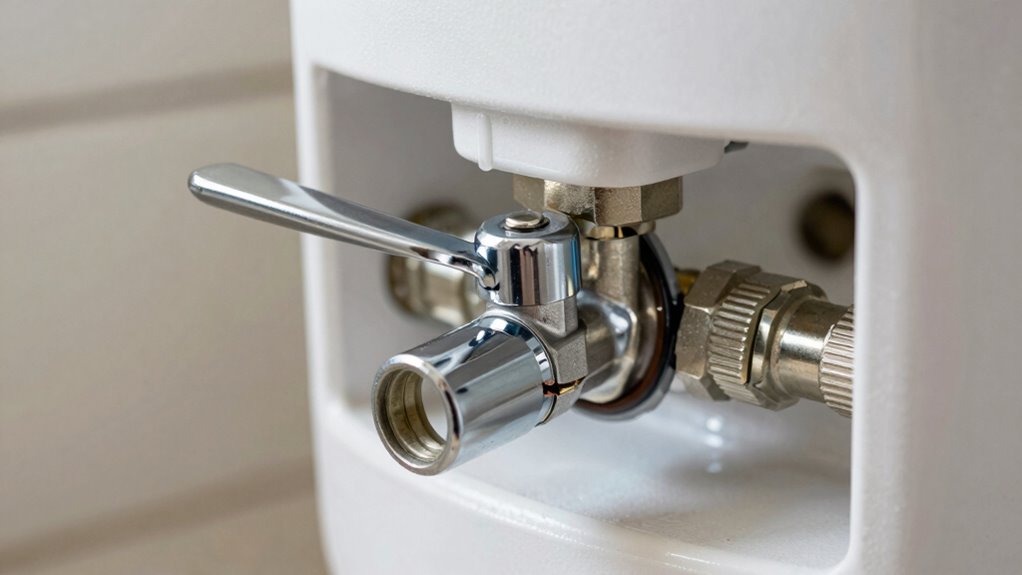
When the bypass valve is installed incorrectly, your water flow can become disrupted, leading to inconsistent pressure throughout your home. This mistake can also cause your softener system to work inefficiently or even damage its components. Understanding these risks helps you avoid system performance issues down the line. Proper installation is essential to ensure your water treatment system operates smoothly and maintains the integrity of your appliances. Additionally, incorrect installation can result in system malfunctions, which may necessitate costly repairs or replacements. Being aware of installation best practices can help prevent these issues and prolong your system’s lifespan, especially by ensuring correct bypass valve setup for optimal performance.
Water Flow Disruption Risks
Incorrect installation of the bypass valve can lead to significant water flow disruptions, often causing your system to malfunction or stop working altogether. When the valve isn’t compatible or installed improperly, you risk reducing water pressure or blocking flow entirely. This can result in sluggish tap flows or no water at all. To avoid these issues, make certain you:
- Verify valve compatibility with your system specifications.
- Check that the bypass valve is correctly aligned and sealed.
- Confirm that the valve’s position doesn’t restrict water flow during operation.
Missteps in these areas can cause water flow disruptions, making your water softener ineffective. Proper installation ensures steady water pressure and smooth operation, preventing costly repairs or system failure.
System Performance Issues
A wrongly installed bypass valve can seriously impair your water softener’s performance, leading to noticeable issues in your household’s water quality and flow. When the system isn’t functioning properly, you might notice hard water spots, reduced water pressure, or mineral buildup. This affects both water quality and system efficiency. To visualize potential impacts, consider this table:
| Issue | Cause | Effect |
|---|---|---|
| Hard Water Spots | Bypass diverts water around softener | Reduced softening, minerals remain |
| Low Water Pressure | Valves misaligned, restrict flow | Slower household water flow |
| Mineral Buildup | Ineffective regeneration | Clogs pipes and filters |
| Increased Waste | Excessive regeneration or bypassing | Higher water and salt costs |
Misplacing the bypass valve compromises your system’s ability to improve water quality and operate efficiently.
Easy Tests to Make Sure Your Bypass Valve Is Working Right
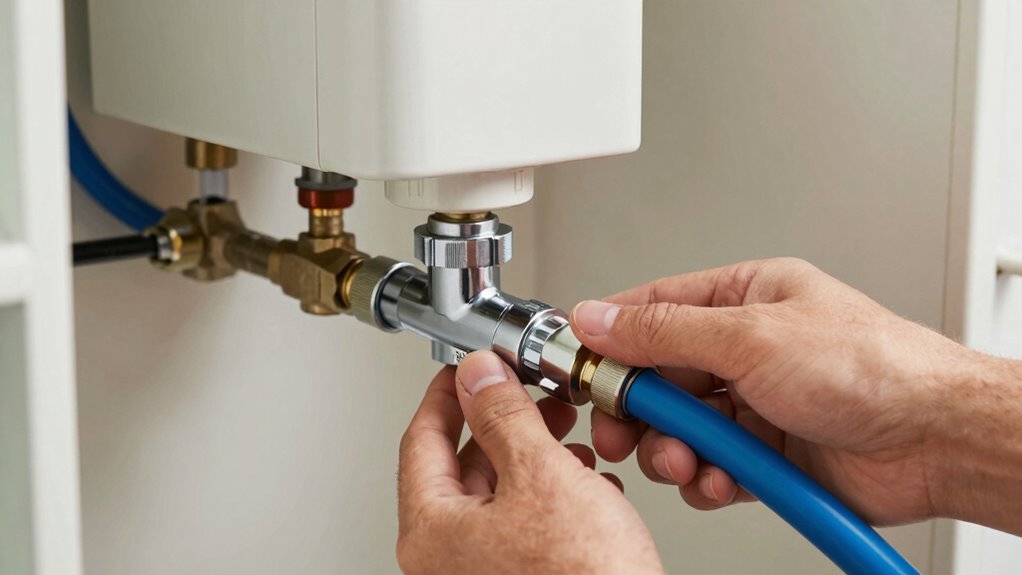
To guarantee your bypass valve is functioning properly, start by performing a simple visual inspection. Check that the valve is fully open when you want to bypass the softener and properly closed when it’s in service. Next, run these tests:
- Turn off the softener and open the bypass valve; water should flow normally, confirming valve compatibility.
- Switch the bypass to divert water through the softener; check water quality—softened water should be clear and free of impurities.
- Return the bypass to normal operation; ensure water flows without leaks or drops in pressure.
If these tests reveal issues, it might be a sign that your valve isn’t working correctly, which can affect water quality. Regular testing keeps your system running smoothly.
How to Fix a Bypass Valve That’s Installed Wrong

If your bypass valve isn’t installed correctly, it can cause water flow issues and compromise your softener’s performance. To fix it, start by turning off the water supply and draining the system. Check the pipe materials—some plastics or metals may not be compatible with your setup. Ensure the valve is oriented properly, with the flow arrows aligned with your water flow. Reinstall if necessary, making sure connections are tight and secure. Use the following table to understand common issues:
| Issue | Cause | Solution |
|---|---|---|
| Water flow blocked | Wrong valve orientation | Reorient the valve correctly |
| Leaks | Loose fittings | Tighten fittings properly |
| Poor water quality | Incorrect pipe materials used | Replace with compatible pipes |
Proper installation guarantees better water quality and system longevity.
Best Practices for Maintaining and Checking Your Bypass Valve
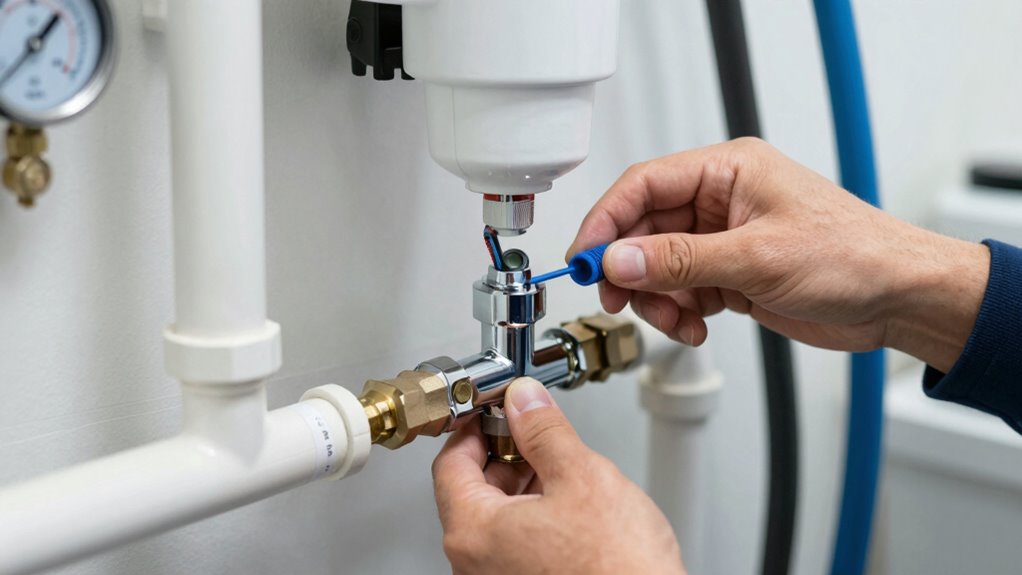
To keep your bypass valve working smoothly, you should perform regular checks to guarantee it’s functioning properly. Adjust the valve correctly to maintain ideal water flow and prevent issues. Also, inspect for leaks using simple techniques to catch problems early and avoid water damage.
Regular Bypass Checks
Regularly inspecting your bypass valve is essential to guarantee your water softener functions correctly when needed. Check the valve positioning to ensure it’s fully open when you want soft water and correctly closed to bypass. Pay attention to water pressure; inconsistent pressure can indicate a problem with the bypass or valve. To keep things running smoothly:
- Confirm the valve is in the correct position for your current needs.
- Look for any leaks or damage around the valve.
- Test water flow to verify the bypass isn’t restricting or redirecting water unexpectedly.
Perform these checks monthly to prevent issues during peak usage. Proper valve positioning maintains consistent water pressure and prevents bypass errors, ensuring your softener works effectively when it matters most.
Proper Valve Adjustment
Proper valve adjustment guarantees your water softener operates efficiently and prevents costly issues. To achieve this, start by ensuring the valve is correctly positioned at its designated location, usually near the control valve or bypass valve assembly. Adjust the bypass valve so that it allows ideal water pressure flow through the system, preventing either too much or too little water from passing. Check the valve’s alignment regularly, especially after maintenance, to avoid leaks or pressure drops. Make sure the valve handles turn smoothly and lock into place securely. Proper adjustment maintains consistent water pressure, ensuring your softener functions effectively. Regularly inspecting and fine-tuning the valve at its correct location keeps your system running smoothly and extends its lifespan.
Leak Inspection Techniques
Inspecting your bypass valve for leaks is essential to maintaining a reliable water softener system. Regular checks help guarantee ideal water quality and prevent damage. To effectively inspect:
- Visually examine the valve and surrounding areas for any signs of water or corrosion, indicating leaks.
- Tighten fittings and connections carefully, ensuring valve compatibility to prevent mismatched parts that cause leaks.
- Run water through the system and observe for drips or moisture at the valve, confirming it’s sealed properly.
Always verify that your bypass valve is compatible with your water softener model. Proper inspection techniques avoid unnecessary repairs and maintain water quality by preventing leaks that could compromise system performance.
When to Call a Professional for Bypass Valve Installation or Repairs
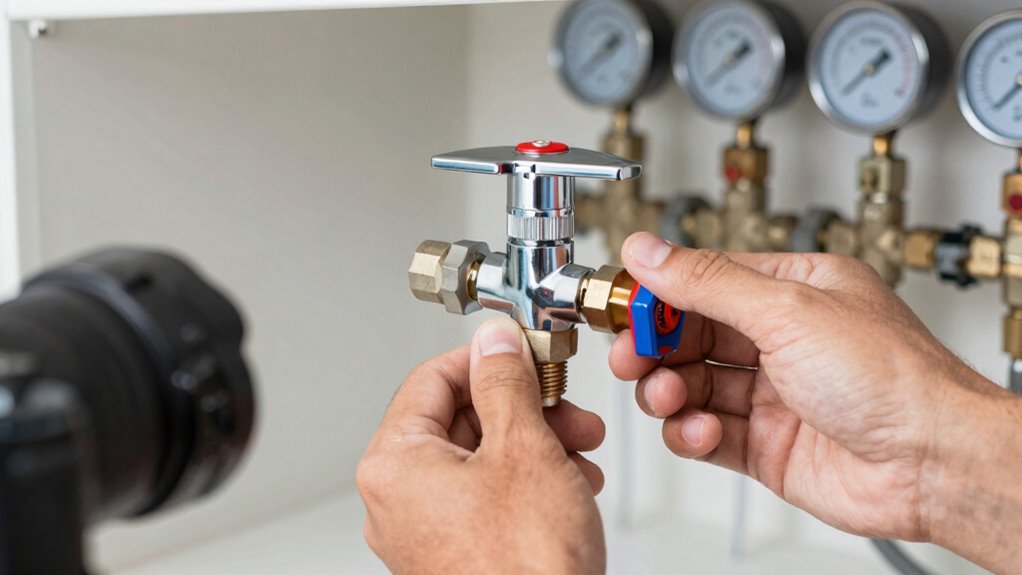
While installing or repairing a bypass valve might seem straightforward, certain situations call for professional expertise to guarantee safety and proper function. If you’re considering alternative installation methods or unsure about bypass valve material selection, it’s best to call a professional. Incorrect installation or using incompatible materials can lead to leaks, damage, or system failure. Additionally, complex plumbing setups or limited experience with water softener systems increase the risk of errors. A licensed technician understands the nuances of bypass valve operation and ensures it’s integrated correctly into your plumbing. They can also advise on the best materials for durability and compatibility with your system. When in doubt, consulting a professional helps avoid costly mistakes and ensures your water softener functions reliably.
Frequently Asked Questions
Can I Install a Bypass Valve Myself Without Prior Plumbing Experience?
You can attempt DIY installation of a bypass valve, but it’s not recommended if you lack plumbing knowledge. Properly installing the bypass valve guarantees your water softener functions correctly and prevents leaks. Without experience, you might misconnect fittings or create issues that require professional repairs later. If you’re comfortable with basic plumbing tasks and follow instructions carefully, you could try it; otherwise, consider hiring a pro for a safe, reliable installation.
How Often Should I Check or Replace the Bypass Valve?
You should check your bypass valve at least once a year, or more often if you notice issues like water pressure drops. Follow a regular maintenance schedule and perform valve inspection regularly to prevent unexpected failures. Think of it as giving your entire water system a health check; neglecting it could cause a cascade of problems. Staying vigilant guarantees your softener runs smoothly and lasts longer.
Are There Different Types of Bypass Valves for Various Water Softeners?
Yes, there are different types of bypass valves for various water softeners, and compatibility is key. You need to make certain the bypass valve matches your softener’s model and installation techniques. Check the manufacturer’s specifications to confirm compatibility before installation. Using the wrong type can lead to leaks or bypass issues, so always verify the correct bypass valve for your system to ensure smooth operation and easy maintenance.
What Tools Are Needed for Bypass Valve Installation or Repair?
To install or repair common bypass valves, you’ll need a wrench or pliers to loosen fittings, Teflon tape for sealing threads, and screwdrivers if your bypass has screws. A bucket or towel is helpful to catch water spills. Make certain to identify the right tools for your specific bypass valve model, as some may require special fittings or tools. Having these tools ready ensures a smooth installation or repair process.
Will a Faulty Bypass Valve Affect My Overall Plumbing System?
Imagine your bypass valve leaks during routine maintenance—that small issue can escalate, affecting your plumbing system integrity. A faulty bypass valve can cause water pressure imbalances or leaks, leading to potential damage beyond the softener. Regular bypass valve maintenance is vital to prevent these problems. Ignoring it risks compromising your entire plumbing, so make sure you check for issues and address them promptly to keep everything running smoothly.
Conclusion
Don’t let a simple mistake with your bypass valve cause costly repairs or water issues. By following proper installation steps and performing regular checks, you can guarantee your water softener runs smoothly. Even if you’re worried about DIY work, remember that calling a professional is a smart move for peace of mind. Proper maintenance keeps your system efficient and your water soft. Trust yourself—you’ve got this, and help is just a call away if needed.