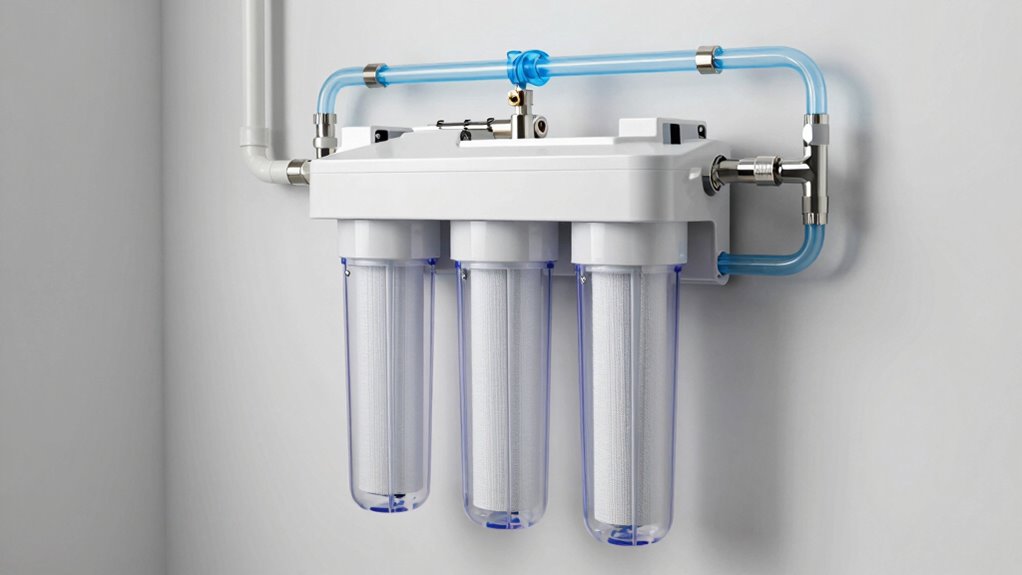

To install a whole-house water filter, you should position it on your main water supply line, ideally after the main shutoff valve. This placement guarantees that all water entering your home gets filtered before reaching appliances, fixtures, and taps. Proper placement before the water heater helps protect it from sediment buildup, while locations near high-use fixtures optimize flow and water quality. To learn how to choose and install the best spot, keep exploring these essential placement tips.
Key Takeaways
- Install the filter on the main water supply line for comprehensive home water filtration.
- Place the filter before water splits to ensure all fixtures receive filtered water.
- Position the filter upstream of appliances like water heaters and washing machines to protect them from sediment.
- Ensure proper flow direction and secure fittings to prevent leaks and maintain system integrity.
- Choose a location with strong water pressure, easy access for maintenance, and minimal sediment buildup.

Express Water 3-Stage Whole House Water Filter System, Reduces Heavy Metals, Scale, Chloramine, Chlorine, PFAs, Lead & Arsenic, Free-standing Stainless Steel Frame & 3 Pressure Gauges
WHOLE HOUSE WATER FILTRATION: Notice the difference immediately with 3-stage water filtration process throughout your home. From every…
As an affiliate, we earn on qualifying purchases.
As an affiliate, we earn on qualifying purchases.
Where to Install Your Whole-House Water Filter
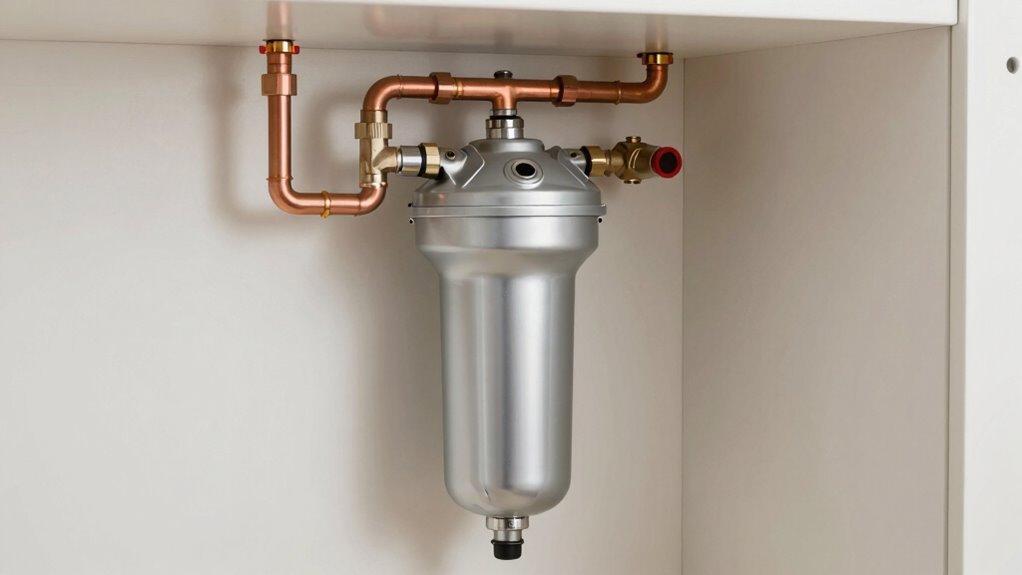
Choosing the right location for your whole-house water filter is crucial to guarantee it functions effectively. You want to place it where water pressure remains strong enough to ensure good flow throughout your home. Installing it too far from the main water line can reduce water pressure, affecting your daily use. Additionally, placing the filter upstream of appliances prone to sediment buildup, like water heaters and washing machines, helps prevent clogs and damage. Avoid locations where sediment can accumulate easily, which could clog the filter prematurely. The ideal spot is right after the main water shutoff and before any branches to your home’s plumbing system. This placement ensures consistent water pressure, protects your appliances, and maintains clear water flow.
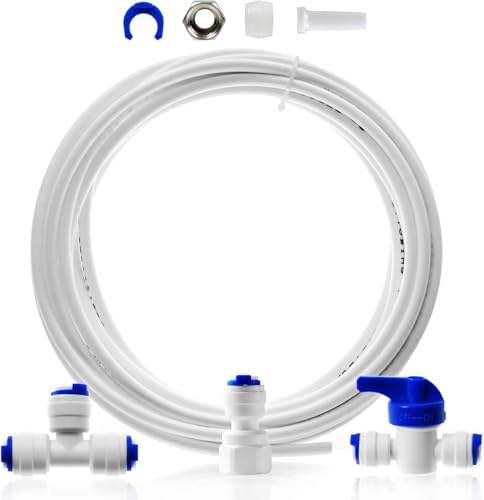
iSpring ICEK Ultra Safe Fridge Water Line Connection and Ice Maker Installation Kit for Reverse Osmosis RO Systems & Water Filters, 1/4", 20 feet
Connects any water filtration system (including reverse osmosis systems) to the ice maker or water dispenser of your…
As an affiliate, we earn on qualifying purchases.
As an affiliate, we earn on qualifying purchases.
What Is the Main Water Supply Line and Why It Matters for Your Filter
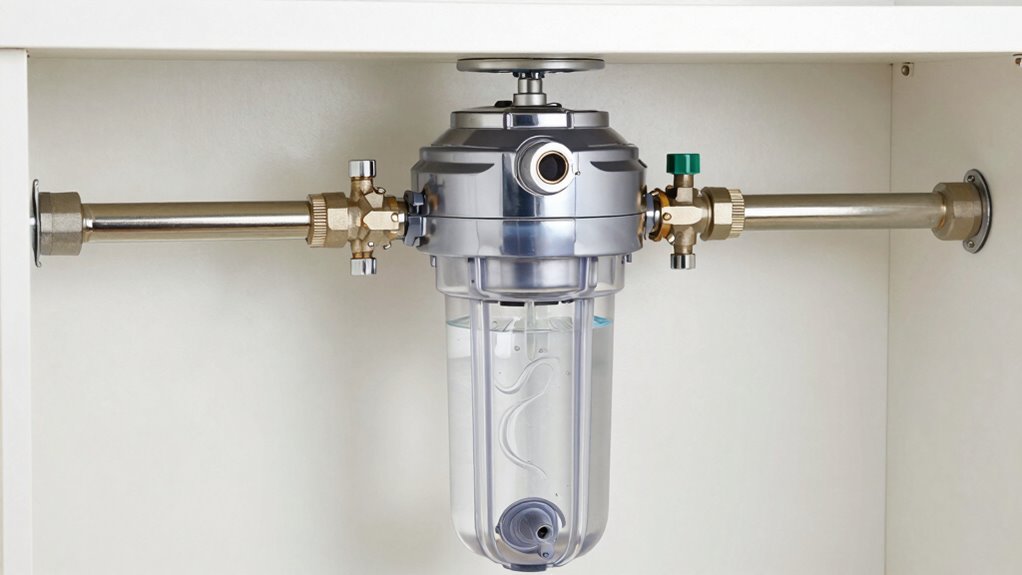
Understanding the main water supply line helps you make informed decisions about where to install your whole-house water filter. The main supply is the primary pipe bringing water into your home, and its condition impacts your entire plumbing system’s integrity. Knowing its location is vital because:
Knowing the main water supply line ensures proper filter placement and system protection.
- It guarantees your filter effectively protects the entire plumbing network.
- Proper placement helps prevent contamination and damage downstream.
- It allows for easier maintenance and access when needed.
- Recognizing the location and condition of the main water supply line can help optimize the overall performance of your water filtration system. Additionally, understanding pipe material and age can inform you about potential vulnerabilities or necessary upgrades, ensuring your system remains reliable over time. Being aware of plumbing system layout can further assist in planning effective filter placement and future repairs, especially when considering system vulnerabilities. Regular inspections of the main water line can help identify early signs of deterioration, preventing costly repairs later.
sediment filter for water heater
As an affiliate, we earn on qualifying purchases.
As an affiliate, we earn on qualifying purchases.
How to Connect Your Water Filter to the Plumbing System

To connect your water filter properly, you need to choose the right installation location that’s accessible and close to your main water line. Next, you should follow proper connection techniques to guarantee a secure and leak-free setup. Paying attention to these points will make the installation process smoother and more effective. Additionally, understanding system compatibility can help ensure your filter functions optimally within your existing plumbing configuration.
Selecting Installation Locations
Selecting the right location for your water filter is essential to guarantee ideal performance and easy access. Proper placement ensures effective reduction of water contamination and maximizes filtration efficiency. Start by considering these key points:
- Install the filter after the main water shut-off valve to control water flow easily.
- Position it near the point of entry for clean water access throughout the house.
- Choose a location that’s accessible for maintenance and filter replacement.
- Incorporate water treatment science principles to optimize filtration performance and ensure longevity.
- Ensure the placement minimizes exposure to extreme temperatures and vibration, which can impair performance. Proper placement not only enhances filtration efficiency but also ensures your whole-house system functions smoothly. Taking these steps helps you maintain safe, clean water throughout your home, while also considering system maintenance for long-term effectiveness. Additionally, selecting a location with proper plumbing configuration can simplify installation and future upgrades.
Proper Connection Techniques
Connecting your water filter properly is essential for ensuring it functions effectively and lasts longer. Start by shutting off your main water supply before installing. Use appropriate fittings and ensure a secure connection to prevent leaks. When attaching the filter, ensure the flow direction matches the arrow on the unit. Incorporate the correct plumbing tools to avoid damaging the filtration media. Tighten fittings without overdoing it to prevent cracks or leaks. Check that the filter is installed in a position that allows easy access for maintenance. Once connected, turn the water back on and inspect for leaks. Proper connection techniques guarantee that water contaminants are effectively filtered out, maintaining water quality and protecting your plumbing system. This careful setup maximizes the lifespan and performance of your whole-house filtration system. Additionally, considering ventilation considerations can help prevent moisture buildup and ensure a safe, efficient installation environment. Properly secured fittings and preventing leaks are vital for avoiding water damage and ensuring system reliability. Ensuring all connections are correctly installed will also contribute to optimal system performance and longevity. Taking the time to verify proper sealing techniques can further enhance the effectiveness of your installation.

MEASUREMAN Water Pressure Gauge, 0-200 PSI Water Pressure Tester with 2-1/2 Inch Dial & Durable 3/4 Inch Hose Thread, Ideal for Home, Hose Bib (Waterproof Case, Black)
Wide Pressure Range:It is capable of measuring between 0 and 200 PSI/kPa. This device ensures accurate monitoring for…
As an affiliate, we earn on qualifying purchases.
As an affiliate, we earn on qualifying purchases.
Step-by-Step: Installing Your Whole-House Water Filter Correctly

Installing your whole-house water filter correctly is essential for ensuring clean, safe water throughout your home. Follow these key steps to get it right:
Proper installation of your whole-house water filter ensures clean, safe water throughout your home.
- Turn off your main water supply and drain the system to prevent leaks.
- Choose the correct location based on your filtration capacity needs, usually near the main line before the water splits.
- Connect the filter using proper fittings, ensuring a secure seal to prevent leaks and making note of your maintenance scheduling to replace filters on time.
- Pay attention to flow direction markings on the filter housing. Proper installation guarantees excellent performance and longevity, especially when considering system longevity and ongoing maintenance needs. Regularly check for leaks and plan maintenance to keep your system functioning efficiently and your water clean. Proper installation is crucial for maximizing performance and ensuring your system operates as intended.
Should You Install the Filter Before or After Your Water Heater?

Have you ever wondered whether to place your water filter before or after the water heater? The decision affects water temperature and filter longevity. Installing the filter before the heater ensures all water, including that heated for your taps, gets filtered, protecting your plumbing and appliances from sediment and contaminants. Additionally, filtration materials may need to withstand higher water temperatures, so choose filters rated for your water heater’s temperature to prevent damage or degradation. Placing the filter after the water heater means filtered water won’t be exposed to high heat, potentially extending filter life. Still, unfiltered water entering the heater could cause mineral buildup or sediment issues. Consider your water quality and filter specifications when deciding the best placement for ideal performance. Understanding the water filtration process can help you optimize your system for better health and appliance protection. Proper placement can also influence how effectively your whole-house filtration system reduces contaminants throughout your home. Being aware of filter temperature ratings is crucial to ensure your filter performs reliably under your system’s conditions. Moreover, selecting filters with appropriate temperature resistance helps maintain their effectiveness and longevity in your plumbing system. In some cases, integrating advanced filtration options like reverse osmosis might also be beneficial depending on water quality needs.
What Happens When You Place the Filter After Major Fixtures?

Placing the water filter after major fixtures means the filtered water you use for daily activities is the last step before it reaches your taps. This filter placement impacts how effectively you remove contaminants from water used at each fixture. Here’s what happens:
- Fixture Impact: Since the filter is downstream, fixtures like sinks and showers receive unfiltered water, exposing you to possible contaminants. Additionally, fixtures closer to the filter may experience less buildup of mineral deposits, extending their lifespan. Regular maintenance and understanding of your plumbing system can help ensure optimal performance. Proper filter placement is essential to maximize the benefits of your filtration system.
- Maintenance Frequency: Fixtures closer to the filter stay cleaner longer, while those farther away may require more frequent filter checks.
- Water Quality: Filtering after fixtures means you’re only filtering the water just before it enters your taps, potentially letting impurities through earlier in the plumbing line. This setup affects overall water quality and filter efficiency.
- Understanding Water Filtration: Knowing how your entire plumbing system interacts with filtration can help you optimize placement for better water safety and reduce issues like scale buildup that can impact appliance performance.
Common Mistakes When Installing a Whole-House Water Filter (and How to Avoid Them)
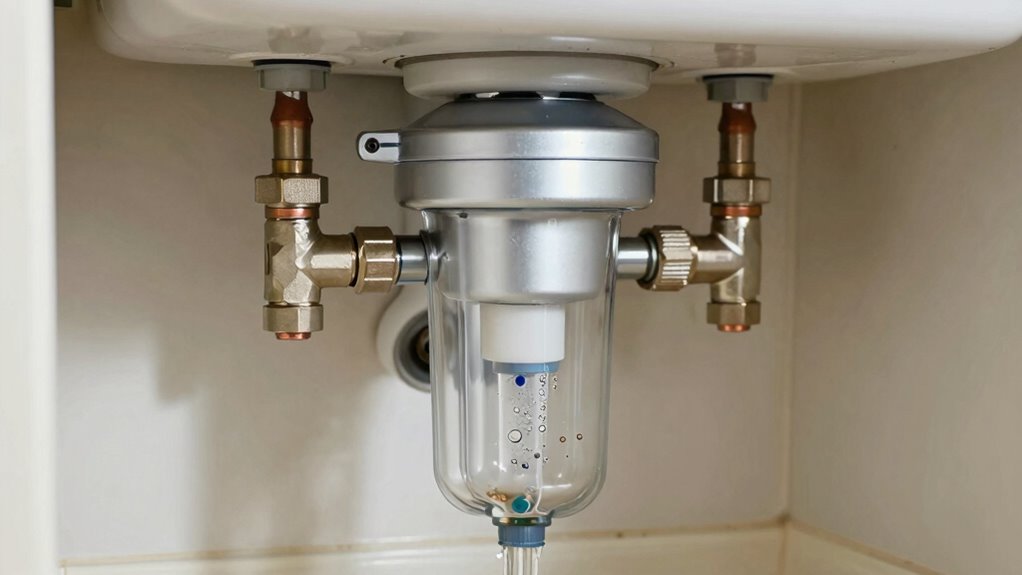
One common mistake during whole-house water filter installation is neglecting to verify the pressure and flow rate requirements. Failing to match your plumbing fittings to the filter’s specifications can lead to leaks or damage. Using incompatible fittings or improper connections can compromise the system’s integrity and reduce water flow. Additionally, choosing the wrong filter media for your water quality may cause ineffective filtration or clogging. Always check the manufacturer’s guidelines for pressure, flow rate, and compatible plumbing fittings before installation. Properly securing fittings and ensuring they’re tight prevents leaks. Avoid rushing the process—taking the time to confirm these details helps ensure your whole-house water filter functions efficiently, lasts longer, and provides clean water throughout your home. Understanding water chemistry is also crucial to select the appropriate filter media for your specific water conditions.
How Placement Affects Water Pressure and Flow Rate

Where you install your water filter directly influences your water pressure and flow rate. Placing it too far downstream can cause pressure drops, decreasing flow to your fixtures. Understanding how placement impacts these factors helps guarantee your system works efficiently without sacrificing water pressure.
Impact of Filter Placement
The location of your water filter considerably influences both water pressure and flow rate throughout your home. Proper placement ensures the best filter lifespan and maintains water mineralization levels. Consider these key points:
- Installing the filter closer to the main water source minimizes pressure loss, preserving flow rate.
- Placing it too far downstream can reduce water pressure and cause uneven water mineralization.
- Positioning the filter before major appliances helps protect them from sediment buildup, extending their lifespan.
Downstream Pressure Changes
Placing your filter downstream can lead to noticeable pressure drops and reduced flow rates. As water passes through the filter, pressure fluctuations may occur, affecting overall system performance. These pressure changes can make water feel less forceful at faucets and appliances, especially during peak usage times. Since the filter adds resistance to the line, flow consistency might suffer, causing inconsistent water delivery. The placement impacts how much pressure is available downstream; too close to the outlet, and you could experience significant flow reduction. Conversely, placing it too far upstream might lessen the filter’s effectiveness. Understanding how downstream placement influences pressure helps you optimize your system for steady flow and minimal pressure drops, ensuring your whole-house filtration works efficiently without compromising water pressure.
Flow Rate Considerations
Positioning your filter closer to the water source can help maintain higher flow rates, but it may also reduce the water pressure available downstream. This balance affects how well your entire system performs. To optimize flow rate and minimize pressure loss, consider these key points:
- Placement: Placing the filter near the source reduces pressure loss but can cause flow reduction downstream.
- Size and Type: Larger filters or those with higher flow capacities lessen flow restriction and pressure drops.
- Maintenance: Regular cleaning prevents clogging, ensuring minimal flow reduction and consistent pressure.
Understanding these factors helps you decide where to install your whole-house filter to keep water pressure steady while avoiding unnecessary pressure loss and flow reduction.
Benefits of Proper Filter Placement in Your Home

Proper filter placement is essential to guarantee your whole-house water filtration system works effectively. When installed correctly, the filter’s lifespan increases because it’s not overworked or prematurely clogged. Proper placement also ensures consistent water flow, preventing pressure drops that can compromise filtration quality. Additionally, ideal positioning improves water taste by effectively removing chlorine, sediment, and other contaminants before they reach your faucets. It helps maintain the filter’s efficiency over time, reducing the need for frequent replacements. Proper installation minimizes the risk of bypassing unfiltered water or creating dead zones where contaminants can accumulate. Ultimately, strategic filter placement enhances your overall water quality, ensuring you enjoy clean, great-tasting water throughout your home while maximizing your system’s durability and performance.
Troubleshooting Placement Issues and Ensuring Water Quality

If your water quality isn’t meeting expectations, it’s time to check your filter placement and installation. Incorrect positioning can cause flow issues and reduce filtration effectiveness, so understanding ideal strategies is key. Let’s explore common pitfalls and how to maintain consistent water quality throughout your home.
Optimal Filter Placement Strategies
To guarantee your whole-house water filtration system works effectively, you need to carefully consider where you place the filters. Proper placement ensures ideal filter longevity and consistent water taste. First, install filters after the main water shutoff to protect against sudden contaminants. Second, position filters before the water heater to prevent sediment buildup and maintain efficient operation. Third, place filters near high-use fixtures like kitchen sinks or showers to improve water taste at points of use. This strategic placement minimizes pressure drops and maximizes filtration efficiency, keeping your water clean and fresh. Remember, the right location ensures your system performs at its best, extending filter life and delivering quality water throughout your home.
Common Installation Pitfalls
Incorrect placement of filters can lead to reduced water flow, increased pressure drops, and compromised filtration performance. If filters are installed too close to the water source or in areas with high turbulence, they may wear out faster, shortening their filter lifespan. Conversely, placing filters too far downstream can allow water contamination to bypass filtration, risking water quality issues. Avoid installing filters before pressure regulators or after sharp bends, which can cause unnecessary strain and reduce effectiveness. Proper placement guarantees the filter functions efficiently, maintaining water quality and extending its lifespan. Always follow manufacturer guidelines for installation, and check for any signs of water contamination or flow issues that may suggest installation errors. Correct placement helps you get the most out of your whole-house filtration system.
Maintaining Water Quality
Proper placement of your filters plays a key role in maintaining water quality throughout your home. To troubleshoot placement issues and guarantee ideal water quality, focus on these three steps:
- Check the filter’s position to prevent bypass, ensuring water flows through the filtration media first.
- Regularly test your water’s pH balance and mineral content to spot signs of deterioration or imbalance.
- Replace filters promptly when you notice changes in taste, odor, or flow rate, which can impact overall water quality.
Proper placement helps maintain a stable pH balance and controls mineral content, preventing scale buildup and corrosion. Consistent monitoring and timely maintenance keep your whole-house system functioning efficiently, providing clean, safe water for your entire home.
Frequently Asked Questions
How Often Should I Replace My Whole-House Water Filter?
You should replace your whole-house water filter every 6 to 12 months, depending on your filter’s lifespan and your water quality. Regular replacement guarantees peak filtration and prevents buildup that can reduce flow or harm your plumbing. Check the manufacturer’s recommended replacement schedule, and monitor water clarity and pressure. If you notice a decline, it’s time to replace the filter sooner to maintain clean, healthy water throughout your home.
Can I Install a Water Filter Myself Without Professional Help?
Sure, you can try DIY installation, but don’t be surprised if your water suddenly turns into a science experiment. While it’s possible to handle basic setups, professional assistance guarantees your system works flawlessly and avoids costly leaks or damage. Think of it as assembling furniture—sure, you could do it yourself, but a pro guarantees it’s done right the first time. When in doubt, call in the experts!
What Are the Signs My Water Filter Needs Maintenance?
You’ll know your water filter needs maintenance when you notice a decline in water quality or taste, which signals the filter’s lifespan is ending. Watch for increased sediment, cloudiness, or odors, as these are key maintenance indicators. Regularly check the filter’s condition, and replace it according to manufacturer recommendations to guarantee your whole-house filtration system continues to work effectively and keeps your water clean.
Does Filter Placement Affect Water Pressure Throughout the House?
Imagine installing your filter right after the main water line; this placement guarantees consistent water pressure throughout your house. Yes, filter placement affects water pressure—if you put it too far from the source or before a major fixture, you might notice reduced flow or pressure drops. Proper placement, ideally near the entry point, maintains ideal water pressure and ensures your entire home benefits from clean, filtered water.
Are There Specific Filters Recommended for Well Water Systems?
Yes, for well water filtration, you should choose recommended filters designed to handle specific contaminants. Look for filters that target bacteria, iron, manganese, and sediment, which are common in well water. Activated carbon filters are often recommended for odor and chemical removal, while sub-micron filters help with sediment. Always consider your water test results and consult a professional to select the best recommended filters for your well system.
Conclusion
Properly installing your whole-house water filter guarantees clean water flows seamlessly, protecting your home and health. While a perfect placement prevents issues like pressure drops and contamination, a careless setup can cause costly damage and compromised water quality. Think of your plumbing as a delicate dance—balance and precision are key. When you get it right, you enjoy pure, fresh water effortlessly; when you don’t, the consequences ripple through your entire household.