TL;DR

Get furniture and decor delivered free with Prime
- Fast, free delivery on millions of items
- Prime Video, Amazon Music and more included
- Member-only deals all year
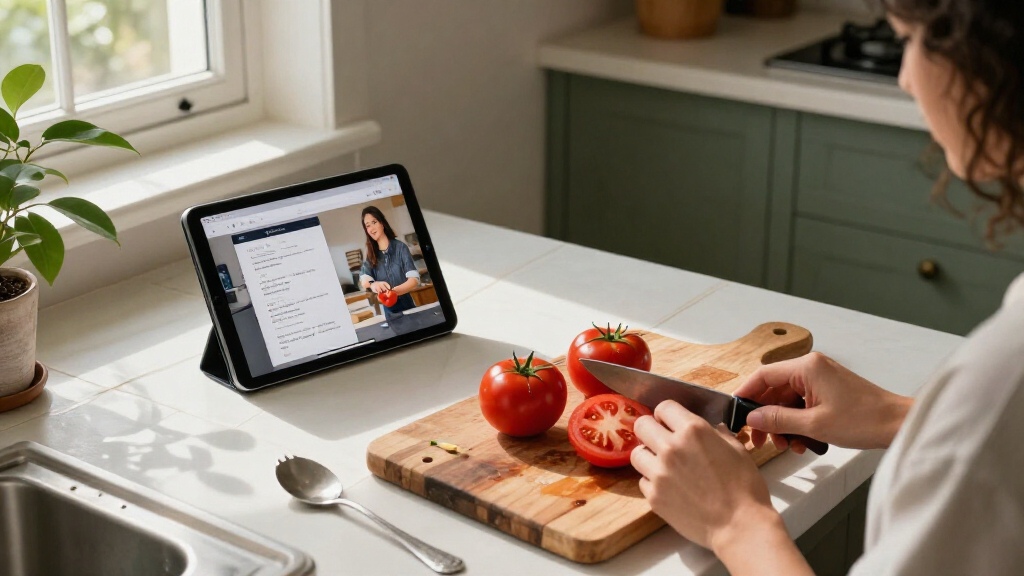
Apple’s HomeView smart display can format online recipes as simplified, hands-free cooking instructions. The feature may make recipes easier to follow, but food writers and publishers rely on visits, advertising and affiliate links, and the amount of revenue HomeView users may generate for source sites is not yet clear.
Apple’s HomeView, a newly revealed smart display, can turn compatible online recipes into step-by-step instructions that users can follow with hands-free voice controls. The feature may simplify cooking, but it also renews a dispute over whether recipe tools that remove much of a webpage’s content weaken the advertising and affiliate income that helps writers fund their work.
Apple showed HomeView in an advertisement focused on a busy family morning. In the scene, the display helps the family manage calendars and messages, then pull up a French toast recipe. The report says the feature can present ingredients, instructions and timers without requiring cooks to keep scrolling or touching a screen.
HomeView’s recipe view does not mean users avoid the original site entirely: to load a recipe, they must first open it on an iPhone or through Safari on the display. That initial visit can show the site’s ads. But the source report says publishers may lose the additional ad impressions that could come from readers staying on a recipe page while they cook. Many recipe sites also use affiliate links, another potential source of income.
The report says HomeView is designed to work with online recipes using Google’s search-friendly recipe formatting. That could make it compatible with a broad range of sites, unlike Amazon Echo Show’s comparable cooking features, which the report says are available through partner sites such as Allrecipes and Epicurious. The report also describes Google Search’s Gemini AI as presenting streamlined recipe results directly on the search page, potentially reducing the need to click through to original sources.
How Recipe Views Support Writers
The dispute concerns how free online recipes are paid for. Advertising and affiliate links can support the work of testing, writing and publishing recipes. A tool that shows only the cooking essentials may help users in the kitchen while reducing how much of a publisher’s page they see. The report does not establish how much revenue HomeView would divert, or how many people will use the feature.
There may also be a practical trade-off for cooks. Simplified instructions can be easier to follow, but the source report notes that a recipe page may include troubleshooting advice and ingredient substitutions that do not appear in the stripped-down view. Whether the display carries over that context could affect how useful its instructions are for a particular recipe.
As an affiliate, we earn on qualifying purchases.
A Long Push to Simplify Recipes
HomeView enters a landscape shaped by years of attempts to make online recipes easier to use. Recipe pages often include material beyond the ingredients and method. Food writers say some of that text serves purposes beyond storytelling: the source report quotes Eater senior reporter Bettina Makalintal saying writers have had to add text to improve a recipe’s chance of appearing in Google search results. The report also says the surrounding writing may be the part of a recipe page that its author can copyright, while the instructions themselves are generally treated as instructions rather than protected prose.
Not every reader wants that context, and many food blogs offer a “jump to recipe” button near the top of the page, according to Ravenous co-founder Jaya Saxena. Earlier technology efforts have also faced resistance: Recipeasly, a startup that promised in 2021 to remove ads and personal stories from online recipes, shut down after online backlash, the report says. Google removed step-by-step recipe features from Nest Hubs in 2024, describing the features as underused, according to the report.
These examples do not establish how HomeView will perform. The source report characterizes Apple’s product as one more development in a wider shift toward tools that extract or summarize web content, alongside search and AI features. For established recipe writers, Saxena described the pattern as a continuation of threats they have already faced.
HomeView’s Reach and Revenue
The source report provides no figures for HomeView sales, recipe usage or publisher revenue. It is not clear how often users will rely on the feature, whether its required initial visit will generate meaningful income for source sites, or how many ad impressions publishers may lose when cooks follow instructions on the display instead of the webpage. It is also unclear which recipe-page details HomeView retains beyond the core ingredients and steps, and whether the feature will change over time.
The broader financial impact remains uncertain too. The report identifies Google’s AI recipe results and other assistant tools as part of the same concern, but offers no comparative data showing their effects on writers’ earnings or how those effects compare with HomeView.
Usage Will Shape the Debate
The next meaningful indication will be how widely HomeView is adopted and how recipe publishers’ pages are handled when users open recipes on the device. Until usage and revenue data are available, claims about the feature’s financial effect on writers remain concerns rather than measured outcomes. Publishers and readers can also watch whether Apple’s recipe view preserves practical details such as substitutions and troubleshooting guidance, as well as whether users still visit and engage with the original pages.
Key Questions
What does Apple HomeView do with online recipes?
According to the source report, HomeView can present compatible recipes as ingredients, step-by-step instructions and timers, with hands-free voice controls. Users must first open the recipe on an iPhone or through Safari on the display.
Why are recipe writers concerned?
Writers and publishers may depend on advertising and affiliate links on their websites. If cooks use a simplified display rather than staying on the original page, publishers could receive fewer ad impressions, though the report provides no measurement of HomeView’s financial effect.
Do recipe introductions have to be read before the instructions?
Not necessarily. Ravenous co-founder Jaya Saxena said many food blogs place a “jump to recipe” button near the top of the page. Some surrounding information may also offer troubleshooting tips or ingredient substitutions.
Is HomeView the first device to offer simplified recipes?
No. The source report describes similar cooking features on Amazon Echo Show devices for partner sites, a step-by-step recipe feature previously available on Google Nest Hubs, and recipe summaries in Google Search. It says Google removed the Nest Hub feature in 2024.
How much income could recipe writers lose because of HomeView?
No amount has been established in the source report. It gives no data on HomeView sales, how frequently people will use its recipe feature, or changes to publishers’ advertising and affiliate revenue.
Source: rss
Halloween Picks
halloween
As an affiliate, we earn on qualifying purchases.