
Foam rolling is backed by science that shows it improves muscle recovery, flexibility, and injury prevention through targeted pressure and tissue manipulation. By applying firm but tolerable pressure, you promote fascia and muscle tissue deformation, which releases tight spots and boosts blood flow. Proper techniques, duration, and frequency are key to avoiding risks and maximizing benefits. Keep going to discover how you can optimize your foam rolling routine for better results.

Get furniture and decor delivered free with Prime
- Fast, free delivery on millions of items
- Prime Video, Amazon Music and more included
- Member-only deals all year
Key Takeaways
- Foam rolling deforms fascia and muscles, promoting blood flow and tissue remodeling through controlled pressure and technique.
- Proper pressure and duration are crucial; excessive force can cause injury, while insufficient pressure limits benefits.
- It activates the nervous system and enhances circulation, supporting faster recovery and improved muscle function.
- Foam rolling is most effective when integrated into a consistent routine, pre- and post-workout, for injury prevention and flexibility.
- Advanced techniques like slow, sustained pressure over tight spots maximize fascia elasticity but require proper form to avoid harm.
As an affiliate, we earn on qualifying purchases.
The Physics Behind Foam Rolling: How It Works
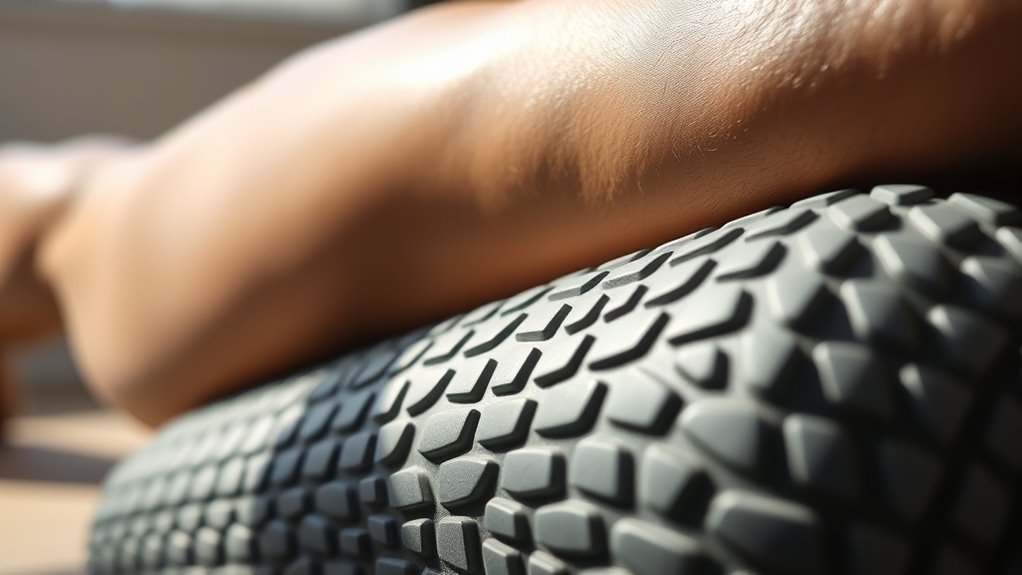
Foam rolling works by applying pressure to your muscles and fascia, which are the connective tissues surrounding muscles. This pressure targets specific pressure points, areas where tension tends to build up. When you roll over these spots, the force causes tissue deformation, meaning the fascia and muscle tissues temporarily change shape. This deformation helps release tightness and improve blood flow. As you apply consistent pressure, your body responds by loosening stiff tissues, making muscles more flexible. The key is understanding how pressure impacts these tissues; too much can cause discomfort, while the right amount encourages ideal tissue remodeling. Proper technique and pressure management are essential for effective results. By focusing on precise pressure points, foam rolling effectively promotes better tissue health and prepares your muscles for activity.
Myofascial Release: The Key to Muscle Recovery
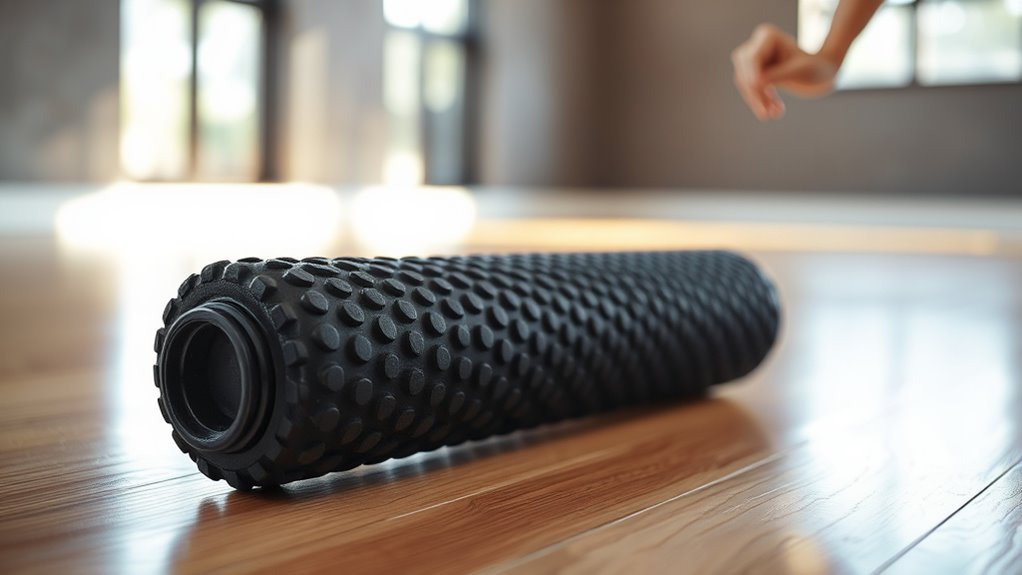
Have you ever wondered how targeted pressure helps your muscles recover faster? Myofascial release is all about improving fascia flexibility, which is key to muscle health. When you apply pressure through foam rolling, you encourage muscle elongation by loosening tight fascia that can restrict movement. This process breaks up adhesions and knots, promoting smoother muscle function. As fascia becomes more flexible, your muscles can stretch and recover more efficiently, reducing soreness and stiffness. Regularly releasing fascia helps maintain better mobility and enhances overall recovery. By focusing on myofascial release, you’re addressing the root of muscle tightness, allowing your body to heal faster and perform better. Additionally, understanding the role of fascia can help you optimize your recovery strategies for better athletic performance. It’s a simple yet powerful tool for optimizing muscle health and recovery.
The Role of Pressure and Duration in Effectiveness
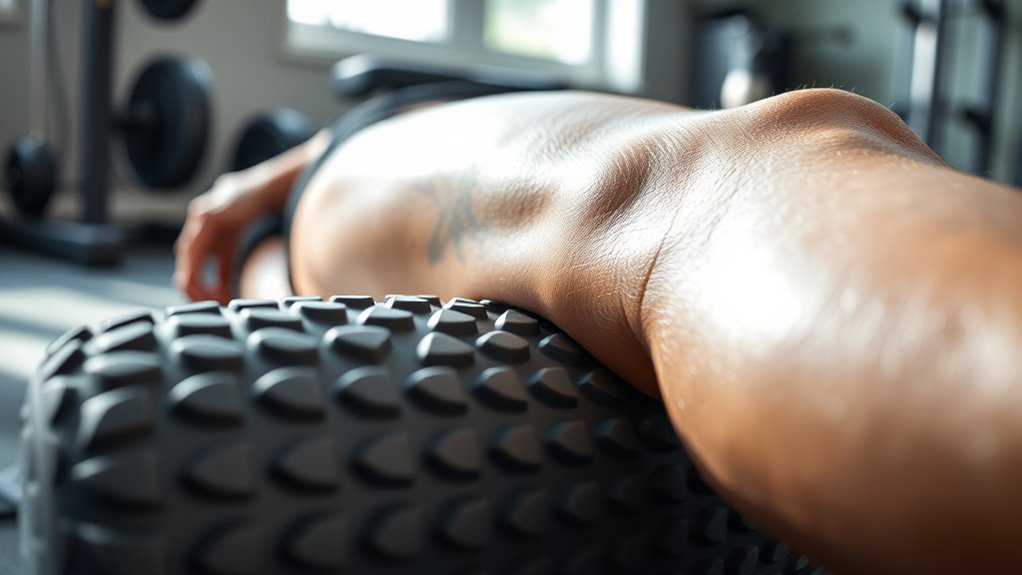
The effectiveness of foam rolling depends heavily on applying the right amount of pressure for an appropriate duration. Too much pressure can cause discomfort or tissue damage, while too little may not produce benefits. Focus on pressure application that feels firm yet tolerable, ensuring you target tight or sore areas effectively. Timing strategies are equally vital; rolling for too long can lead to overstimulation, whereas insufficient time might limit results. Typically, aim for 30 to 60 seconds per muscle group, adjusting based on your comfort and response. Pay attention to how your body reacts, and gradually increase pressure or duration as your muscles adapt. Proper pressure application combined with smart timing enhances the effectiveness of foam rolling and promotes better recovery. Additionally, understanding the pressure and duration principles from the science behind foam rolling can help optimize your technique for maximum benefits.
Debunking Common Myths About Foam Rolling

Many people believe foam rolling is a quick fix for muscle soreness or injury, but this isn’t entirely accurate. While it can help improve muscle flexibility, it’s not a magic solution that instantly cures tightness or prevents injuries on its own. Foam rolling works best as part of a thorough routine that includes stretching and strengthening exercises. Some myths suggest rolling will considerably reduce injury risk, but injury prevention depends on proper training and recovery strategies. Foam rolling can aid in maintaining muscle health and flexibility, but it’s not a substitute for proper form or addressing underlying issues. Understanding these facts helps you use foam rolling effectively without overestimating its capabilities. It’s a valuable tool, but not a cure-all for muscle problems. Additionally, passive voice detection can help improve clarity by ensuring your writing is direct and engaging.
How Foam Rolling Influences Blood Flow and Nervous System
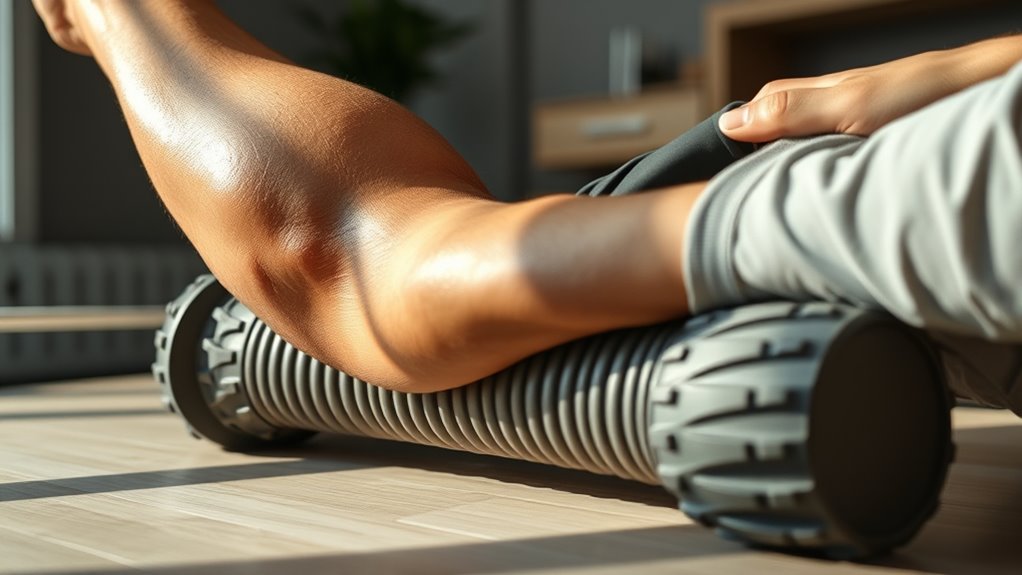
When you foam roll, you improve your blood flow, helping your muscles receive more oxygen and nutrients. This process also stimulates your nervous system, promoting better muscle response and relaxation. Understanding these effects shows how foam rolling supports both circulation and nervous system health. Additionally, research indicates that such self-myofascial release techniques can enhance recovery by reducing muscle stiffness and improving overall mobility through automation and technology.
Enhances Circulatory Efficiency
Foam rolling stimulates blood flow by applying pressure to muscles and fascia, which encourages vasodilation and improves circulation. This increased blood flow delivers more oxygen and nutrients to tissues, supporting muscle elasticity and recovery. Additionally, foam rolling enhances lymphatic drainage by promoting fluid movement through the lymphatic system, helping to remove metabolic waste and reduce swelling. As circulation improves, your muscles become more responsive and less prone to stiffness. Better blood flow also aids in maintaining healthy tissue function, boosting overall efficiency during workouts and daily activities. By regularly incorporating foam rolling, you support ideal circulatory function, ensuring your muscles and tissues stay well-nourished, resilient, and ready for action. Improving contrast ratio in your training environment can further enhance visual clarity and motivation during workouts.
Stimulates Nervous System
Applying pressure through foam rolling stimulates your nervous system by activating mechanoreceptors in muscles and fascia. This nerve stimulation triggers a reflex response that can help relax tight muscles and improve overall movement. When you roll, you’re sending signals to your brain, enhancing communication between your nervous system and muscles. Here’s what happens:
- You trigger a reflex response that reduces muscle tension.
- Nerve stimulation increases, promoting better muscle control.
- Your nervous system becomes more efficient at coordinating movements and recovery.
Additionally, integrating wall organization systems can optimize your workout space, making foam rolling more accessible and effective.
Differences Between Foam Types and Their Benefits
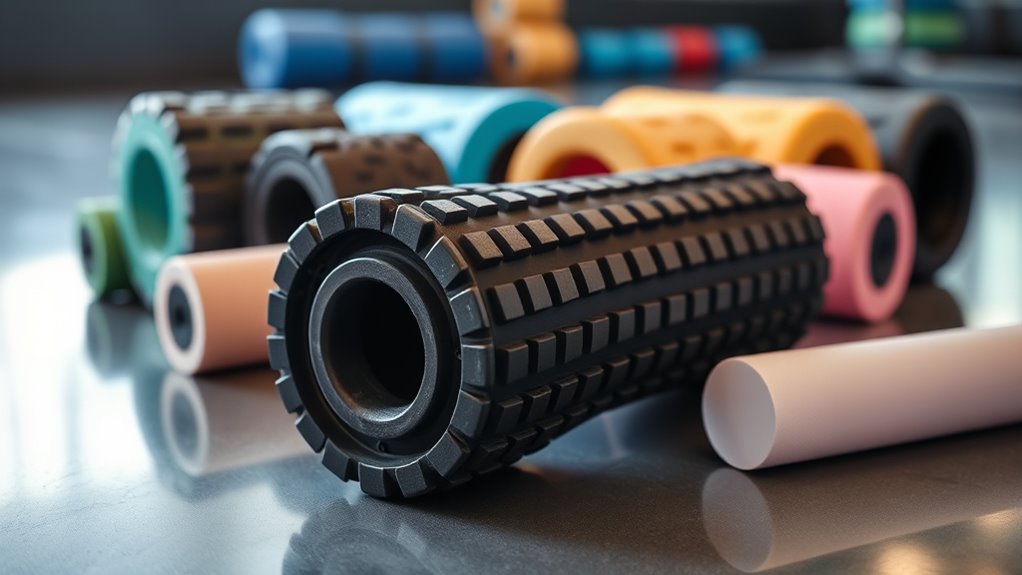
Different foam density, determined by material composition, affects how much pressure you experience during rolling—softer foams offer gentler relief, while denser ones provide deeper tissue work. High-density foam rollers are ideal for athletes or those needing intense muscle release, as they can withstand more pressure without losing shape. Conversely, medium or low-density options suit beginners or sensitive areas, reducing discomfort. Textures also vary; smooth rollers glide easily, making them suitable for general use, while textured or ridged ones target trigger points more effectively. Choosing the right type depends on your goals, muscle sensitivity, and experience level, ensuring you get the most benefit from your foam rolling routine. Foam roller types can also influence overall effectiveness and comfort during use.
When and How Often to Incorporate Foam Rolling Into Your Routine
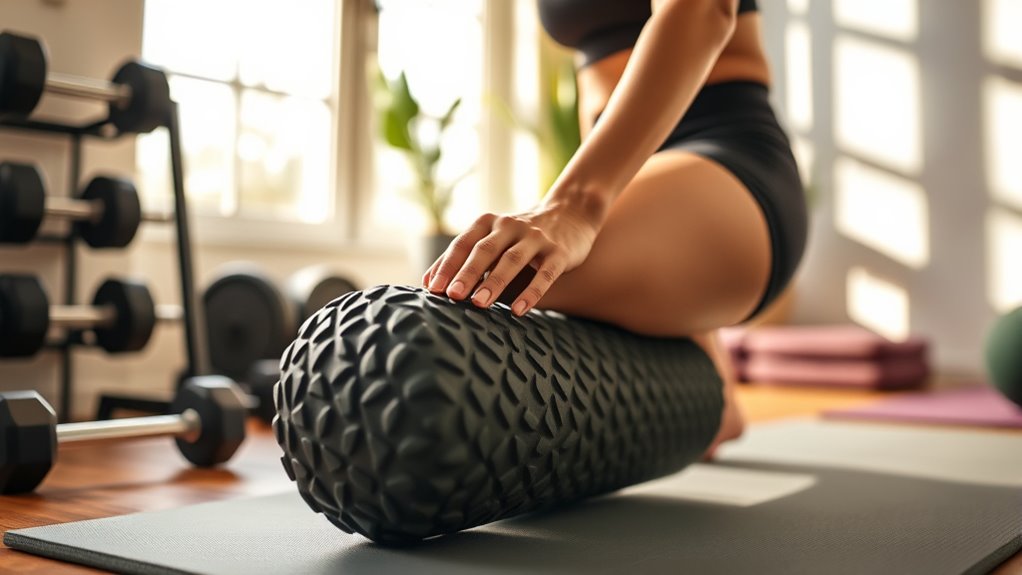
To maximize the benefits of foam rolling, you should incorporate it into your routine consistently, focusing on timing and frequency that suit your activity level and goals. Regular foam rolling supports recovery routines and helps prevent injuries. Typically, you can follow these guidelines: 1. Use foam rolling before workouts to prepare muscles and improve flexibility. 2. Incorporate it after workouts to accelerate recovery and reduce soreness. 3. Aim for 3–5 times per week if you’re actively training, but listen to your body—more isn’t always better. Additionally, understanding the specific benefits of Kia Tuning can motivate you to optimize your performance and vehicle longevity.
Potential Risks and How to Avoid Them
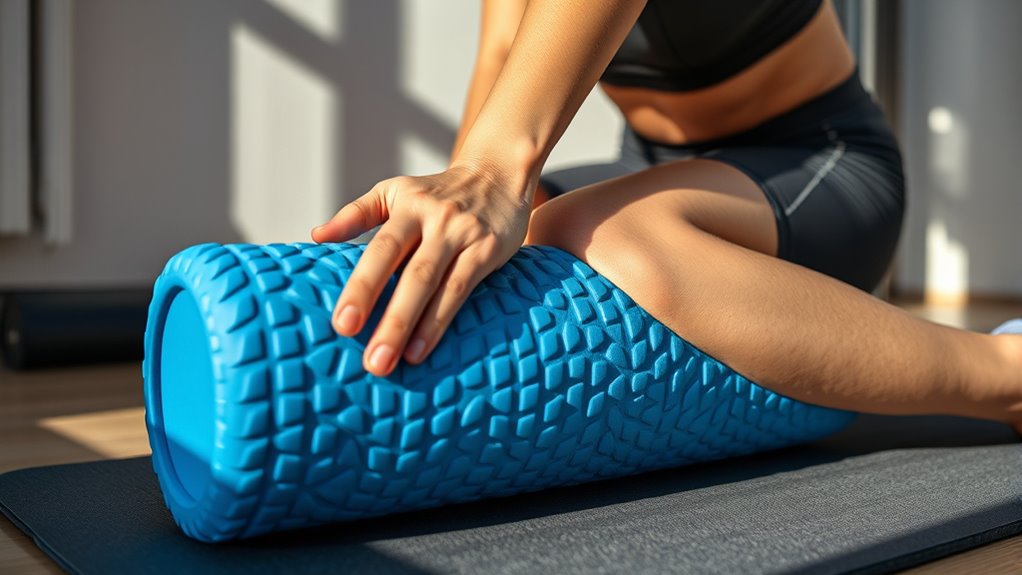
While foam rolling offers many benefits, it also carries potential risks if not done correctly. Improper technique can lead to muscle strain or unnecessary joint stress. To avoid injury, focus on gentle pressure and avoid rolling directly over bones or joints. Overdoing it can cause soreness or tissue damage. Be aware of your body’s signals—stop if you experience sharp pain or persistent discomfort. Use the table below to understand common risks and prevention tips:
| Risk | How to Avoid |
|---|---|
| Muscle Strain | Use moderate pressure; don’t push too hard |
| Joint Stress | Avoid rolling over joints directly |
| Tissue Damage | Limit rolling time; listen to your body |
Additionally, understanding muscle recovery techniques can help optimize your foam rolling routine and prevent overuse injuries.
Advanced Techniques to Maximize Your Results
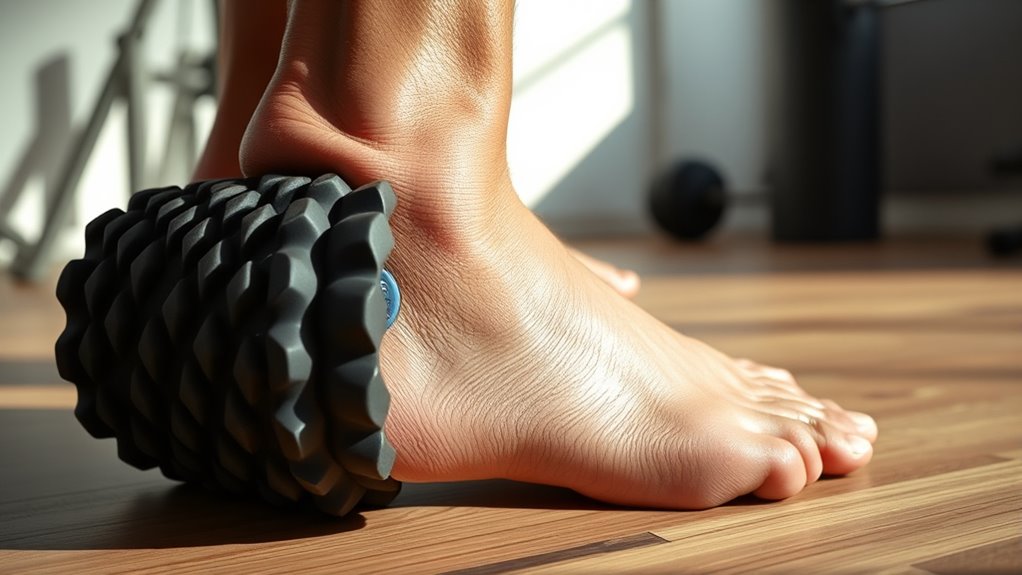
Revealing the full benefits of foam rolling often requires incorporating advanced techniques that target deeper tissues and optimize recovery. To improve muscle and fascia elasticity effectively, try these methods:
- Slow, Controlled Rolls – Focus on slow, deliberate movements over tight or sore spots to enhance fascia elasticity and break down adhesions.
- Targeted Pressure – Use your body weight to apply deep pressure on specific areas, promoting deeper tissue release and increasing muscle elasticity.
- Pause and Hold – When you find a tender spot, hold the pressure for 20-30 seconds to encourage fascia and muscle fibers to relax and lengthen.
- Consistent Application – Regularly incorporating these techniques can lead to sustained improvements in muscle flexibility and recovery efficiency. Proper technique is essential for maximizing foam rolling benefits and preventing injury.
Frequently Asked Questions
Can Foam Rolling Help With Chronic Pain Management?
Foam rolling can help with chronic pain management by targeting trigger points and promoting fascia relaxation. When you roll over tight or tender areas, you release muscle knots and improve blood flow, which may reduce pain and stiffness. Regular foam rolling helps break down scar tissue and increase flexibility, making it easier to manage persistent discomfort. Just be consistent and gentle to see the best results for your chronic pain.
Is There an Ideal Age to Start Foam Rolling?
Think of your body as a garden that needs nurturing at any season. There’s no perfect age to start foam rolling; it’s beneficial for all. Age considerations vary, but beginners should focus on proper technique and gentle pressure. Whether you’re young or older, start slow, listen to your body, and gradually increase intensity. Foam rolling can enhance flexibility and reduce tension, making it a valuable tool regardless of age.
How Does Foam Rolling Compare to Other Recovery Methods?
Foam rolling offers targeted muscle release, making it a great addition to your recovery routine alongside massage therapy and cold therapy. While massage therapy deeply relaxes muscles, foam rolling enhances flexibility and blood flow, and cold therapy reduces inflammation. Combining these methods optimizes recovery, but foam rolling’s affordability and convenience make it accessible for regular use. You benefit from improved mobility and reduced soreness when you incorporate foam rolling with other recovery strategies.
Are There Specific Injuries That Foam Rolling Should Be Avoided?
You’ll want to skip foam rolling if you have muscle strains or joint injuries, ironically, because it can worsen these issues. Applying pressure on damaged muscles might increase pain, and rolling over injured joints could exacerbate inflammation. Always consult a healthcare professional before rolling on problematic areas, as what feels good might actually be harmful in cases of serious injury. So, avoid foam rolling when you’re dealing with those specific injuries.
Can Foam Rolling Improve Flexibility Beyond Muscle Recovery?
Foam rolling can definitely enhance your flexibility beyond just muscle recovery. By promoting muscle elongation and breaking up fascia, it helps increase your range of motion. Regular foam rolling sessions target tight, restricted areas, making your muscles more pliable and better able to stretch. This flexibility enhancement supports improved athletic performance and reduces injury risk. Incorporate foam rolling into your routine consistently for noticeable gains in muscle elasticity and overall movement quality.
Conclusion
Now that you understand the science behind foam rolling, it’s like revealing a hidden key to your muscles’ recovery vault. When you apply the right pressure and techniques, you’re guiding your muscles to relax and heal, turning soreness into strength. Keep experimenting with different types and routines, but listen to your body like a trusted compass. With consistent practice, you’ll transform your foam roller into a powerful tool that keeps your fitness journey sailing smoothly.
Halloween Picks
halloween
As an affiliate, we earn on qualifying purchases.