Even as global economies diverge, the luxury sector proves its resilience by maintaining demand across diverse markets. Wealthy consumers continue to invest in luxury goods, viewing them as status symbols and safe assets. Brands leverage digital channels to connect with a global clientele, offering personalized experiences that reinforce exclusivity. Meanwhile, emerging economies like China and India fuel growth, balancing out stagnation in mature markets. If you want to see how this stability unfolds further, there’s much more to explore.
Key Takeaways
- Luxury brands demonstrate resilience by maintaining demand despite economic uncertainties and regional divergences.
- Digital transformation enables luxury companies to reach global clients and adapt to diverse economic environments.
- Targeted marketing and storytelling reinforce luxury’s appeal across different markets and consumer segments.
- Geographic diversification to emerging markets like China and India offsets stagnation in traditional regions.
- Loyal affluent consumers continue to prioritize luxury as a symbol of status and investment, ensuring industry stability.
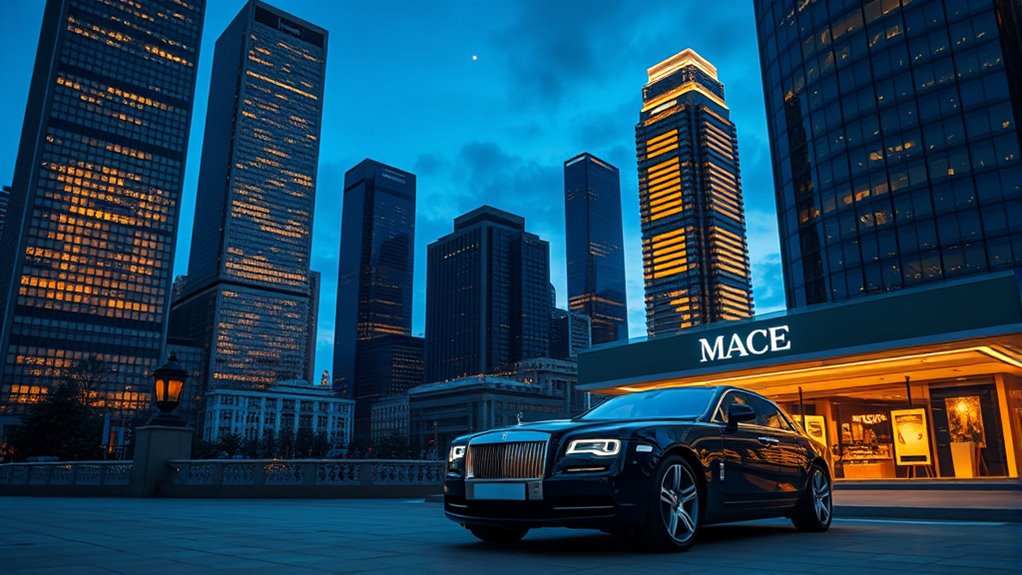
Despite economic uncertainties and shifting global markets, the luxury sector continues to demonstrate resilience. You might think that economic downturns or political upheavals would severely impact high-end spending, but luxury brands often defy these trends. When financial markets wobble or currencies fluctuate, wealthy consumers tend to maintain their spending habits, viewing luxury goods as both a status symbol and a safe investment. This consistent demand stems from a core group of affluent clients who see luxury items as essential to their identity and lifestyle, regardless of broader economic conditions.
Luxury resilience persists despite economic and political upheavals, driven by affluent clients valuing exclusivity and stability.
You can notice that luxury brands have become more adaptable in recent years. They’re leveraging digital platforms, offering exclusive online experiences, and creating personalized services to connect with a global clientele. This shift allows you to access luxury products from anywhere, bypassing traditional brick-and-mortar limitations. The rise of e-commerce has broadened the reach of these brands, making it easier for you to indulge in high-end shopping without leaving your home. Many luxury companies now focus on storytelling and craftsmanship, emphasizing exclusivity and heritage—elements that resonate strongly with you as a consumer seeking authenticity and prestige. Additionally, the integration of advanced marketing strategies helps brands target specific demographics and tailor their offerings more precisely to customer preferences.
Furthermore, you’ll observe that the luxury market is increasingly diversifying geographically. While traditional markets like Europe and North America still hold significance, emerging economies such as China, India, and Southeast Asia are fueling growth. These regions have seen a rise in wealth and a desire for luxury goods, providing brands with new opportunities. If you’re a consumer from one of these areas, you might find that luxury brands are tailoring their offerings to local tastes and cultures, making luxury more accessible and appealing. This global expansion helps stabilize the sector, ensuring that even if one market stalls, others can pick up the slack.
In essence, whether you’re a seasoned collector or a first-time buyer, your appetite for luxury remains a powerful force that sustains the industry. Despite the shifting economic landscape, brands adapt, innovate, and expand, confirming that luxury’s appeal endures across diverse markets and economic conditions.
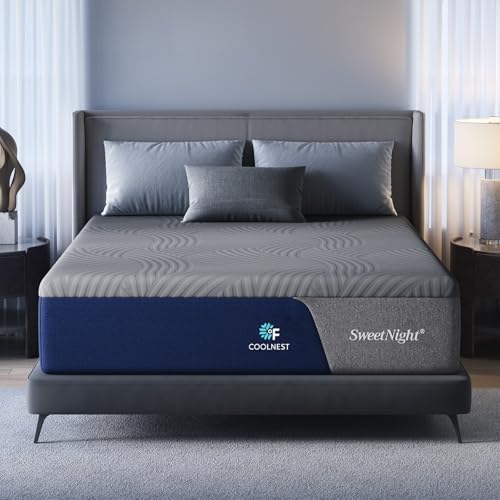
Sweetnight CoolNest 14 Inch King Size Mattress, Cooling King Memory Foam Mattress for Cool Night Sleep, 5-Zone Ergo Support for Pressure Relief, Medium, CertiPUR-US Certified
CoolNest System for a Cooler Night - The CoolNest 14 inch king size mattress features our innovative CoolNest...
As an affiliate, we earn on qualifying purchases.
Frequently Asked Questions
How Do Luxury Brands Adapt to Shifting Global Economic Trends?
You can adapt to shifting global economic trends by diversifying your offerings, targeting emerging markets, and adjusting pricing strategies. Focus on digital innovation to reach new customers and enhance brand experiences. Staying agile allows you to respond quickly to economic changes, while emphasizing exclusivity and personalized service keeps your loyal clientele engaged. By monitoring economic indicators and consumer behavior, you can make informed decisions that keep your luxury brand relevant and resilient worldwide.
What Emerging Markets Are Becoming New Luxury Consumption Hubs?
You should keep an eye on emerging markets like Southeast Asia, Africa, and parts of Latin America. These regions are gaining traction as new luxury hubs, thanks to rising incomes and a growing middle class enthusiastic for upscale brands. It’s a case of hitting two birds with one stone: capturing new customer bases while diversifying your market. These areas are on the rise, and seizing the moment now could pay off big time.
How Does Currency Fluctuation Impact Luxury Pricing Worldwide?
Currency fluctuations can markedly impact luxury pricing worldwide. When a currency weakens, luxury brands may raise prices to maintain profit margins, making products less affordable for local consumers. Conversely, a strong currency can lower prices, boosting sales but squeezing profit margins. You should keep an eye on exchange rates, as they influence how much you pay for luxury items across different regions, affecting your purchasing decisions and overall value.
Are Online Luxury Sales Overtaking Brick-And-Mortar Stores?
You see online luxury sales gaining ground, overtaking brick-and-mortar stores. While elegant boutiques line city streets, sleek screens beckon you from anywhere. The allure of instant access and exclusive digital collections draws more customers each day, yet the charm of personal touch remains. This juxtaposition creates a vibrant scene: tradition blending with innovation, shaping a future where digital storefronts become the new luxury experience.
What Role Does Political Stability Play in Luxury Market Growth?
Political stability plays a vital role in your luxury market growth because it fosters consumer confidence and attracts investments. When governments maintain stability, you’re more likely to see increased spending on high-end goods, as buyers feel secure about their economic future. Conversely, instability can lead to reduced luxury spending, currency fluctuations, and disrupted supply chains, making it harder for you to access and invest in luxury brands.
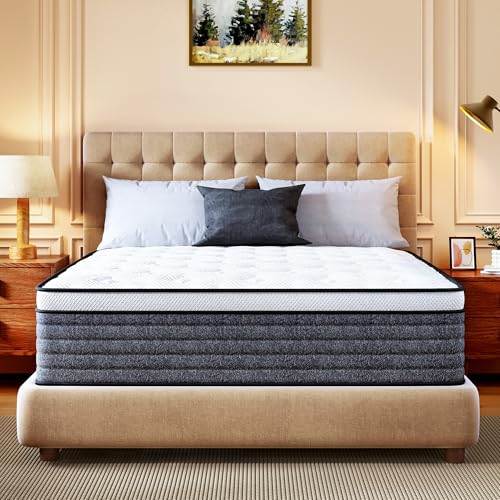
CH Charme House King Size Mattress, 14 Inch Hybrid King Size, Medium Feel Foam and Individual Pocket Springs, Fiberglass Free Bed Mattress, Extra Edge Support, Pressure Relief, CertiPUR-US
Enjoy the Ultimate Comfort of Sleep: Our mattress combines memory foam and supportive layers to cradle your body...
As an affiliate, we earn on qualifying purchases.
Conclusion
Like a ship steering shifting seas, you see luxury’s resilience amid economic storms. As the world’s economies diverge, your pursuit of elegance remains steadfast, a beacon shining through turbulent waters. You understand that in a tale as old as time—where wealth and hardship intertwine—luxury endures, echoing the resilience of an ancient phoenix rising from ashes. Keep your gaze steady, for in this dance of divergence, your taste for the exceptional will always find its rightful place.

Nectar Classic 12” King Mattress - Medium Firm - Contouring Memory Foam - Cooling Top Layer - Back Pain Relief - Mattress in a Box - 365-Night Trial & Forever Warranty
SIMPLE TO SET UP - Just move the box to the room you want to use it in,...
As an affiliate, we earn on qualifying purchases.
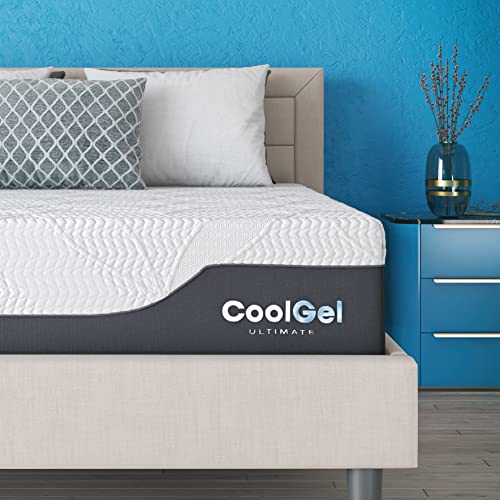
Cool Gel Chill 14 Inch Medium Firm Memory Foam Mattress King Size, with 2 Bonus Cool Gel Memory Foam Bed Pillows, 14" with Pressure Relief, CertiPUR-US Certified, Cooling King Mattress in a Box
Advanced Cooling Gel Memory Foam Mattress: Our bed mattress features a 3.5-inch ventilated cooling gel memory foam layer,...
As an affiliate, we earn on qualifying purchases.